
Access Control Systems in Enterprise Event Platforms

Access Control Systems in Enterprise Event Platforms
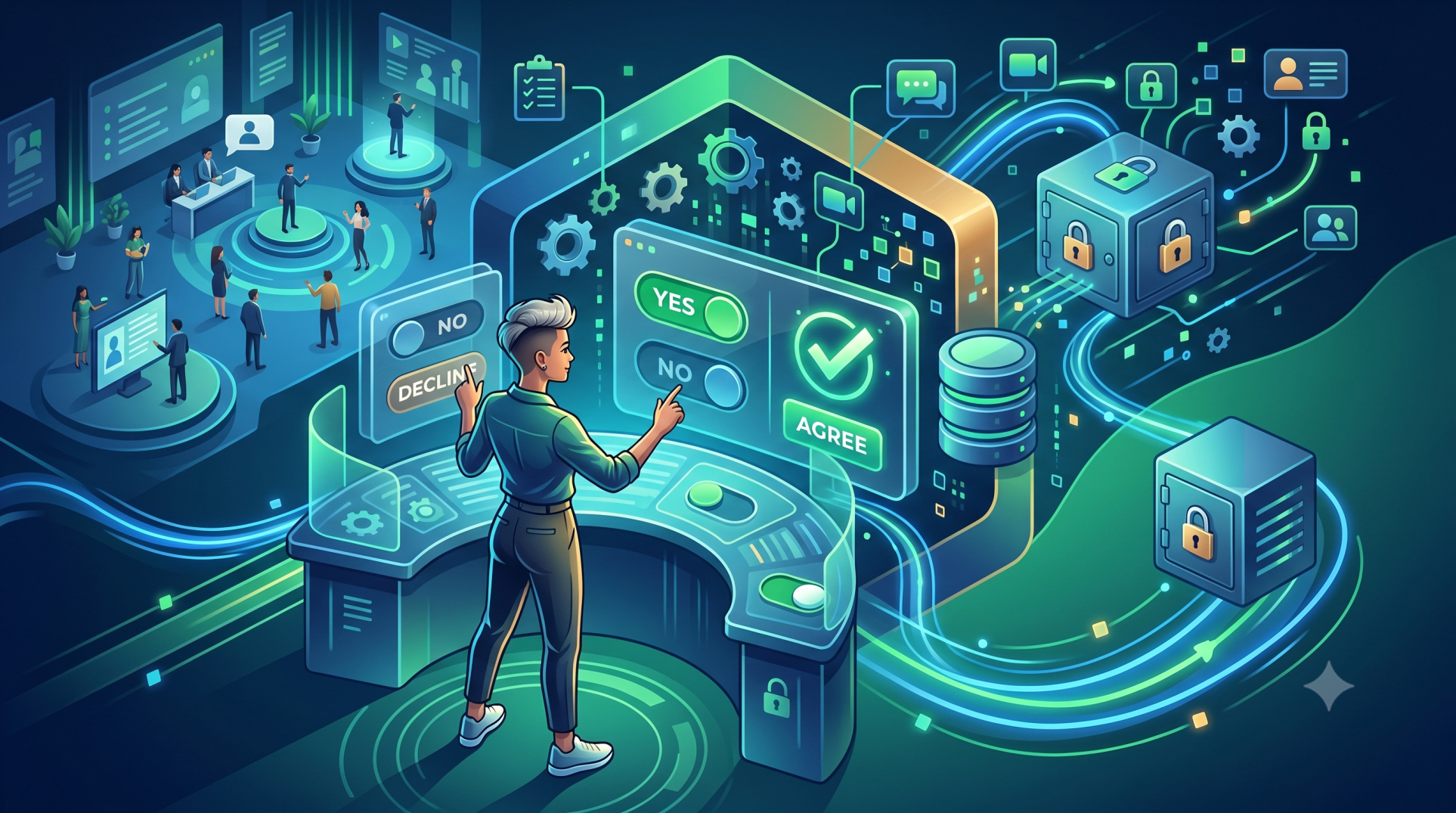
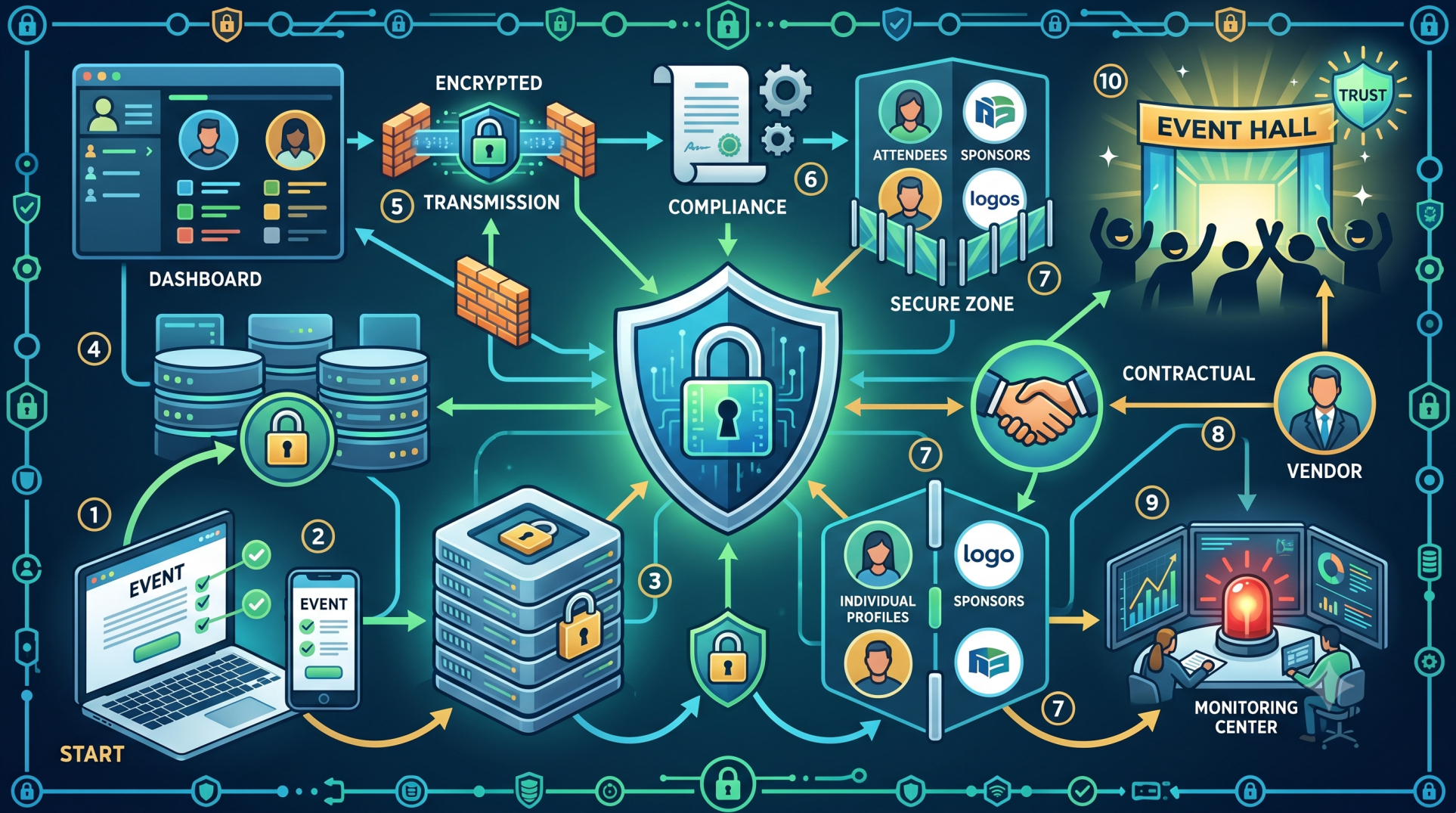
As enterprise event platforms evolve into complex, data-driven ecosystems, access control has become a foundational component of security and user experience. Beyond simple login mechanisms, modern access control systems govern who can access specific features, data, and workflows across organizers, vendors, partners, and attendees. A well-designed access framework ensures both operational efficiency and robust protection of sensitive event information.
Step 1: Understanding Access Control in Event Platforms
• Access control defines permissions for users across the platform 🔐
• Different roles require different levels of visibility and control 👥
• Ensures sensitive data is only accessible to authorized users 🛡️
• Supports both internal teams and external stakeholders 🌐
• Forms the backbone of platform security and governance ⚙️
Step 2: Defining User Roles and Permissions
• Create role-based access models for organizers, admins, and vendors 🧩
• Assign permissions based on responsibilities and workflows 📋
• Limit access to critical features such as financial data or analytics 📊
• Enable granular control for different operational scenarios 🎯
• Maintain flexibility to adjust roles as event needs evolve 🔄
Step 3: Implementing Authentication Mechanisms
• Use secure login methods such as multi-factor authentication (MFA) 🔑
• Support single sign-on (SSO) for enterprise environments 🧠
• Integrate with identity providers like OAuth or SAML systems 🔗
• Ensure strong password policies and session management 🔒
• Protect against unauthorized access and credential misuse 🚫
Step 4: Enforcing Authorization Policies
• Define what each authenticated user is allowed to do ⚖️
• Control access to modules, dashboards, and data sets 🧭
• Implement rule-based or policy-based access controls 📐
• Restrict actions such as editing, exporting, or deleting data 🧾
• Ensure consistent enforcement across the platform 🧱
Step 5: Managing Attendee Access and Credentials
• Issue digital passes, QR codes, or RFID-based credentials 🎫
• Control entry to sessions, zones, or VIP areas 🏟️
• Enable real-time validation at checkpoints ⏱️
• Prevent duplicate or fraudulent access attempts 🚷
• Enhance attendee experience with seamless check-ins 🚀
Step 6: Real-Time Monitoring and Access Tracking
• Track user activity and access logs across the platform 📡
• Monitor entry and exit data for physical and virtual events 📍
• Detect unusual access patterns or security anomalies ⚠️
• Provide audit trails for compliance and reporting 📑
• Enable quick response to security incidents 🚨
Step 7: Integrating with Event Ecosystem Systems
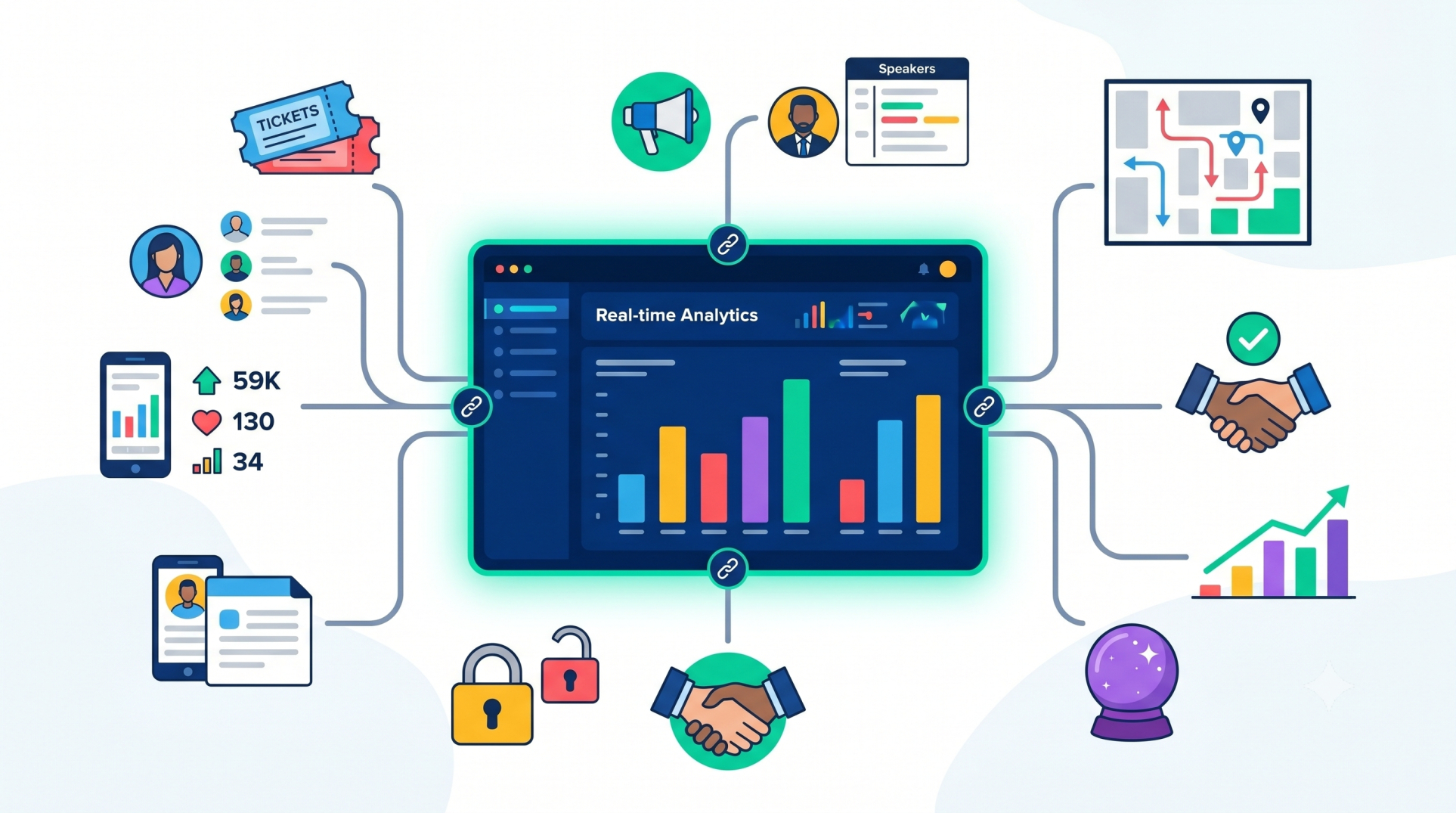
• Connect access control with registration and ticketing systems 🎟️
• Sync with CRM and marketing platforms for attendee data 🔄
• Integrate with on-site hardware like scanners and kiosks 🖥️
• Enable unified data flow across all event technologies 🔗
• Improve operational coordination and visibility 📊
Step 8: Key Access Control Priorities
• Strong authentication and secure identity management 🔐
• Granular and flexible permission structures 🧩
• Real-time visibility into access and activity 📡
• Seamless integration with event infrastructure ⚙️
Step 9: Handling Exceptions and Access Issues
• Manage lost credentials or access conflicts efficiently ❗
• Provide manual override options for critical scenarios 🛠️
• Resolve duplicate registrations or identity mismatches 🔍
• Ensure minimal disruption during access failures ⚡
• Maintain support workflows for rapid issue resolution 📞
Step 10: Building a Scalable Access Control Framework
• Design systems that scale across multiple events and regions 🌍
• Support large volumes of users and concurrent access 👥
• Enable easy onboarding of new roles and stakeholders ➕
• Adapt to hybrid and virtual event environments 💻
• Future-proof with modular and extensible architecture 🧱
Conclusion
Access control systems in enterprise event platforms are essential for maintaining security, operational efficiency, and user trust. By implementing structured roles, secure authentication, and real-time monitoring, organizations can create a controlled yet flexible environment that supports complex event operations. A scalable and well-integrated access control framework not only protects critical data but also enhances the overall event experience for all stakeholders.
See more blogs
You can all the articles below






































Ready to Find Your Perfect Solution?
Let us show you how Event Software can transform your events

AI-powered event management platform that helps you create stunning events .