Digital Run-of-Show Management Using Event Software
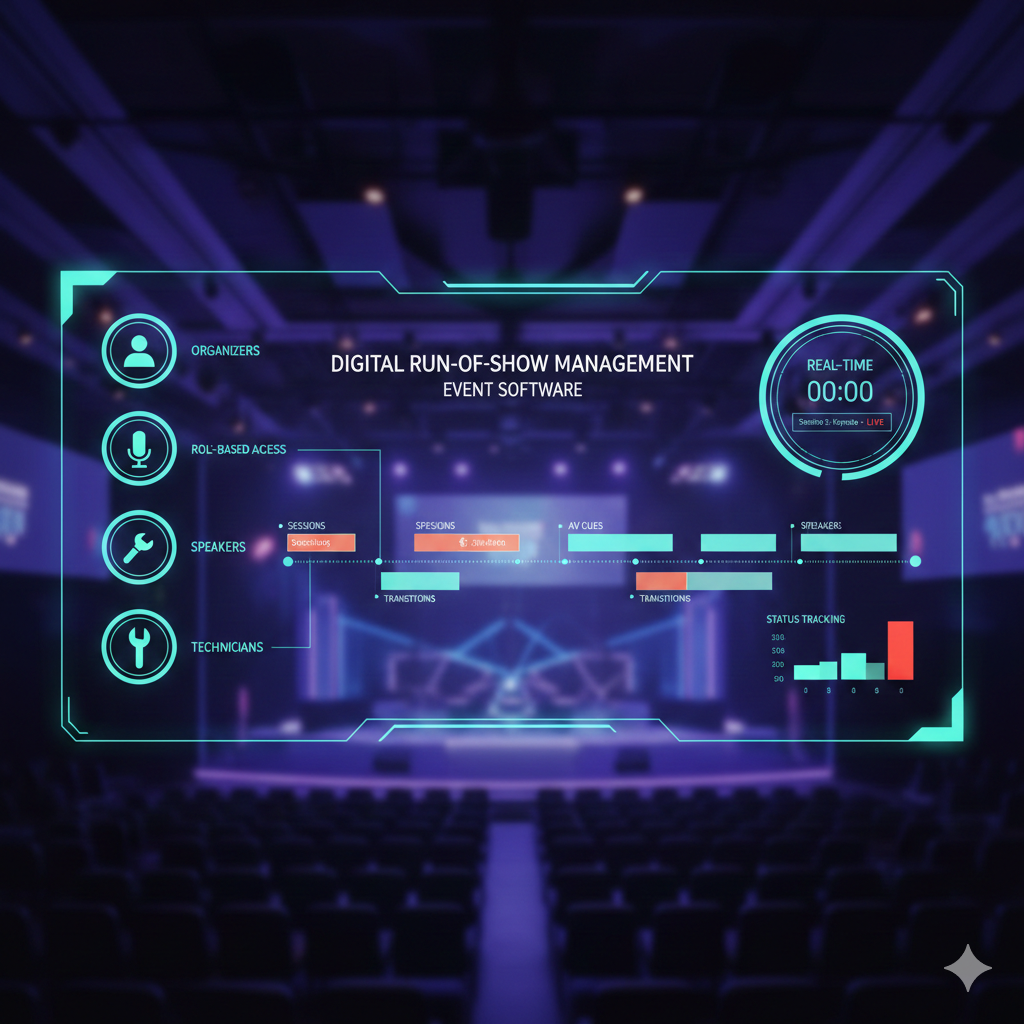
Digital Run-of-Show Management Using Event Software
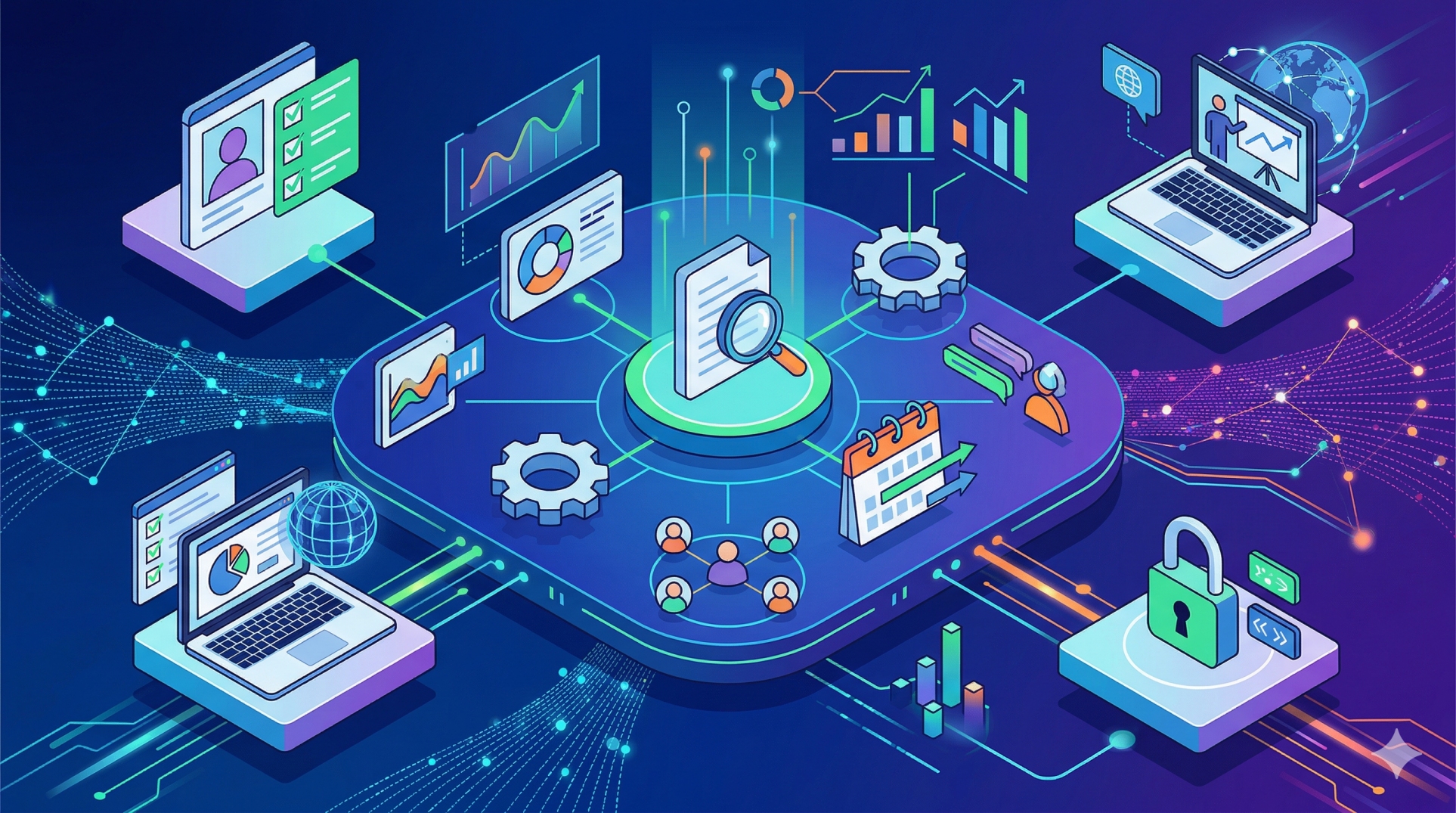
Run-of-show management is the operational backbone of any successful event. Traditionally managed through spreadsheets, printed schedules, and manual coordination, modern events now rely on digital platforms to orchestrate sessions, speakers, production teams, and real-time adjustments. Event software transforms run-of-show planning into a centralized, dynamic, and highly responsive system that reduces risk and improves execution precision.
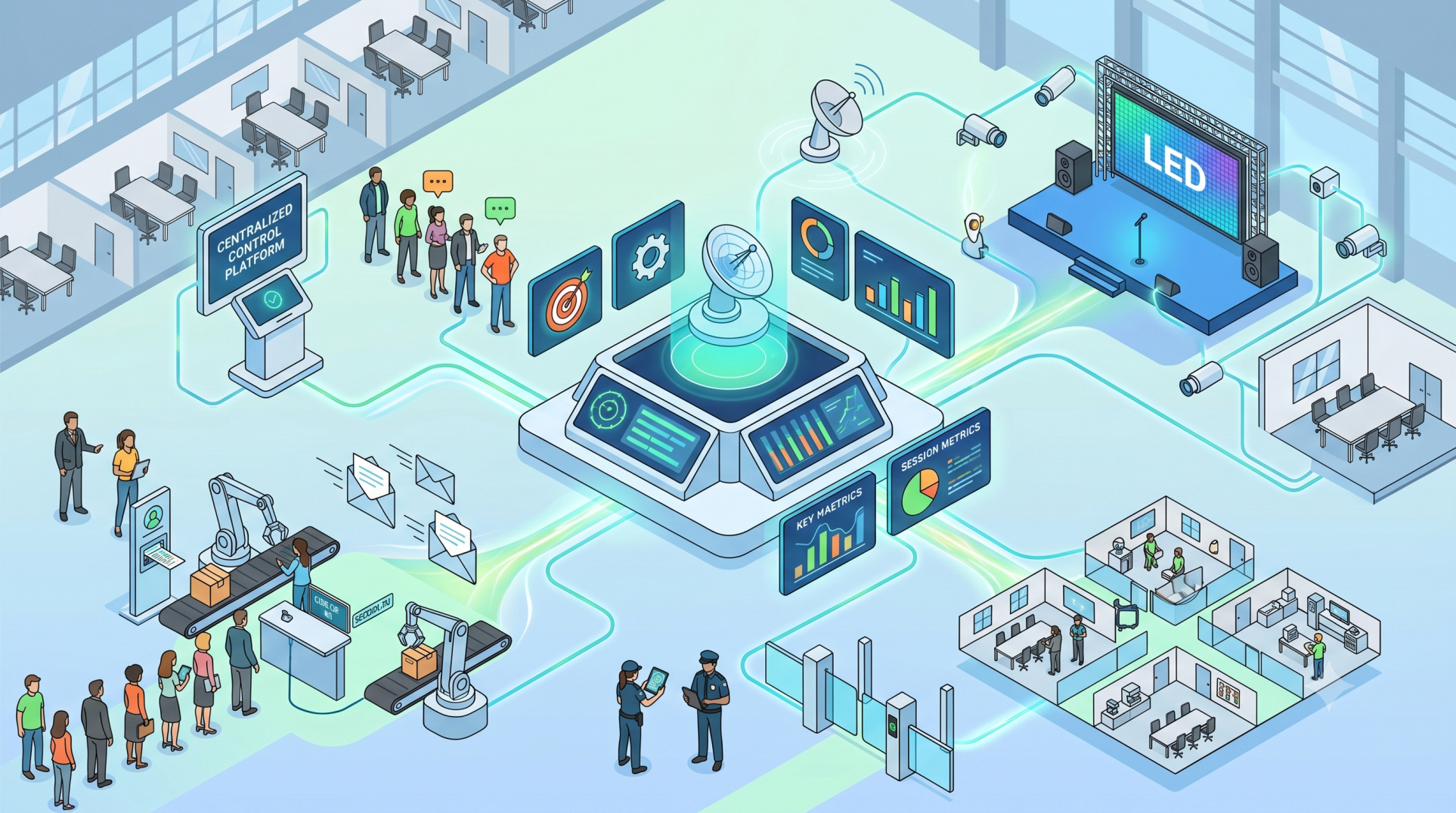
Step 1: Centralizing the Event Timeline 🗂️
• Consolidates sessions, speakers, technical cues, and transitions in one system 🎤
• Provides a single source of truth for all stakeholders 📍
• Eliminates version confusion from shared documents ❌
• Enables structured scheduling across multi-track agendas 📅
• Improves overall coordination accuracy 🎯
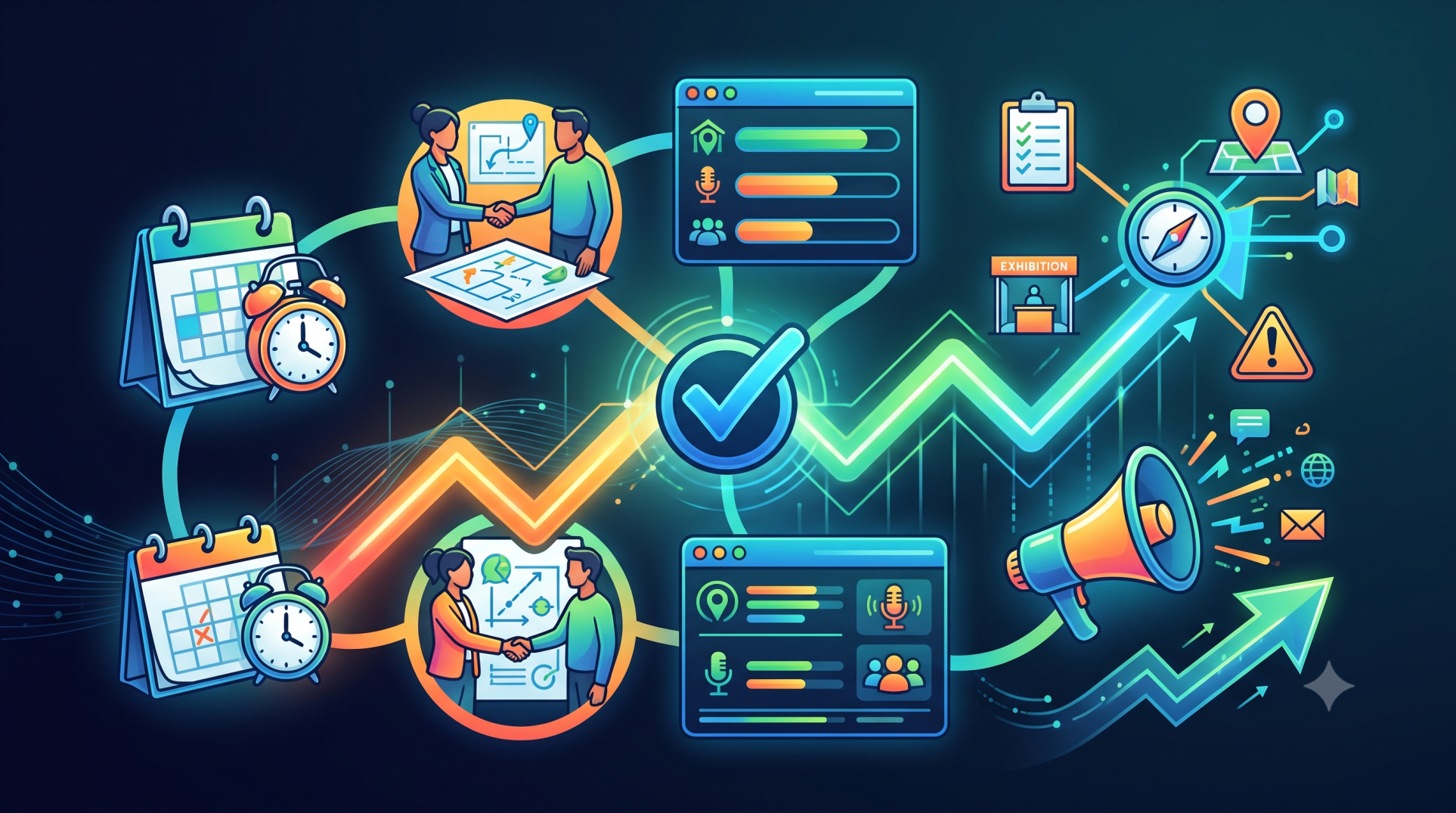
Step 2: Real-Time Schedule Updates 🔄
• Allows instant updates to sessions and timing ⏱️
• Synchronizes changes across web, mobile, and internal dashboards 🌐
• Reduces communication delays between teams 📢
• Supports quick adjustments during live disruptions ⚡
• Maintains alignment across production and content teams 🤝
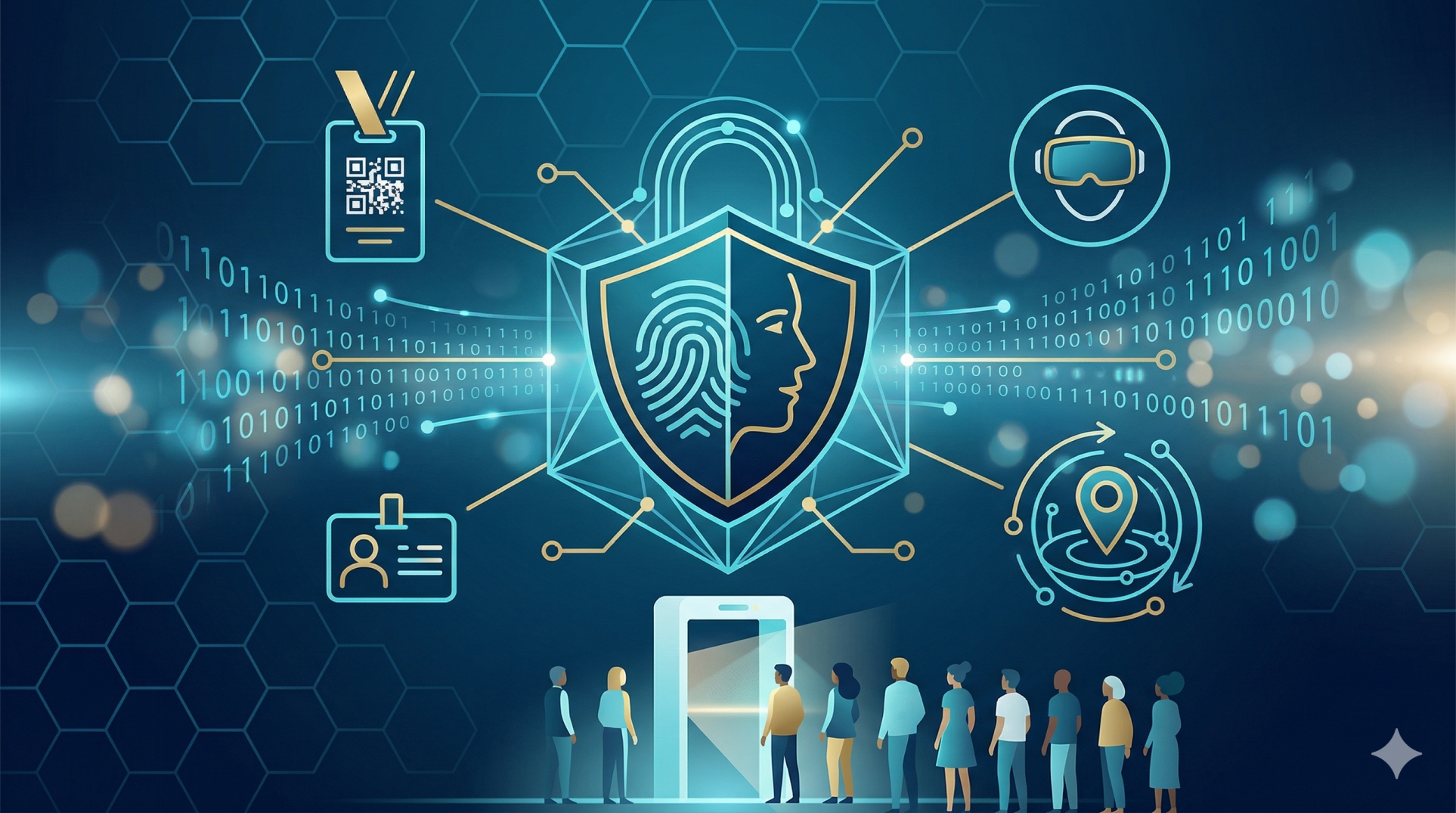
Step 3: Role-Based Access and Permissions 🔐
• Grants tailored visibility for organizers, speakers, and technicians 👥
• Restricts editing rights to authorized users 🚫
• Protects schedule integrity from accidental changes 🛡️
• Improves accountability through activity tracking 📊
• Supports structured collaboration workflows 🔁
Step 4: Speaker and Production Coordination 🎙️
• Aligns speaker briefings with session timing ⏰
• Integrates technical cues such as AV transitions and media playback 🎬
• Tracks rehearsals and preparation milestones 📋
• Ensures smooth handoffs between sessions 🔄
• Reduces last-minute confusion ❗
Step 5: Integrated Communication Tools 💬
• Enables in-platform messaging for event teams 📲
• Sends automated alerts for upcoming sessions 🔔
• Supports escalation protocols for urgent updates 🚨
• Reduces reliance on fragmented communication channels 🗂️
• Keeps stakeholders aligned in high-pressure moments 🎯
Step 6: Live Monitoring and Status Tracking 📊
• Displays real-time session progress and delays ⏳
• Tracks session start and end times 🕒
• Identifies bottlenecks across parallel tracks 🔍
• Supports data-driven adjustments mid-event 📈
• Improves operational visibility for leadership 👀
Step 7: Multi-Format Event Support 🌍
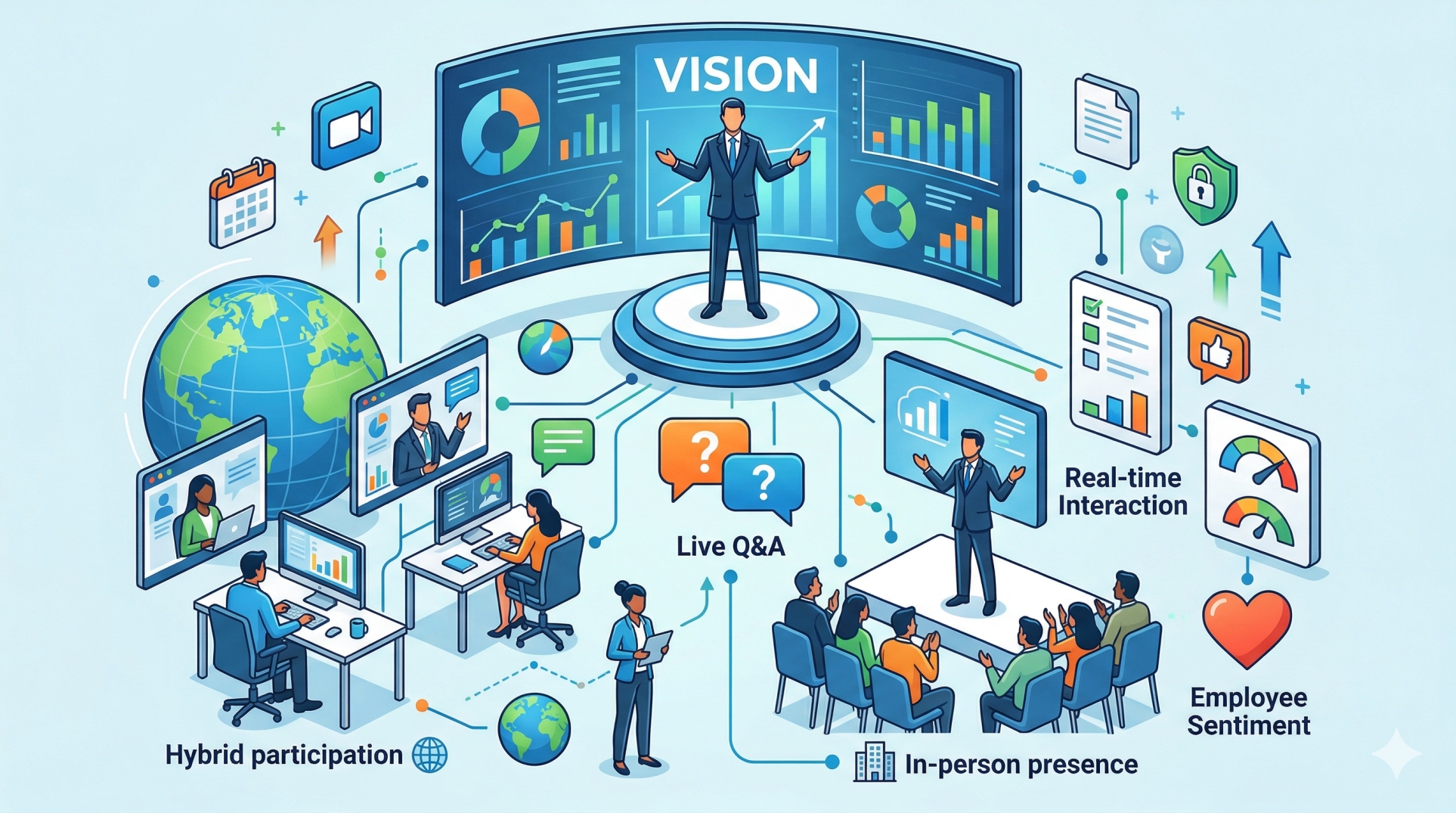
• Manages in-person, virtual, and hybrid run-of-show structures 🏢
• Synchronizes physical stage timing with digital streaming schedules 🎥
• Coordinates global time zones for distributed audiences 🌐
• Supports simultaneous session management 🔁
• Maintains consistency across event formats ✔️
Step 8: Strategic Operational Control 🧠
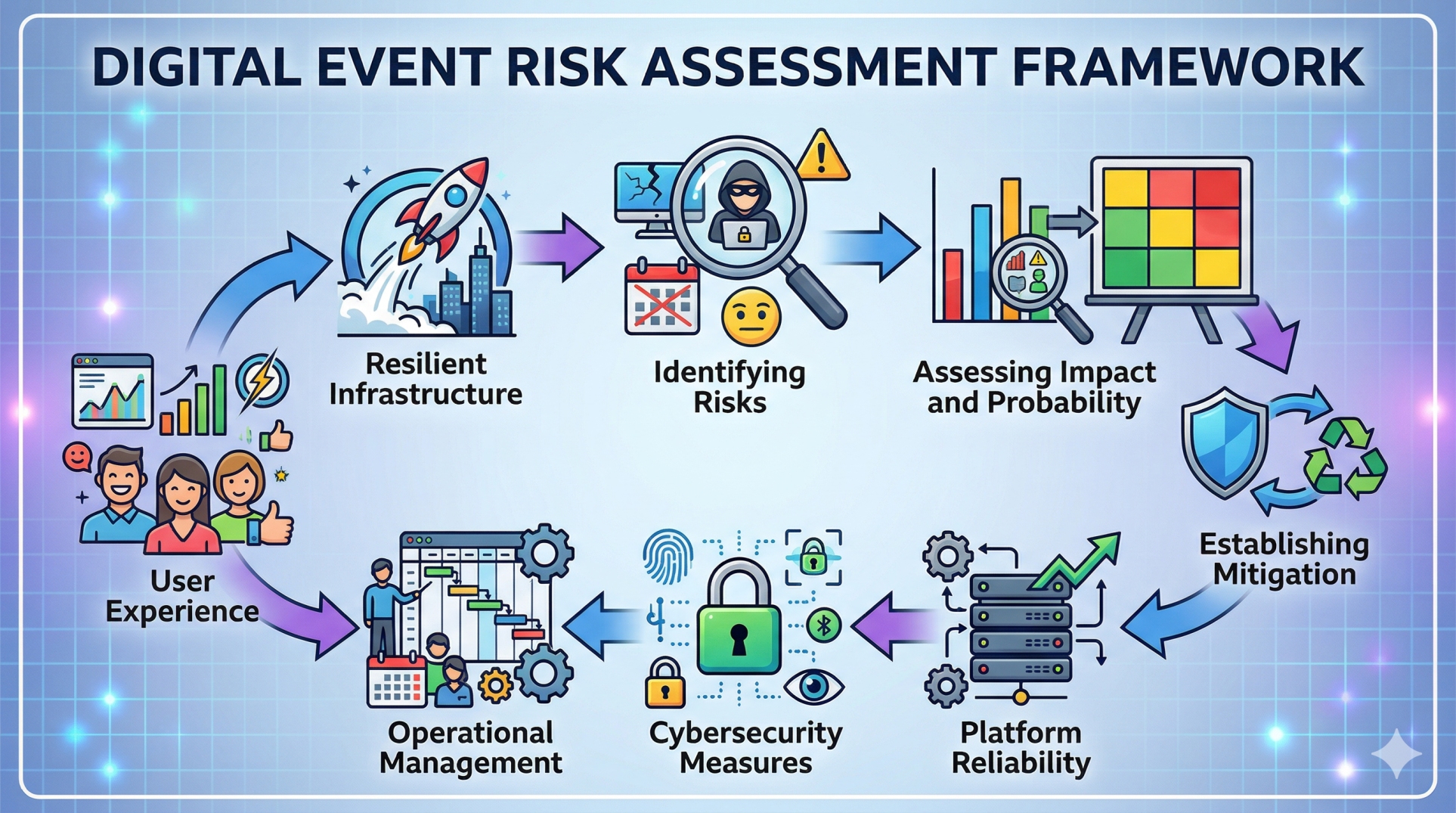
• Reduces execution risk during high-visibility events ⚠️
• Improves decision-making through real-time visibility 📊
• Enhances overall attendee experience through precise coordination ⭐
• Strengthens brand reliability and professionalism 🏆
Conclusion
Digital run-of-show management through event software replaces manual coordination with structured, real-time operational control. By centralizing schedules, synchronizing teams, and enabling rapid adjustments, event platforms ensure precision execution across complex environments. As events become more hybrid, global, and experience-driven, digital run-of-show systems play a critical role in delivering consistent, high-quality outcomes at scale.
See more blogs
You can all the articles below



























Ready to Find Your Perfect Solution?
Let us show you how Event Software can transform your events

AI-powered event management platform that helps you create stunning events .