
Reducing Event Complexity Through Intelligent Automation
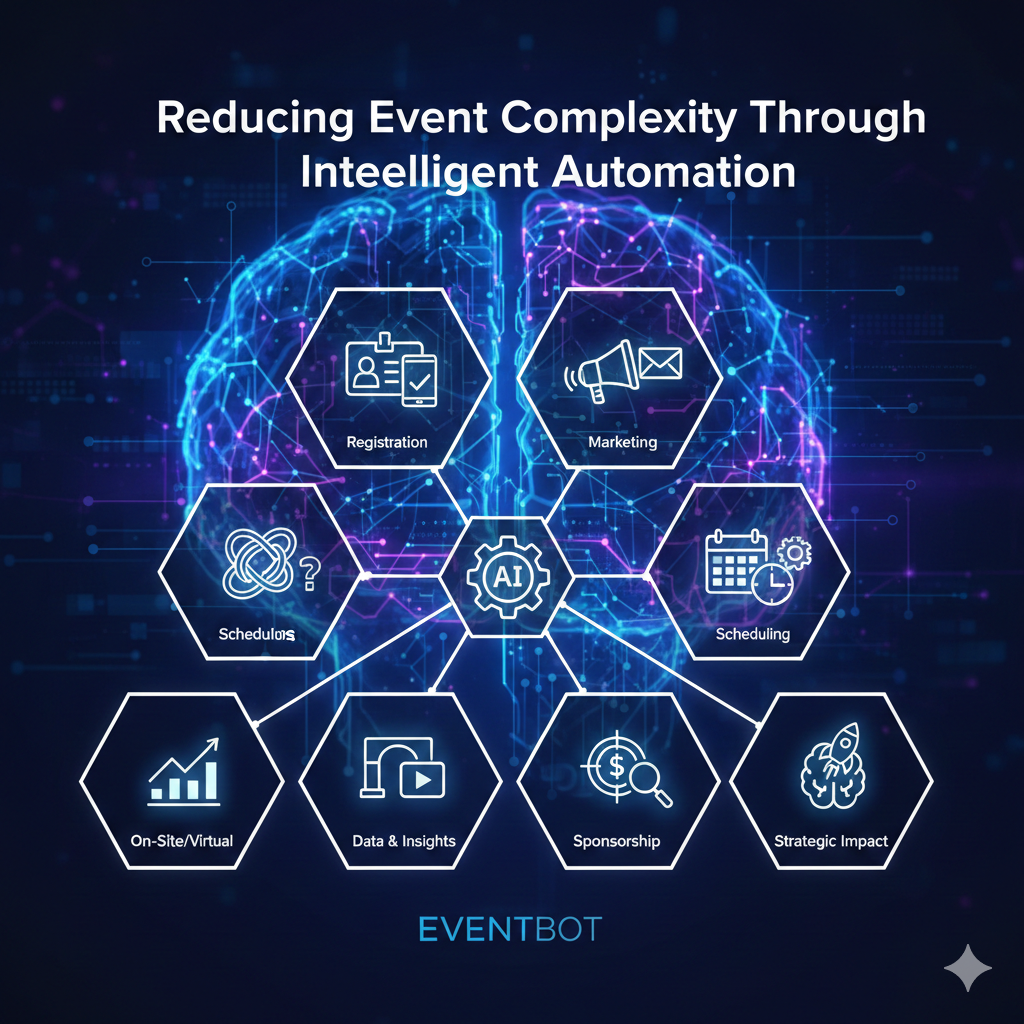
Reducing Event Complexity Through Intelligent Automation
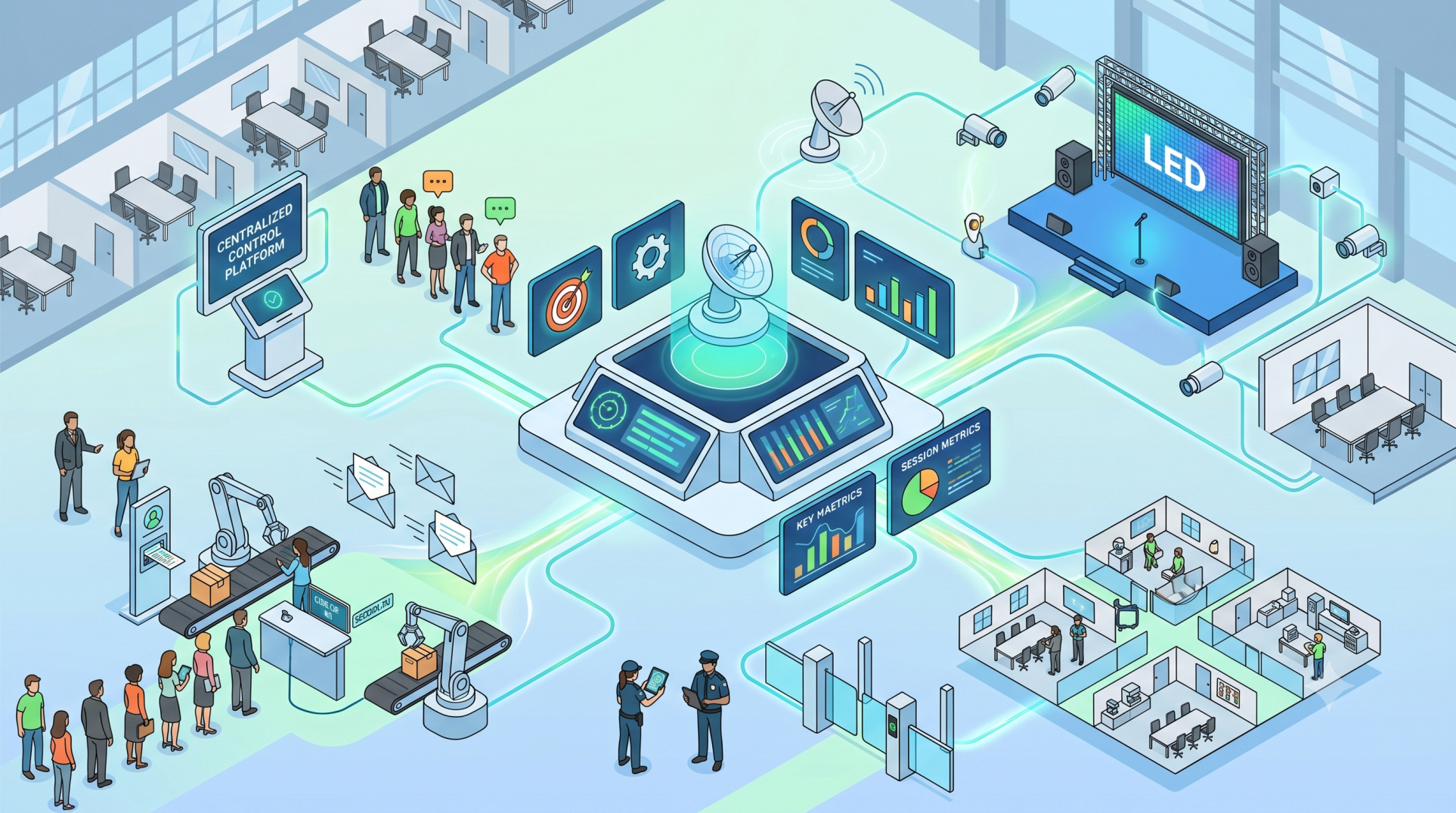
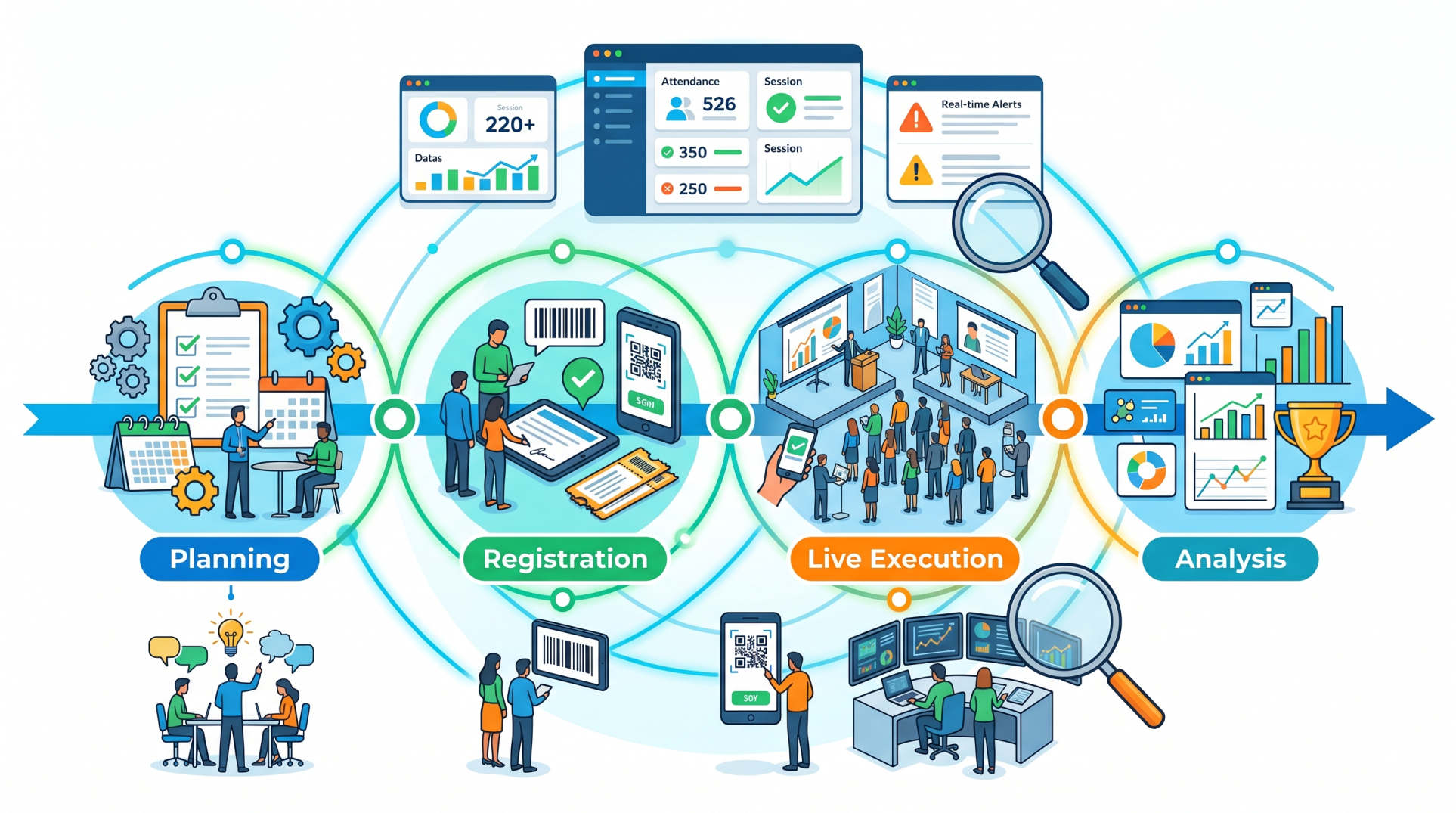
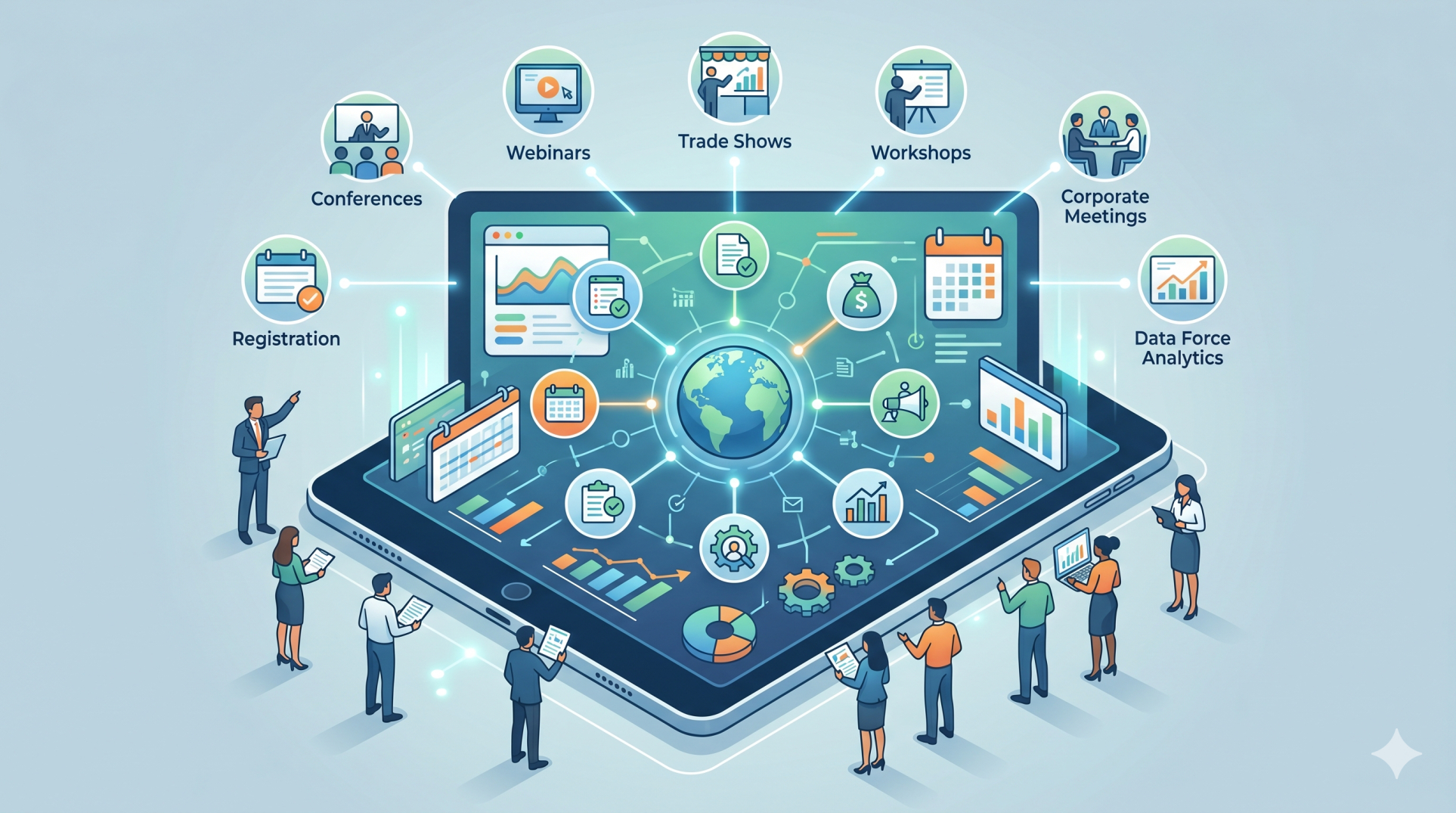
Today’s events extend far beyond securing a venue and opening registration. They demand coordination across marketing, operations, content programming, sponsorship management, technology infrastructure, and post-event analysis. As scale and expectations increase, operational demands multiply. Intelligent automation addresses this growing complexity by optimizing workflows, reducing manual dependencies, and enabling more data-informed execution.
1. Identifying the Drivers of Event Complexity 🔍
• Cross-functional coordination between internal teams and external vendors 🤝
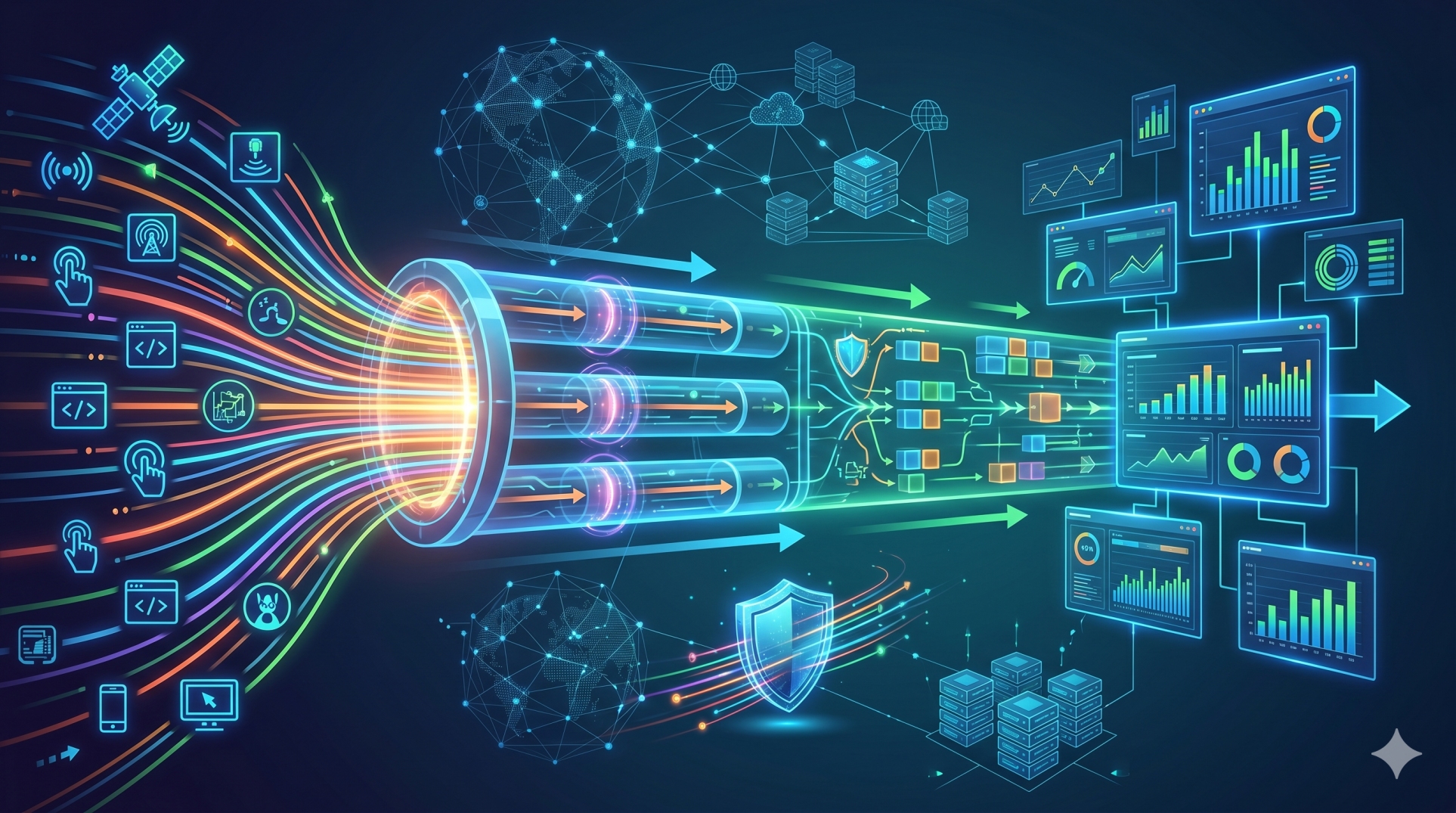
• Large volumes of attendee data and communication streams 📊
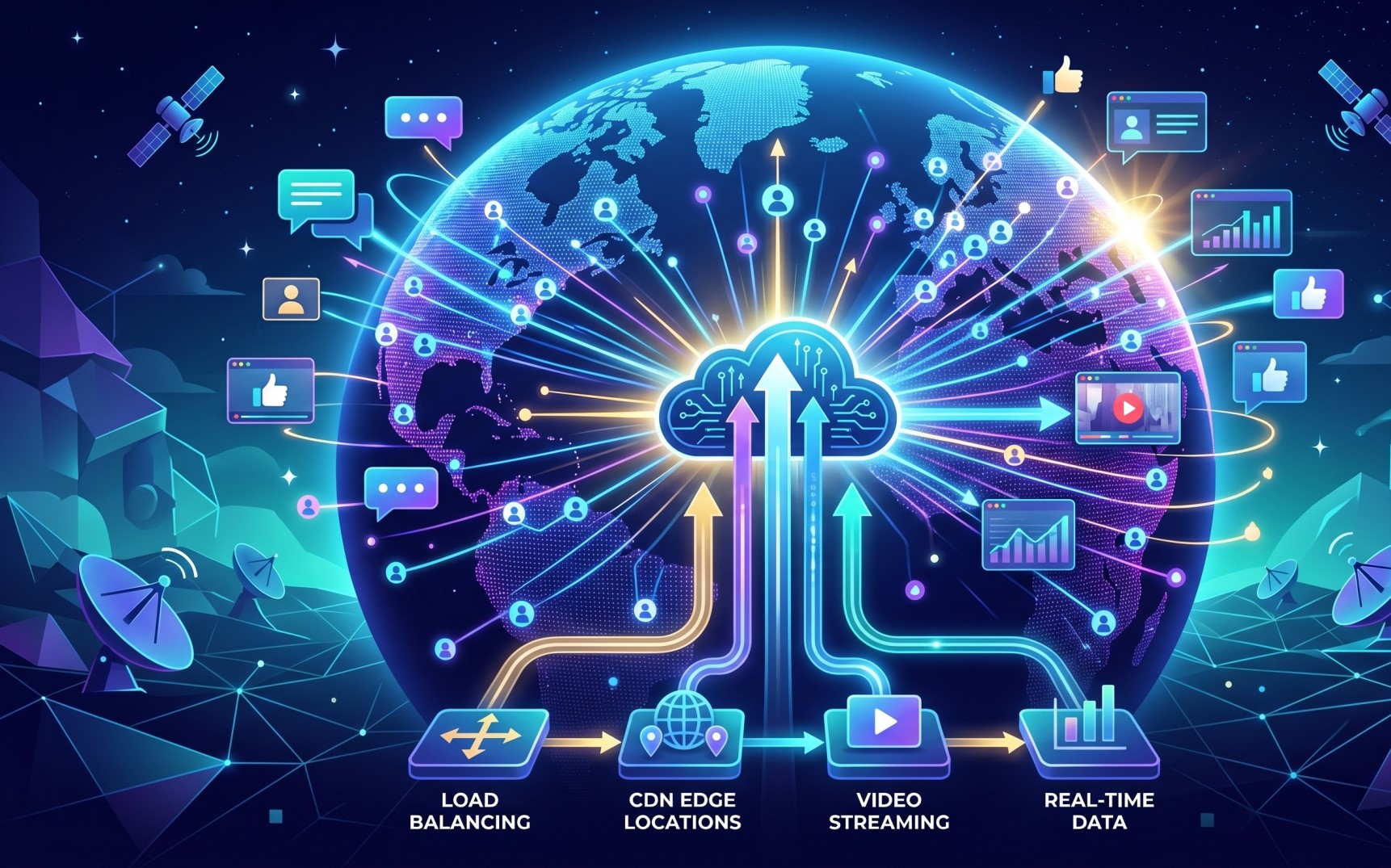
• Hybrid and virtual formats adding technical layers 🌐
• Manual scheduling of speakers, sessions, and suppliers 📅
• The need for rapid adjustments during live execution ⚡
2. Automating Registration and Attendee Operations 🗂️
• Adaptive registration paths tailored to attendee categories 🎯
• Automated confirmations, reminders, and real-time updates ✉️
• Instant badge creation and access permissions 🎟️
• Self-service dashboards for profile and session control 👤
• Significant reduction in administrative workload ⚙️
3. Optimizing Marketing and Communication Processes 📣
• Trigger-based email and notification automation 🔄
• Personalized outreach based on behavior and preferences ✨
• Automated segmentation of audience groups 📌
• Scheduled content deployment across digital channels 📆
• Consistent messaging without manual oversight 📢
4. Intelligent Agenda and Resource Coordination 🧠
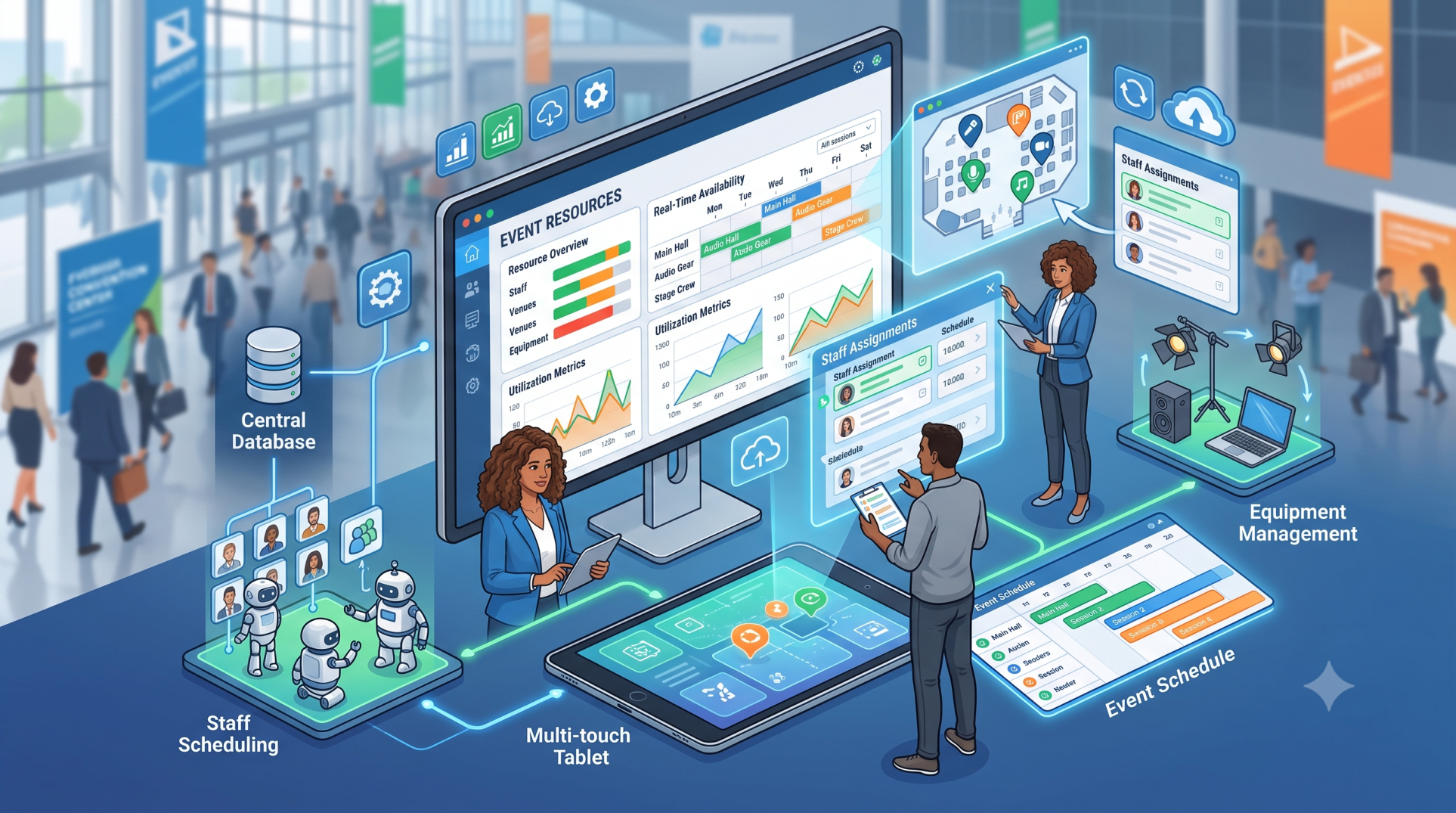
• Automated detection of speaker and session conflicts 🚫
• Smart allocation of rooms and capacity management 🏢
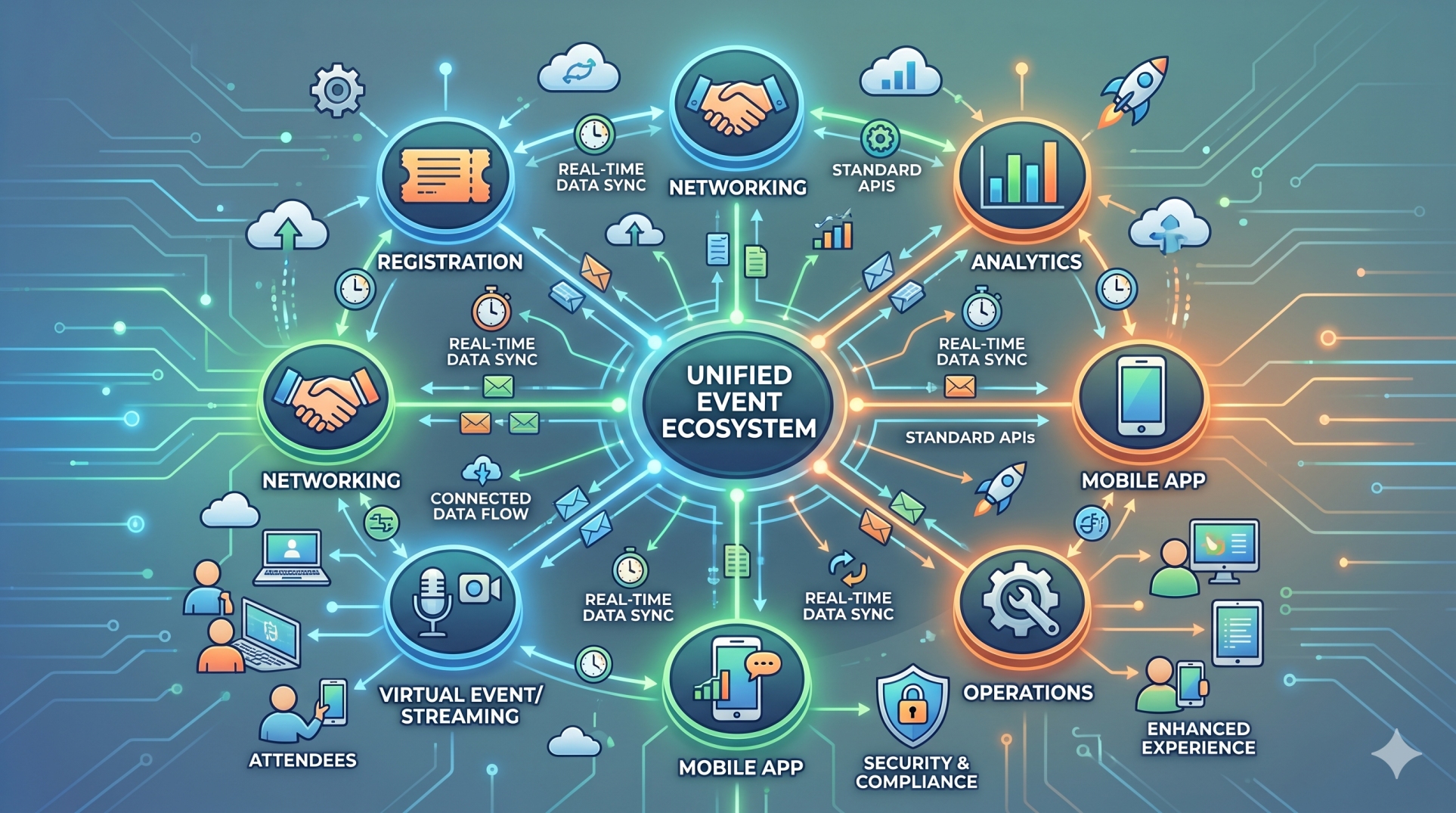
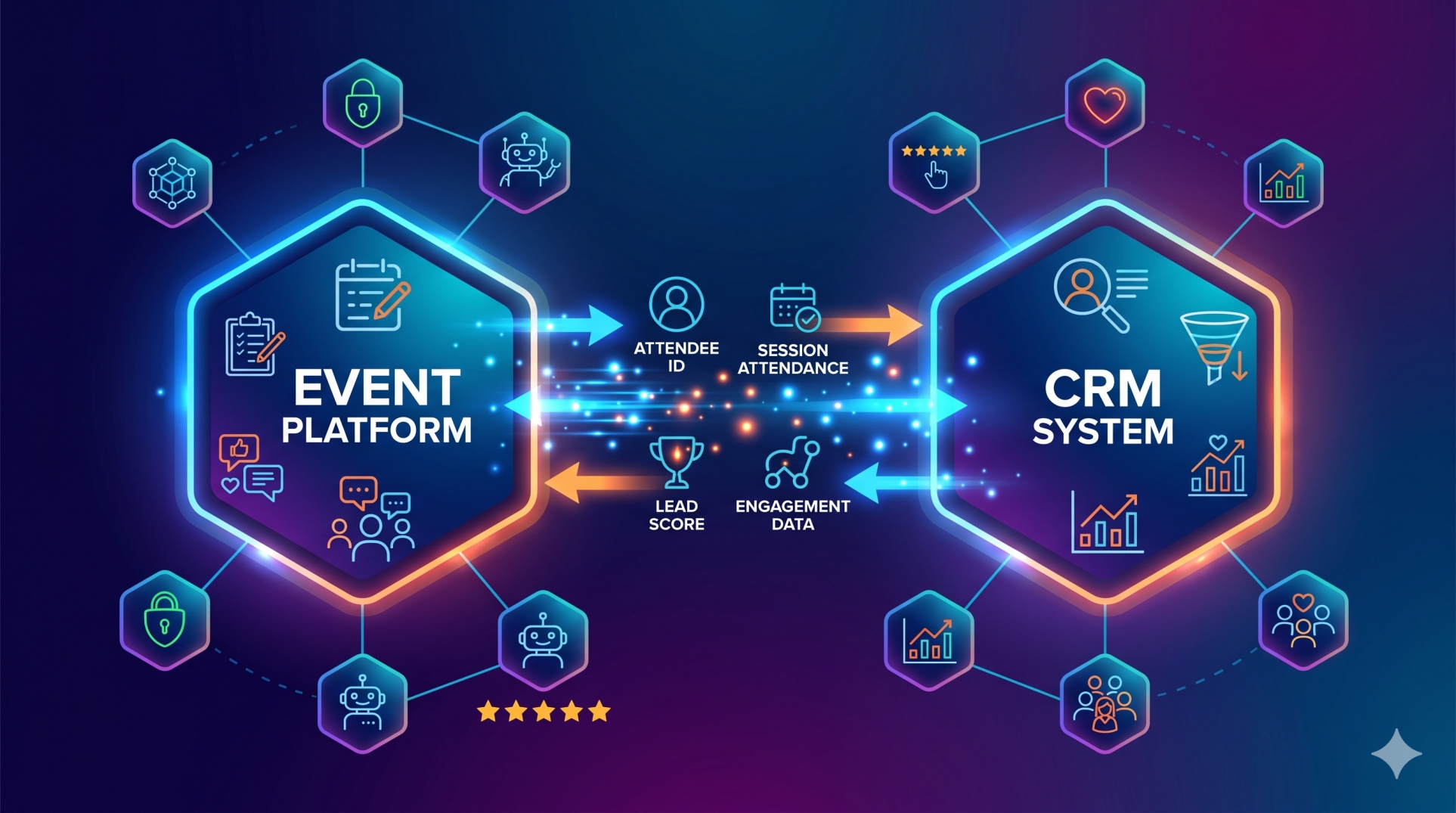
• Real-time synchronization across event platforms 🔗
• AI-supported session timing recommendations ⏱️
• Lower risk of logistical congestion and delays 🚦
5. Improving On-Site and Virtual Event Execution 🌐
• Streamlined digital check-in and access validation ✔️
• Live tracking of attendance and engagement levels 📈
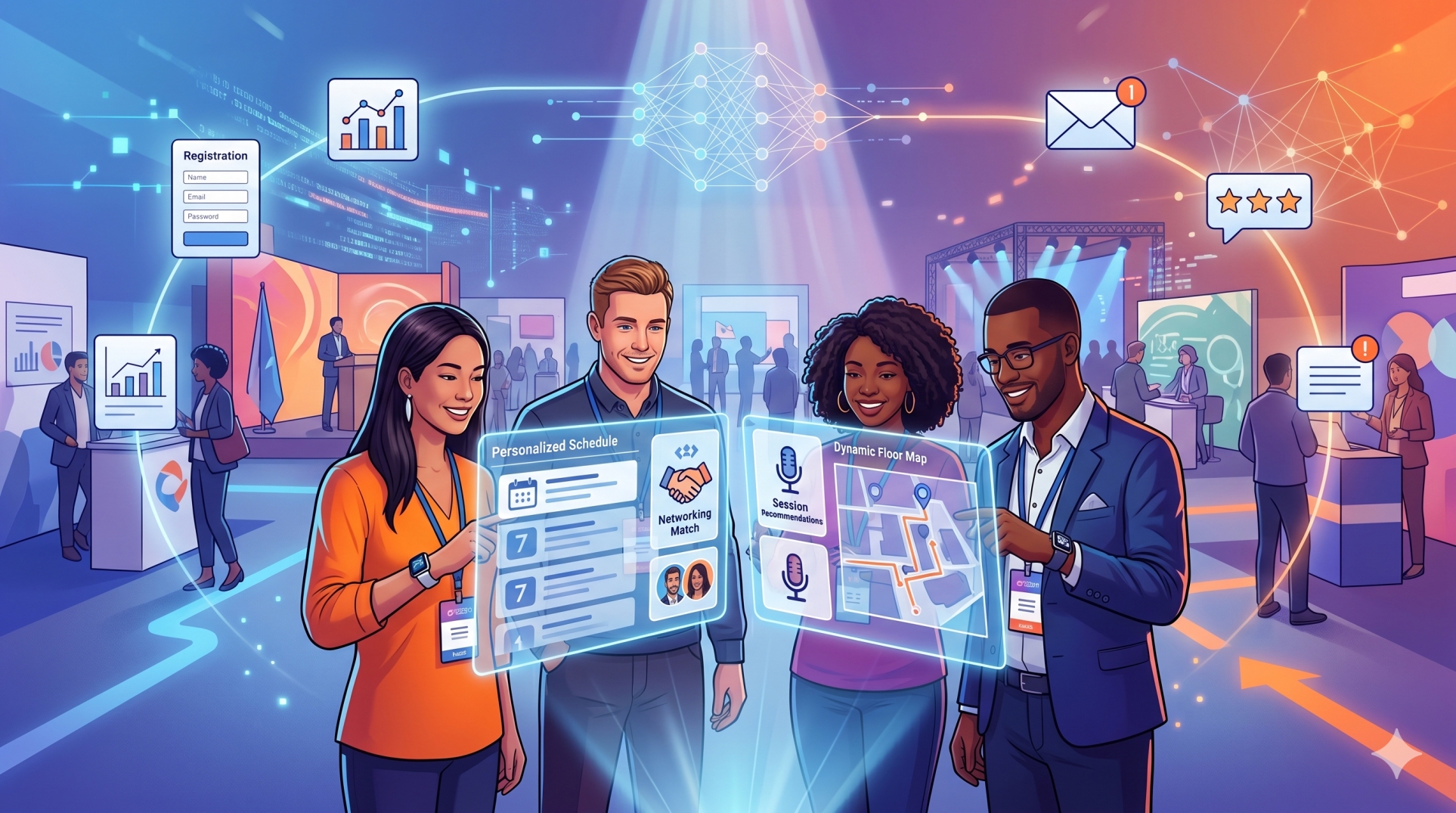
• Smart networking and attendee matchmaking 🤝
• Automated monitoring of virtual session quality 🎥
• Instant alerts for technical or operational issues 🚨
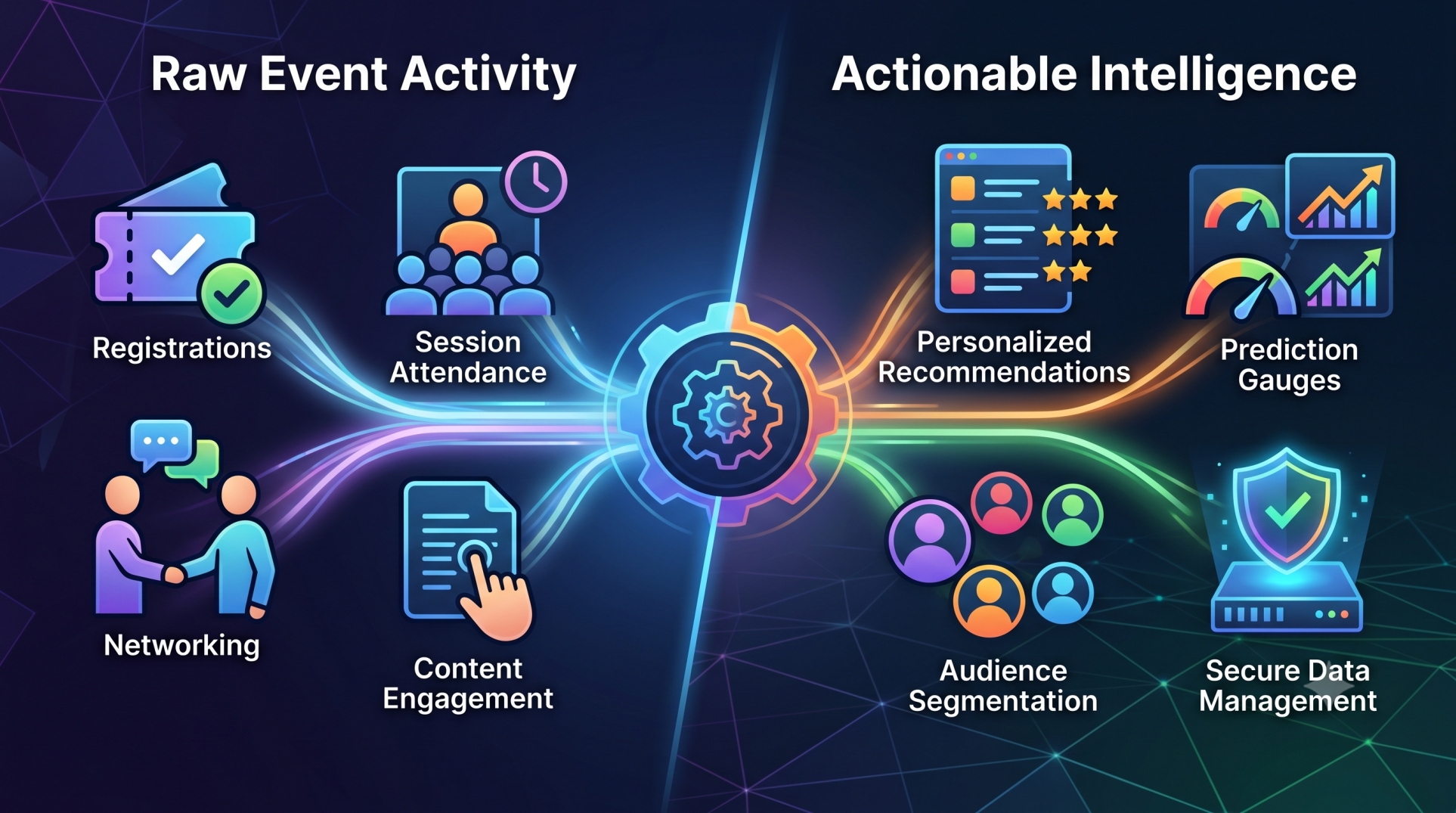
6. Enabling Real-Time Data and Insights 📊
• Ongoing capture of attendee engagement signals 📥
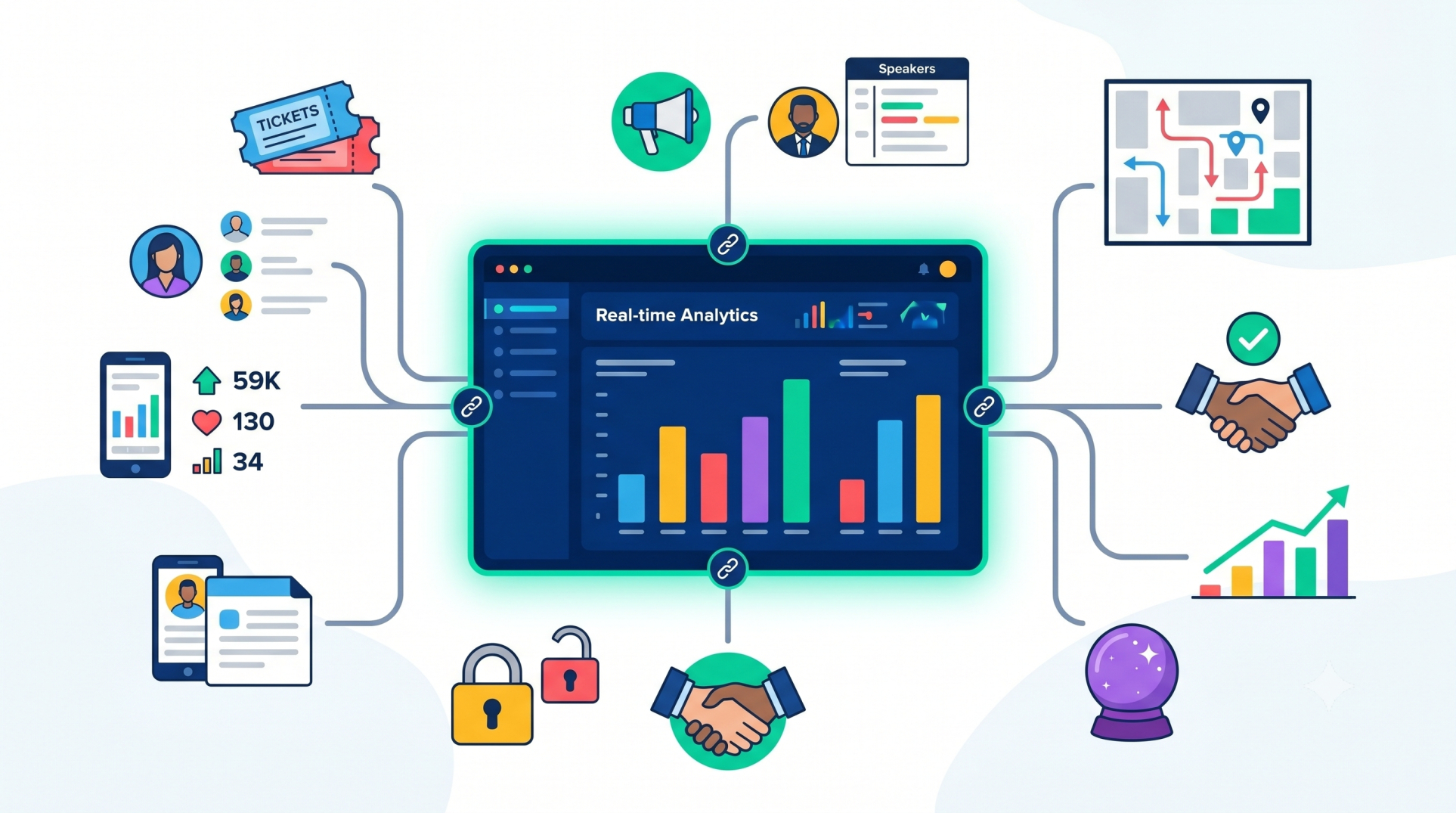
• Live dashboards for performance visibility 📉
• Automated distribution of feedback surveys 📝
• Engagement scoring and participation tracking 🎯
• Faster identification of areas requiring improvement 🔍
7. Maximizing Sponsorship and Revenue Opportunities 💼
• Automated tracking of sponsor visibility and exposure 👀
• Real-time analytics on booth visits and interactions 📈
• Intelligent recommendations for placements and ads 📢
• Streamlined invoicing and contract management workflows 📄
• Data-driven reporting to demonstrate sponsor value 💡
8. Strategic Advantages of Intelligent Automation 🚀
• Lower operational overhead and reduced human error 📉
• Scalable growth without proportional cost expansion 📦
• Faster, data-backed decision-making ⚡
• More time for teams to focus on strategy and experience innovation 🎨
Final Thoughts 🏁
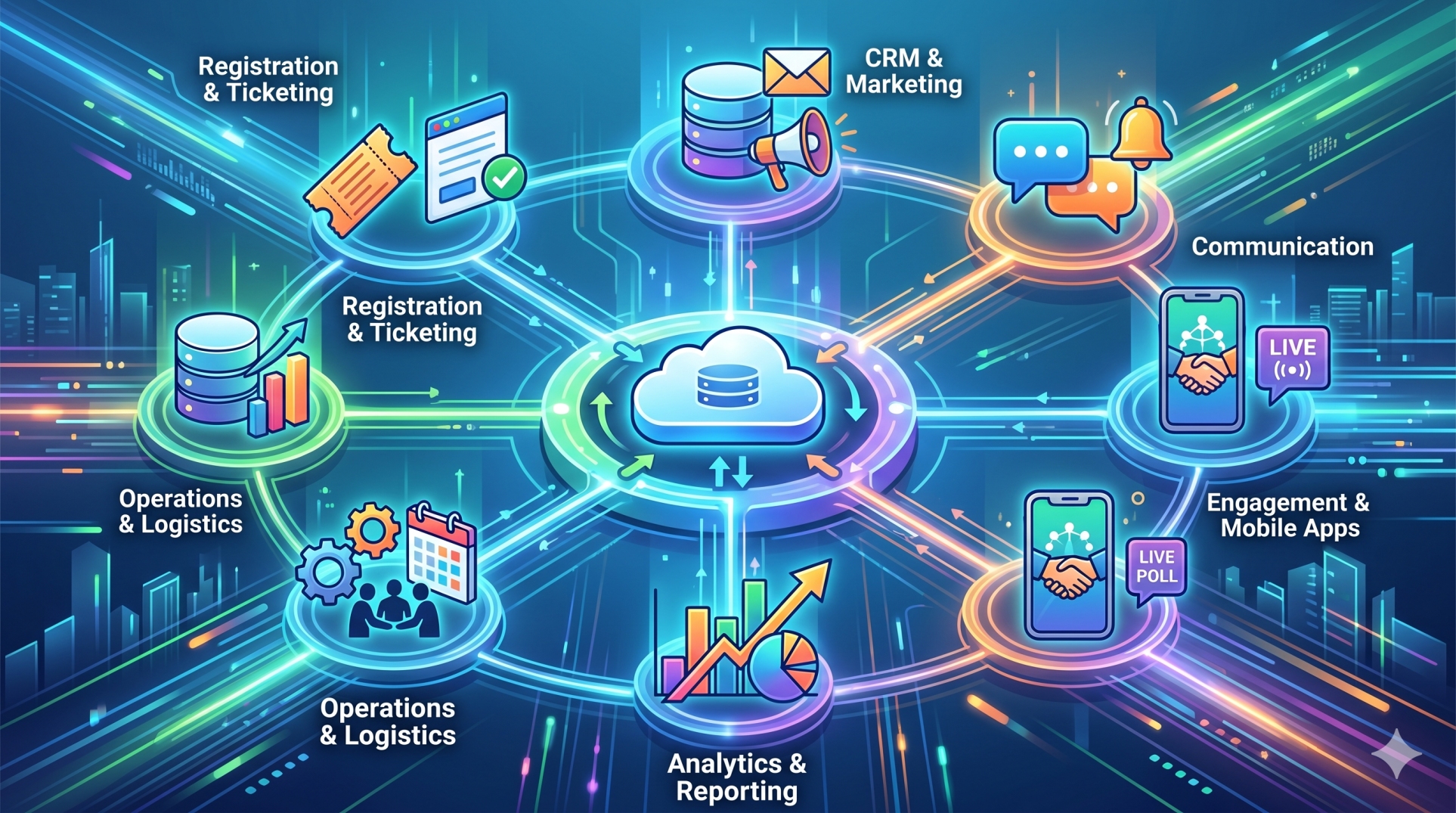
As events become increasingly digital, interconnected, and data-driven, manual management approaches are no longer sustainable. Intelligent automation reshapes event operations by minimizing friction, increasing accuracy, and supporting scalable expansion. By automating processes across registration, marketing, logistics, and analytics, organizations can deliver seamless experiences while preserving operational control and long-term strategic focus.
See more blogs
You can all the articles below

































Ready to Find Your Perfect Solution?
Let us show you how Event Software can transform your events

AI-powered event management platform that helps you create stunning events .