Building Trust in Virtual and Hybrid Events

Building Trust in Virtual and Hybrid Events
As virtual and hybrid events become a long-term component of modern business strategy, trust has become a central success factor. In physical environments, credibility often develops naturally through presence and shared space. In digital settings, however, trust must be intentionally built through transparency, reliability, and thoughtful experience design. Organizations that prioritize trust cultivate stronger engagement, higher participation, and lasting audience loyalty.
Step 1: Establish Clear Communication from the Start 📢
• Share transparent details about the event format, schedule, and access process 🔍
• Clearly define technical requirements and participation expectations 🖥️
• Set clear guidelines around networking and interaction opportunities 🤝
• Provide timely updates before and throughout the event 📅
• Reduce uncertainty through proactive and consistent messaging ✉️
Step 2: Ensure Technical Reliability ⚙️
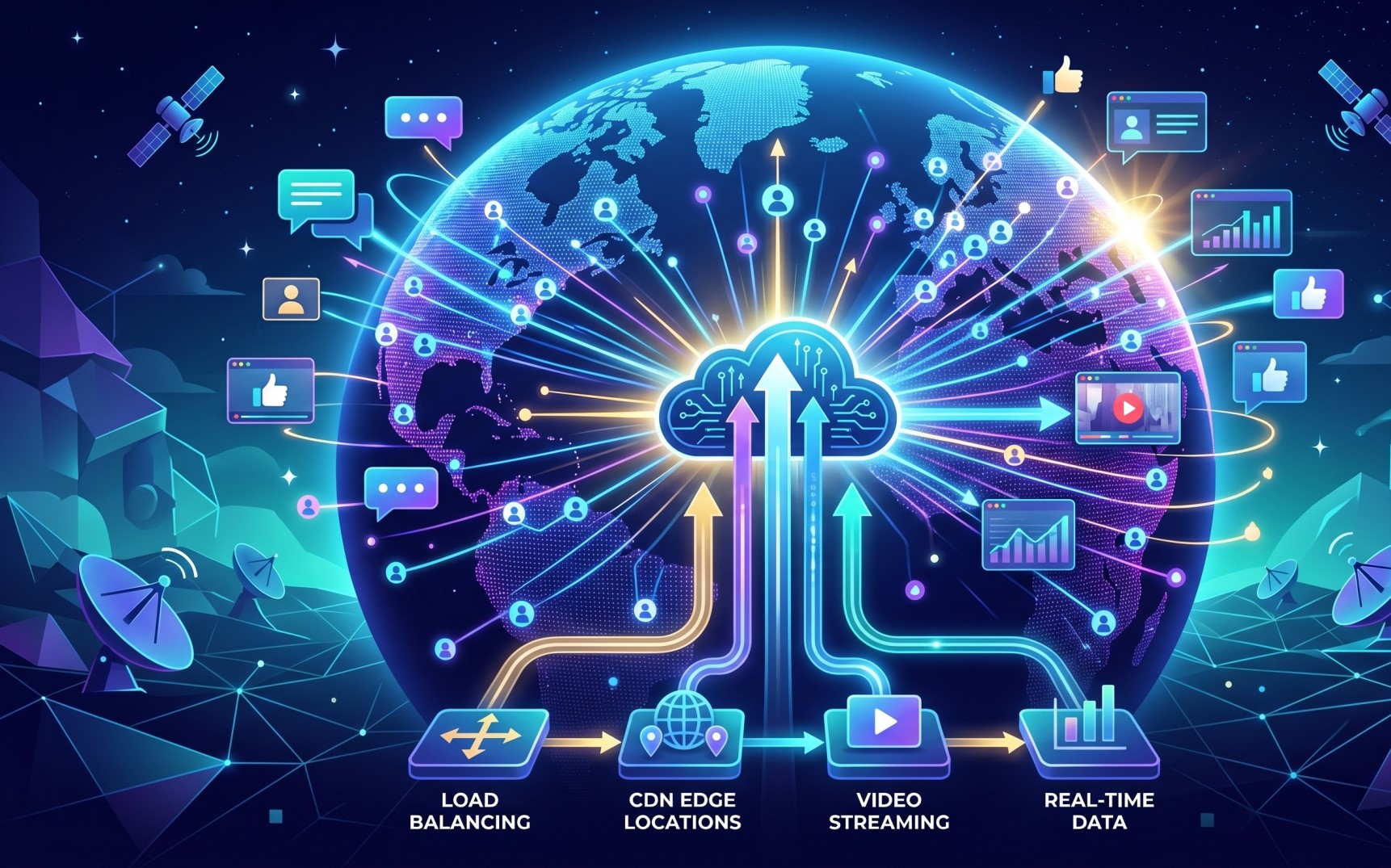
• Select stable and scalable event technology platforms 🌐
• Test streaming quality, audio clarity, and engagement tools in advance 🎥
• Prepare contingency plans for mission-critical sessions 🔄
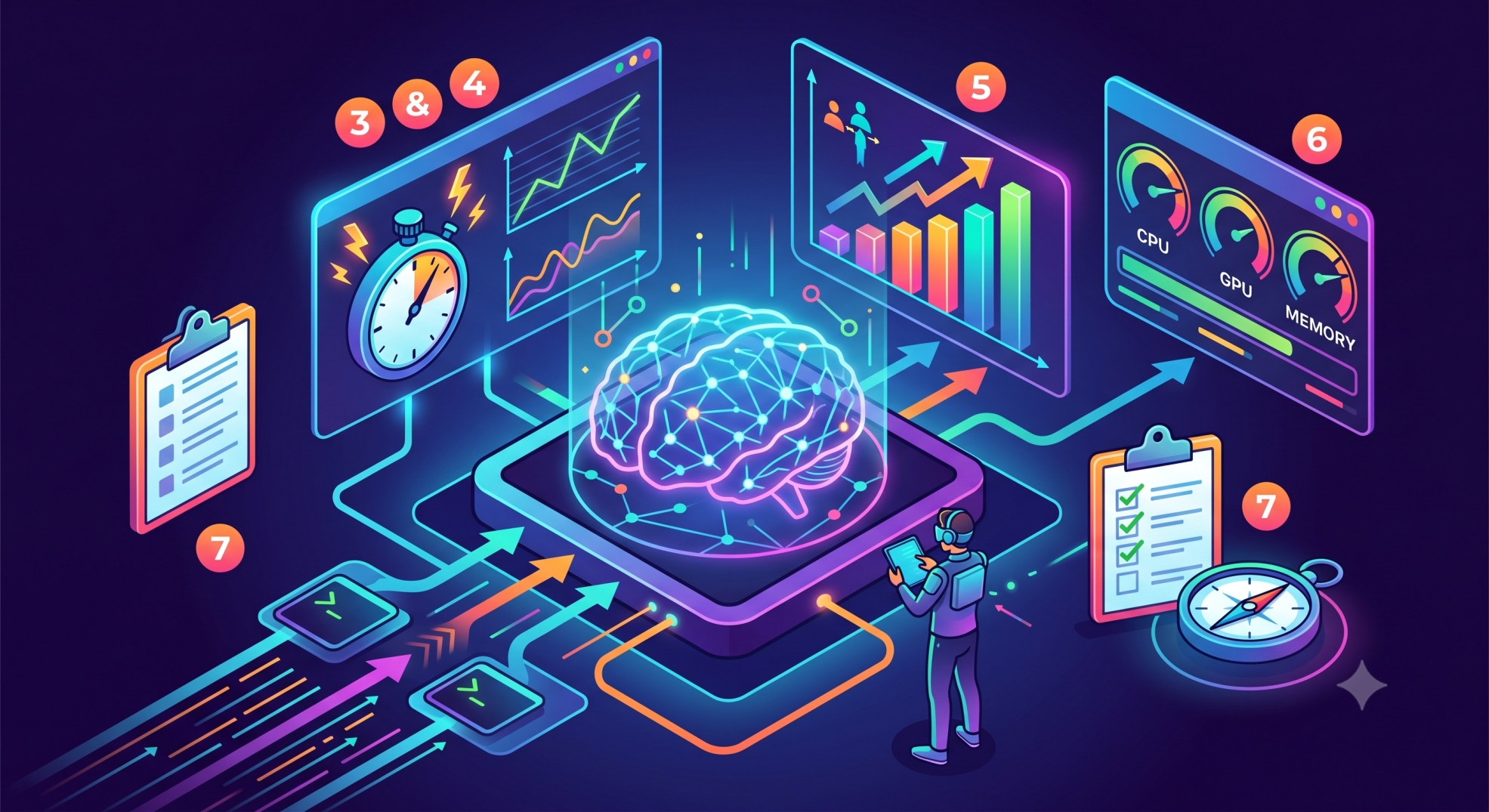
• Minimize latency and performance interruptions ⏱️
• Offer accessible real-time technical assistance 👩💻
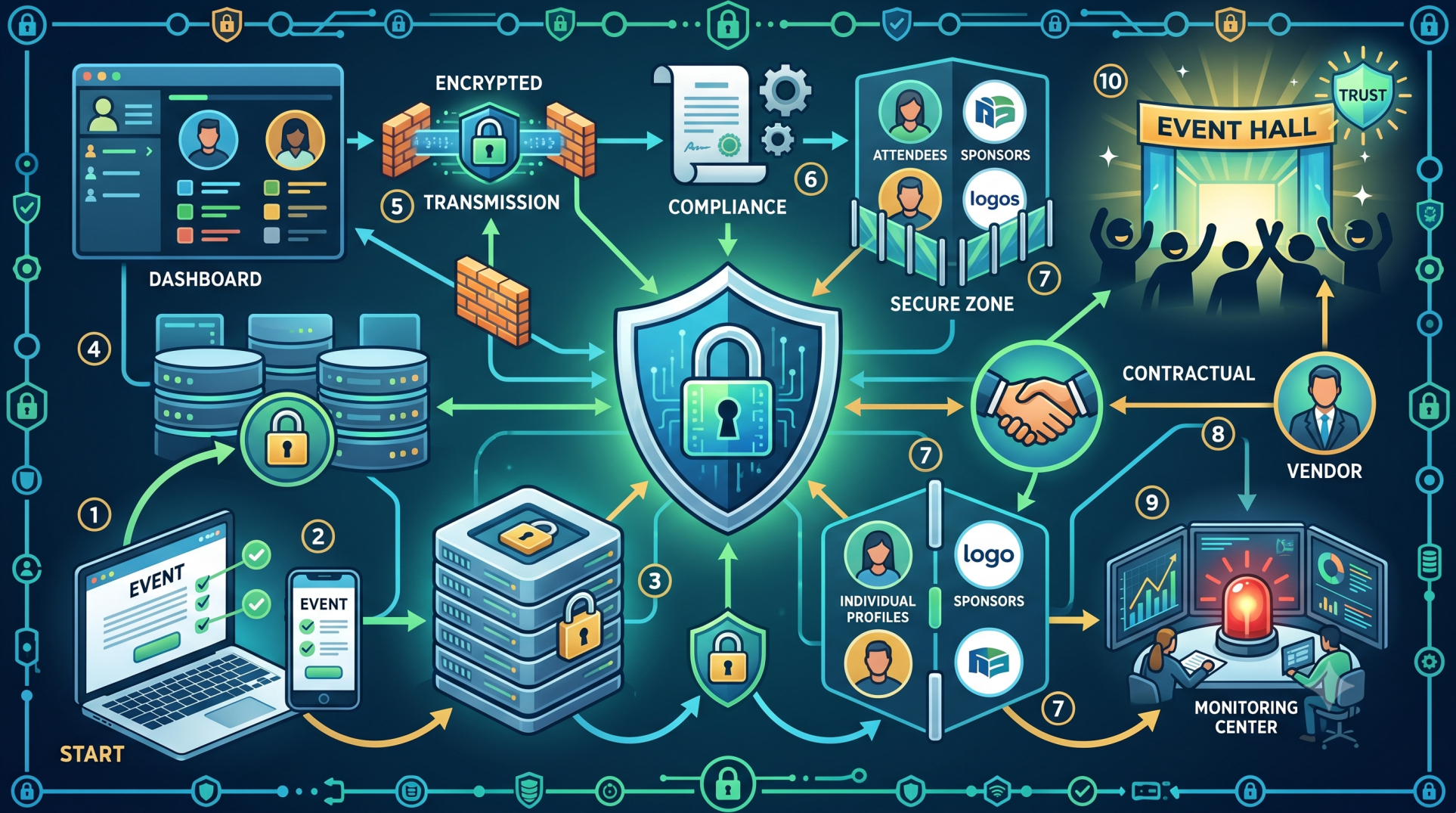
Step 3: Protect Data and Privacy 🔐
• Clearly communicate how attendee information will be collected and used 📄
• Implement robust cybersecurity and data protection measures 🛡️
• Comply with applicable data protection regulations ⚖️
• Limit data collection to what is necessary and relevant 📊
• Be transparent about recording policies and content distribution 🎬
Step 4: Deliver Consistent Content Quality 🎤
• Carefully curate speakers and session topics 🎯
• Align programming with audience expectations and interests 📚
• Avoid overcrowded agendas filled with low-impact sessions 🚫
• Maintain professional production standards throughout the event 🎥
• Ensure consistency in messaging across formats and channels 📣
Step 5: Enable Authentic Engagement 💬
• Create meaningful networking opportunities for participants 🤝
• Encourage live interaction through Q&A, polls, and discussions 🎙️
• Moderate conversations to maintain respectful and productive dialogue 🧭
• Avoid artificial or forced engagement mechanics 🚫
• Foster genuine conversations instead of passive content consumption 🗣️
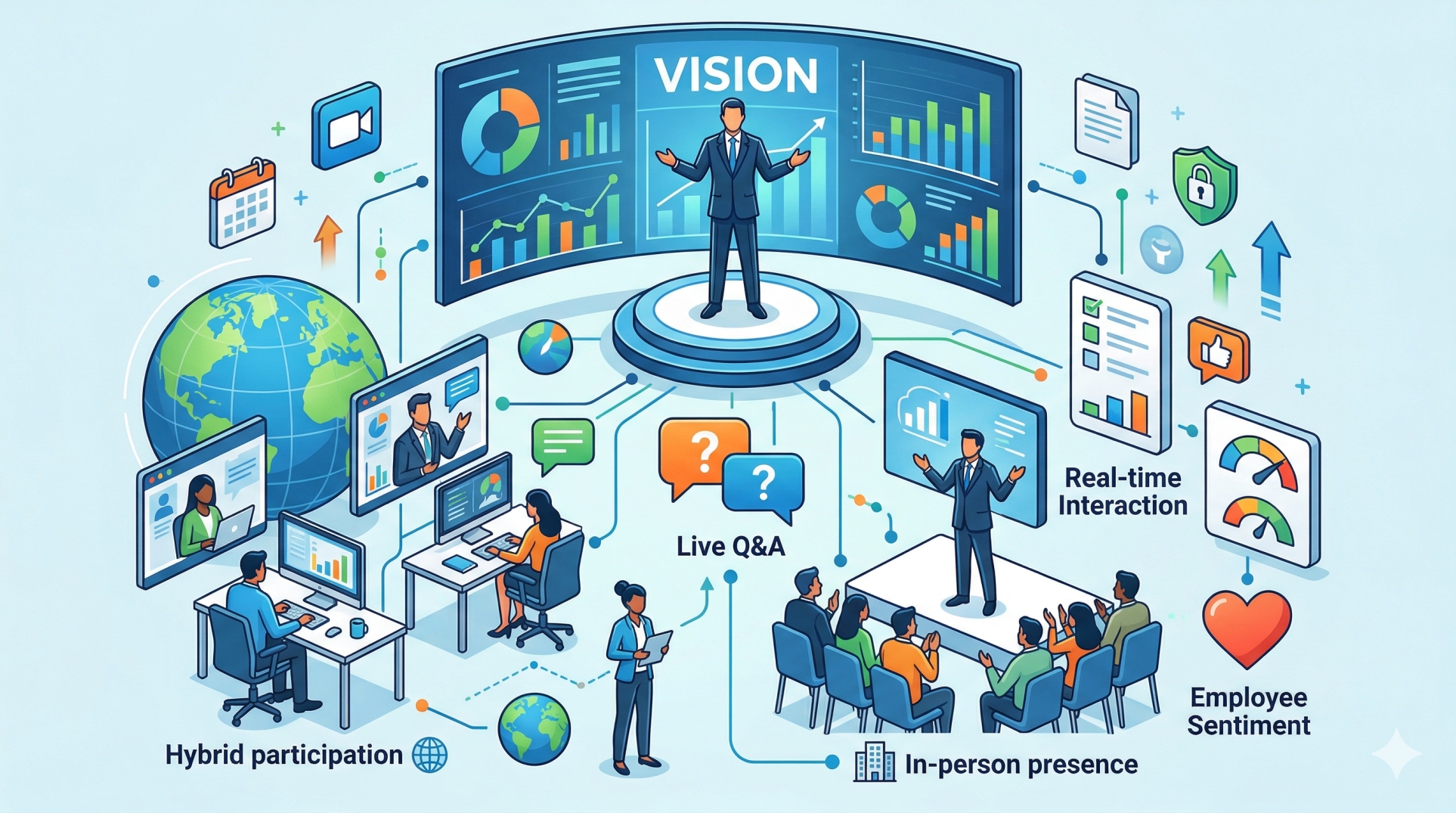
Step 6: Balance the Hybrid Experience ⚖️
• Deliver equal value to virtual and in-person participants 🌍
• Avoid prioritizing physical attendees at the expense of remote audiences 🚫
• Synchronize programming across both formats seamlessly 🔄
• Provide shared access to content, networking, and discussions 🔗
• Design sessions intentionally for dual-format delivery 🎥
Step 7: Maintain Transparency and Accountability 📊
• Acknowledge technical disruptions openly when they arise ⚠️
• Communicate schedule changes promptly and clearly 📢
• Set realistic expectations around performance and delivery 🎯
• Provide comprehensive post-event reporting and summaries 📑
• Actively collect and respond to attendee feedback 🔄
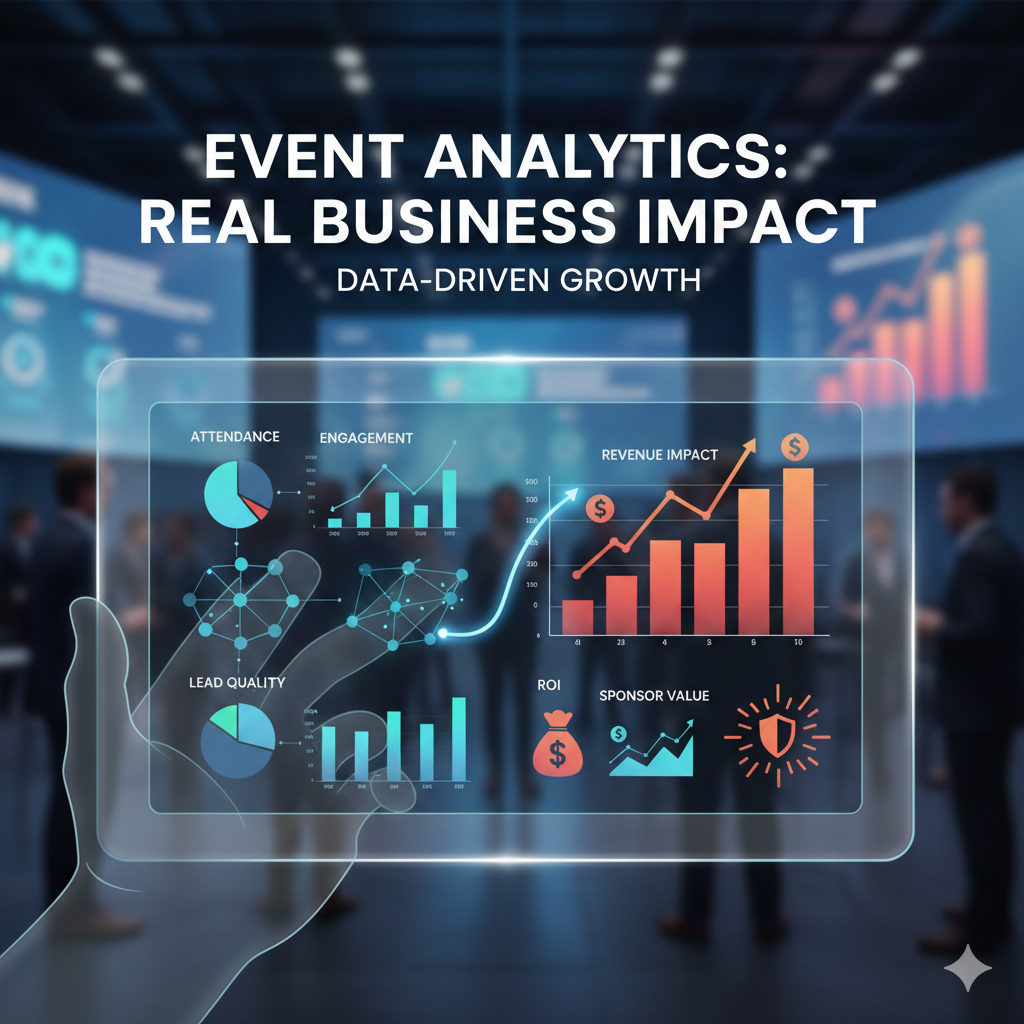
Step 8: Reinforce Trust Through Measurable Outcomes 📈
• Demonstrate clear value and return on participation 💡
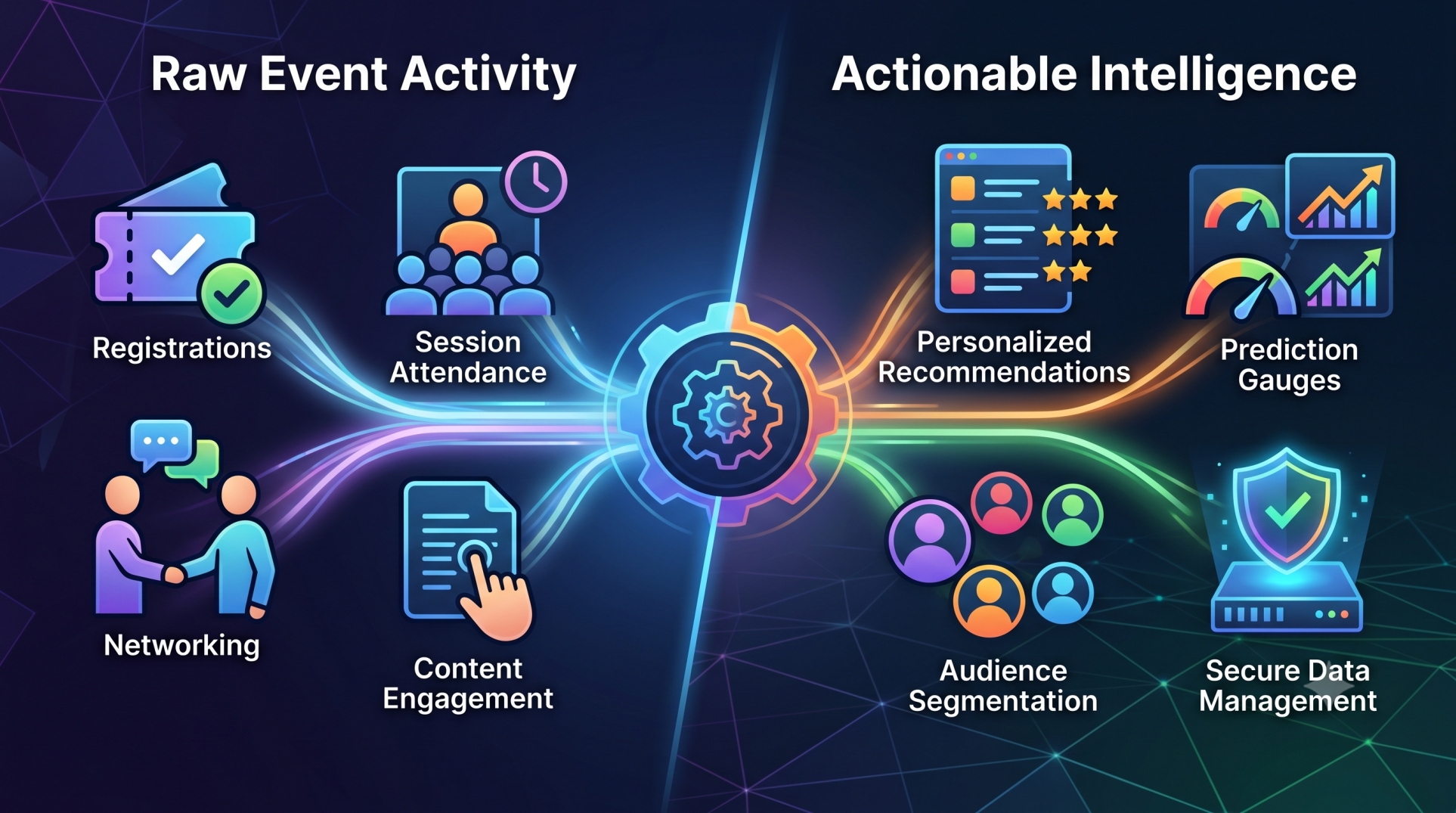
• Share engagement insights and performance metrics transparently 📊
• Consistently deliver on commitments made before the event ✔️
• Align outcomes with attendee objectives and expectations 🎯
Conclusion
Trust is the cornerstone of successful virtual and hybrid events. When organizations combine technical dependability, transparent communication, meaningful engagement, and measurable results, they create digital experiences participants can rely on. By embedding trust into both strategy and execution, virtual and hybrid events become powerful platforms for sustained relationships and long-term business growth.
See more blogs
You can all the articles below







































Ready to Find Your Perfect Solution?
Let us show you how Event Software can transform your events

AI-powered event management platform that helps you create stunning events .