Building an Event Technology Ecosystem That Scales

Building an Event Technology Ecosystem That Scales
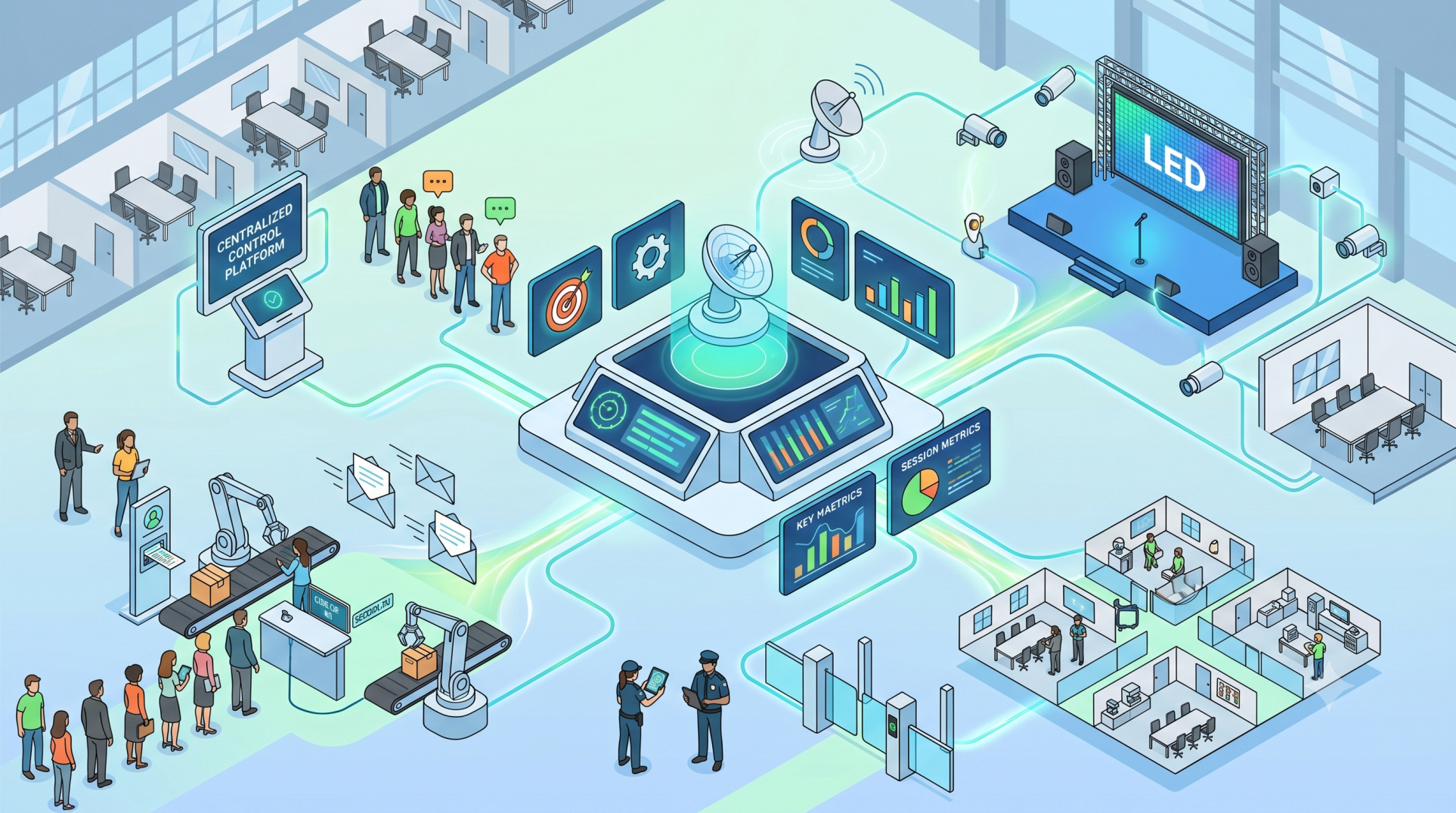
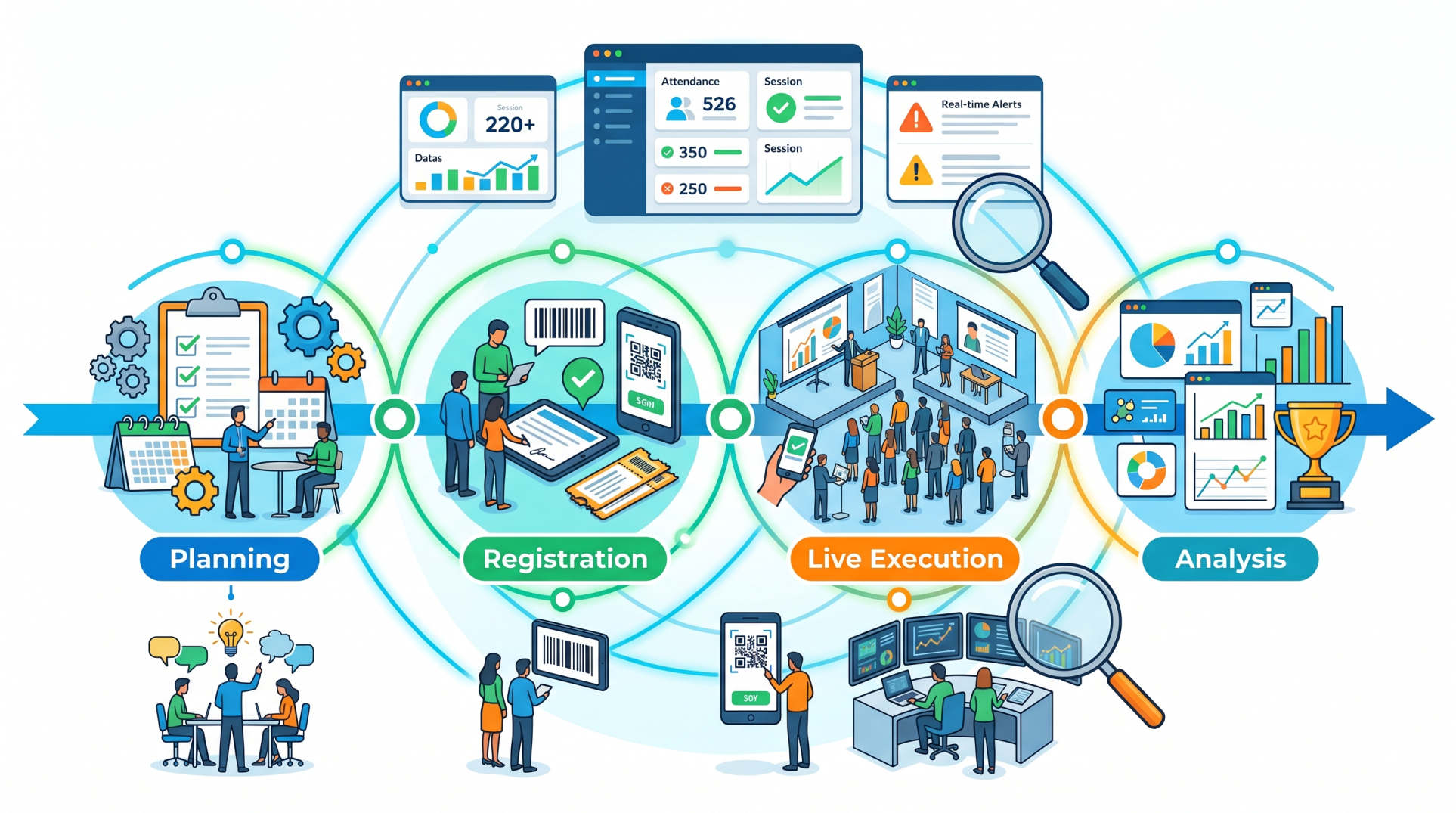
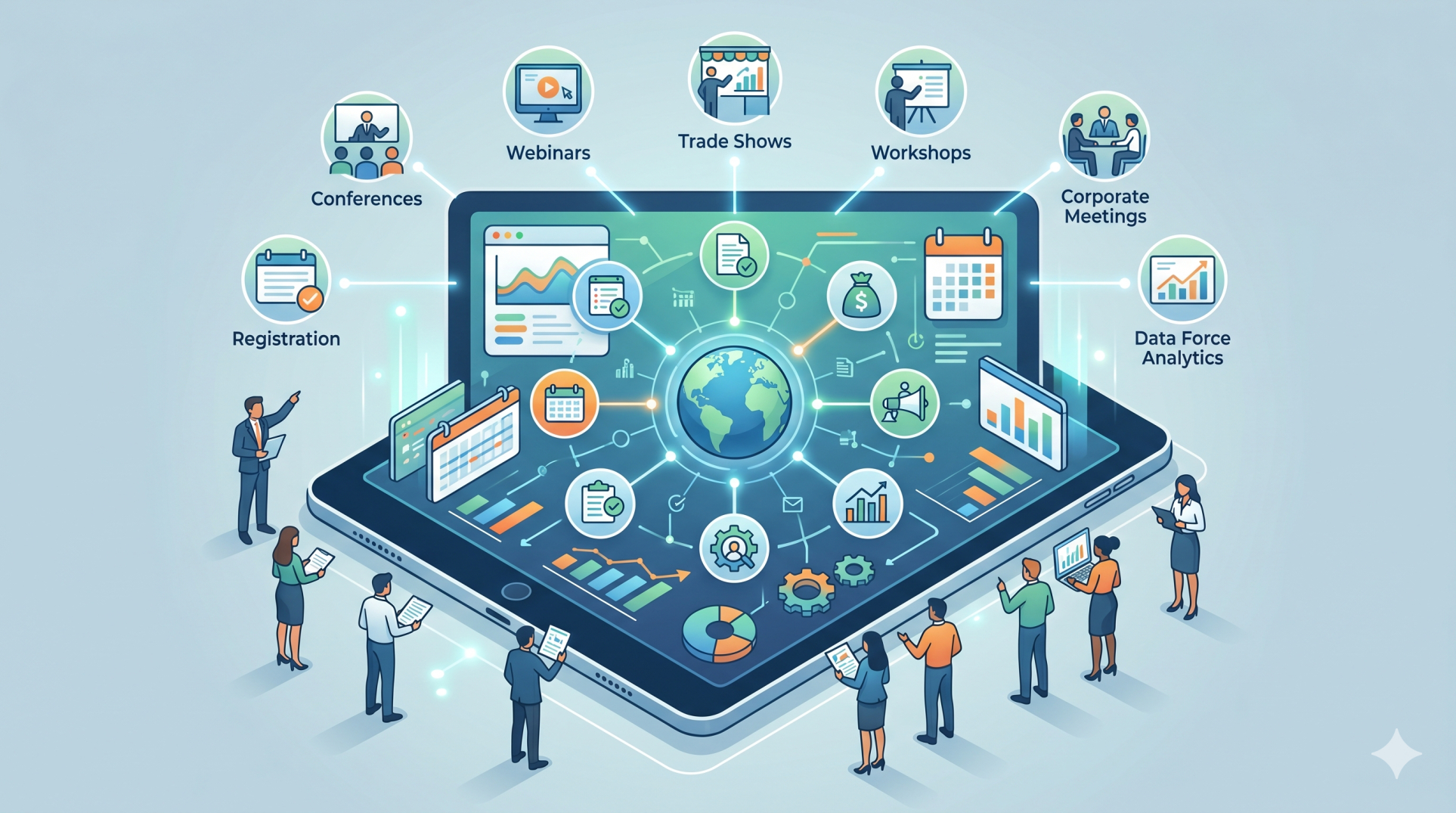
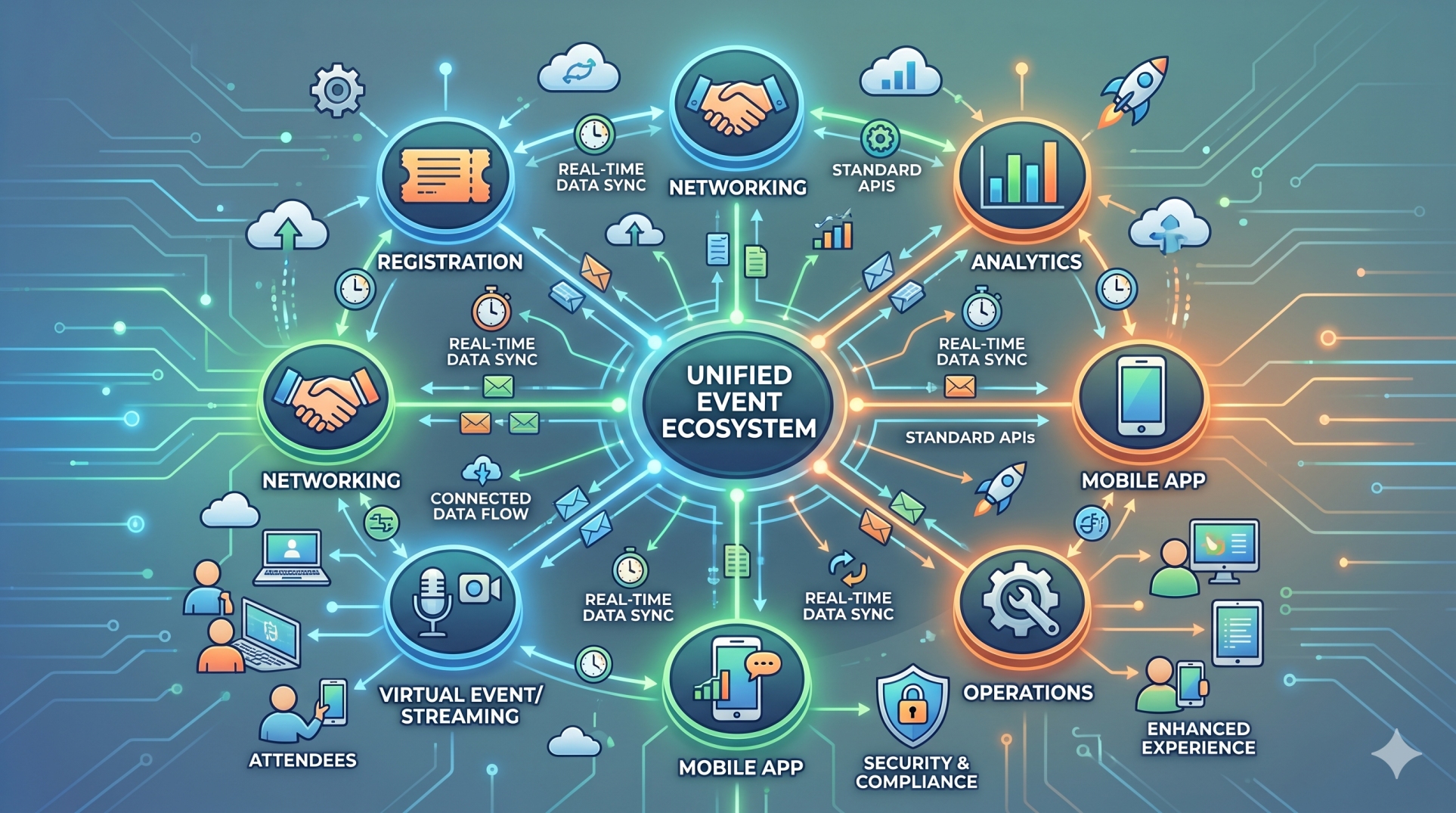
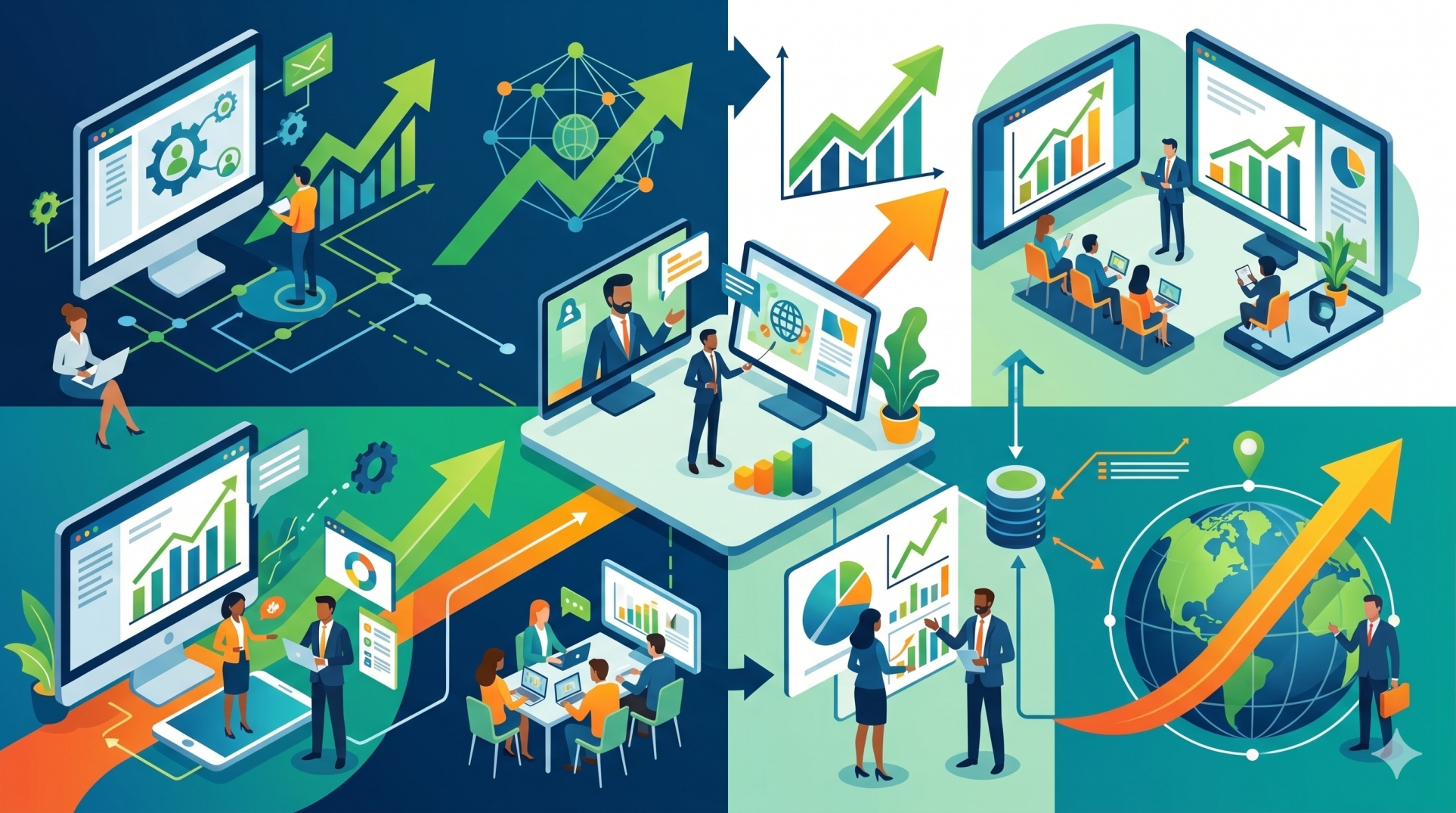
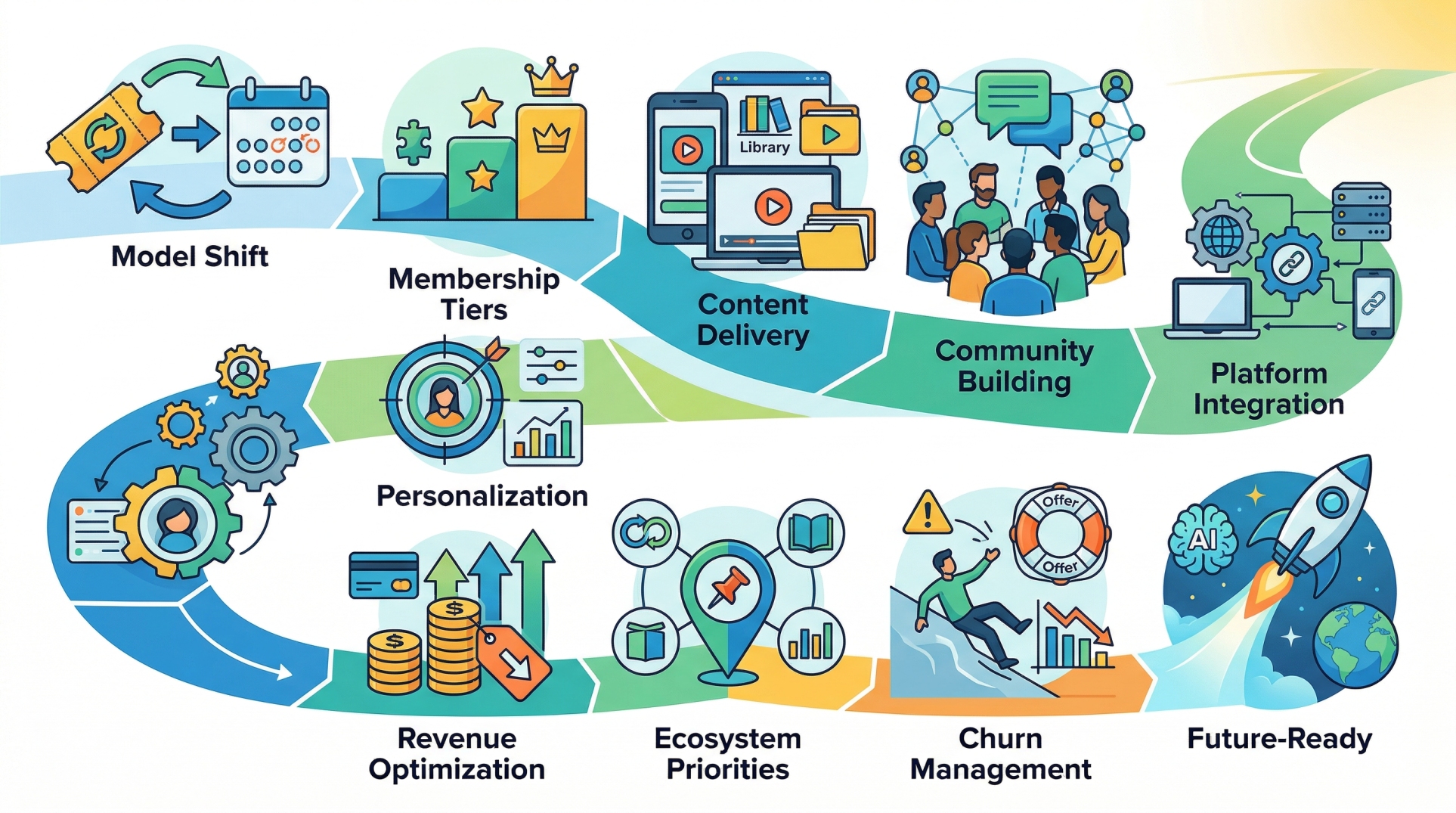
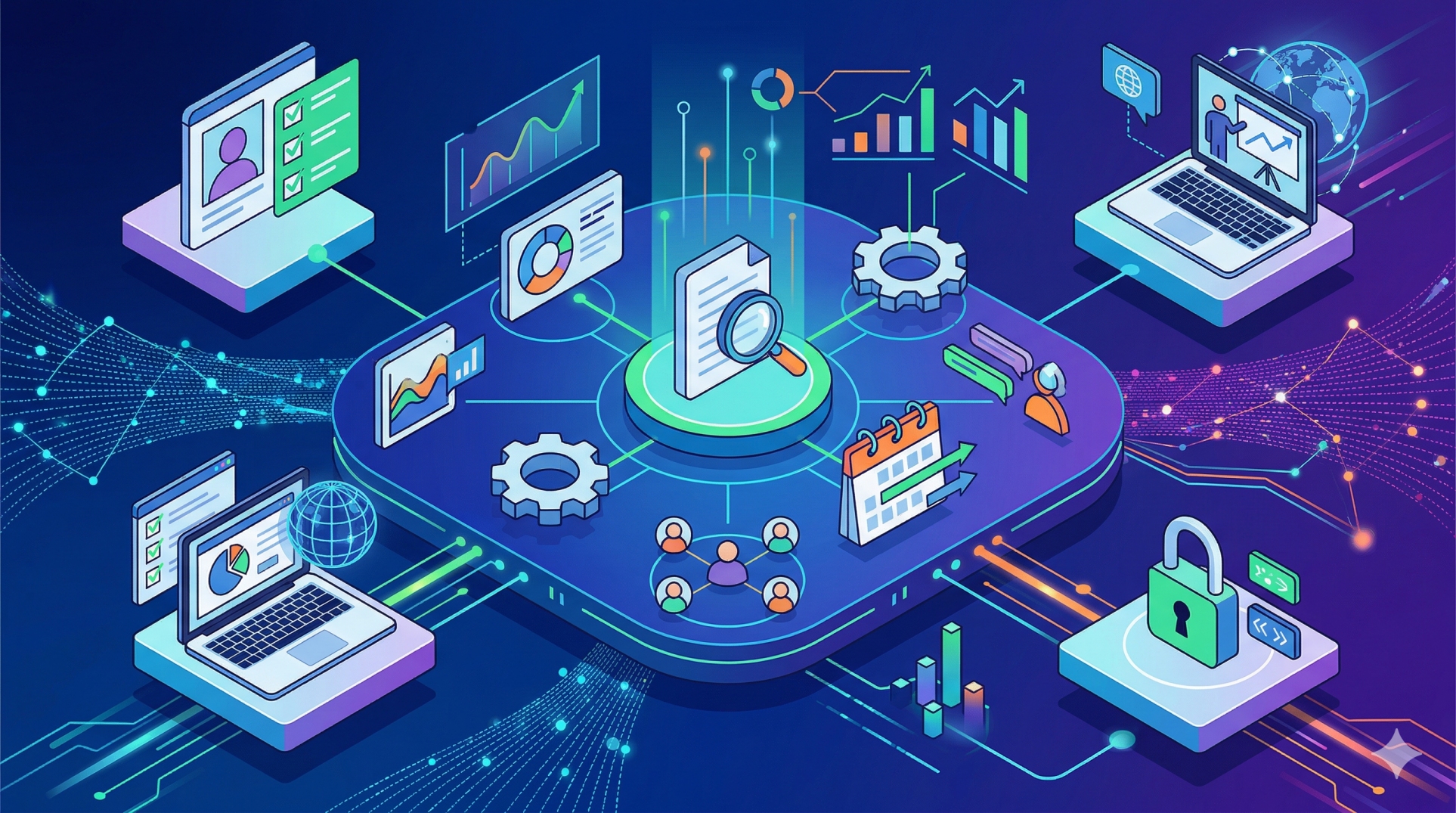
As events expand in scale, complexity, and global reach, organizations need more than a single application to manage their operations. A scalable event technology ecosystem brings together multiple interconnected tools that support planning, audience engagement, analytics, and long-term relationship management. Instead of relying on isolated systems, a connected ecosystem allows organizations to streamline operations, adapt to growth, and deliver consistent event experiences across multiple formats and programs.
Step 1: Understanding the Need for an Event Technology Ecosystem 🌐
• Modern events involve diverse stakeholders, platforms, and data streams 🤝
• Individual tools cannot effectively manage the entire event lifecycle ⚙️
• Integrated systems enable smoother planning, execution, and follow-up activities 🔄
• Technology ecosystems allow capabilities to evolve as event programs grow 📈
• A coordinated platform strategy reduces operational complexity and inefficiencies 🧩
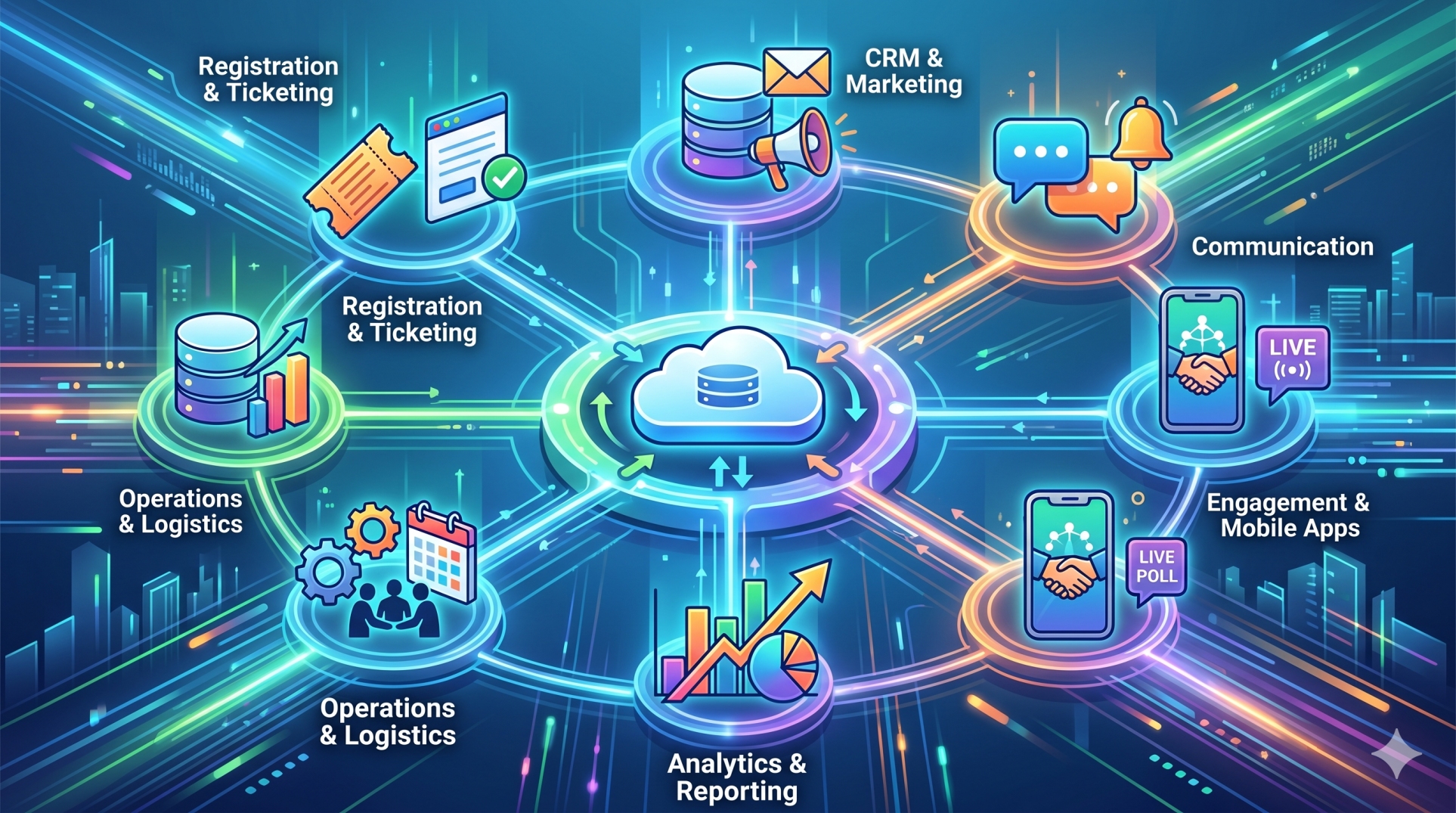
Step 2: Core Components of an Event Technology Stack 🗂️
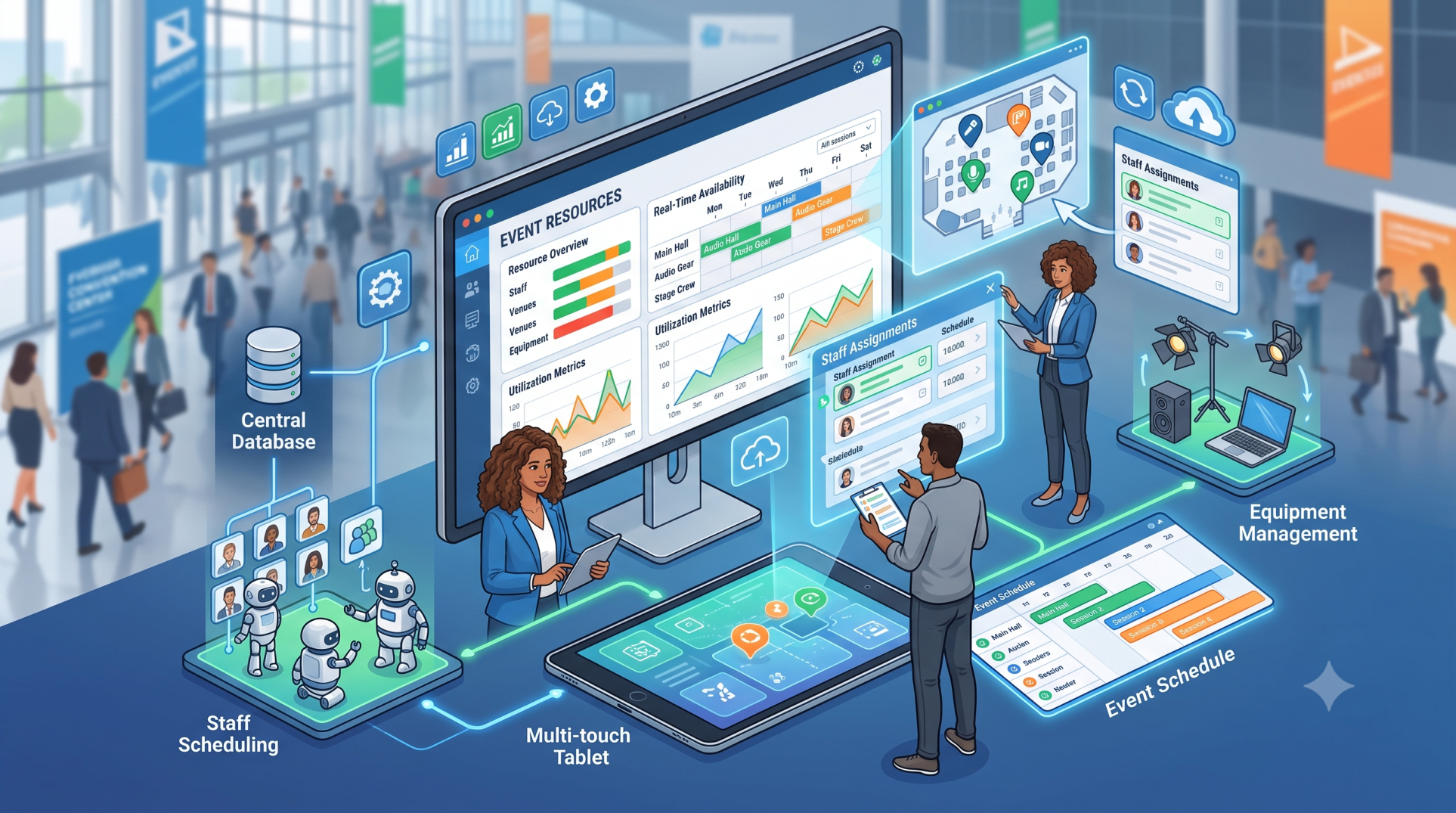
• Event management platforms handle registration, scheduling, and logistics 📋
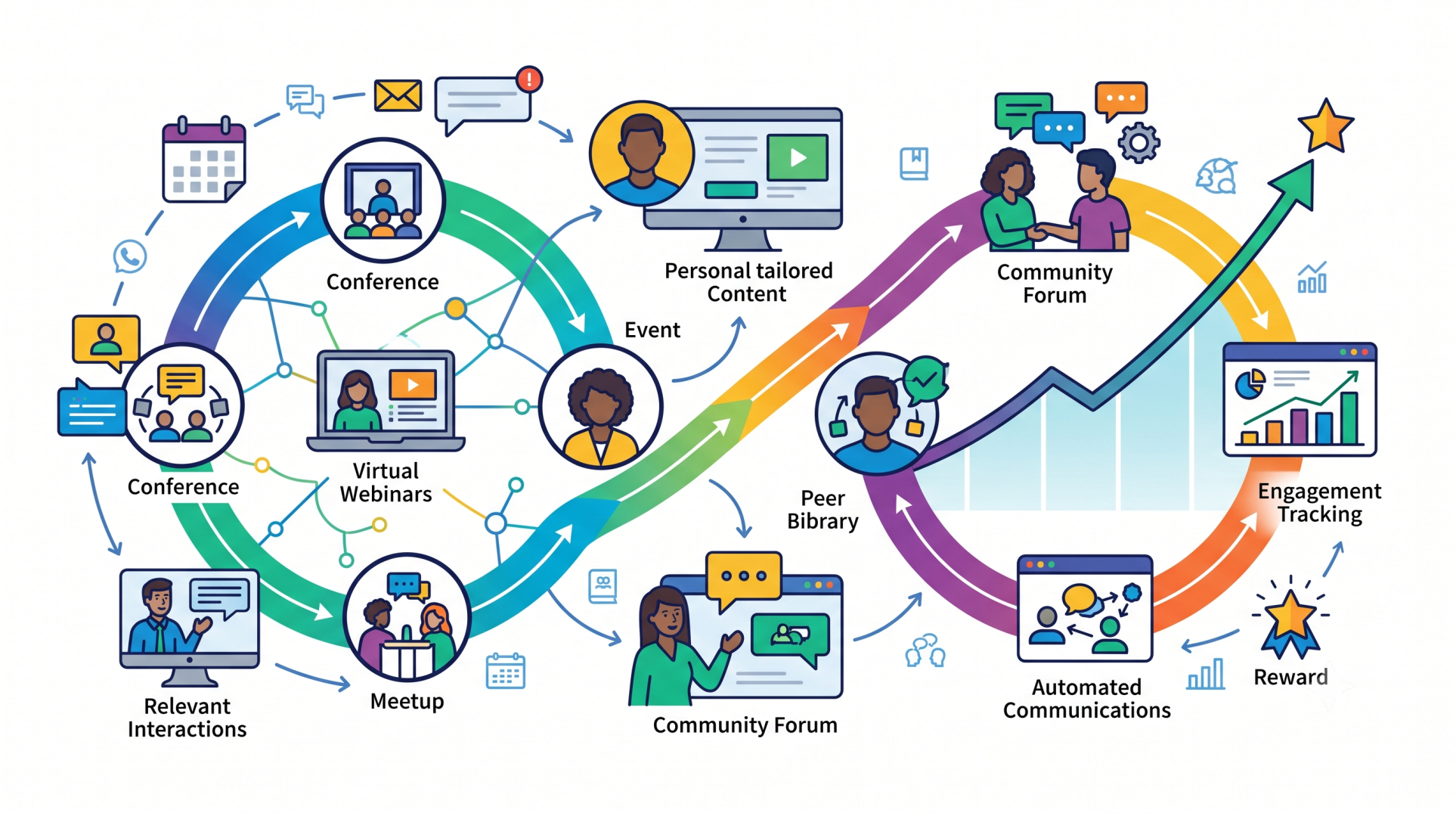
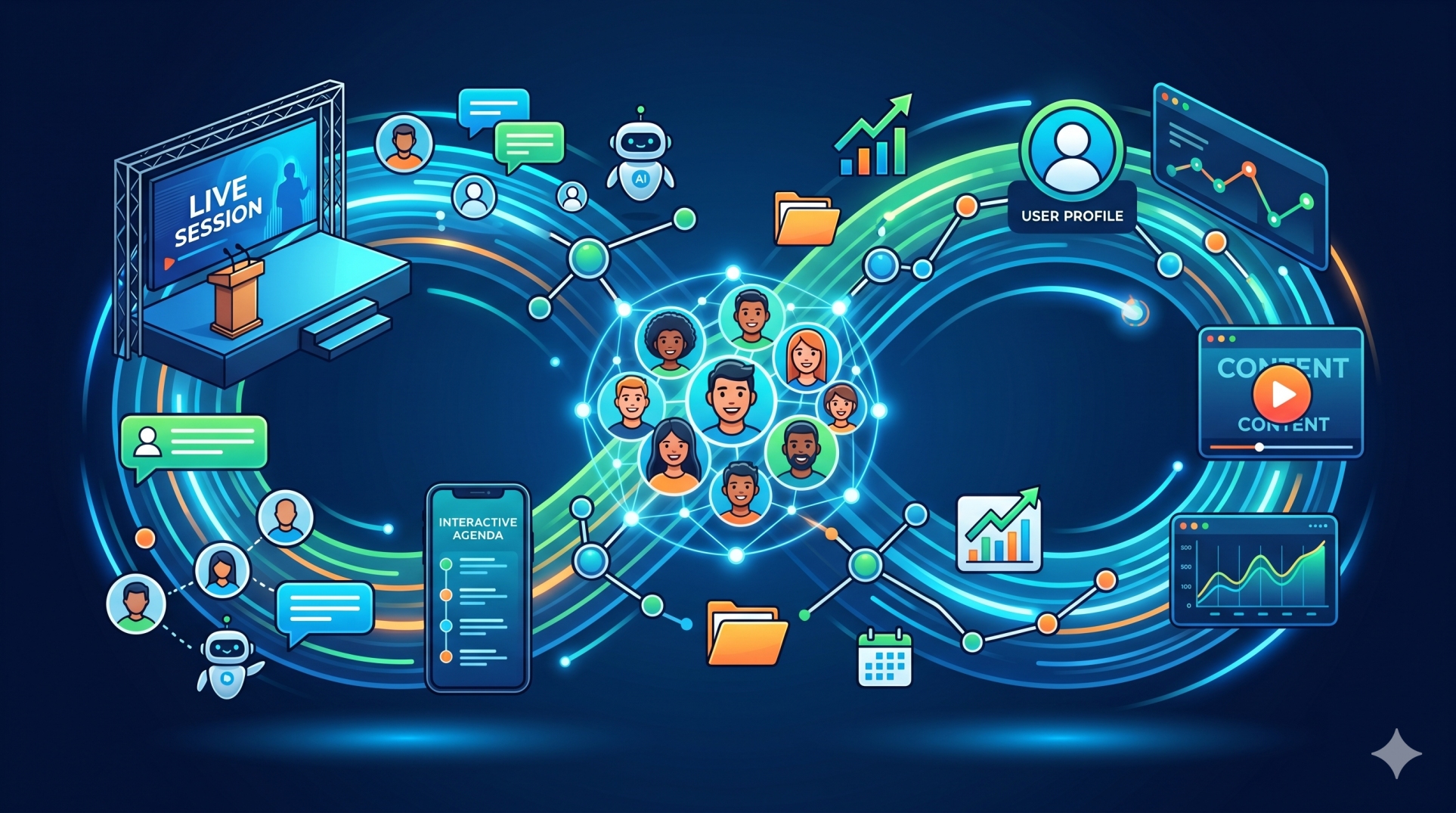
• Engagement tools enable networking, live interaction, and audience participation 💬
• Content management systems host recordings and digital session materials 📚
• Marketing automation platforms support promotion and attendee communication 📢
• Analytics tools measure participation levels and engagement outcomes 📊
Step 3: Integration Across Systems and Platforms 🔗
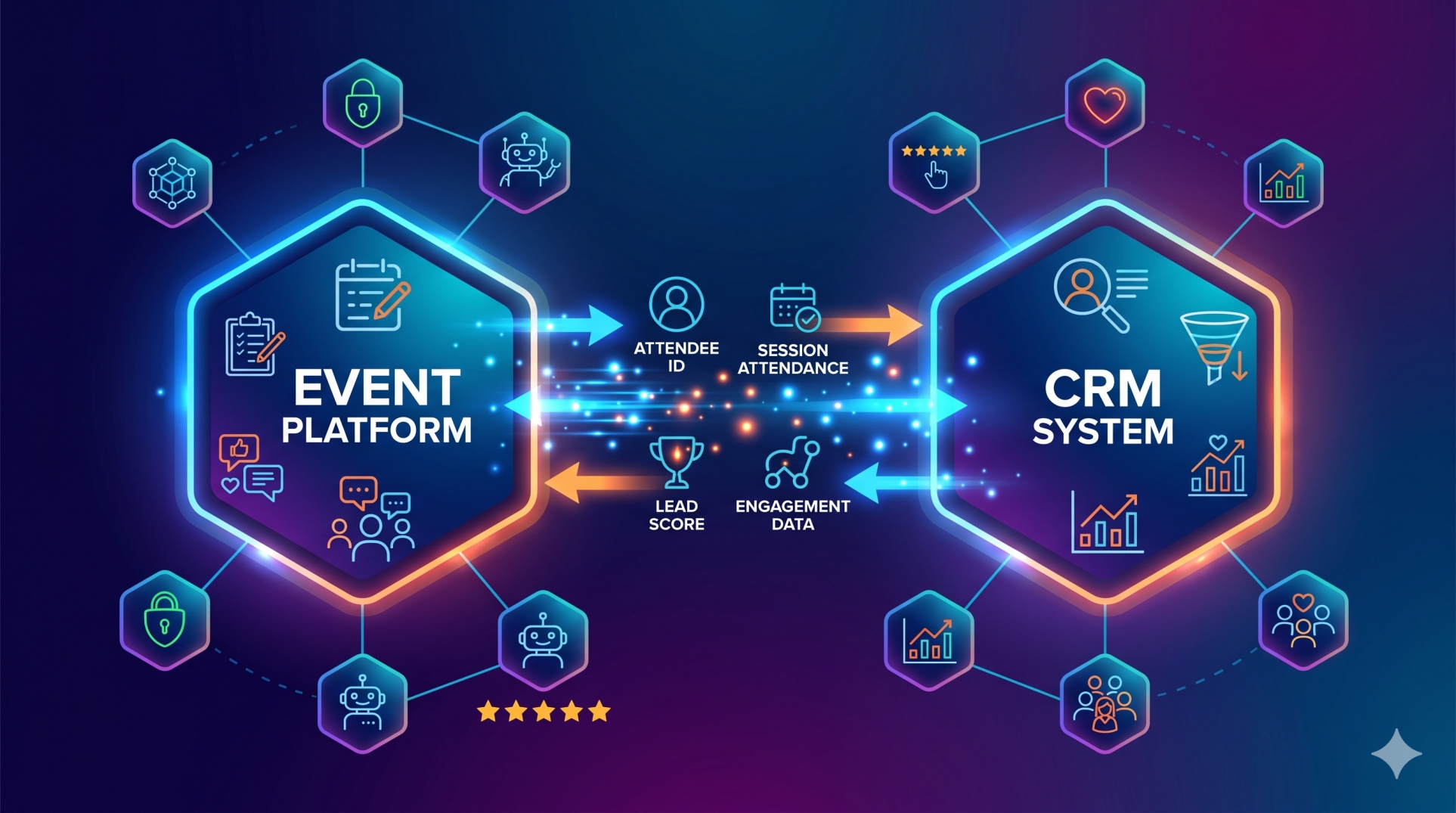
• Connect event platforms with CRM and marketing automation systems 🤝
• Synchronize attendee information across tools and internal workflows 🔄
• Automate follow-up communications and engagement campaigns 📧
• Eliminate duplicate data entry and repetitive manual processes ⚙️
• Maintain consistent information across departments and teams 📂
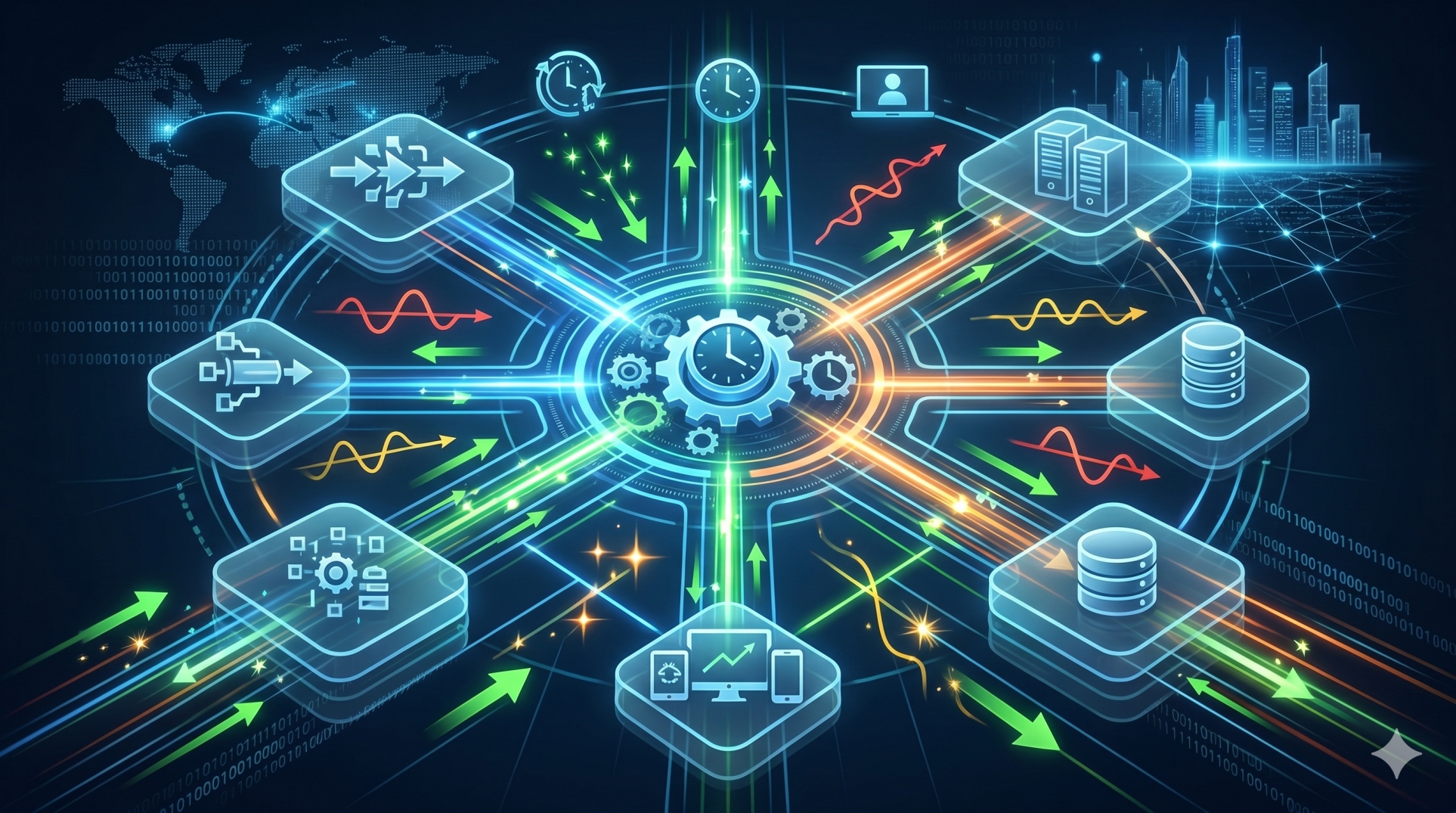
Step 4: Data Flow and Interoperability 📡
• Establish standardized data structures between connected systems 🗃️
• Use APIs to enable smooth communication across platforms 🔗
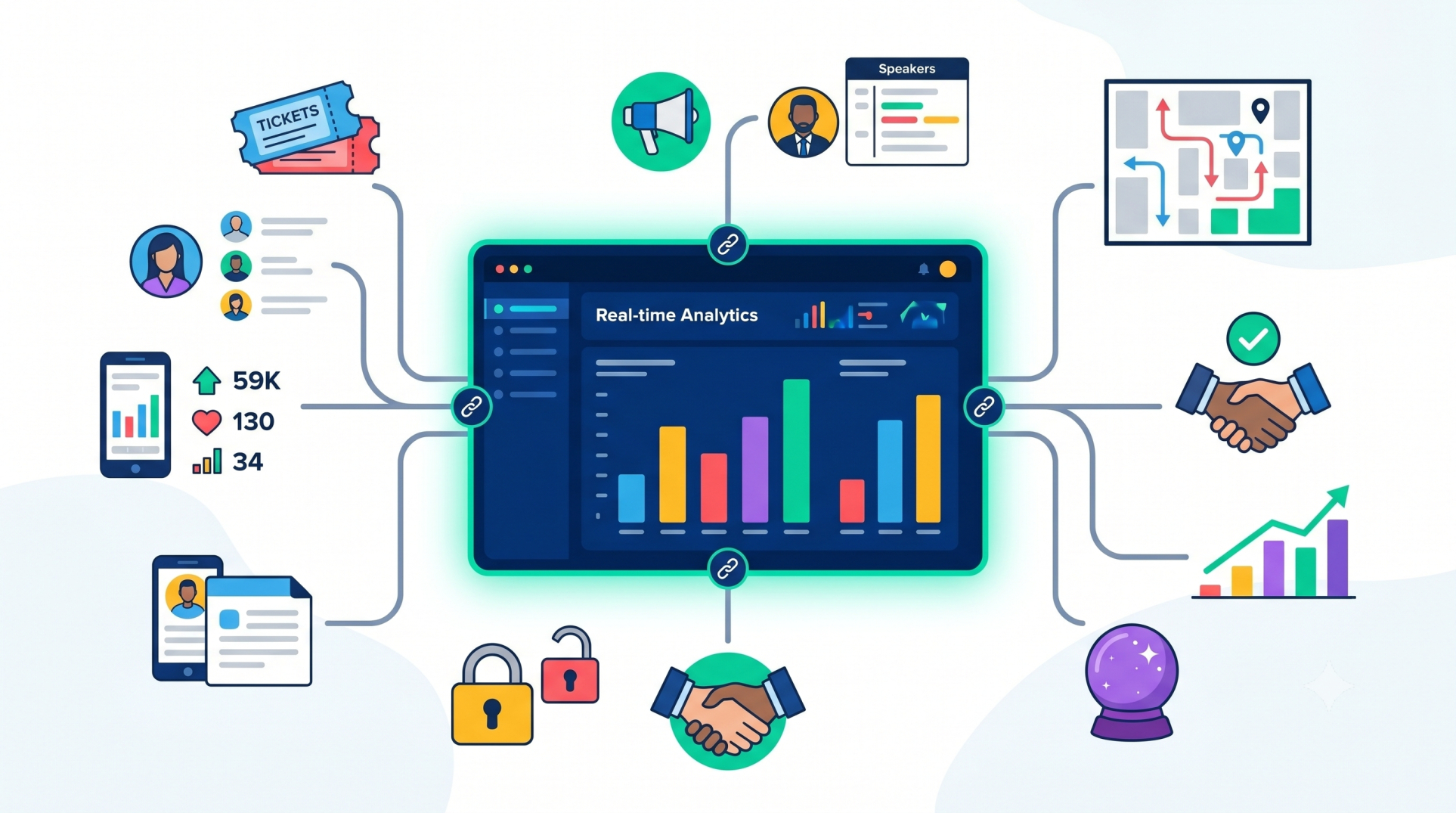
• Maintain real-time synchronization of attendee and event information ⏱️
• Avoid fragmented data across separate applications 🧩
• Enable reliable analytics and reporting throughout the ecosystem 📊
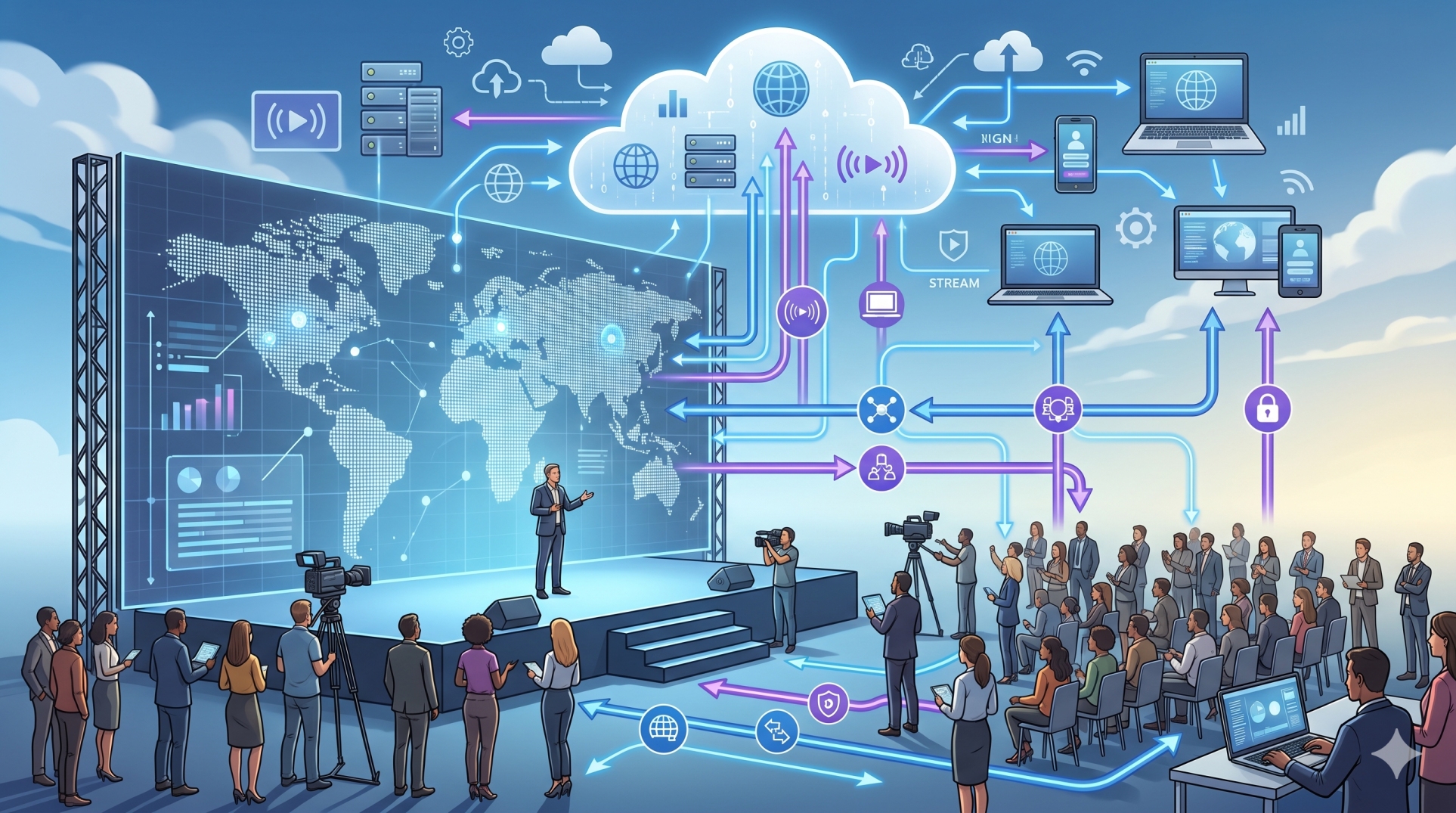
Step 5: Supporting Hybrid and Multi-Format Events 🎥
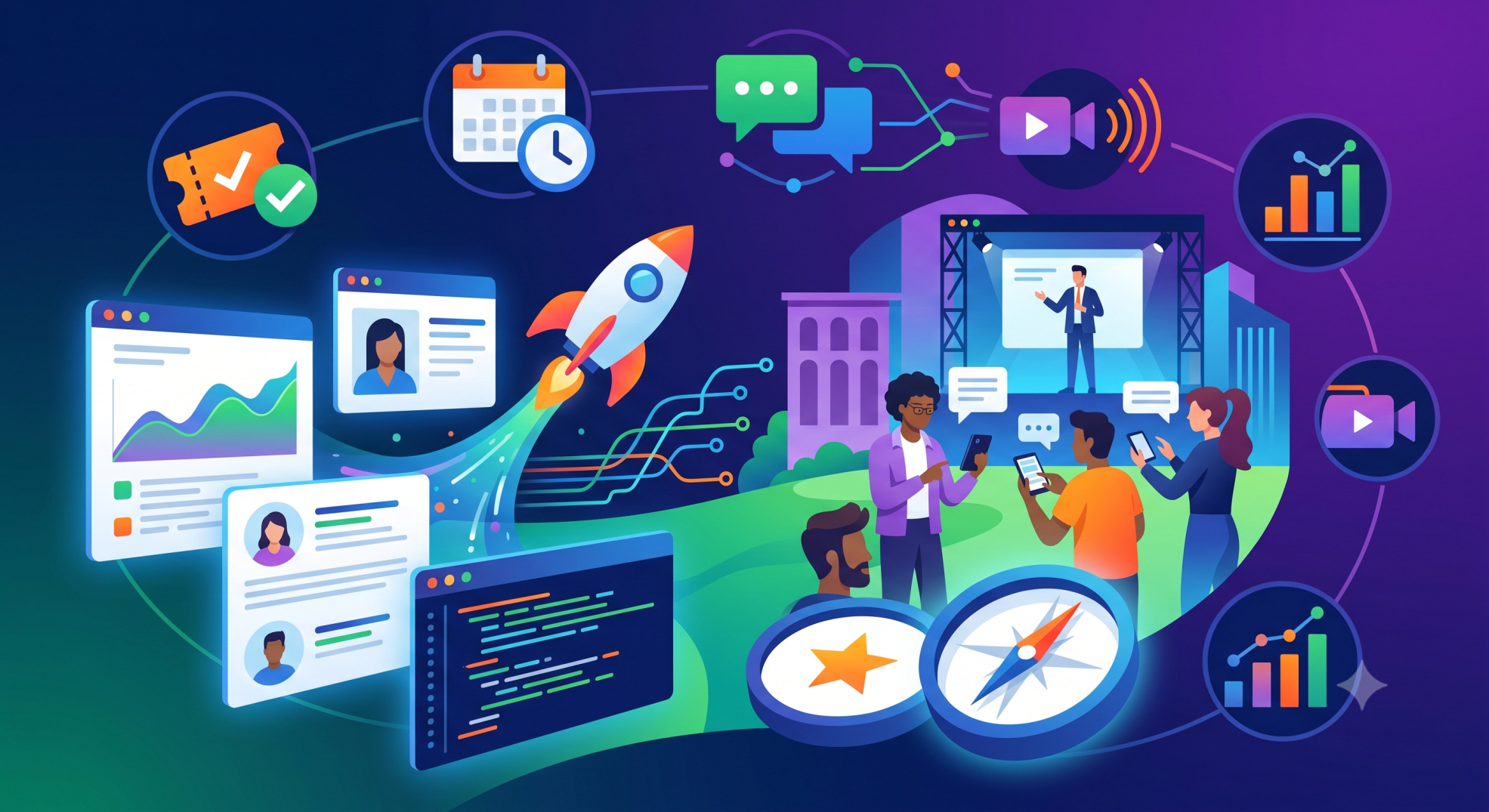
• Deliver consistent experiences across in-person, virtual, and hybrid events 🌍
• Provide integrated tools for live streaming and audience interaction 💬
• Support flexible event formats and globally distributed audiences 🌐
• Ensure technology adapts to different event scales and formats 📦
• Maintain a seamless attendee experience regardless of delivery channel 🔄
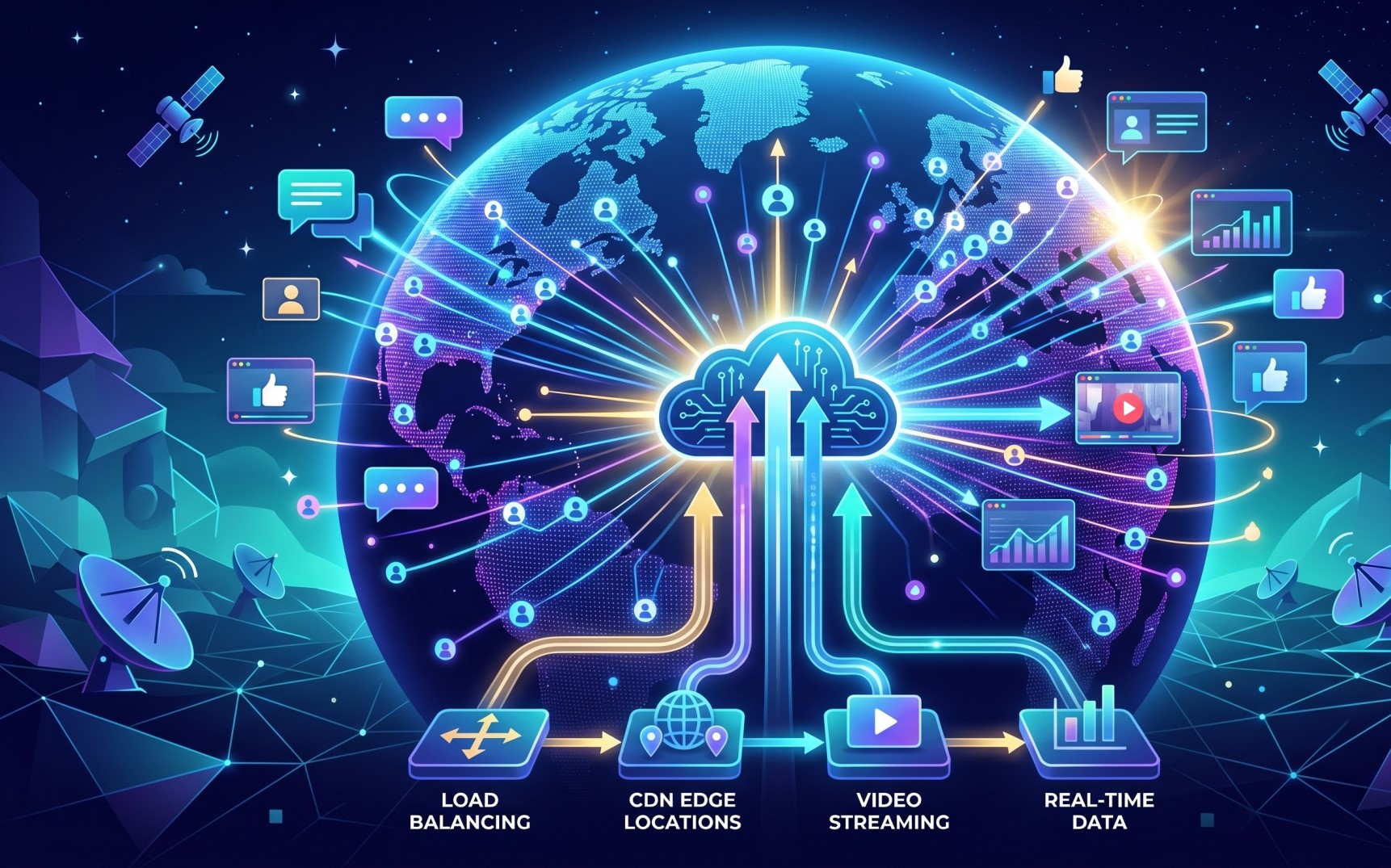
Step 6: Scalability and Operational Efficiency 📈
• Accommodate growing numbers of events, sessions, and participants 👥
• Automate operational tasks such as registrations, reminders, and confirmations ⚙️
• Standardize processes for repeatable event workflows 🔁
• Reduce manual coordination between teams and stakeholders 🤝
• Improve efficiency as event programs expand over time 🚀
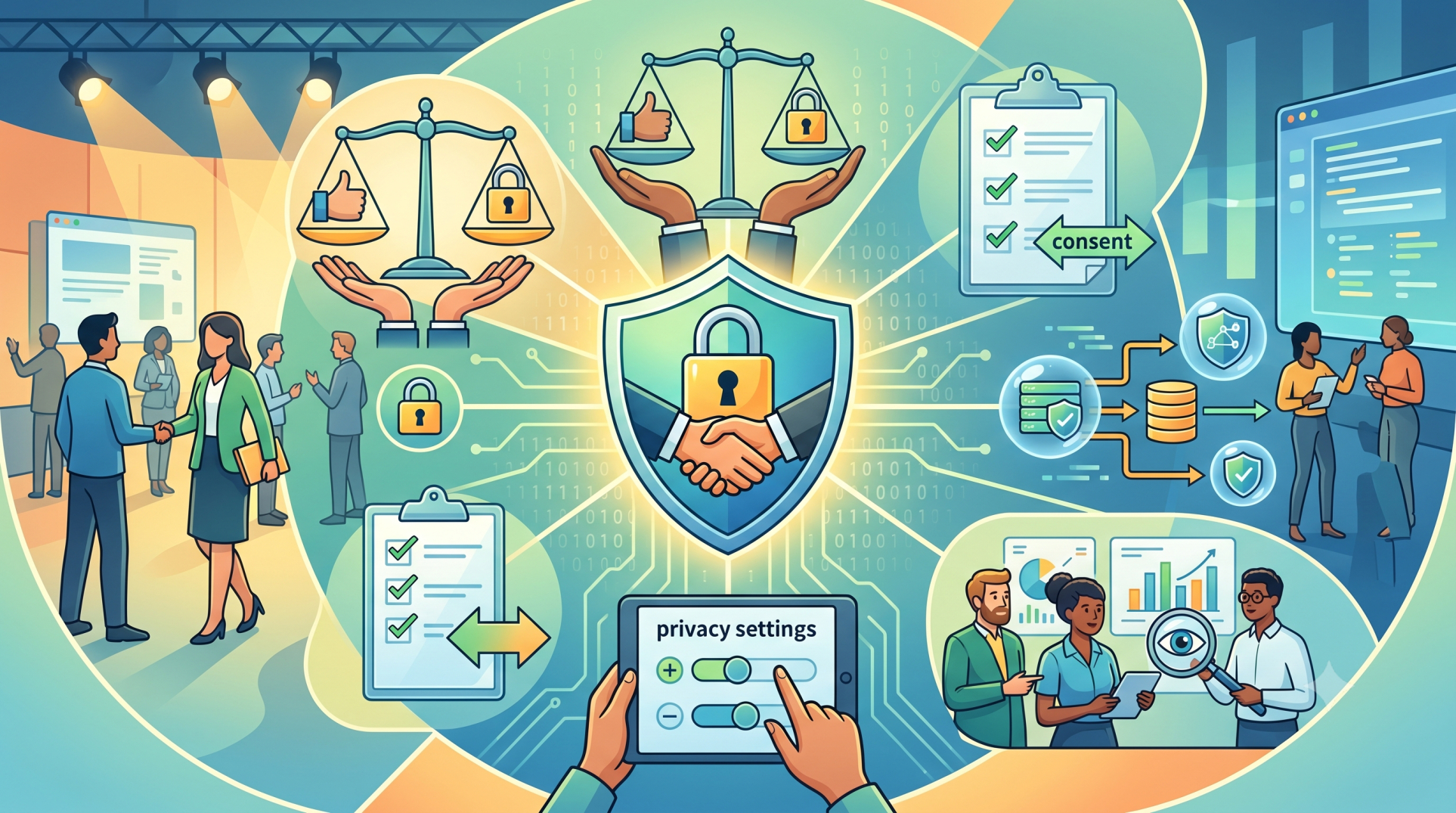
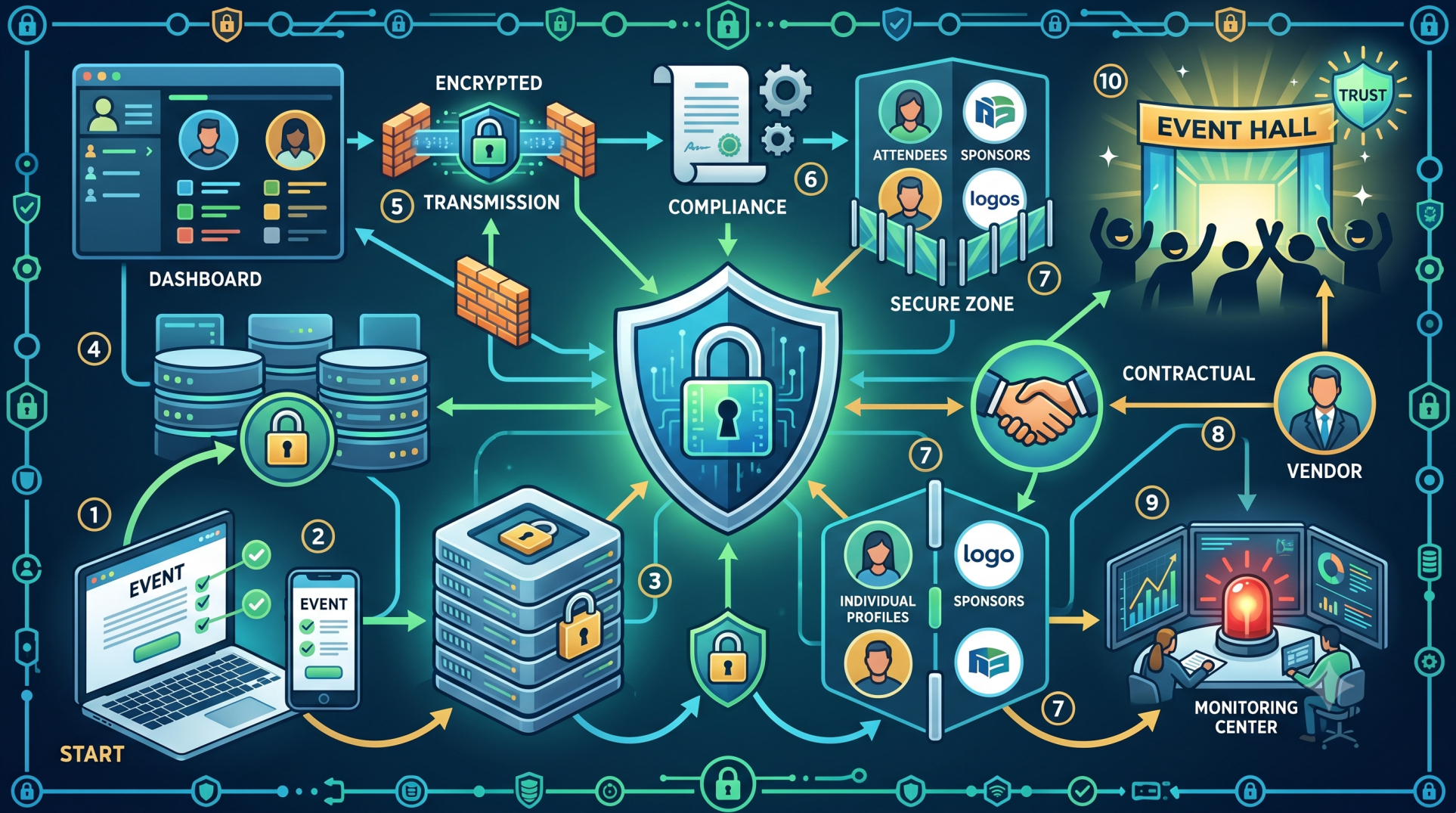
Step 7: Security, Compliance, and Data Governance 🔐
• Protect attendee information through strong security protocols 🛡️
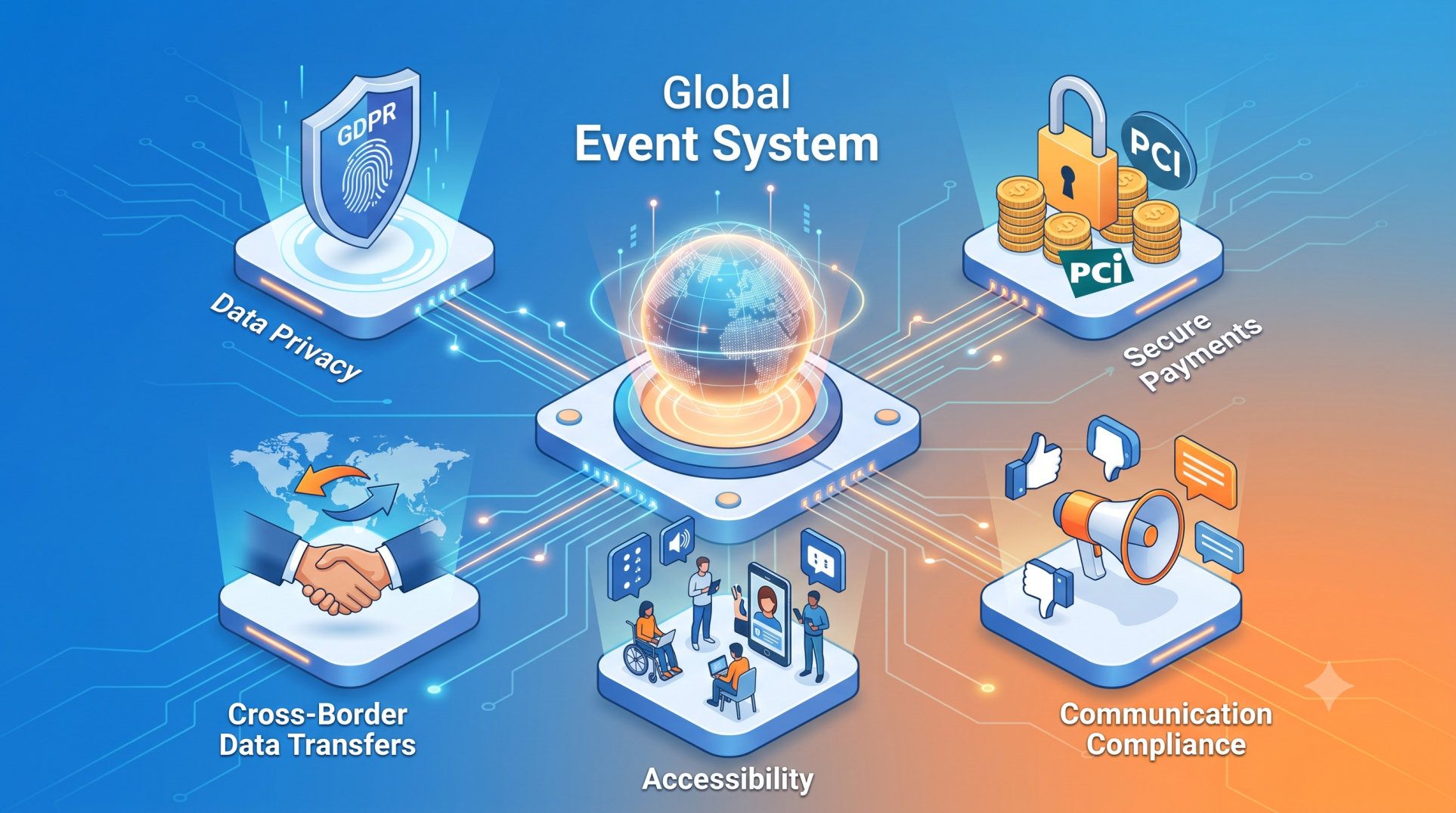
• Ensure compliance with global and regional data protection regulations 📜
• Manage role-based access across integrated event systems 👤
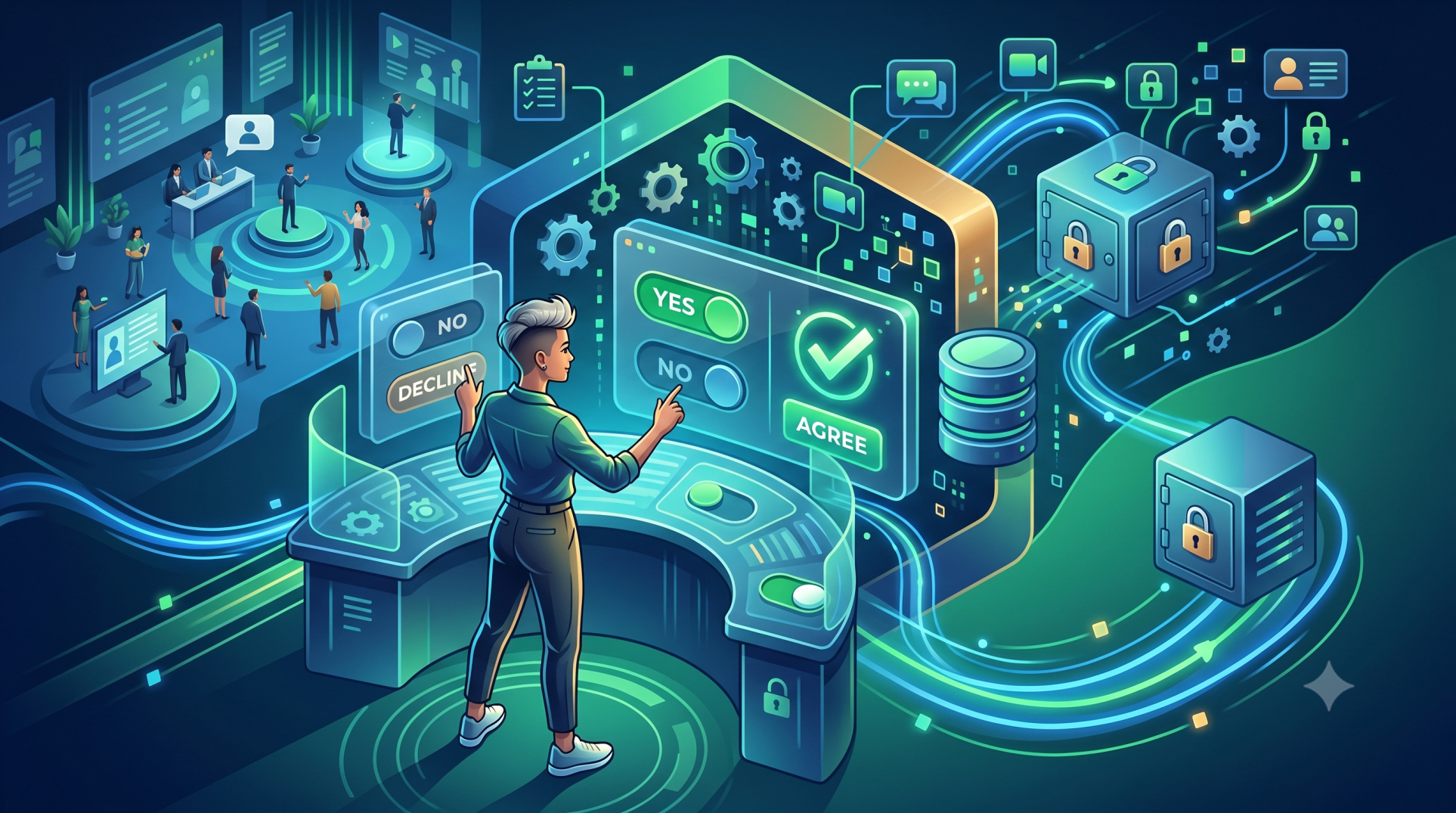
• Maintain transparency in how event data is collected and stored 📂
• Build trust with attendees, partners, and stakeholders 🤝
Step 8: Strategic Value of a Scalable Event Ecosystem 🏆
• Align event technology with long-term organizational growth strategies 📈
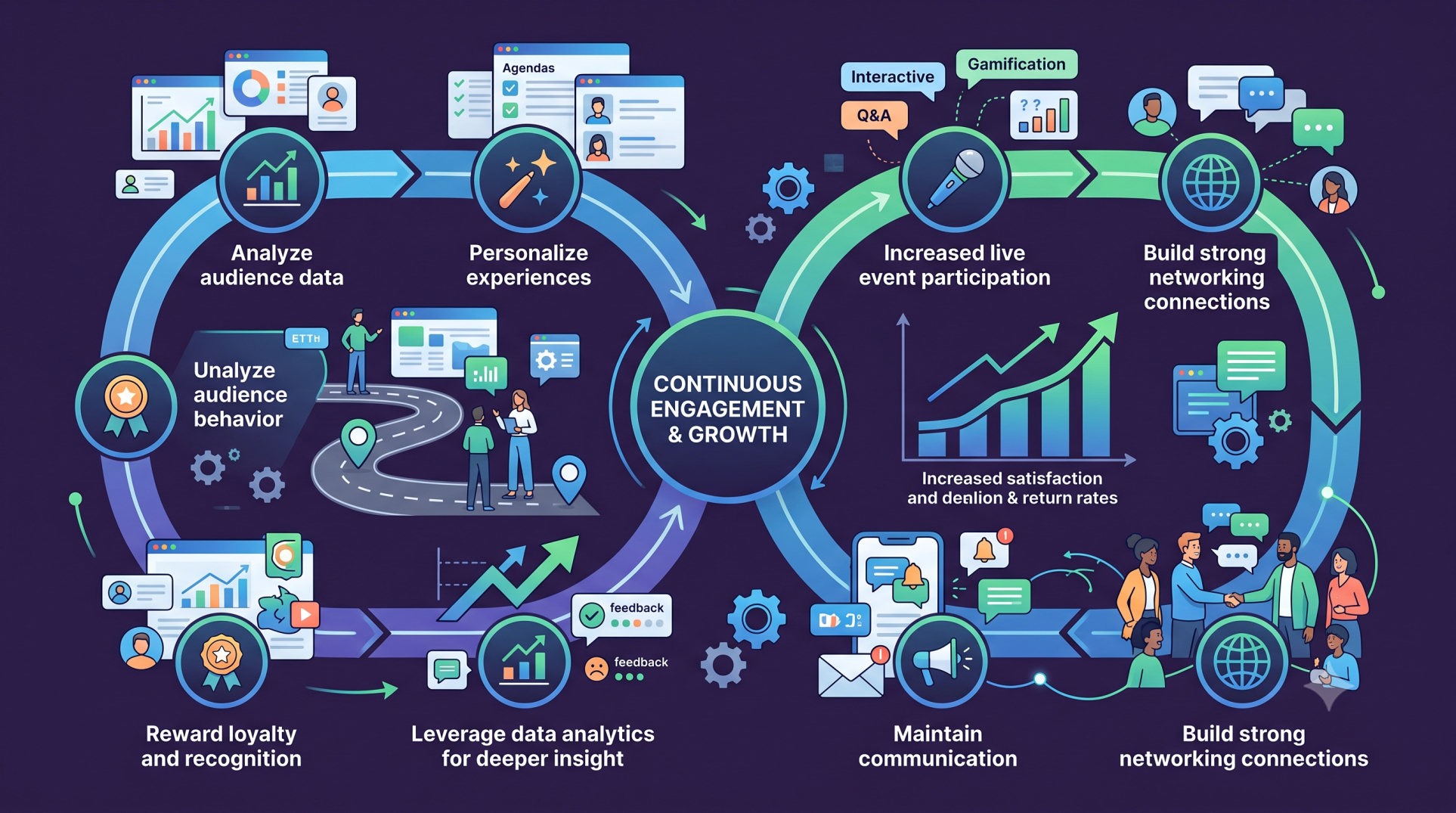
• Enable data-driven planning and performance measurement 📊
• Strengthen collaboration across marketing, sales, and operations teams 🤝
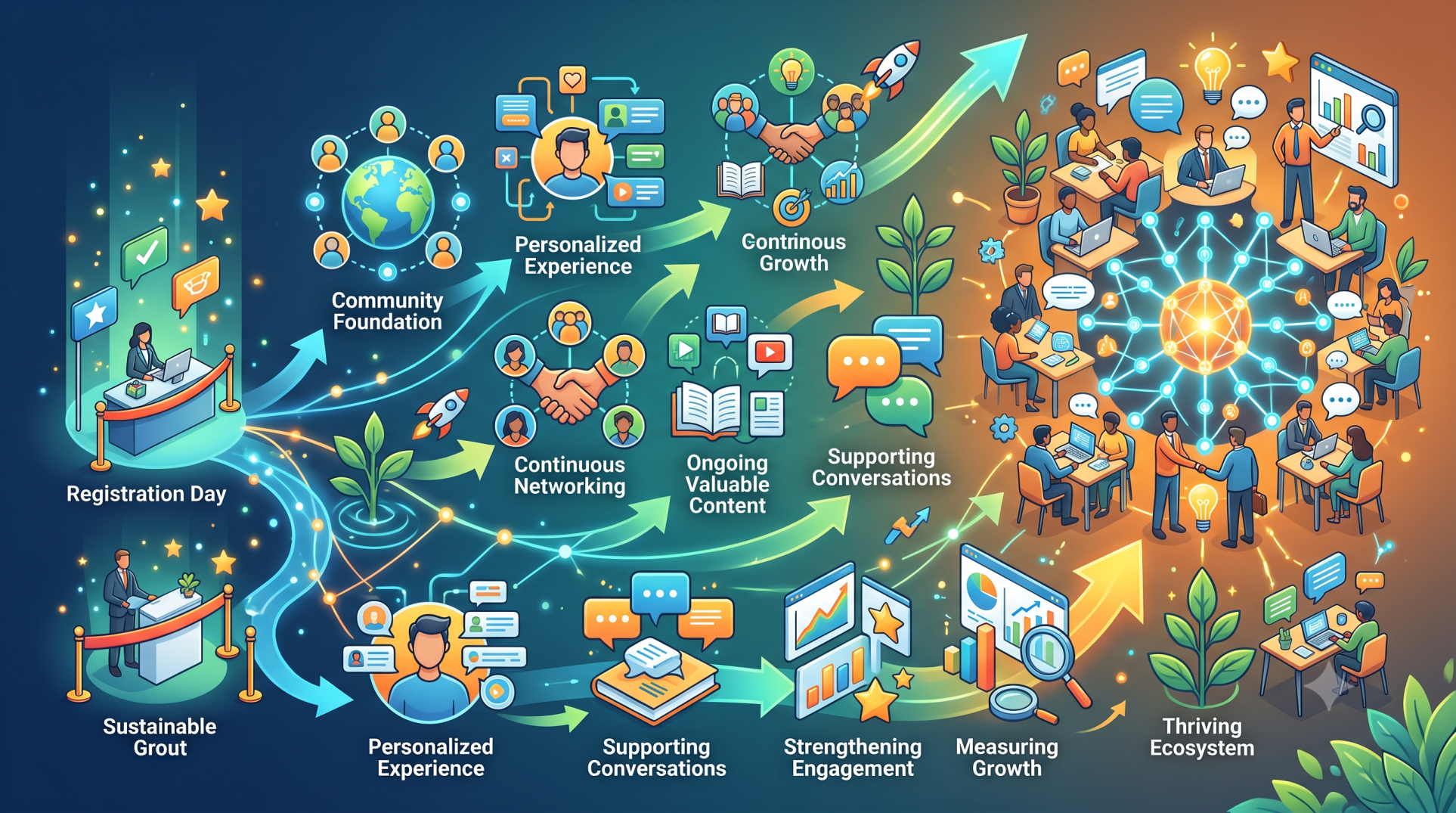
• Transform event platforms into a foundation for ongoing engagement 🌱
Conclusion
Creating a scalable event technology ecosystem enables organizations to move beyond isolated tools and build a connected infrastructure that supports long-term growth. Through integrated platforms, standardized data flows, and strategic technology planning, businesses can deliver consistent event experiences while gaining deeper insights into attendee behavior and engagement. A thoughtfully designed ecosystem ensures event technology remains flexible, efficient, and aligned with evolving organizational goals.
See more blogs
You can all the articles below




























Ready to Find Your Perfect Solution?
Let us show you how Event Software can transform your events

AI-powered event management platform that helps you create stunning events .