How Modern Event Software Is Built: A Technical Deep Dive
How Modern Event Software Is Built: A Technical Deep Dive
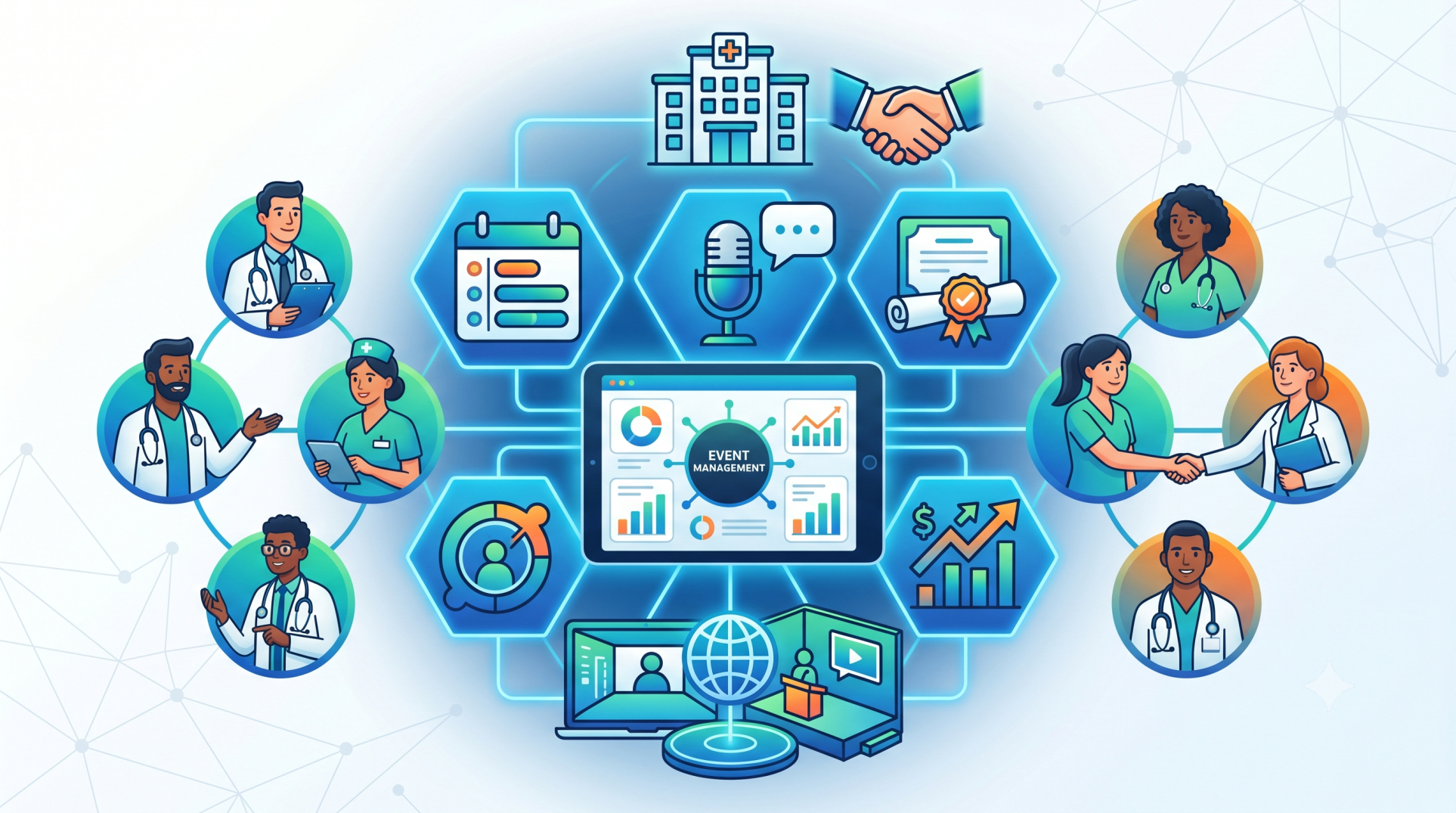
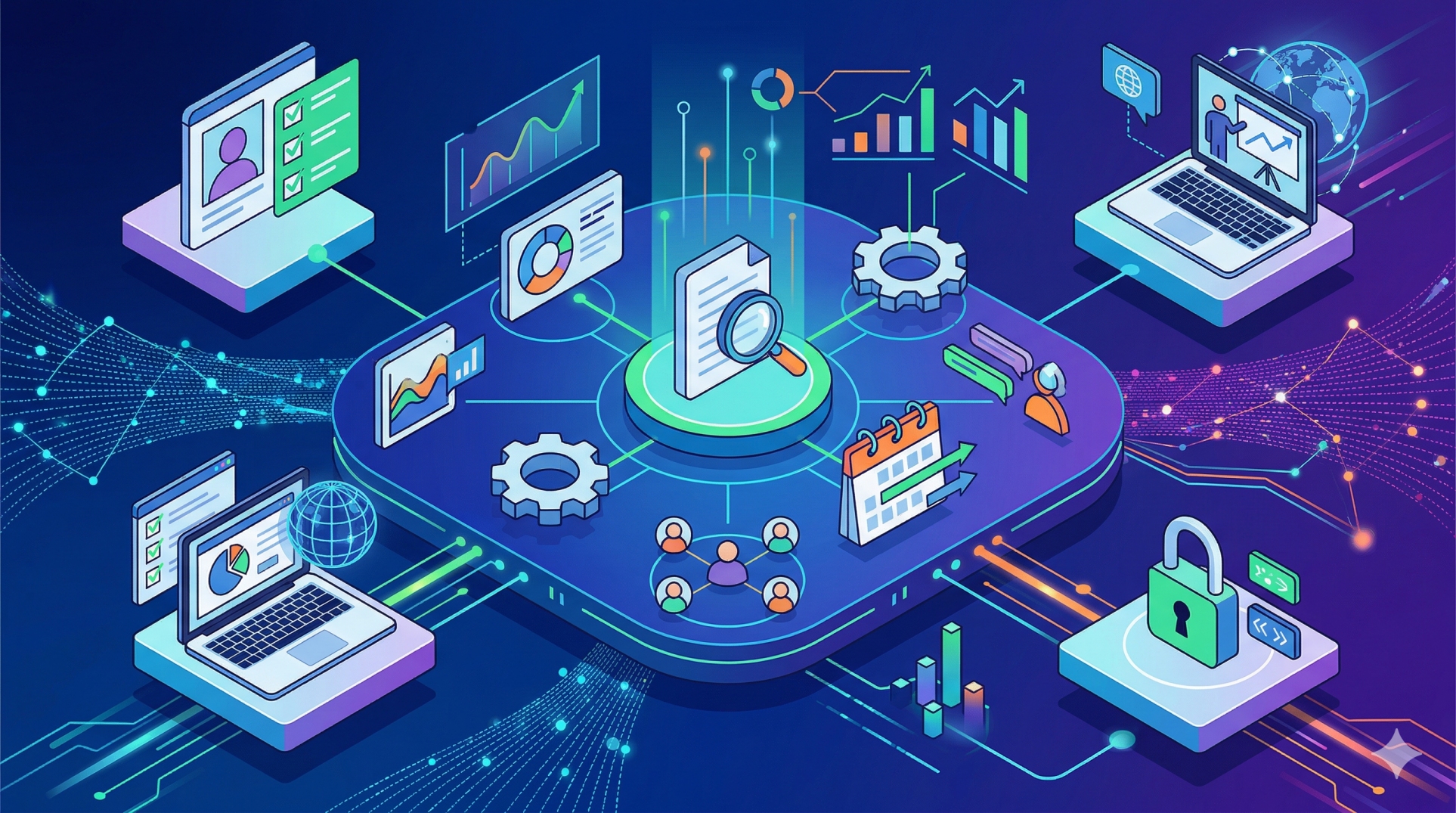
Event technology has advanced far beyond simple registration and agenda management. Modern event platforms are sophisticated, scalable systems designed to support large audiences, real-time engagement, advanced analytics, and seamless integrations. Understanding how these platforms are built explains how they can reliably support everything from small virtual meetings to large global conferences. 🌍
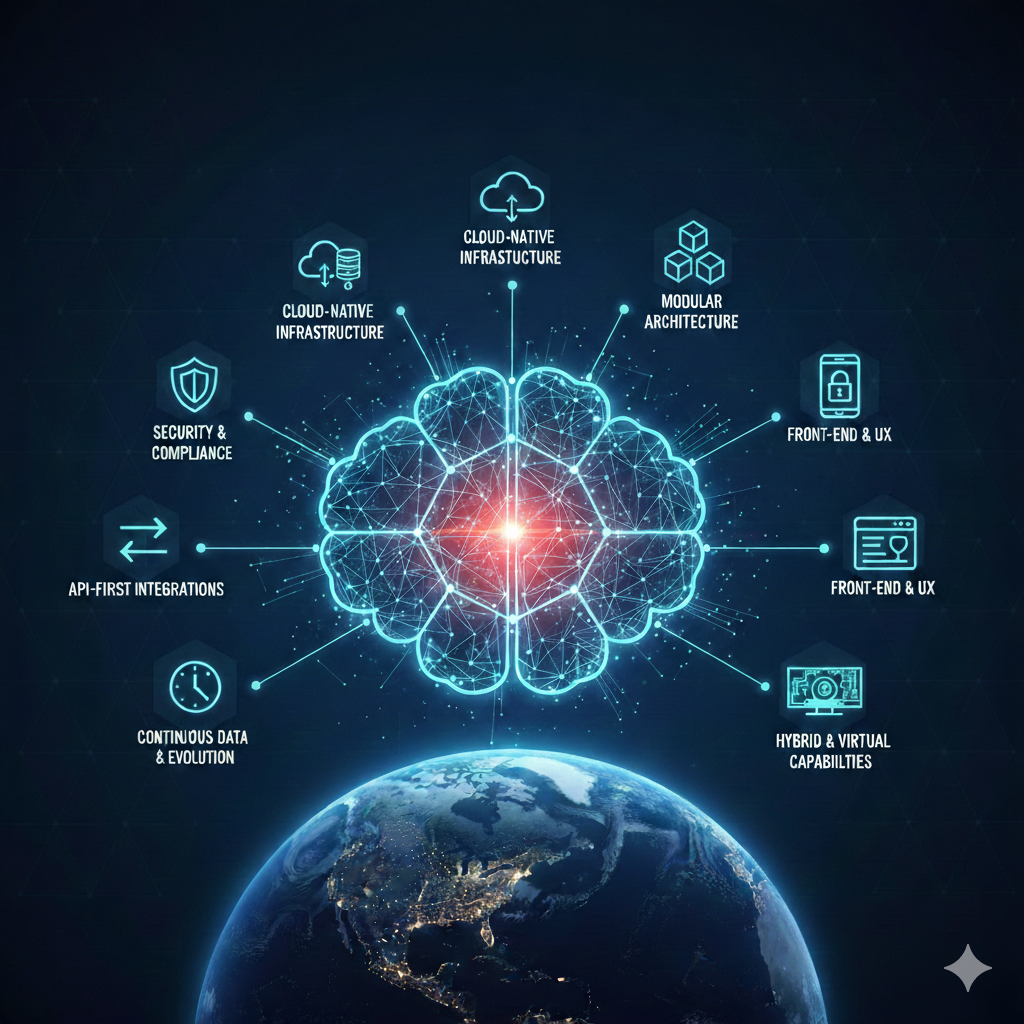
Core Design Principles of Modern Event Software 🧩
- Designed to scale with changing attendee volumes 📈
- Built for high availability and system reliability 🔁
- Optimized for real-time data capture and processing ⚡
- Modular architecture that supports rapid feature growth 🧱
- Security-first design to protect user and event data 🛡️
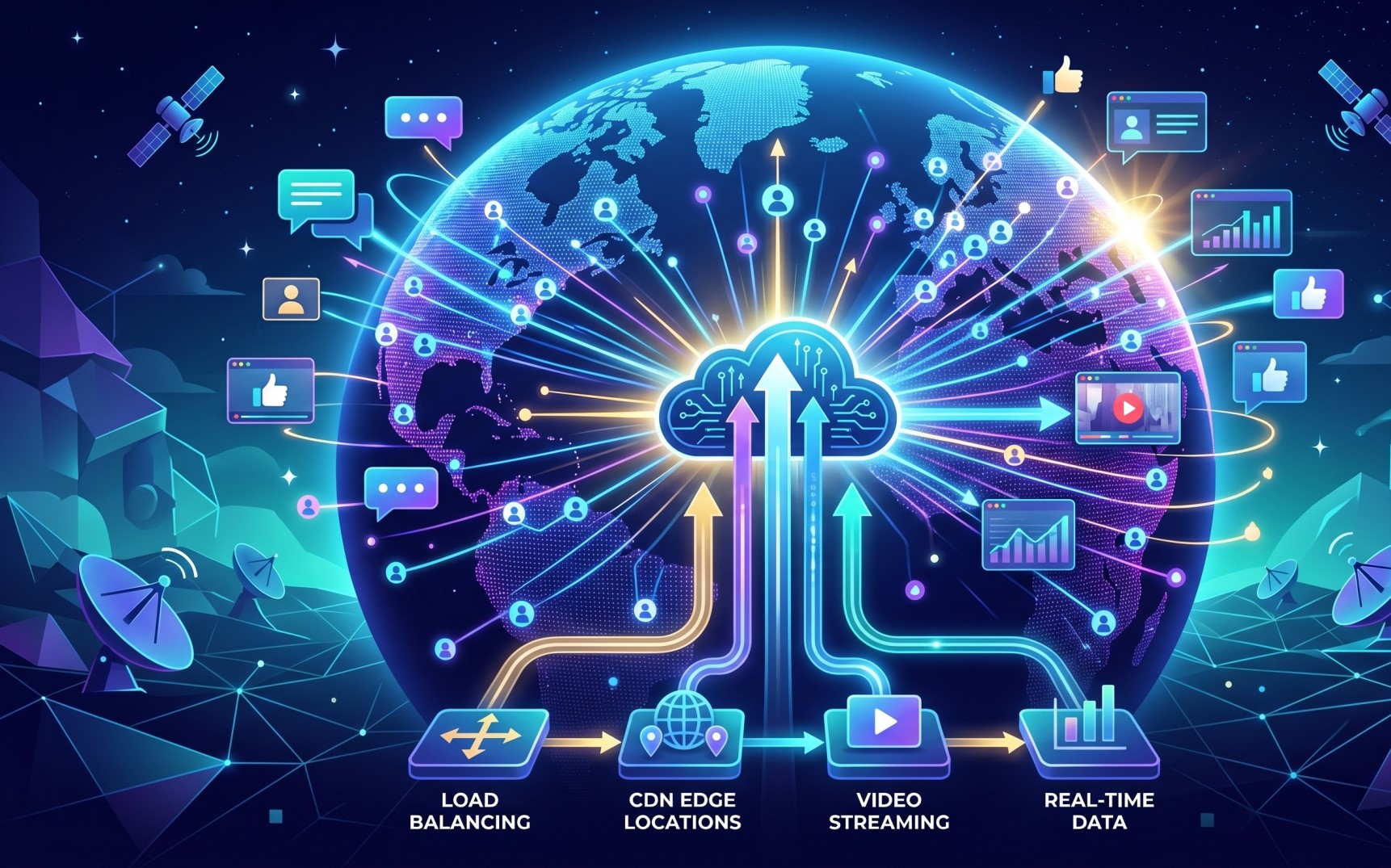
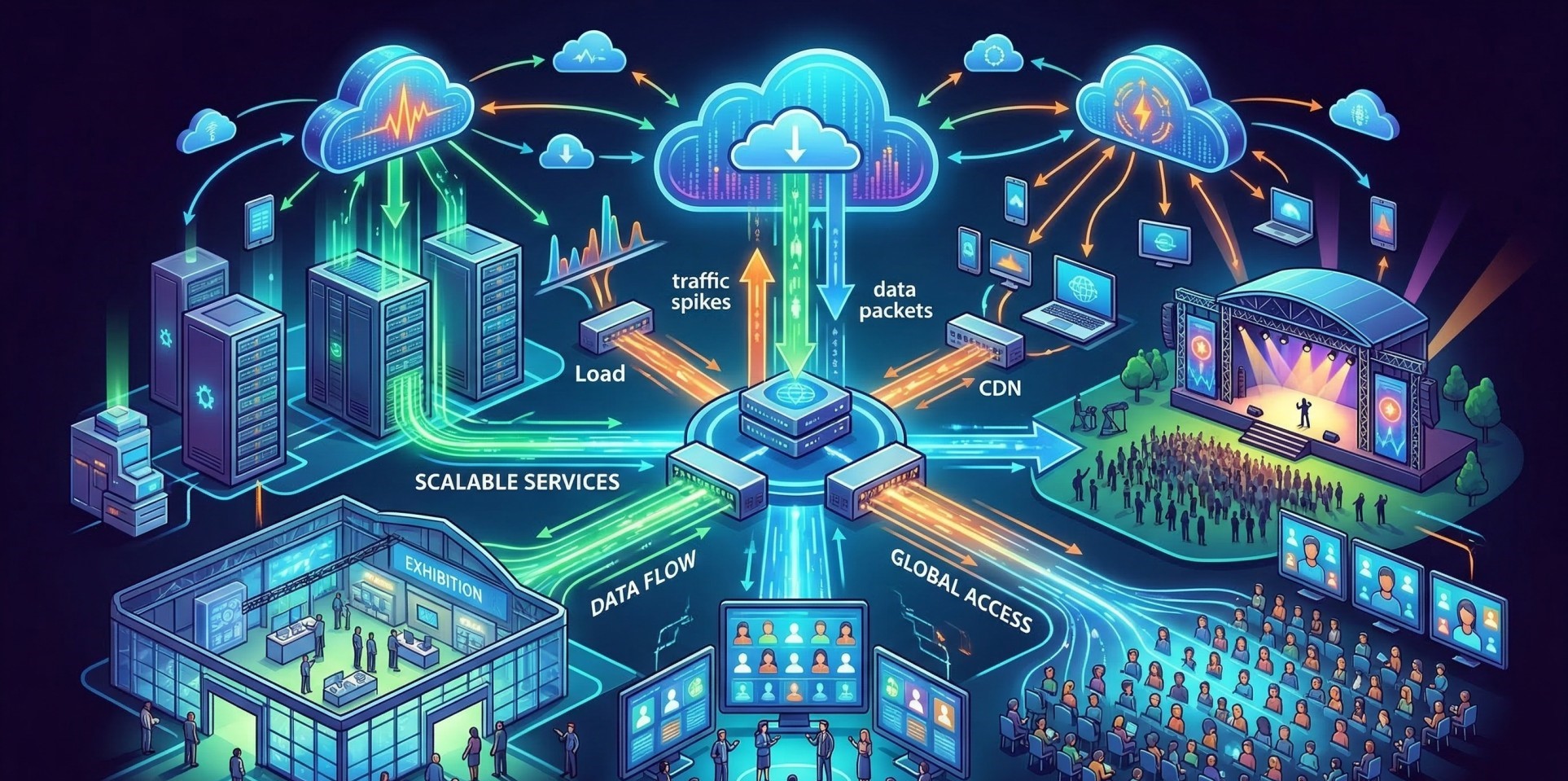
Cloud-Native Architectural Foundation ☁️
- Built on cloud infrastructure rather than on-premise environments 🌐
- Uses container-based deployment for flexibility 📦
- Automatically scales during registration spikes and live sessions 📈
- Maintains high uptime during critical event moments ⏱️
- Reduces infrastructure complexity and operational costs 💰
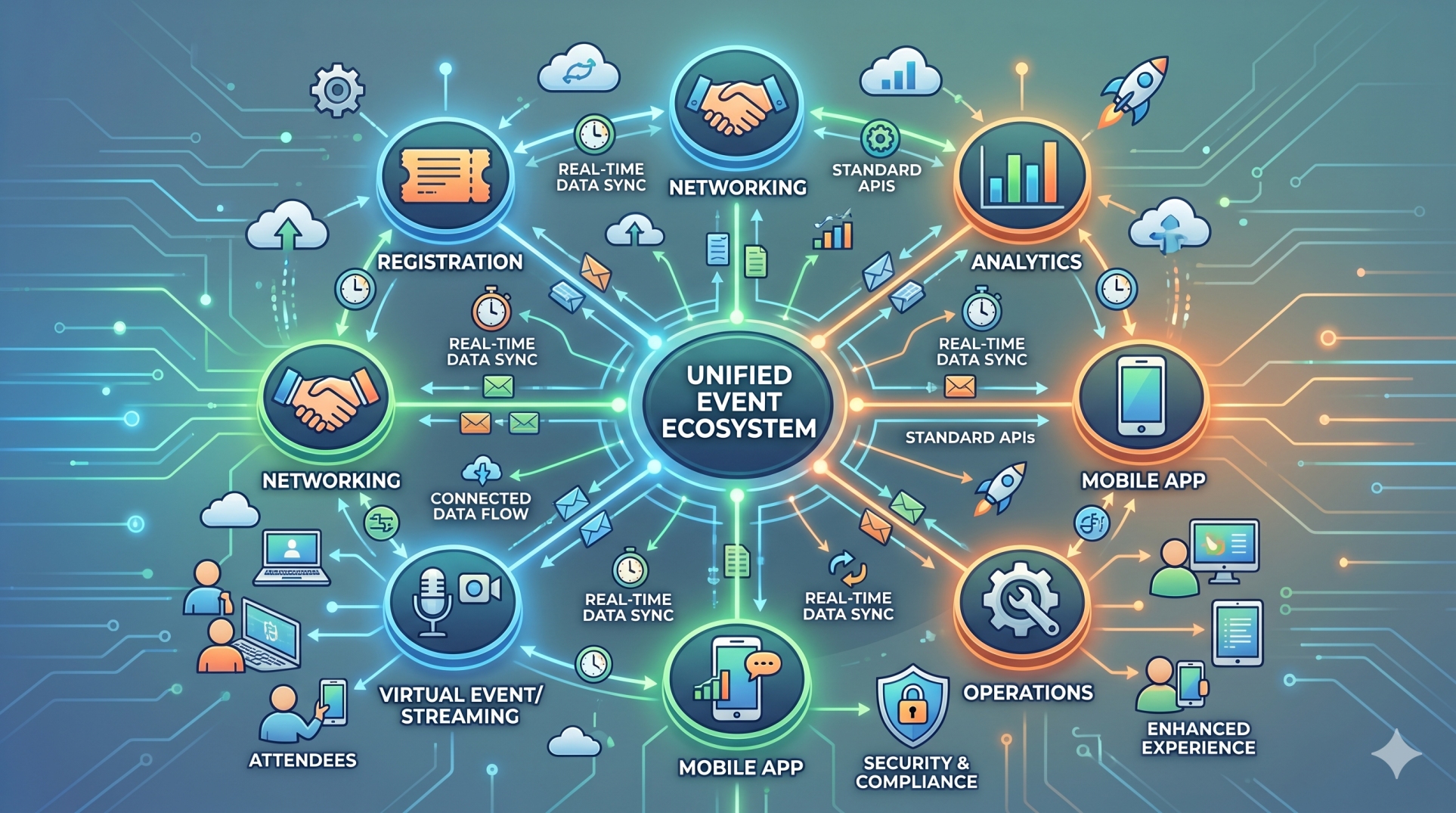
Modular, Service-Oriented Architecture 🧱
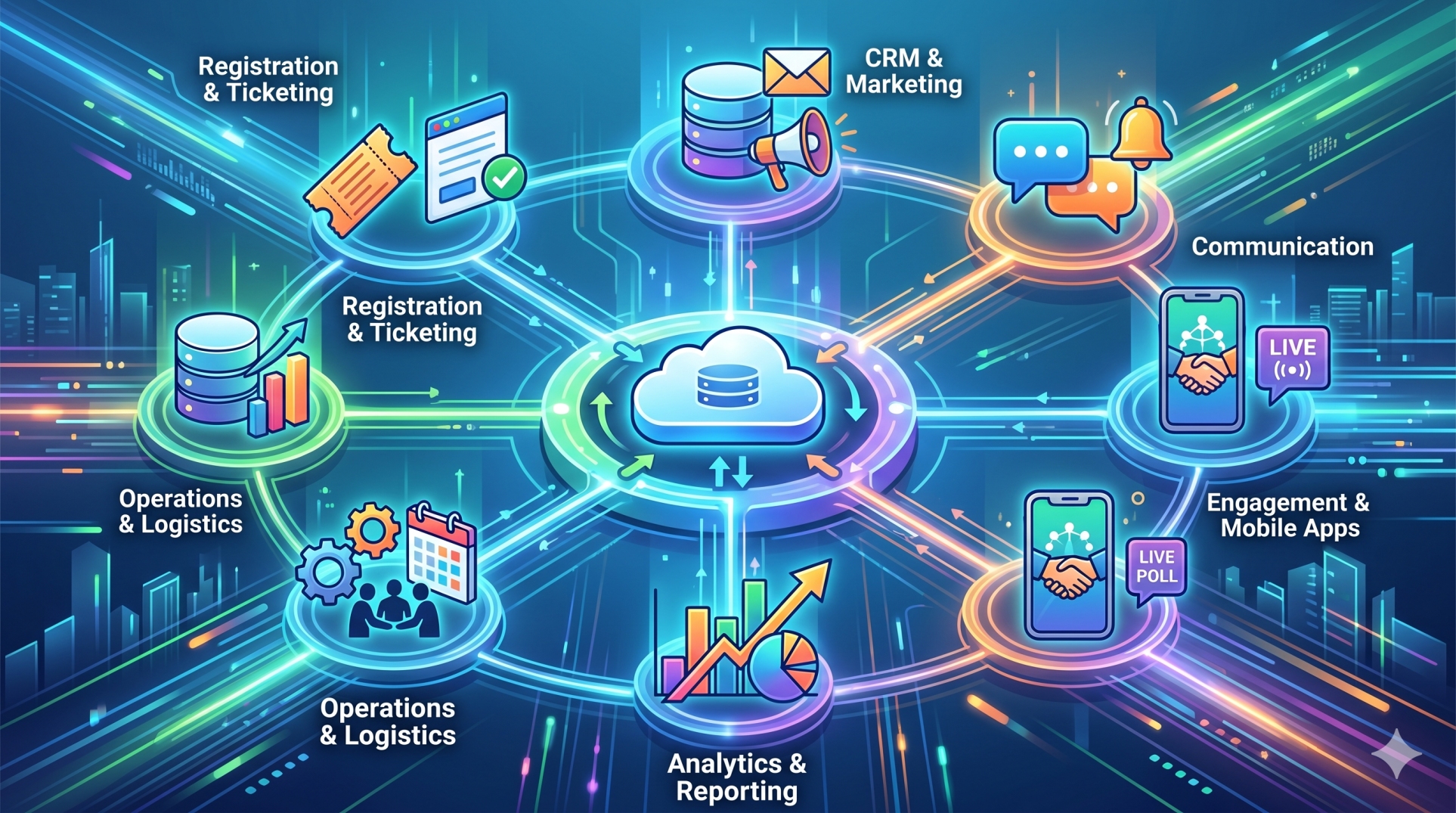
- Divides functionality into independent services 🧩
- Separate services for registration, agendas, networking, and analytics 🔗
- Each service scales independently based on demand 📊
- Enables faster updates without impacting the entire platform 🚀
- Improves system stability and maintainability 🔧
API-First Integration Layer 🔌
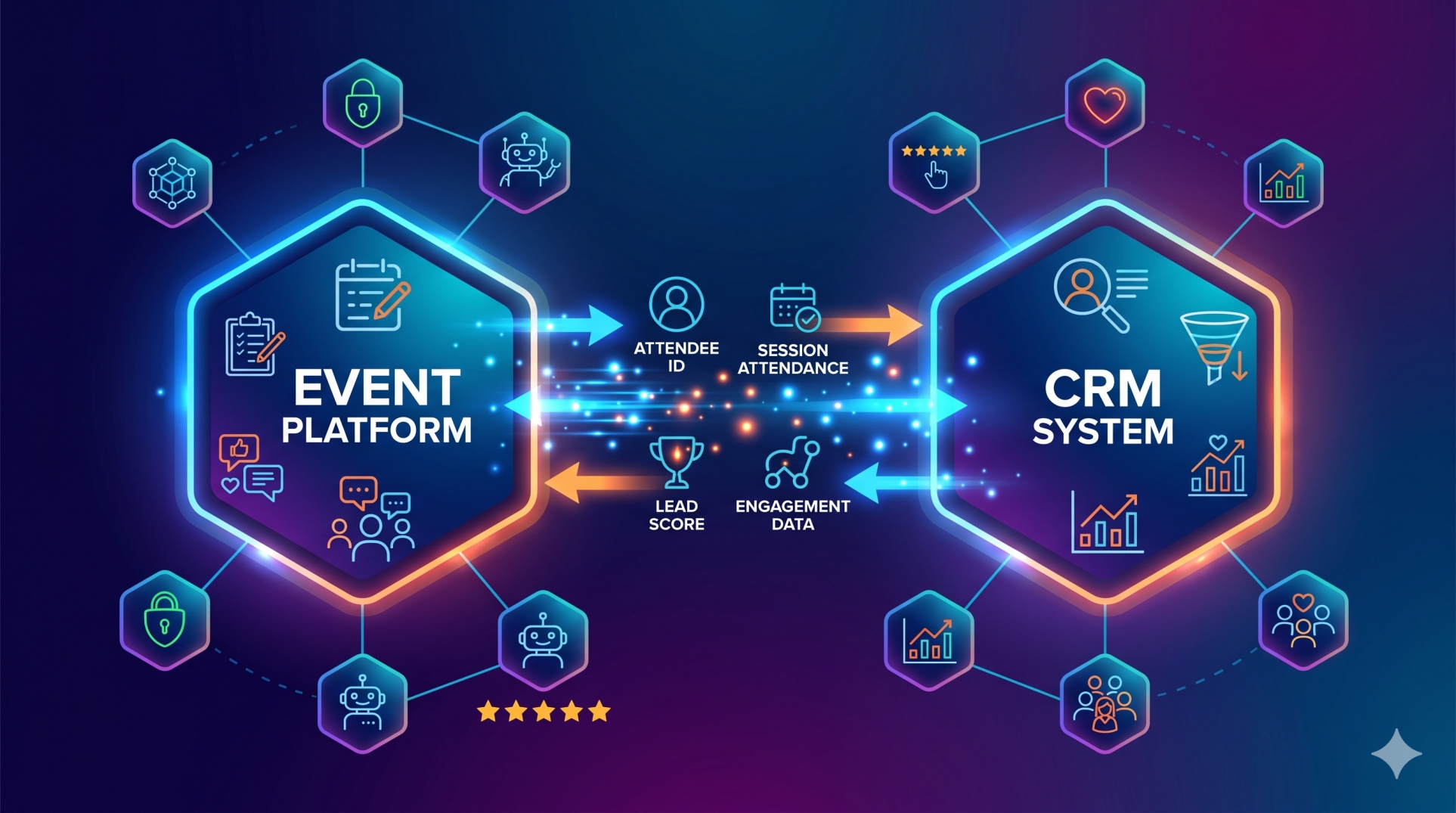
- Makes platform capabilities available through APIs 🔗
- Integrates easily with CRM, marketing, and payment platforms 🤝
- Connects with email, SMS, and notification services 📩
- Supports real-time data exchange across systems ⚡
- Enables custom extensions and partner applications 🛠️
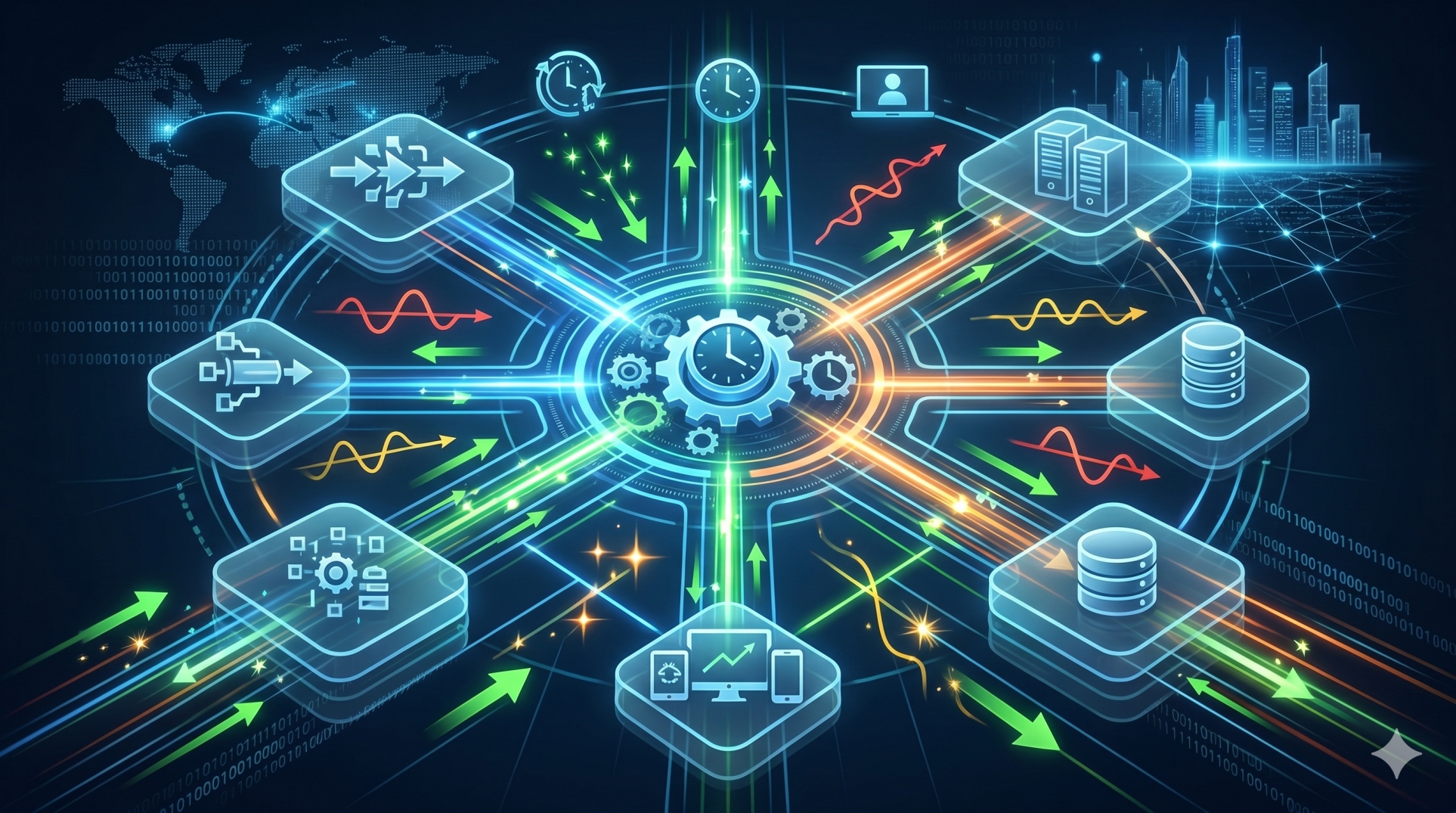
Real-Time Event Data Processing ⚡
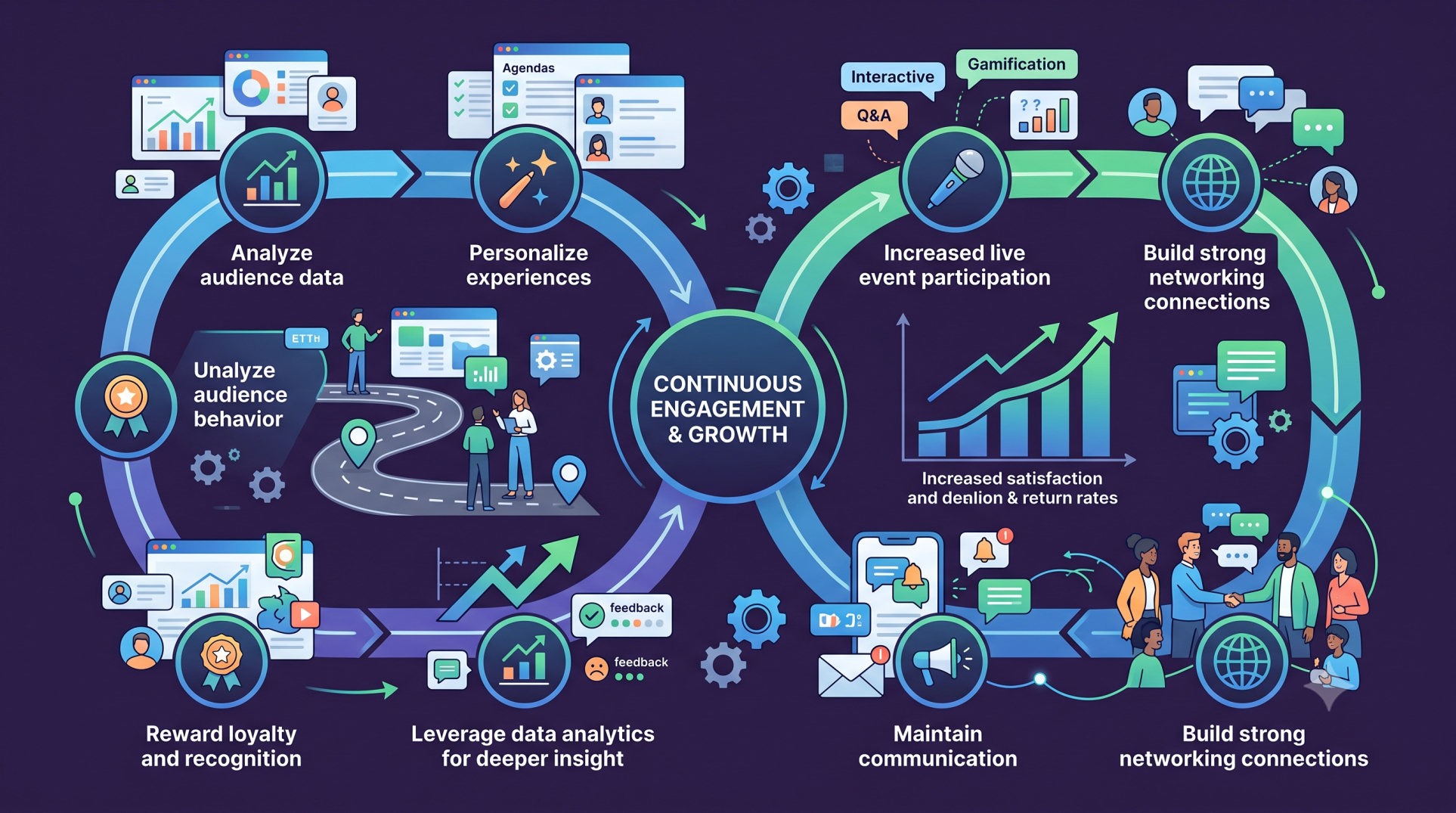
- Captures attendee interactions instantly 👥
- Tracks check-ins, session attendance, and engagement 📊
- Processes live polls, Q&A, and networking activity 💬
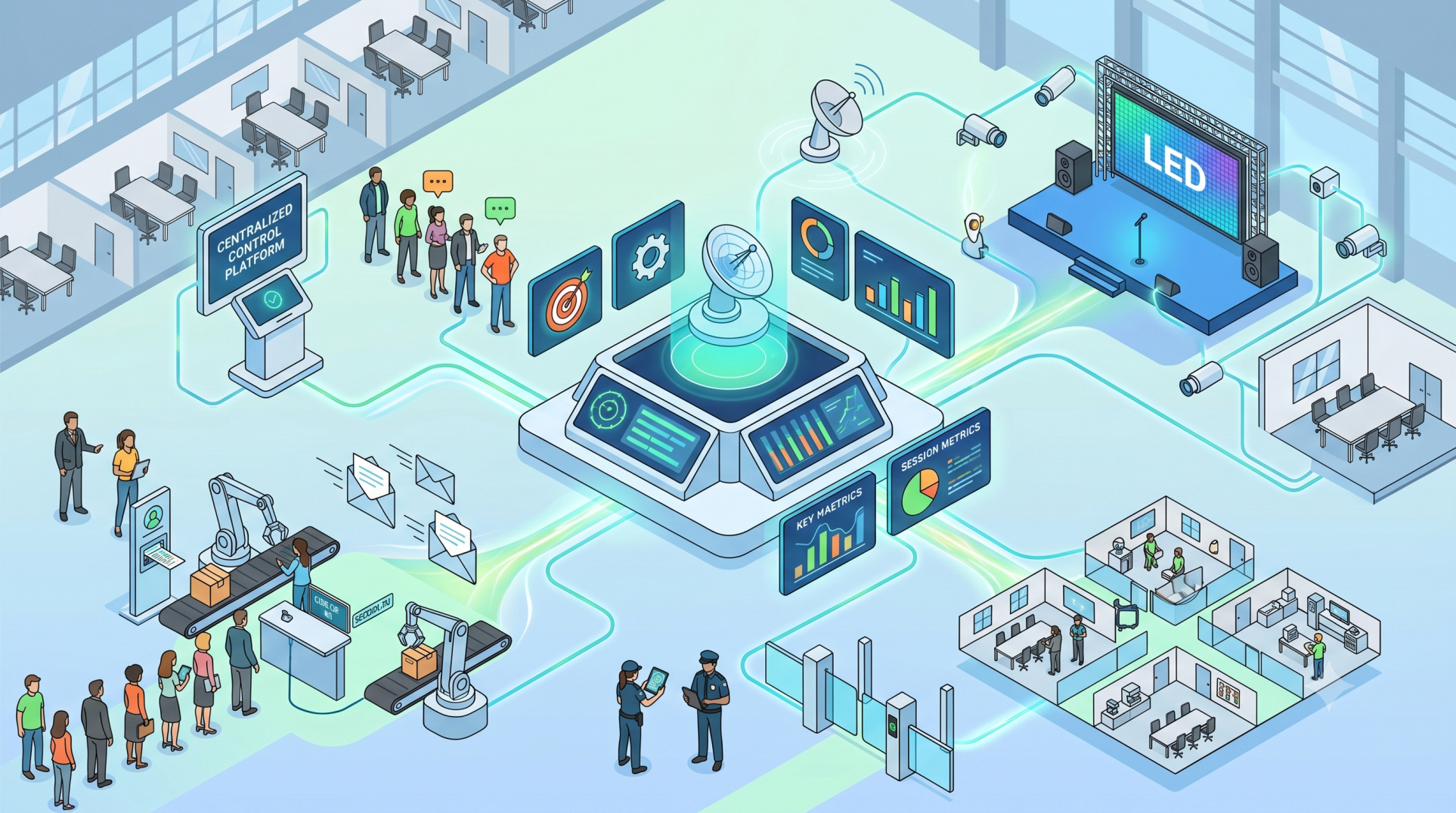
- Updates dashboards and reports in real time 📈
- Supports quick, informed decisions during live events 🧠
Data Storage and Analytics Architecture 🗄️
- Maintains a centralized model for event data 📌
- Combines transactional and analytical data storage 🧠
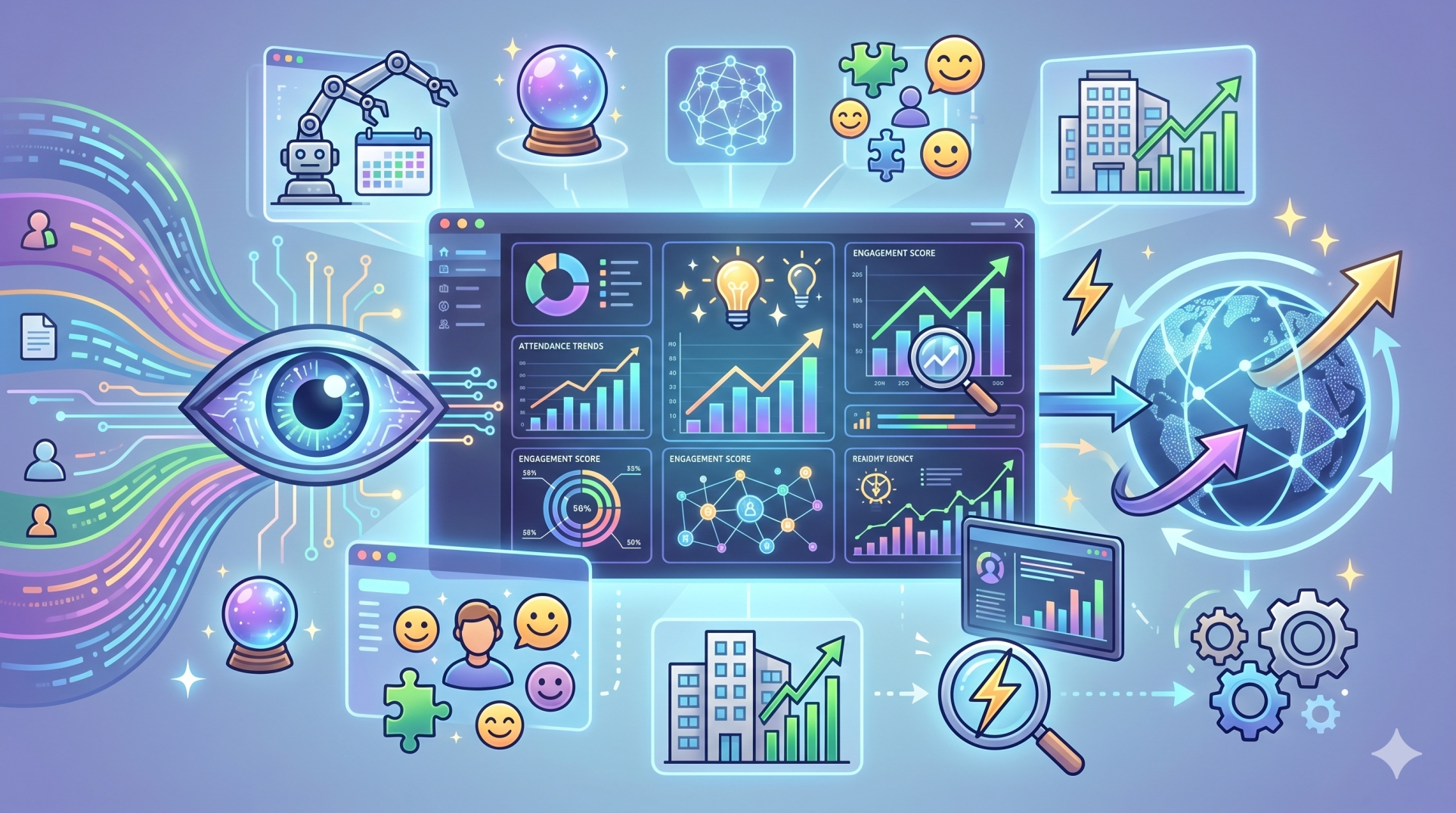
- Supports historical reporting and trend analysis 📊
- Powers dashboards, reports, and predictive insights 🔮
- Enables continuous event performance optimization 🚀
Front-End and User Experience Architecture 🎨
- Built using modern web and mobile technologies 📱
- Optimized for performance and responsiveness ⚡
- Supports multiple devices and screen sizes 📐
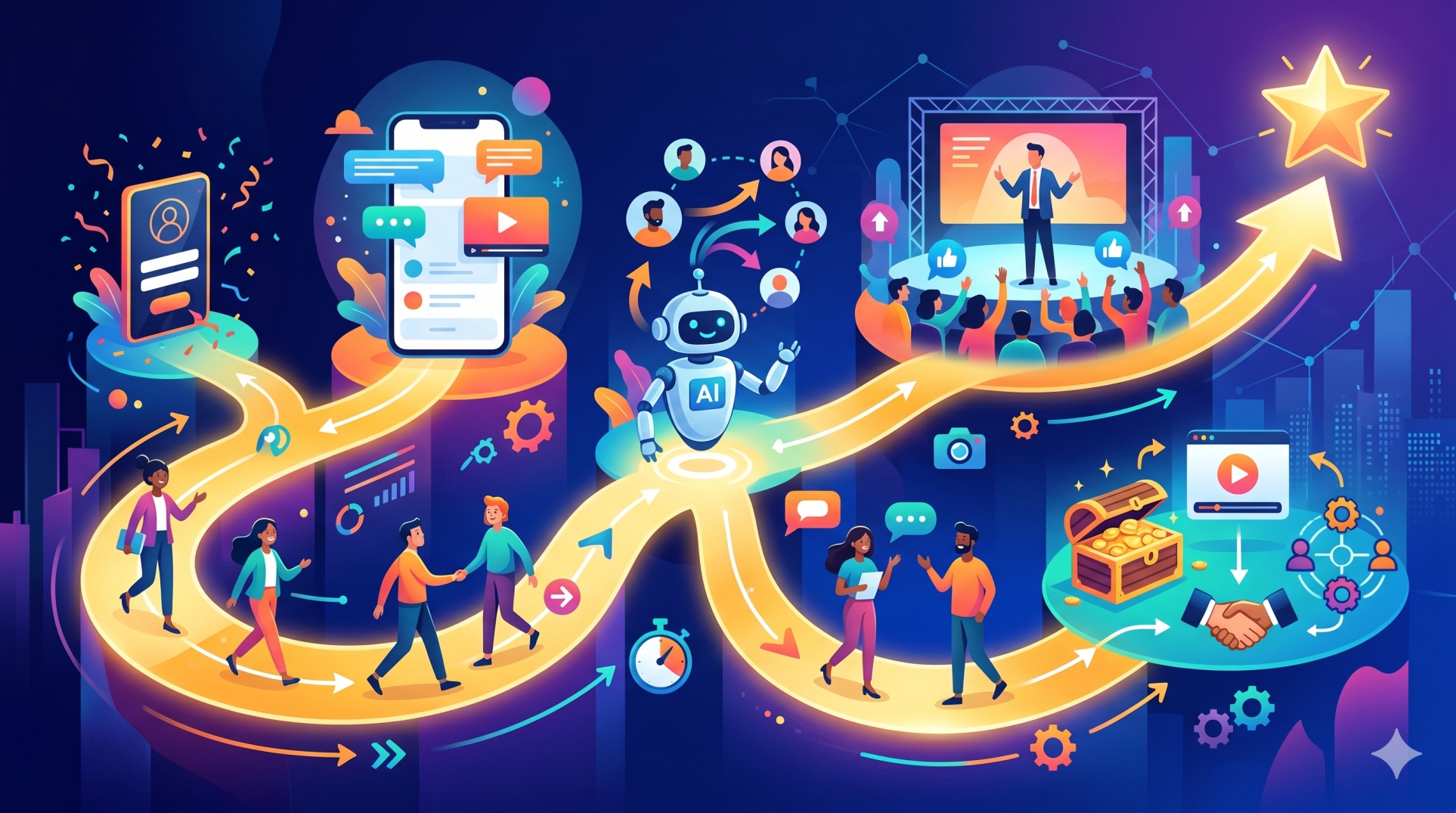
- Delivers personalized experiences for attendees and organizers 👥
- Ensures smooth navigation during live events 🧭
Automation and Workflow Management 🤖
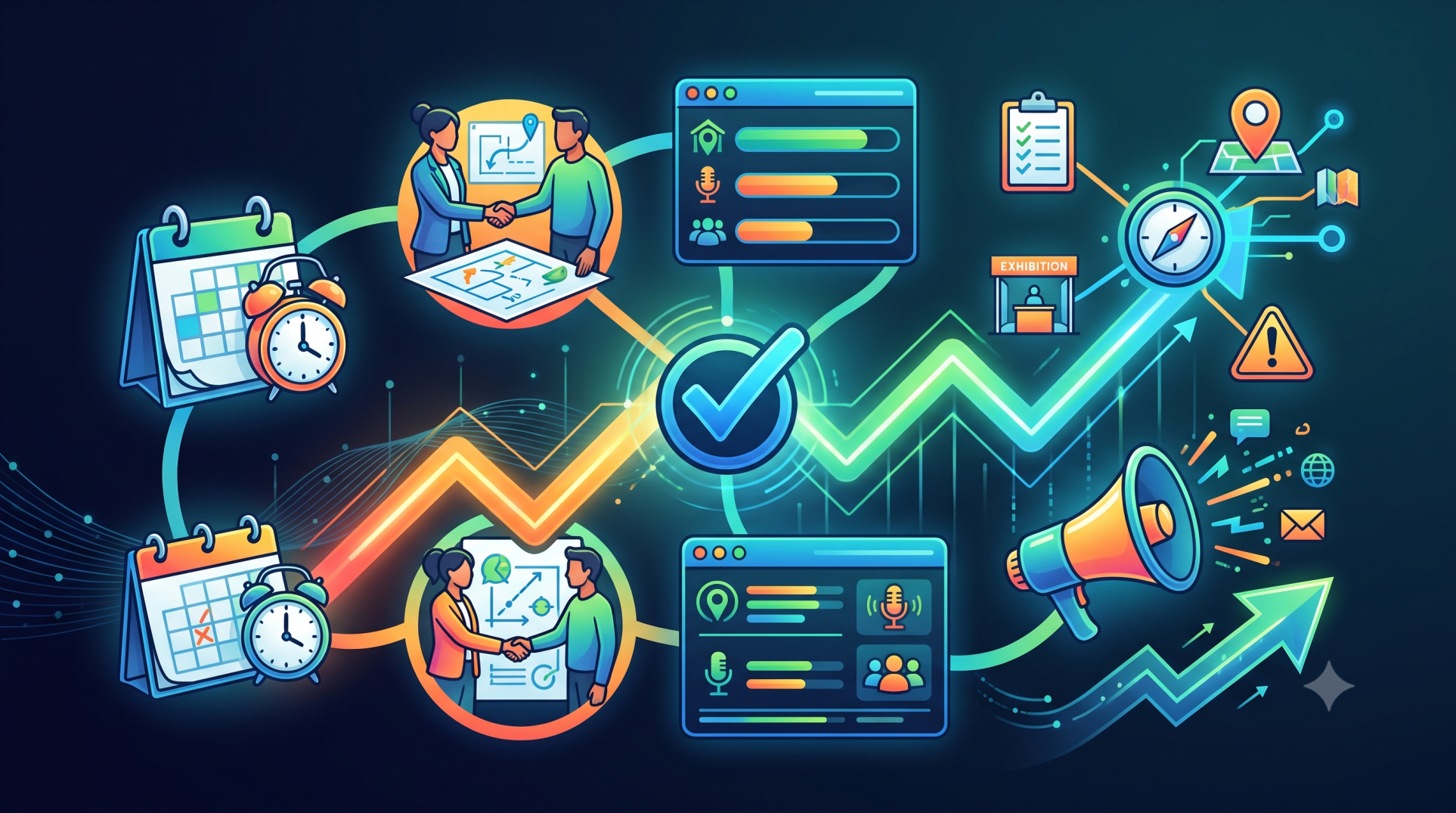
- Automates confirmations, reminders, and notifications 🔄
- Manages approval processes and permissions 📝
- Triggers workflows based on attendee behavior 🎯
- Reduces manual operational tasks ❌
- Improves consistency and execution reliability ✅
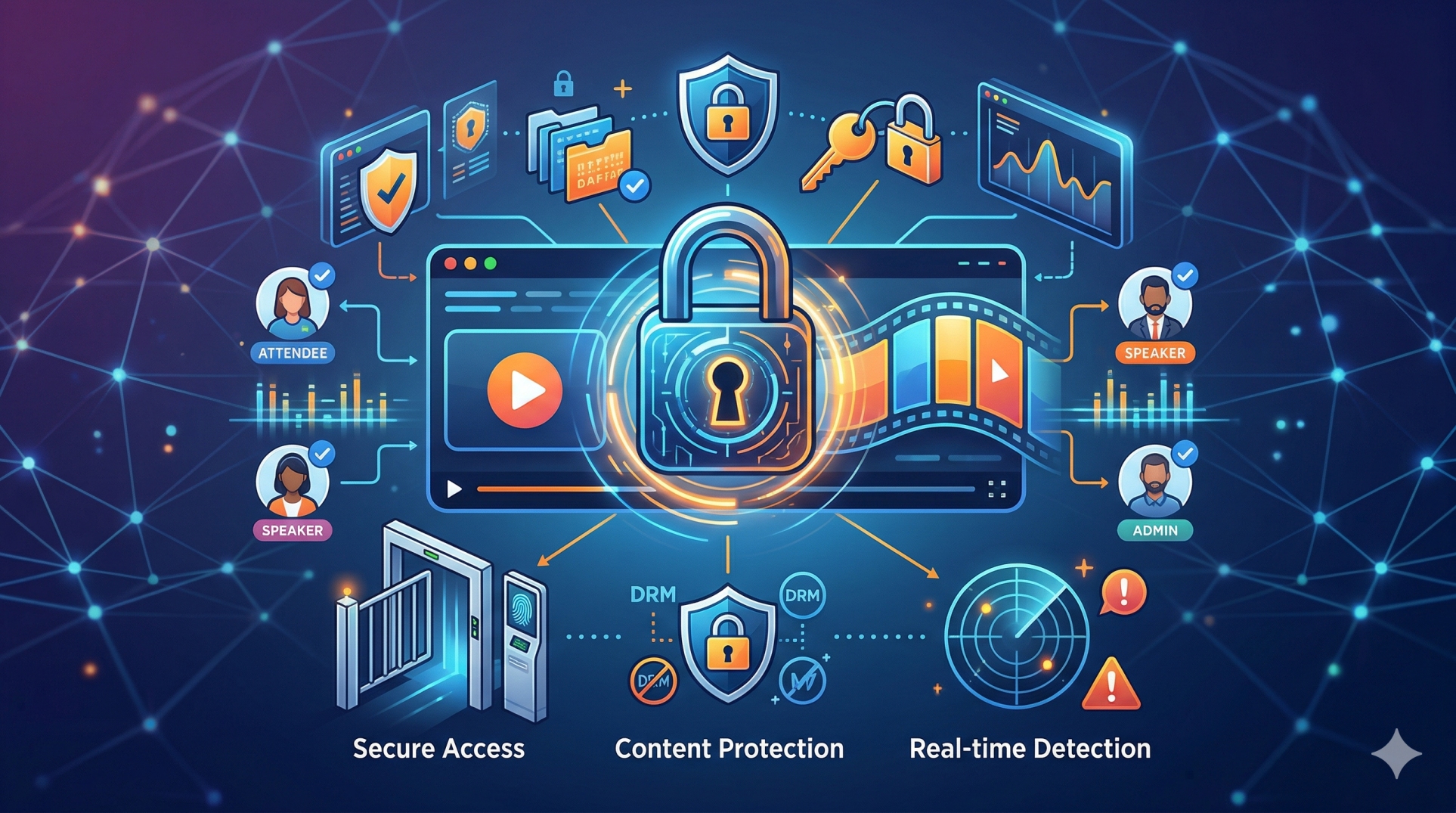
Security and Compliance Framework 🔐
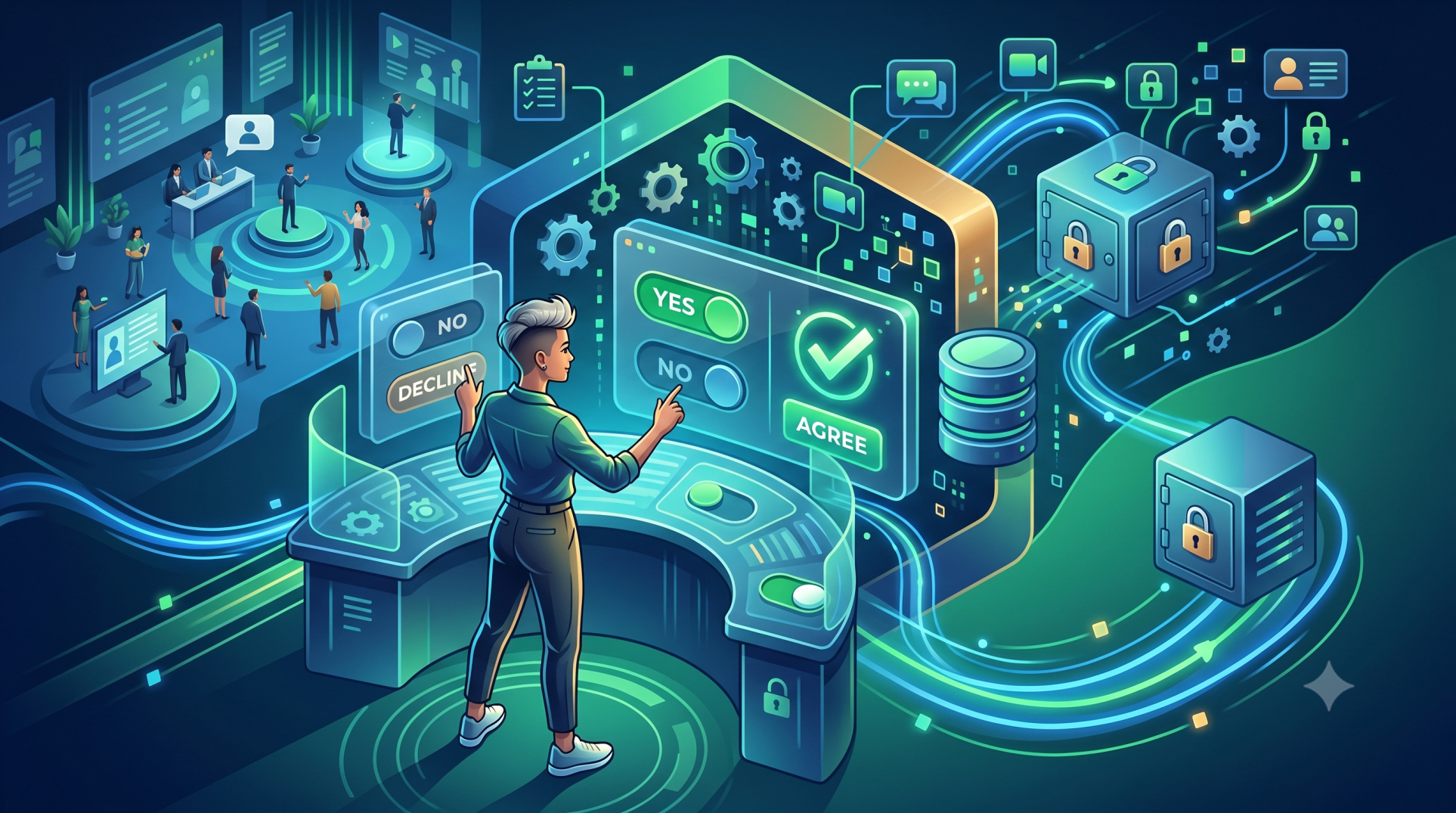
- Enforces role-based access controls 👤
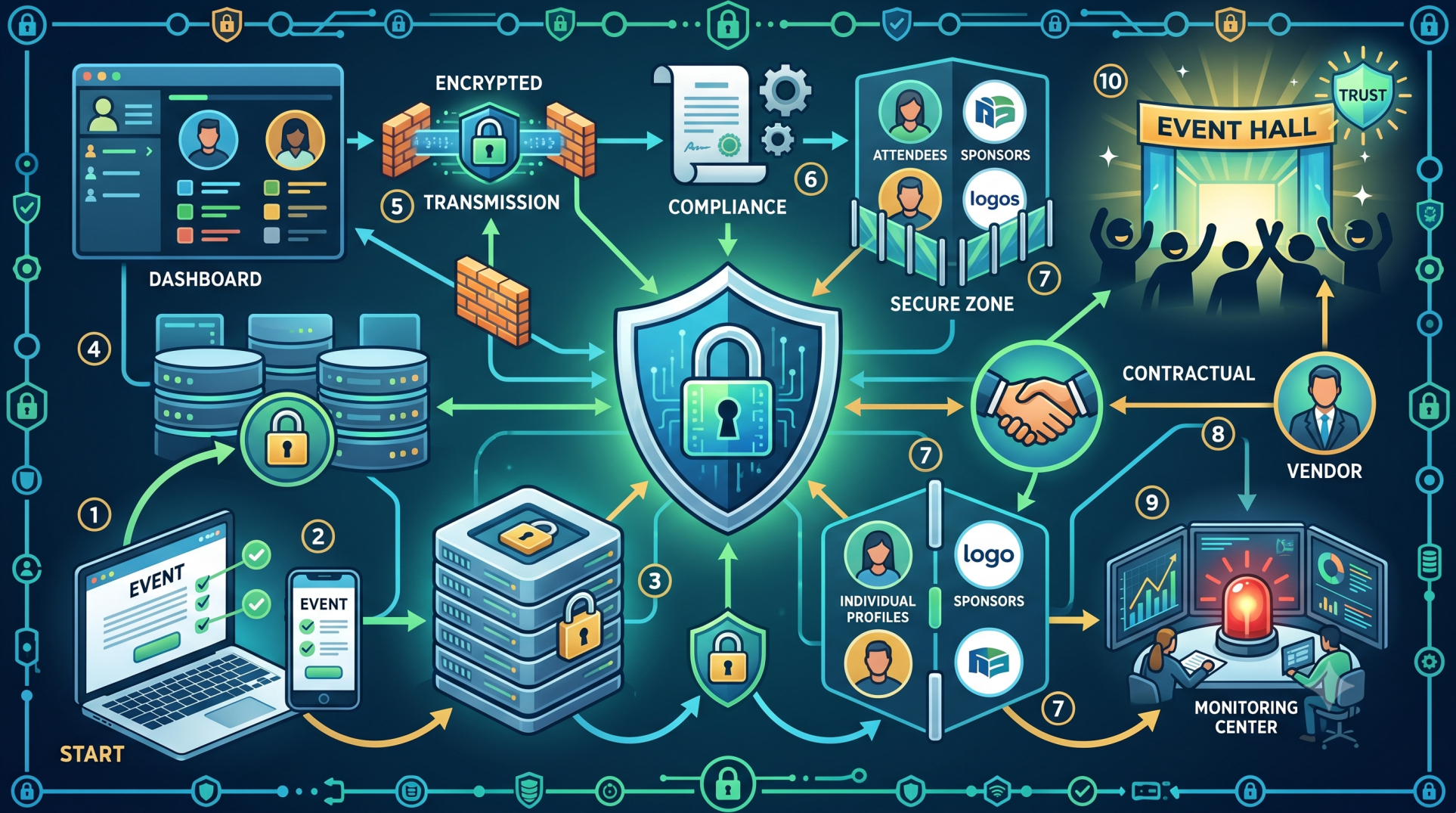
- Encrypts data in transit and at rest 🔒
- Maintains audit trails and activity logs 📜
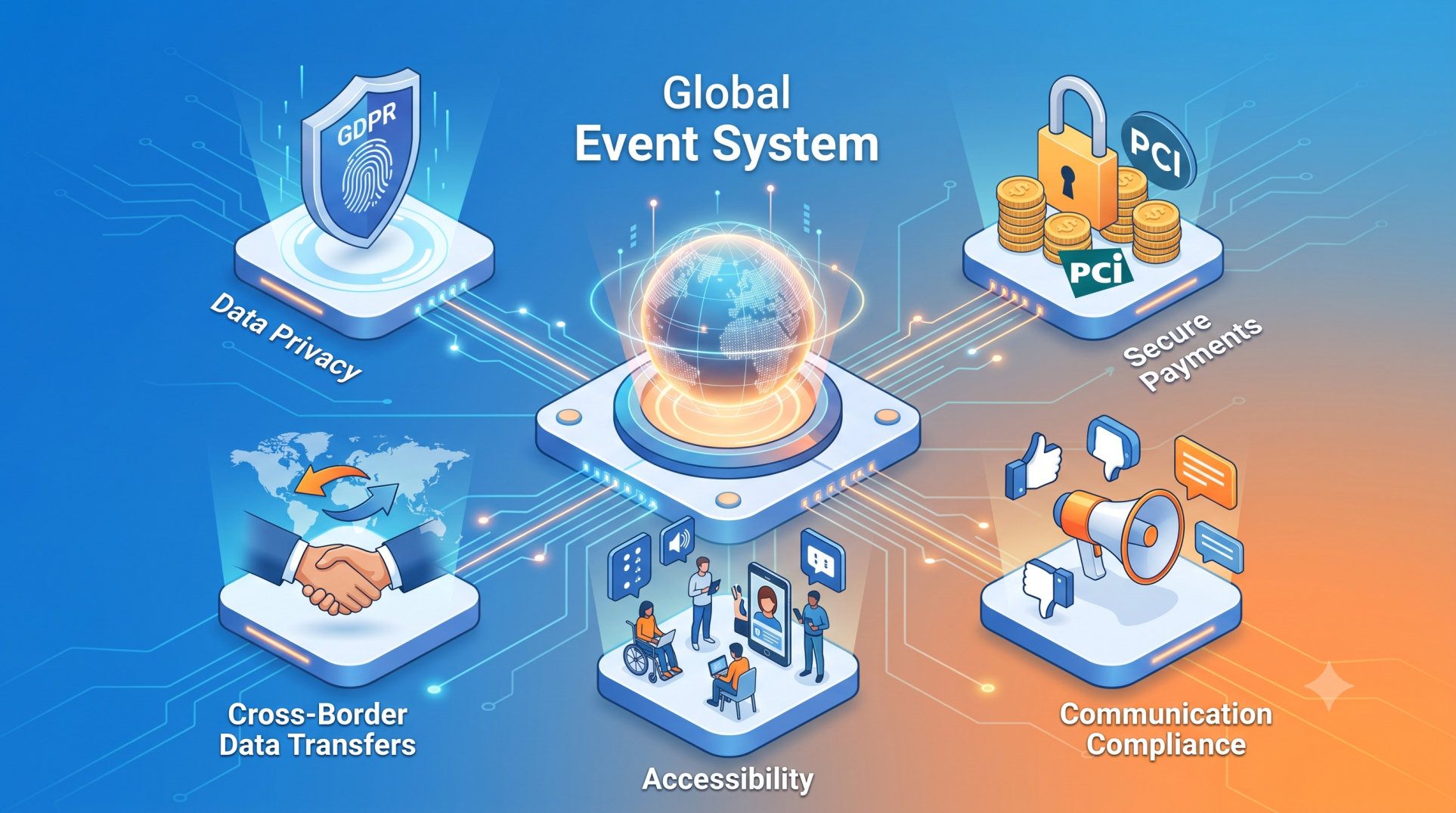
- Supports compliance with data protection regulations 🌐
- Safeguards sensitive attendee and payment information 🛡️
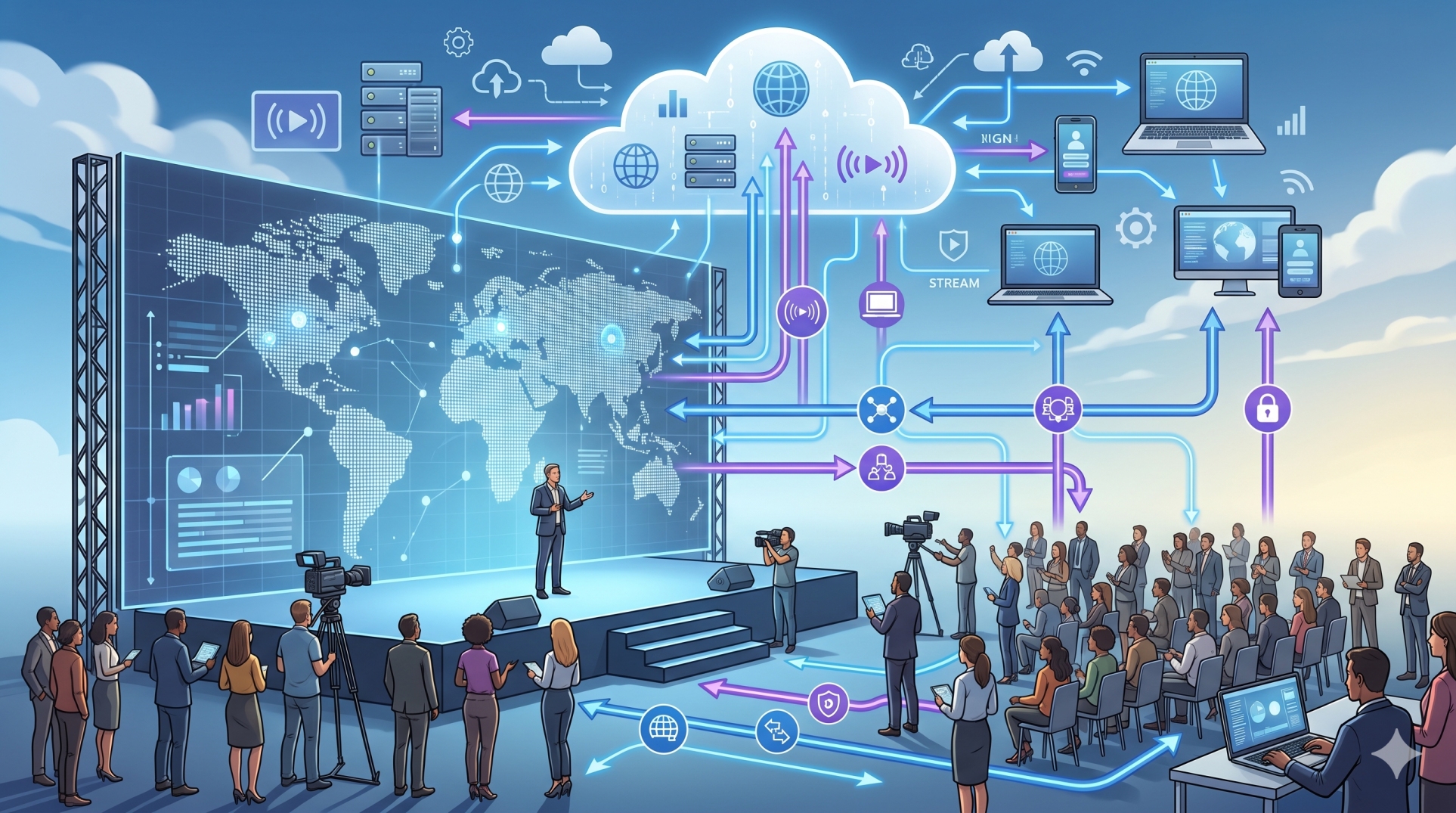
Hybrid and Virtual Event Capabilities 🌐
- Integrates with live-streaming and video platforms 🎥
- Supports virtual booths, chat, and networking features 💬
- Syncs in-person and virtual attendee data 🔄
- Tracks engagement across hybrid formats 📊
- Provides unified reporting for all event types 📈
Continuous Deployment and Platform Evolution 🔄
- Uses CI/CD pipelines for frequent releases 🚀
- Deploys new features with minimal disruption ⏱️
- Responds quickly to issues using live feedback 🧠
- Enables rapid innovation cycles 💡
- Keeps the platform aligned with changing event requirements 🔧
Final Thoughts 🏁
Modern event software is built on a scalable, cloud-native, and modular foundation. By combining real-time data processing, strong integrations, automation, and robust security, today’s platforms can support complex, high-impact events at scale. Understanding this technical structure helps organizations select event software that is reliable, future-ready, and capable of delivering exceptional event experiences. 🌟
See more blogs
You can all the articles below































Ready to Find Your Perfect Solution?
Let us show you how Event Software can transform your events

AI-powered event management platform that helps you create stunning events .