
Engagement Scoring Models in Digital Events
Engagement Scoring Models in Digital Events
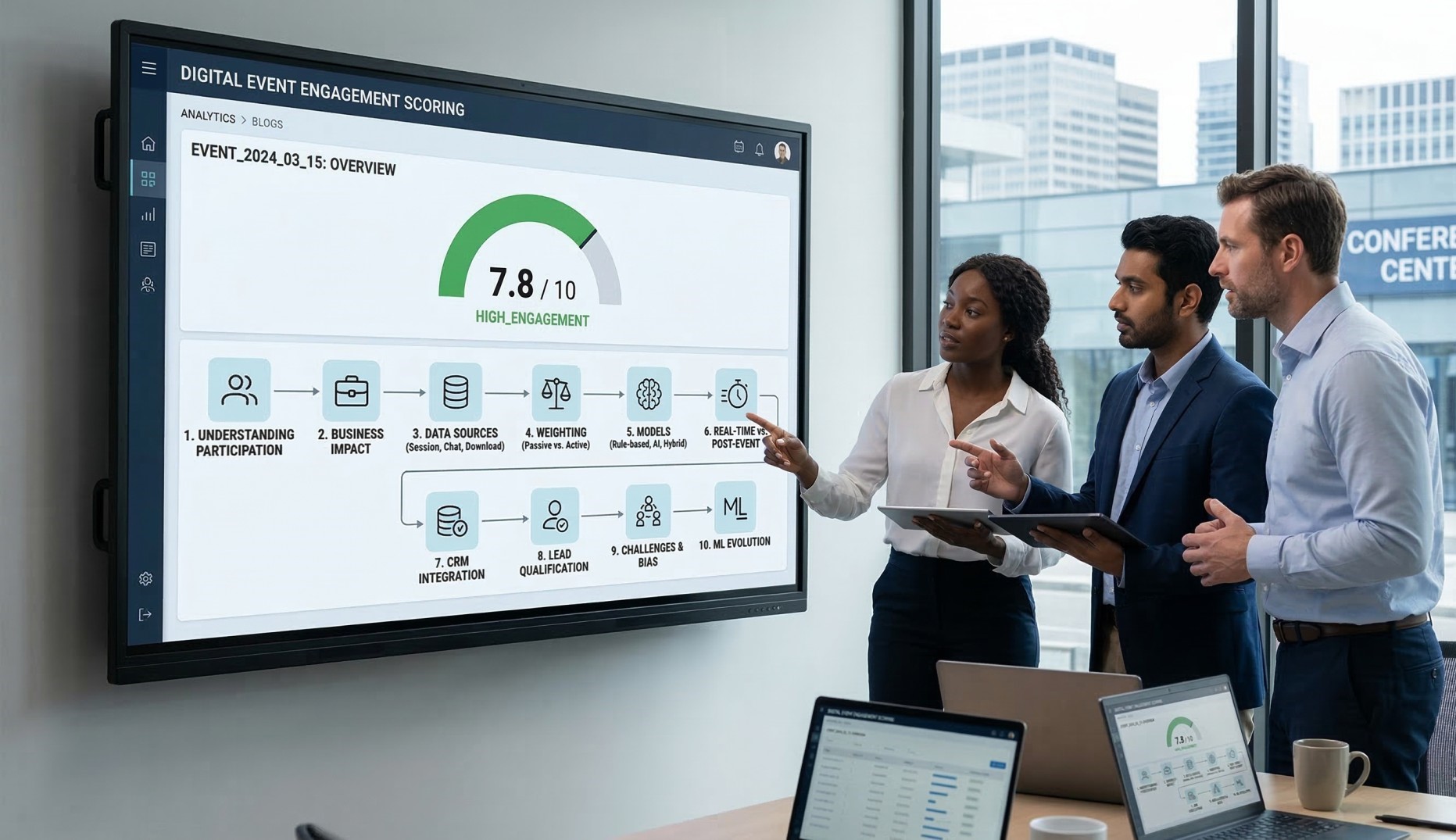
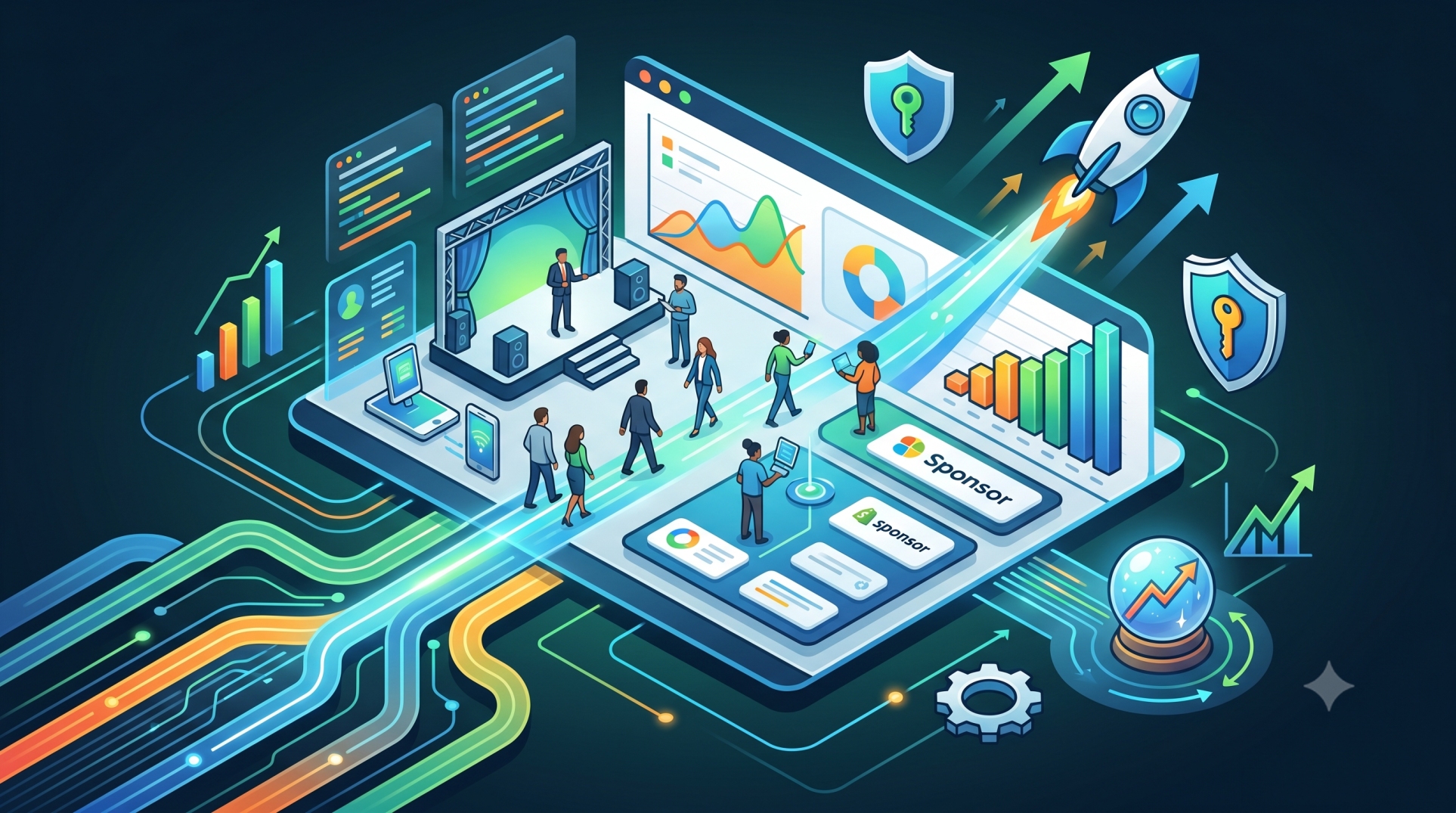
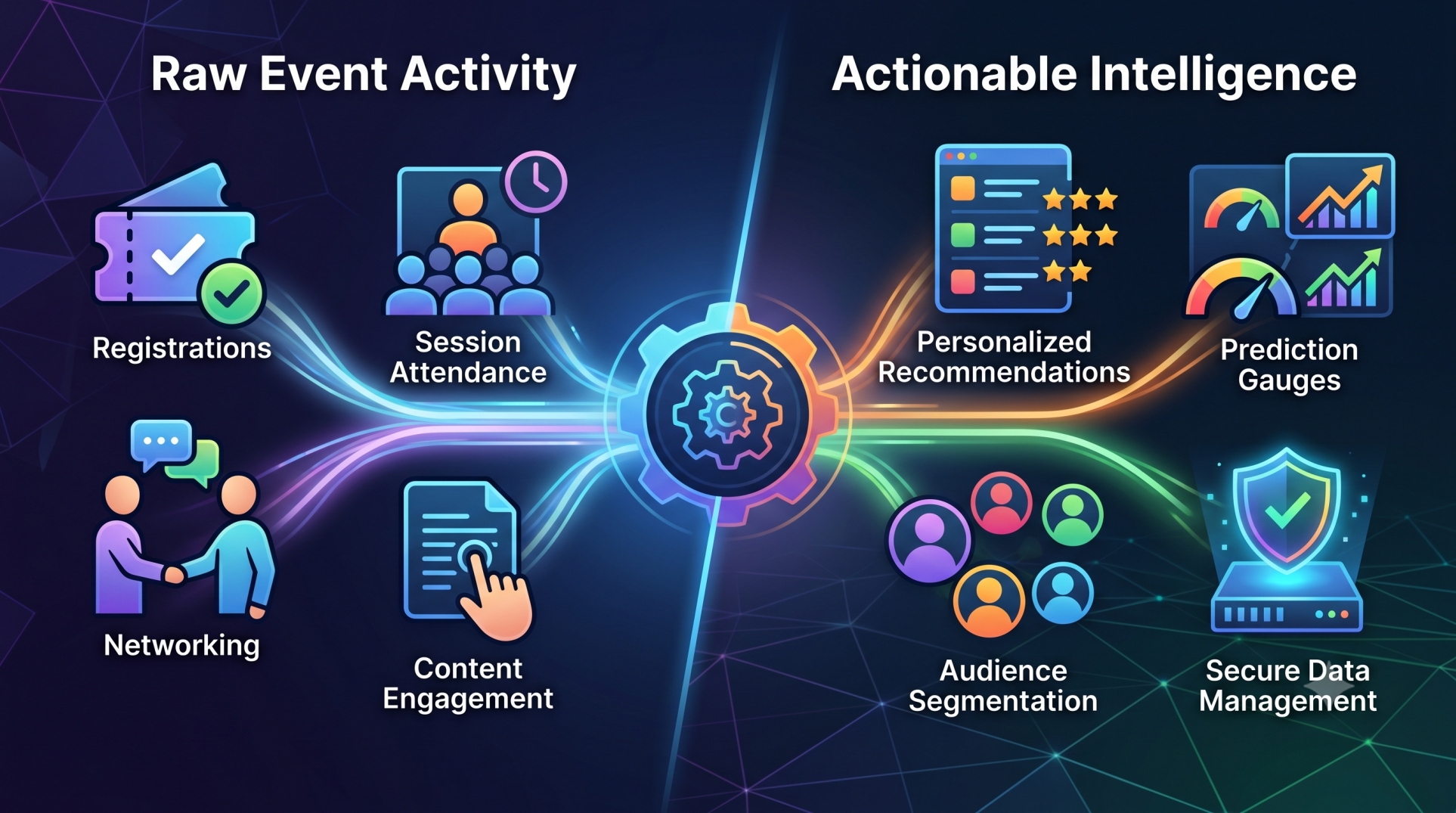
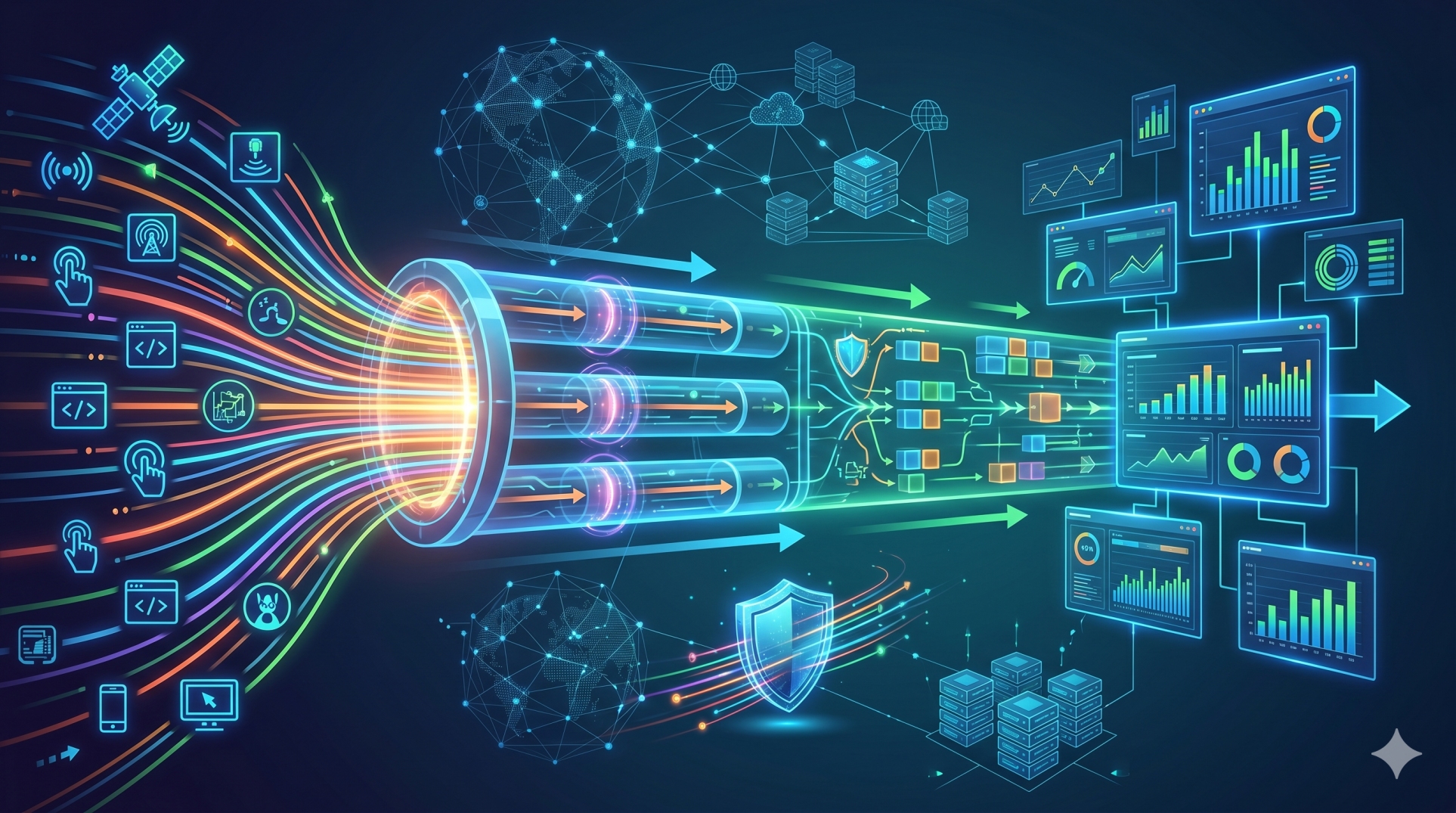
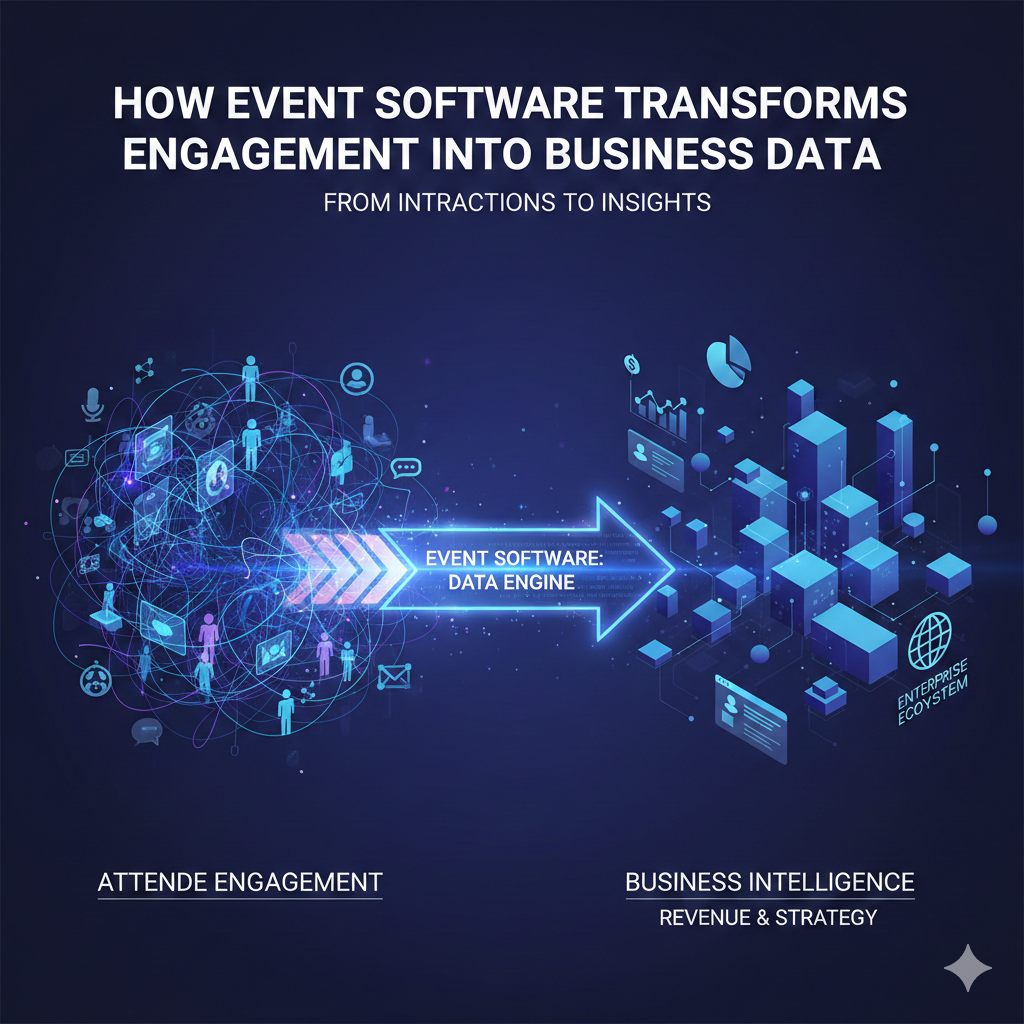
Digital events generate large volumes of interaction data, but raw signals alone do not deliver clear insights. Engagement scoring models convert attendee behavior into structured metrics that help organizations evaluate participation quality, identify high-value audiences, and refine event strategies. By transforming activity into measurable intelligence, these models support more informed and data-driven decision-making.
Step 1: Understanding Engagement in Digital Events 🎯
• Engagement extends beyond attendance to reflect active participation 🤝
• Includes actions such as session views, chats, polls, and content downloads 💬
• Indicates attendee interest, intent, and level of involvement 🧠
• Differs across event formats, industries, and audience segments 🌐
• Requires structured measurement to generate meaningful insights 📊
Step 2: Why Engagement Scoring Matters 📈
• Helps identify and prioritize high-intent attendees and prospects 🎯
• Improves lead qualification and audience segmentation 📋
• Provides measurable insights into event effectiveness 📊
• Enables personalized communication and targeted follow-ups ✉️
• Aligns event performance with broader business objectives 🏢
Step 3: Key Data Sources for Engagement Scoring 🗂️
• Tracks session attendance, duration, and drop-off patterns ⏱️
• Captures interaction data from chats, Q&A sessions, and polls 💬
• Measures content engagement including downloads and views 📥
• Monitors networking activities and meeting participation 🤝
• Analyzes behavioral patterns across the full event lifecycle 🔄
Step 4: Designing an Engagement Scoring Framework ⚙️
• Assigns weighted values to different attendee actions 📊
• Distinguishes between passive consumption and active participation 🧩
• Adjusts scoring logic based on event goals and priorities 🎯
• Considers frequency, depth, and recency of engagement ⏳
• Maintains transparency and flexibility in scoring methodology 🔍
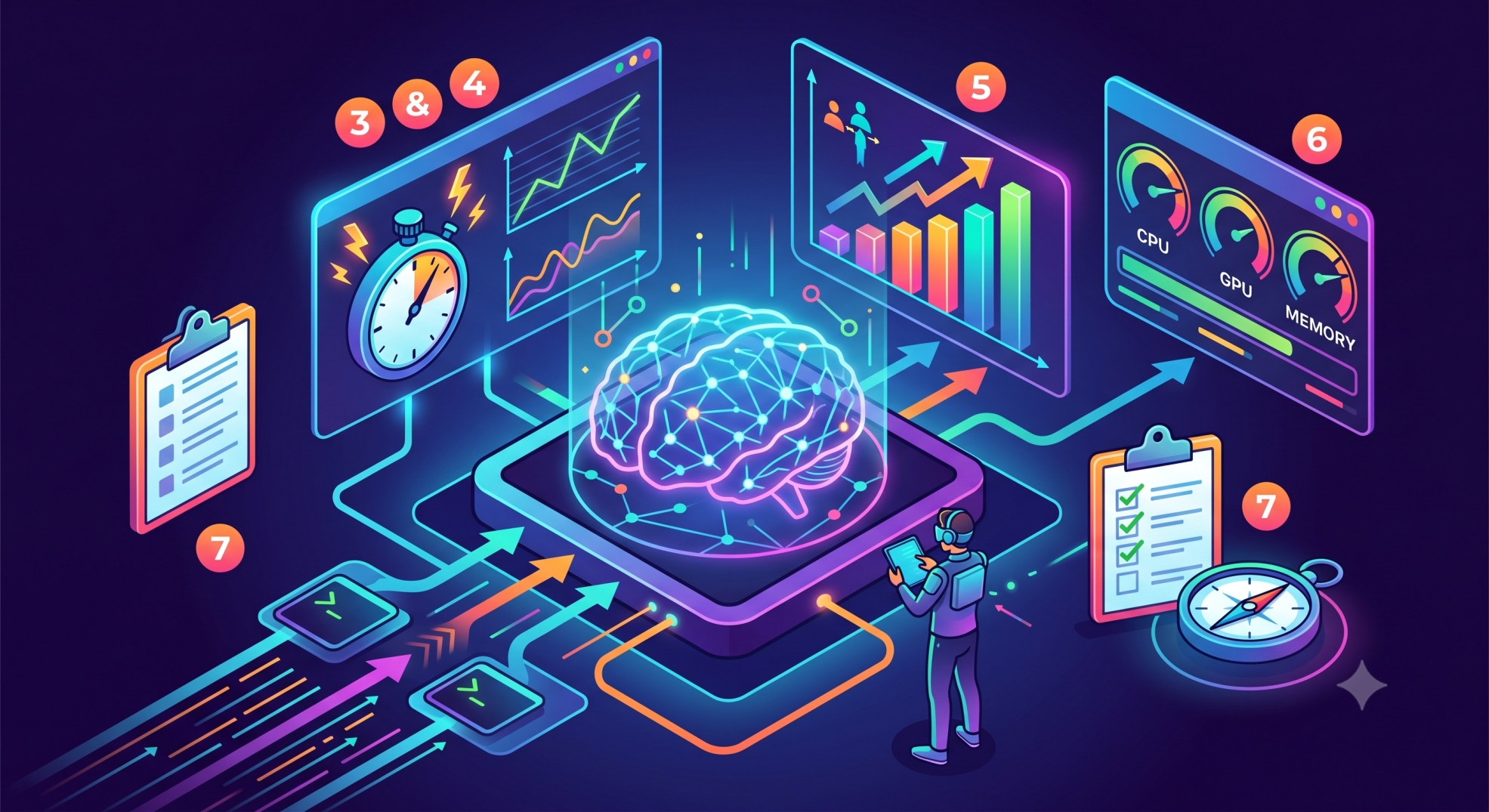
Step 5: Types of Engagement Scoring Models 🧠
• Rule-based models using predefined scoring criteria 📏
• Behavioral models based on interaction patterns 📊
• Predictive models leveraging historical engagement data 🔮
• AI-driven models that adapt to real-time user behavior 🤖
• Hybrid approaches combining multiple scoring techniques ⚙️
Step 6: Real-Time vs Post-Event Scoring ⏱️
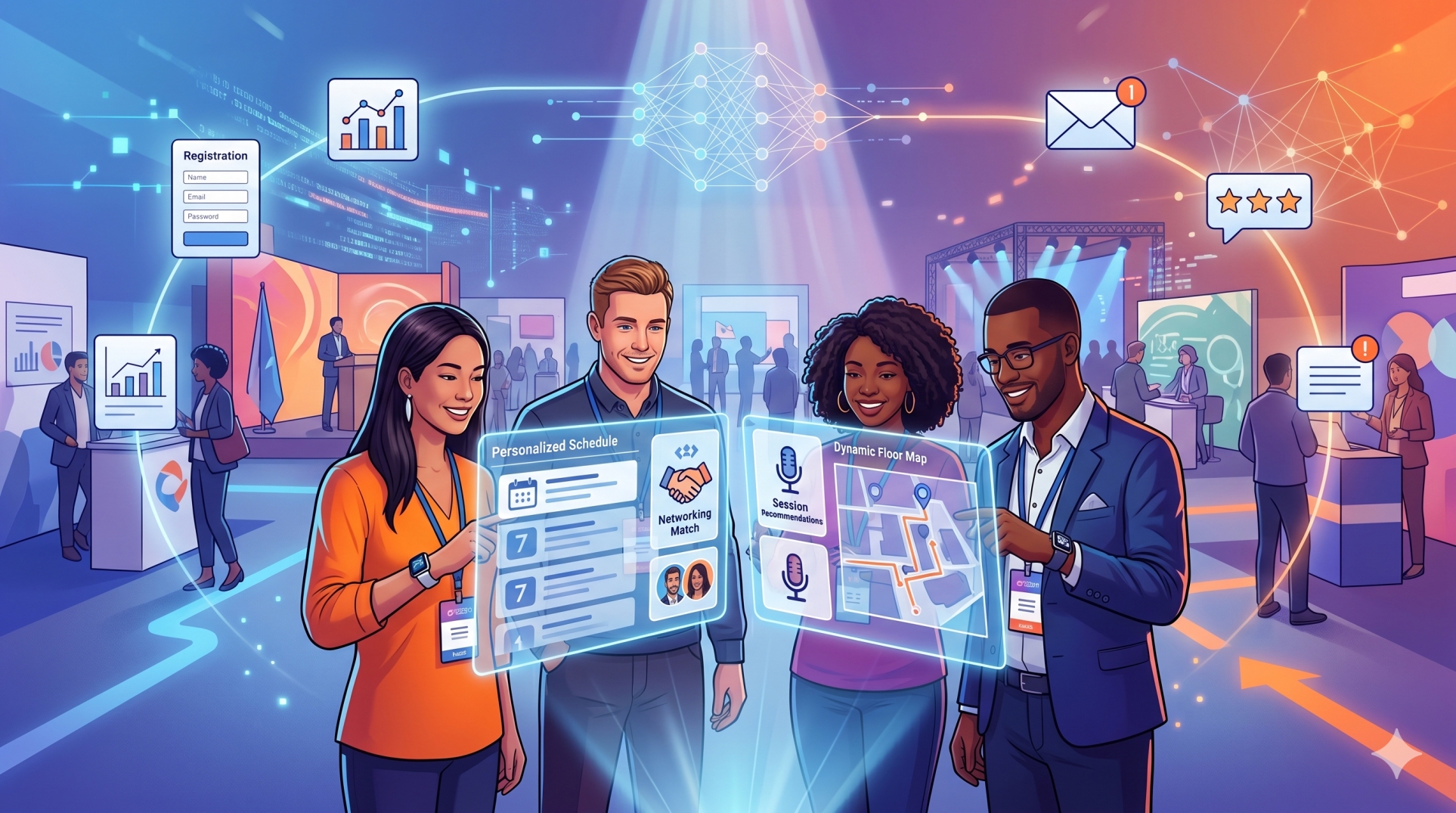
• Real-time scoring enables dynamic personalization during events ⚡
• Supports immediate recommendations and engagement triggers 🎯
• Post-event scoring provides deeper analysis and reporting 📊
• Helps assess overall event performance and attendee value 📈
• Combines short-term engagement with long-term insights 🔄
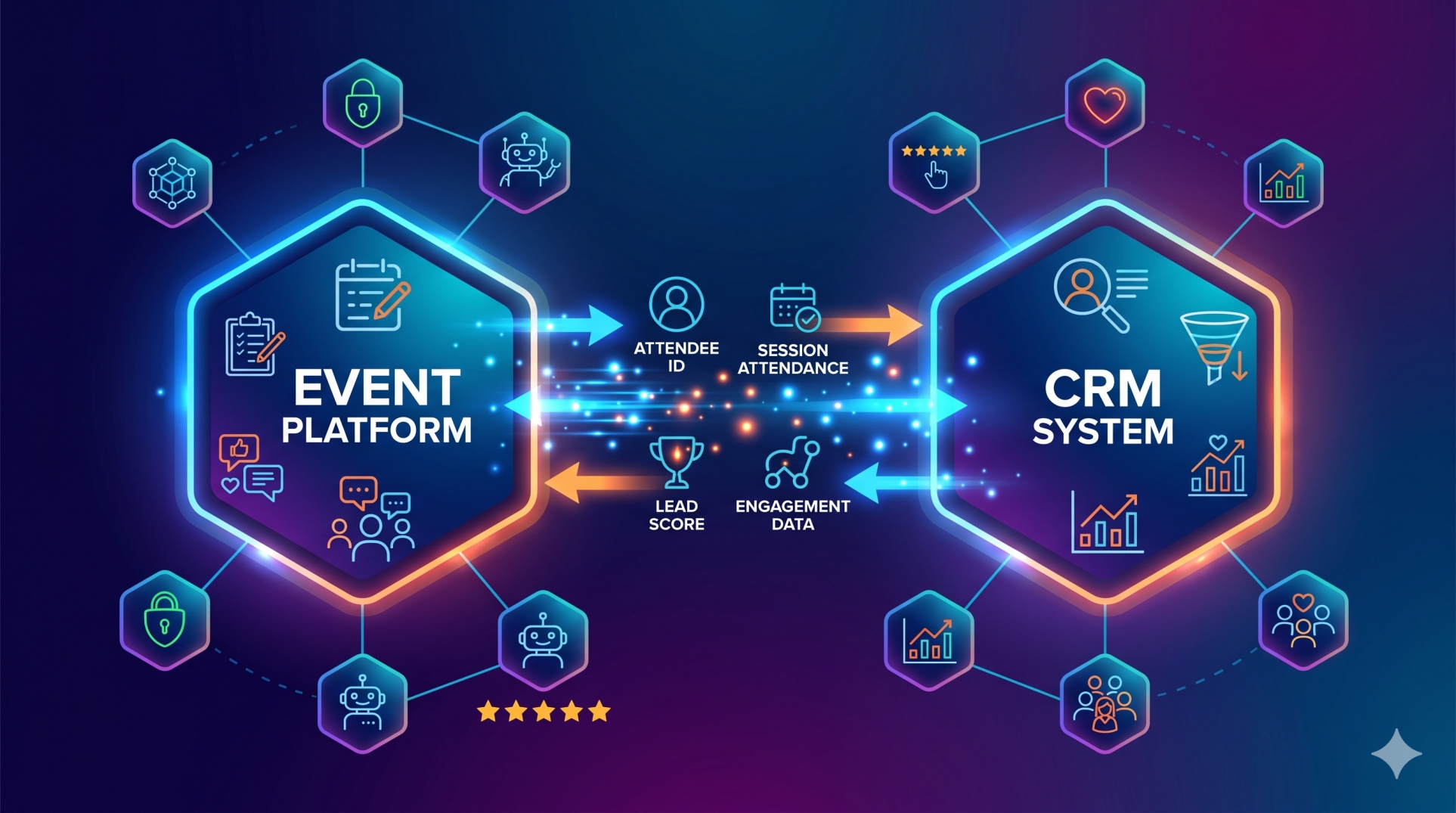
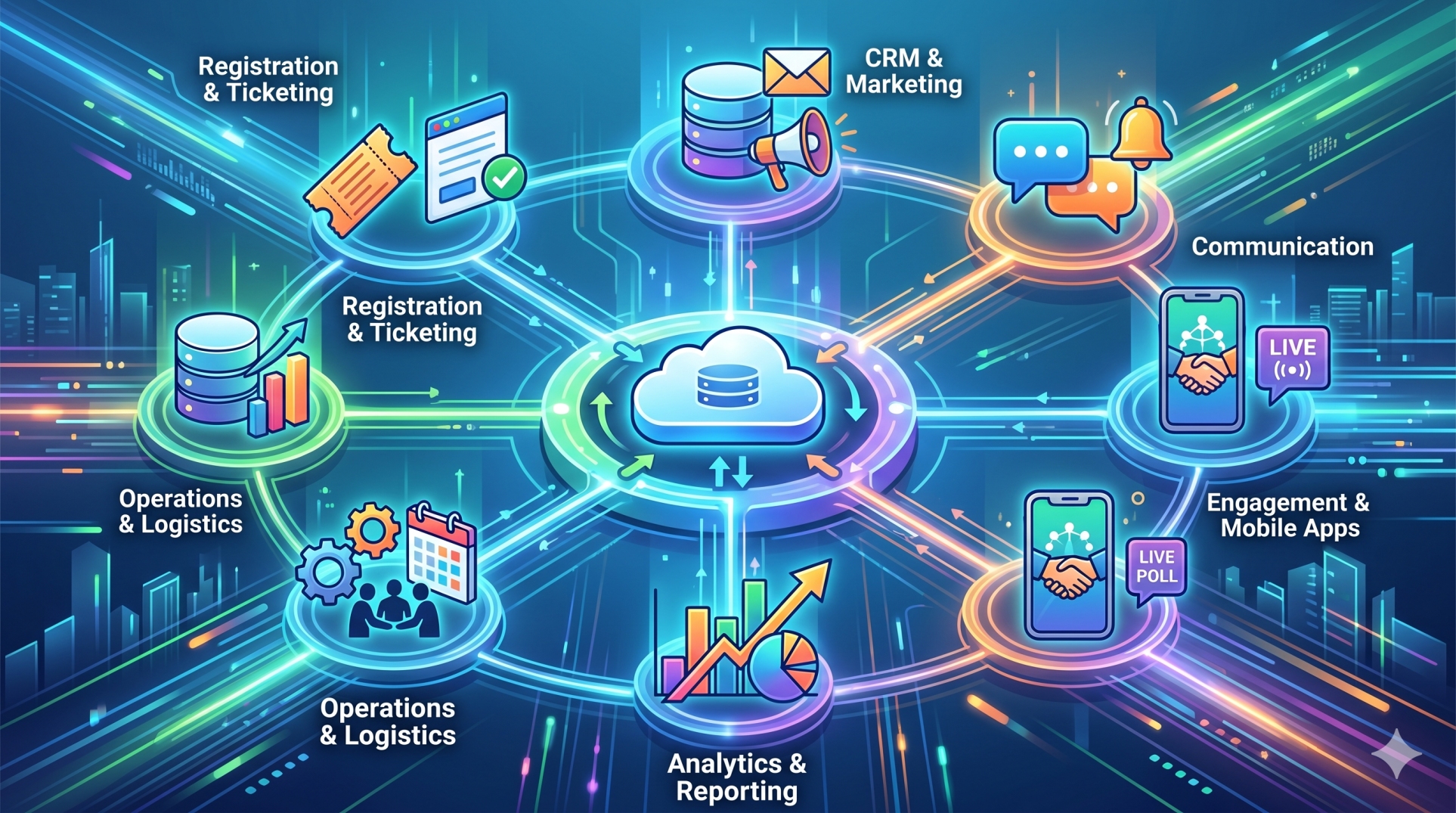
Step 7: Integrating Engagement Scores with Business Systems 🔗
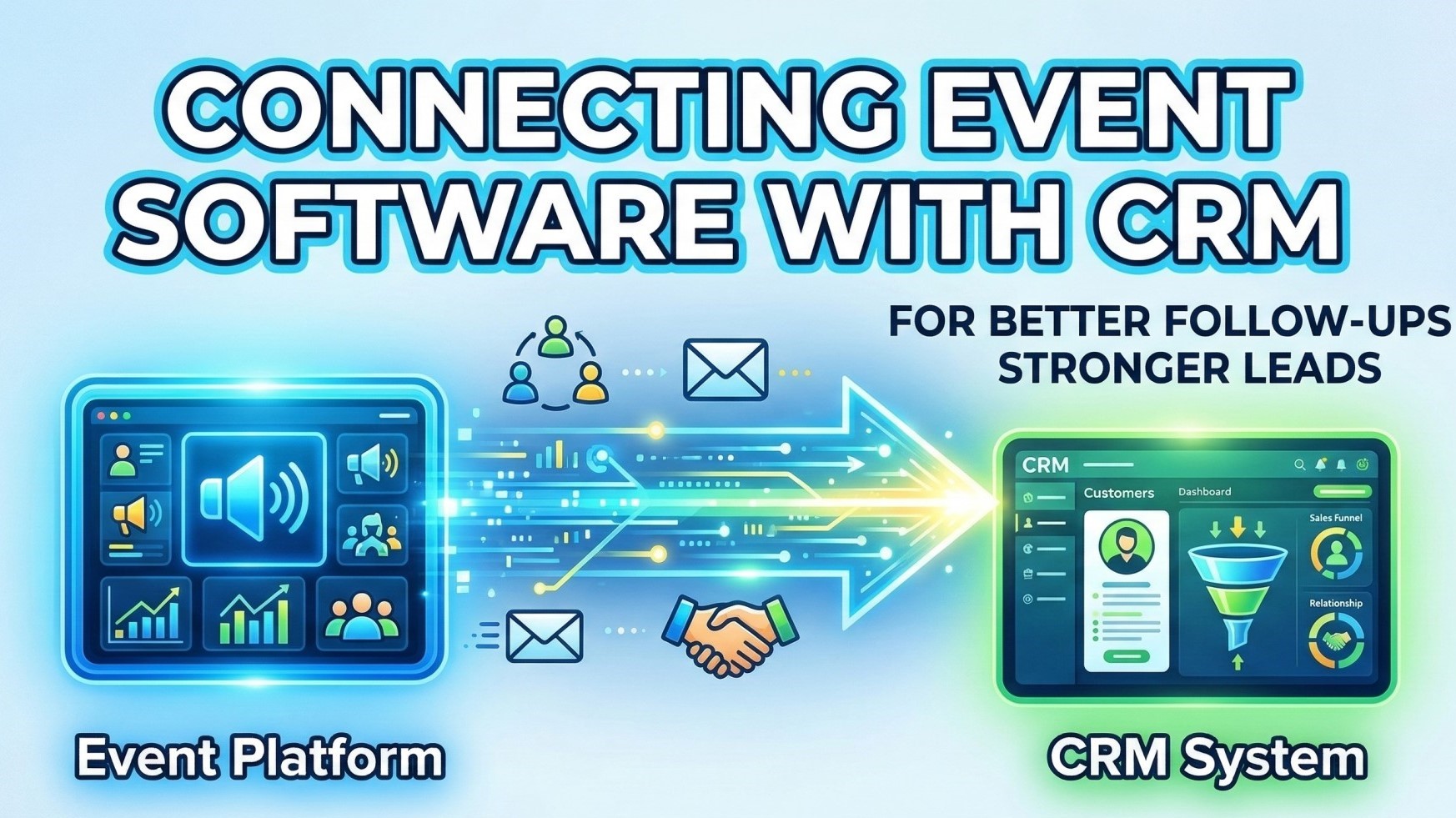
• Syncs engagement data with CRM platforms for lead management 🧑💼
• Enhances marketing automation and campaign workflows 📣
• Supports sales prioritization and outreach strategies 💼
• Links engagement metrics with revenue tracking systems 💰
• Enables unified analytics across multiple business channels 📊
Step 8: Key Outcomes of Engagement Scoring 🚀
• Identifies high-value attendees and potential opportunities 🎯
• Improves focus on qualified leads and conversion potential 📈
• Enables more effective and targeted follow-up strategies ✉️
• Strengthens alignment between events and revenue objectives 🏢
Step 9: Challenges in Engagement Scoring ⚠️
• Defining accurate weights for different interaction types 📏
• Avoiding bias toward frequent but low-value activities 🔁
• Ensuring consistent and high-quality data across systems 📊
• Adapting models to varied event formats and audiences 🌐
• Maintaining clarity and transparency in scoring logic 🔍
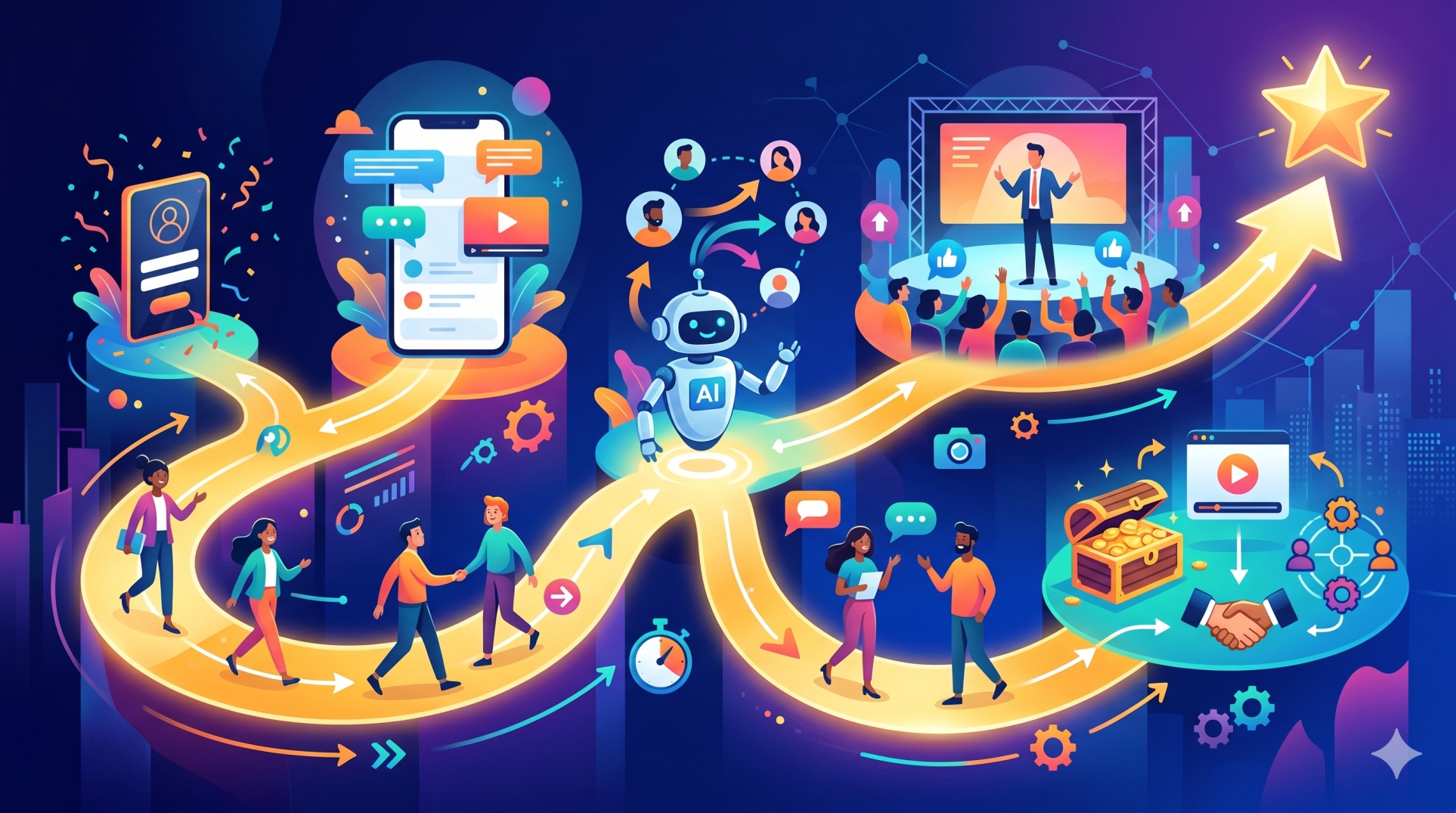
Step 10: Evolving Toward Intelligent Engagement Models 🤖
• Incorporates machine learning for adaptive and dynamic scoring 🧠
• Continuously improves models using new engagement data 🔄
• Aligns scoring frameworks with evolving business priorities 🎯
• Supports scalable and automated decision-making ⚙️
• Maximizes long-term value derived from event data 📈
Conclusion
Engagement scoring models are essential for transforming digital event interactions into measurable business outcomes. By structuring attendee behavior into meaningful scores, organizations can better evaluate participation, prioritize opportunities, and enhance overall event effectiveness. As digital events continue to expand, advanced engagement scoring will remain a key driver of intelligent, data-driven event strategies.
See more blogs
You can all the articles below






























Ready to Find Your Perfect Solution?
Let us show you how Event Software can transform your events

AI-powered event management platform that helps you create stunning events .