
Hybrid Event Software Architecture Explained

Hybrid Event Software Architecture Explained
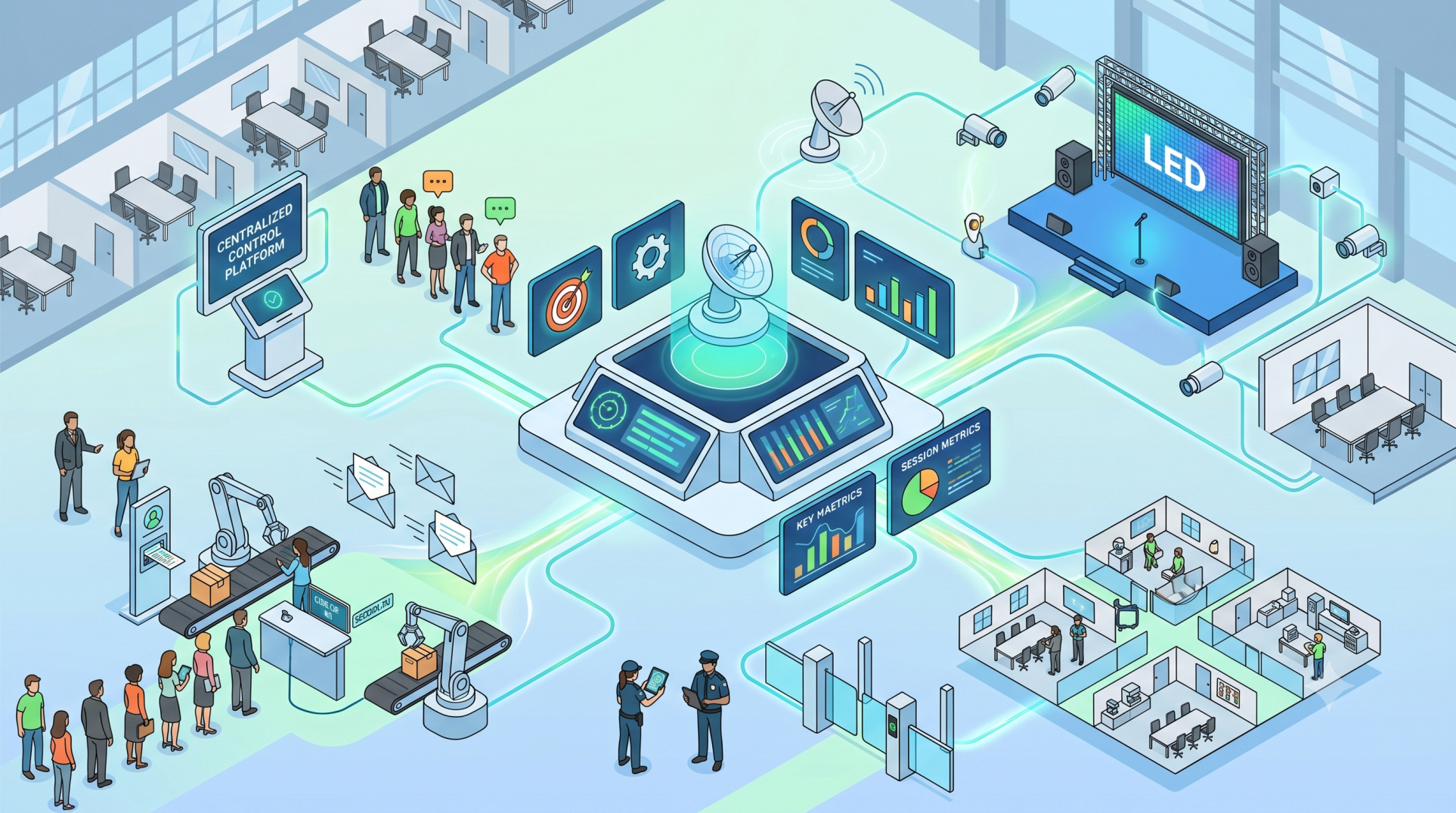
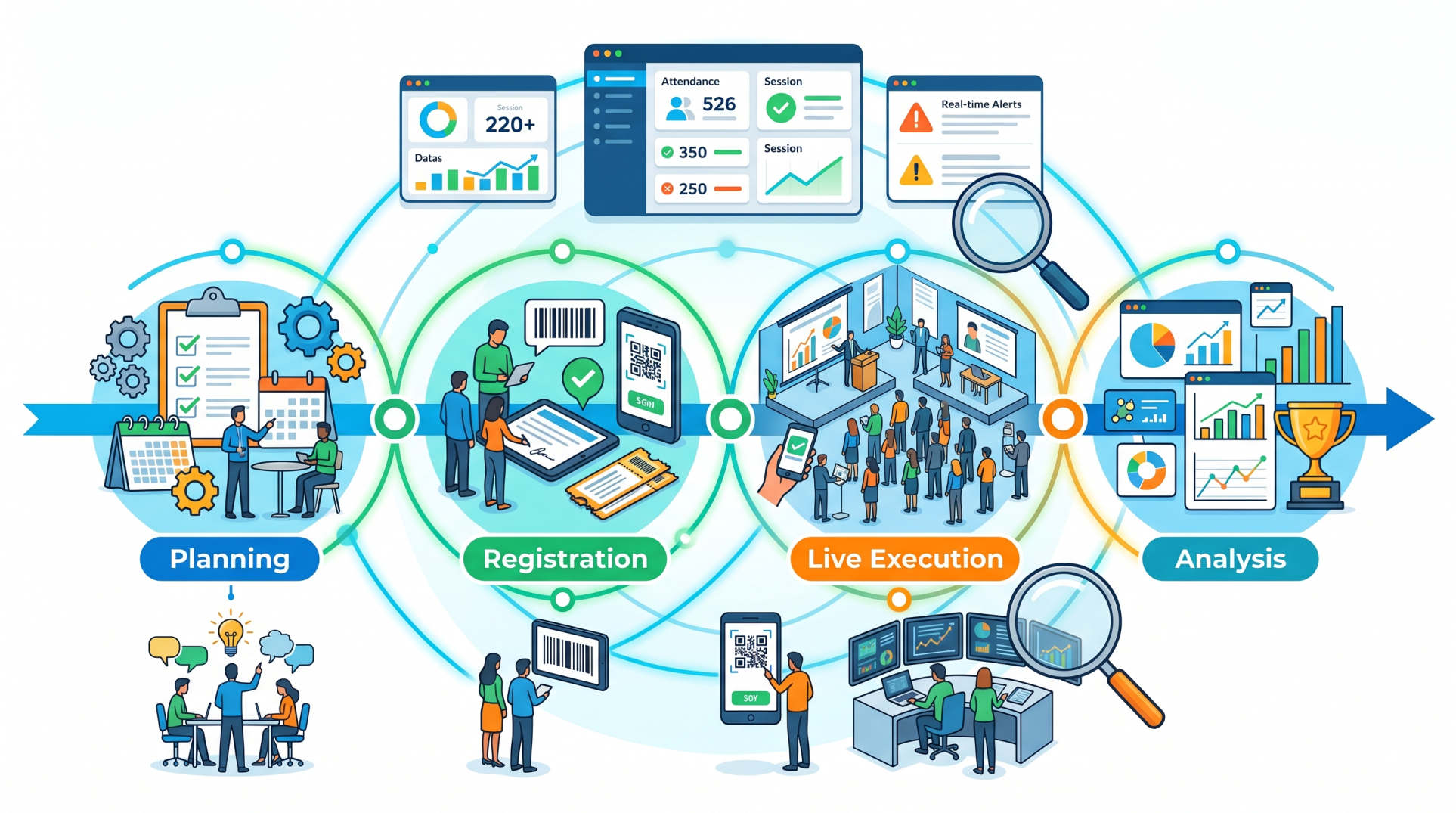
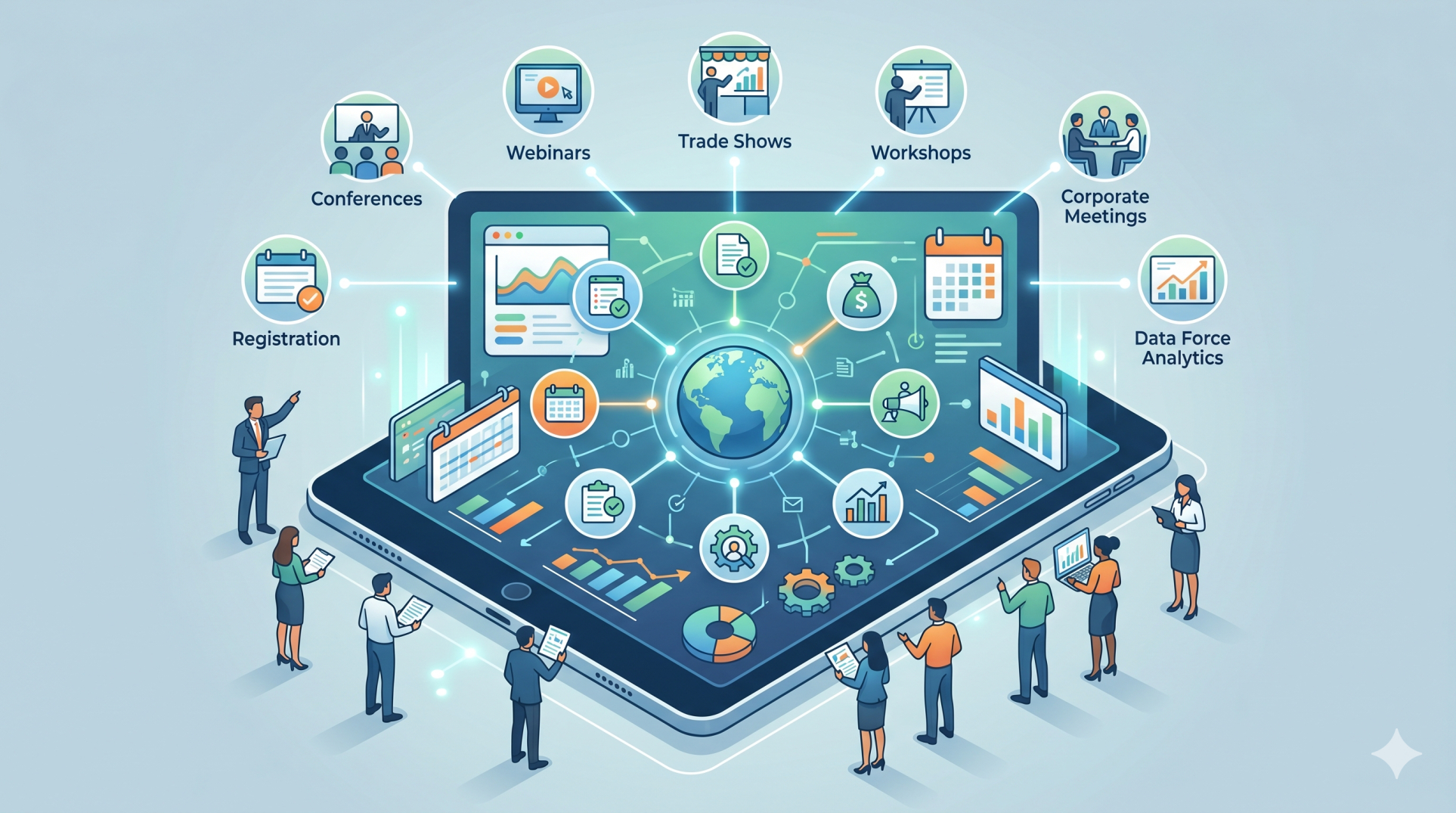
Hybrid events bring together in-person and virtual audiences into one connected experience. To support this format, event platforms rely on a flexible and scalable hybrid event software architecture. This architecture enables smooth engagement, real-time data exchange, and consistent experiences for both on-site and remote participants.
1. What Is Hybrid Event Software Architecture
• A unified technology framework supporting physical and virtual events 🧩
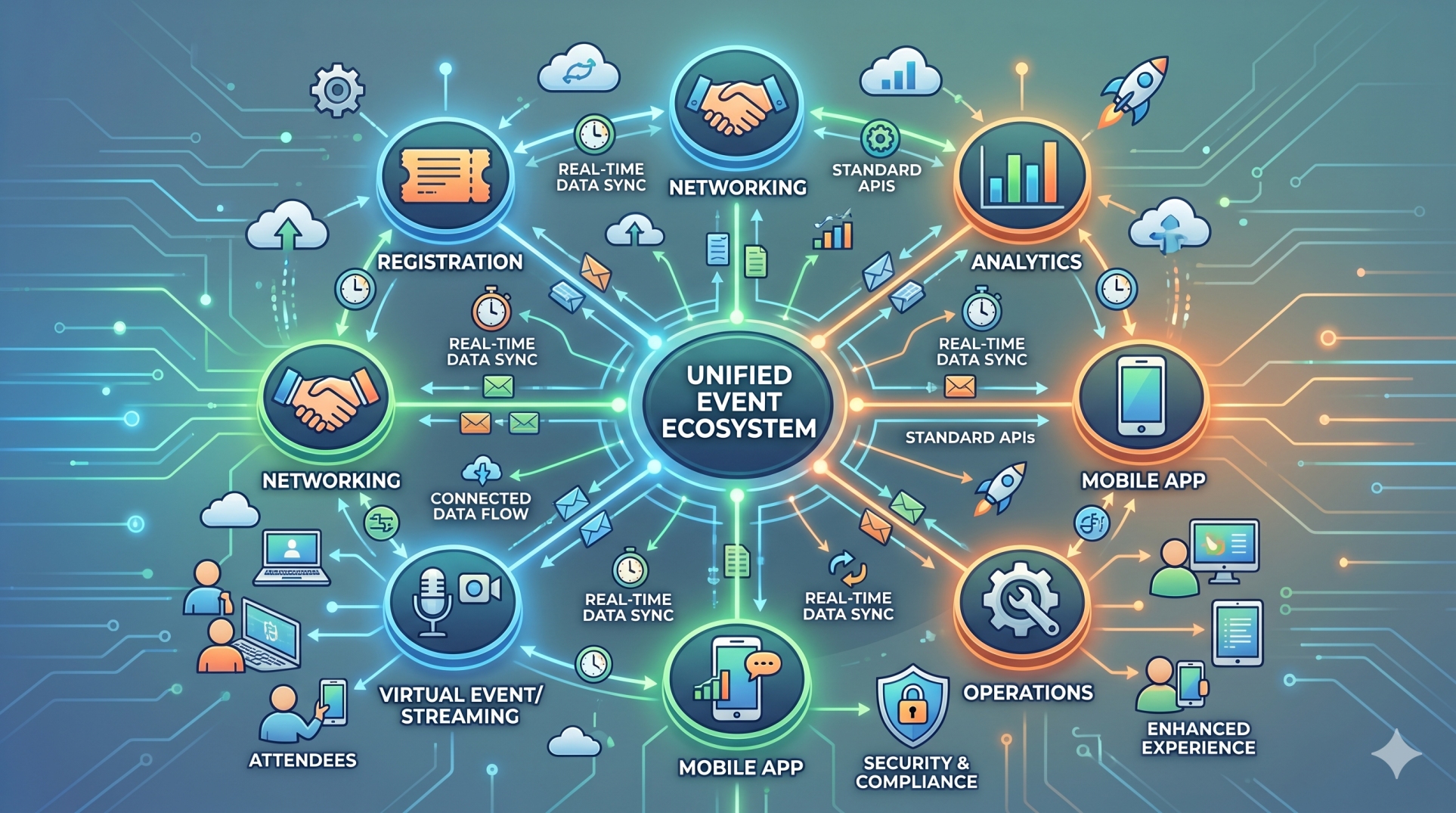
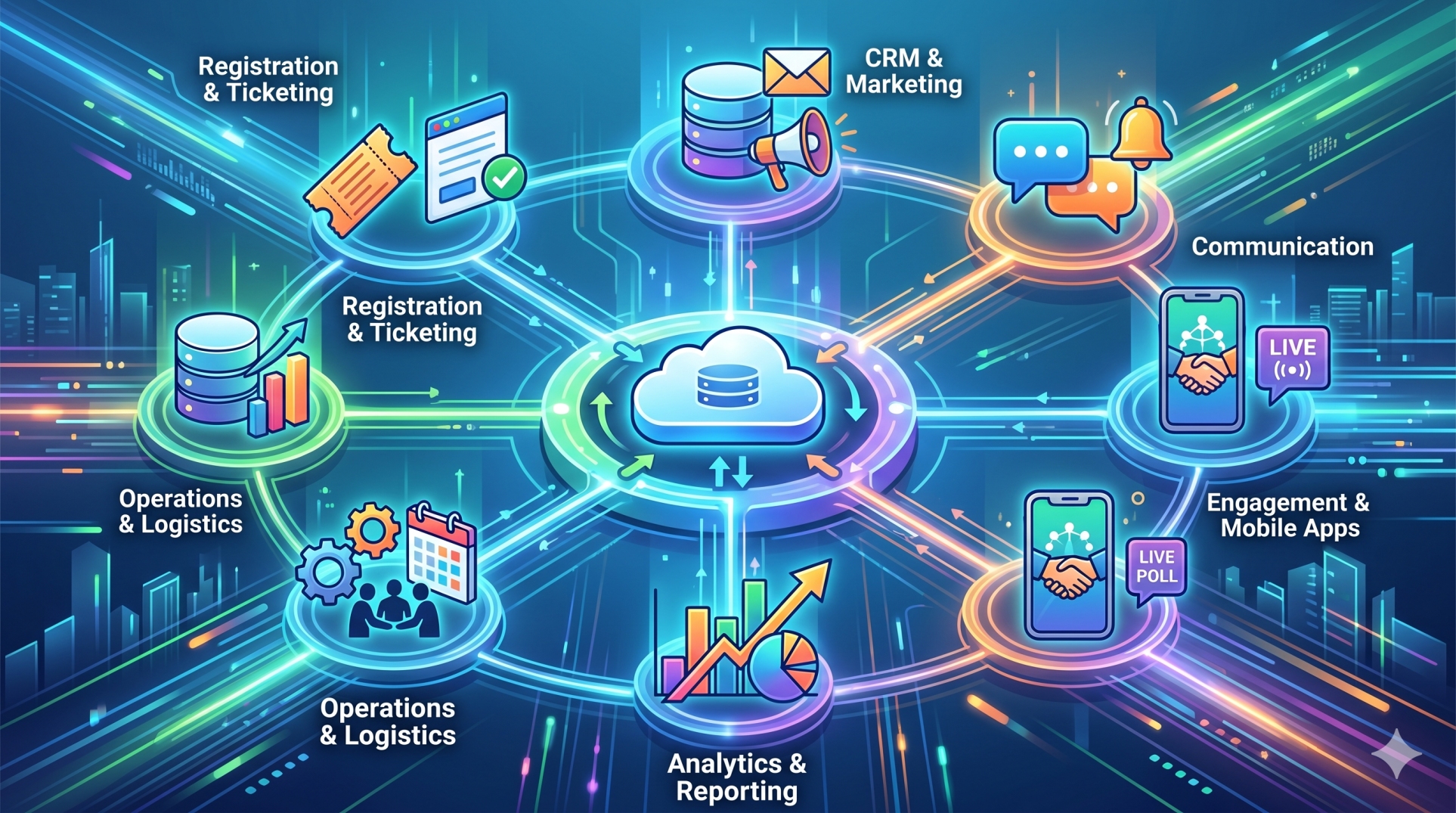
• Connects event management, streaming, engagement, and analytics tools 🔗
• Enables real-time interaction between in-person and online audiences ⏱️
• Designed for scalability, reliability, and high performance 📈
🧠 Core Components of Hybrid Event Architecture
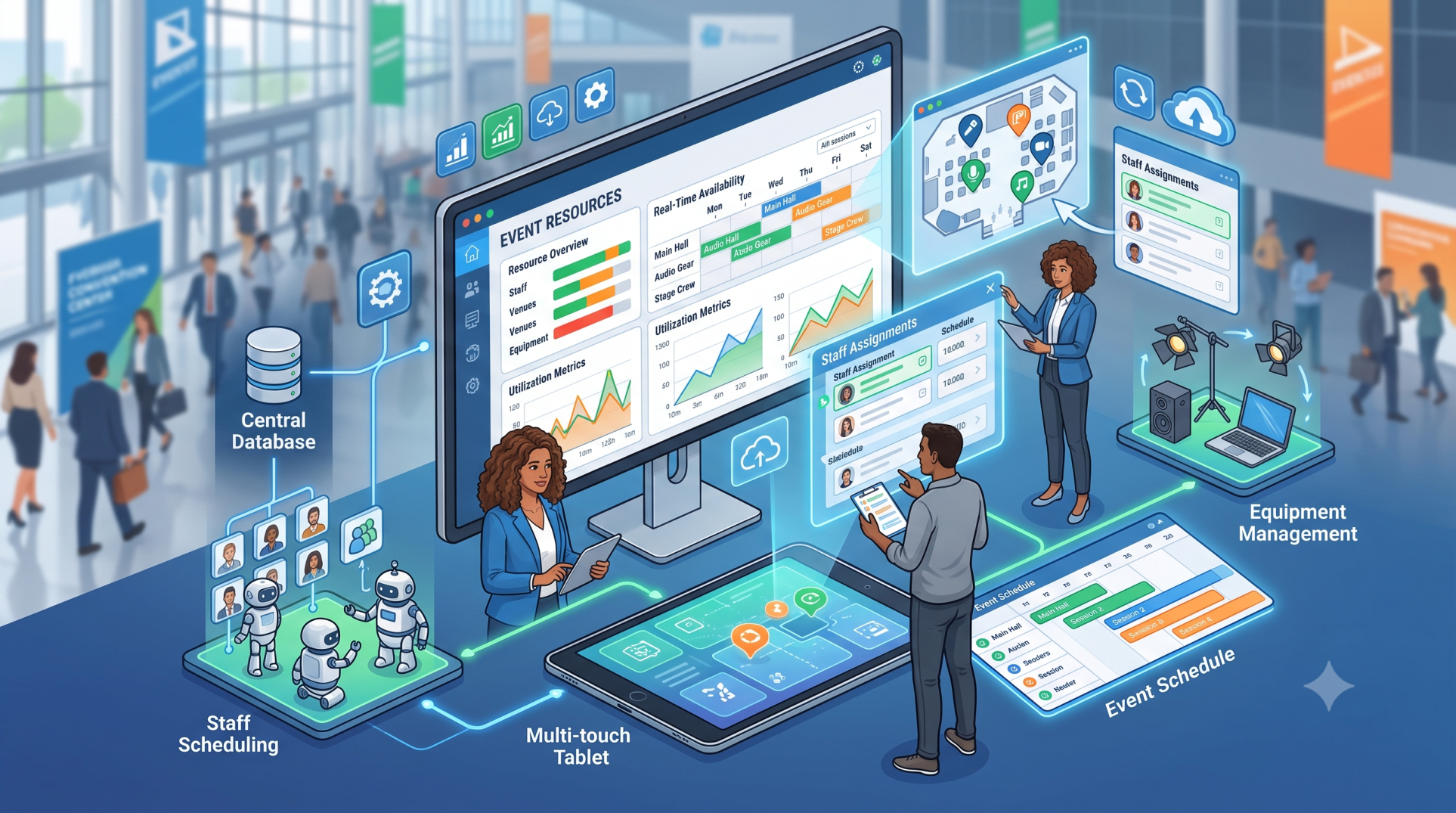
2. Event Management Layer
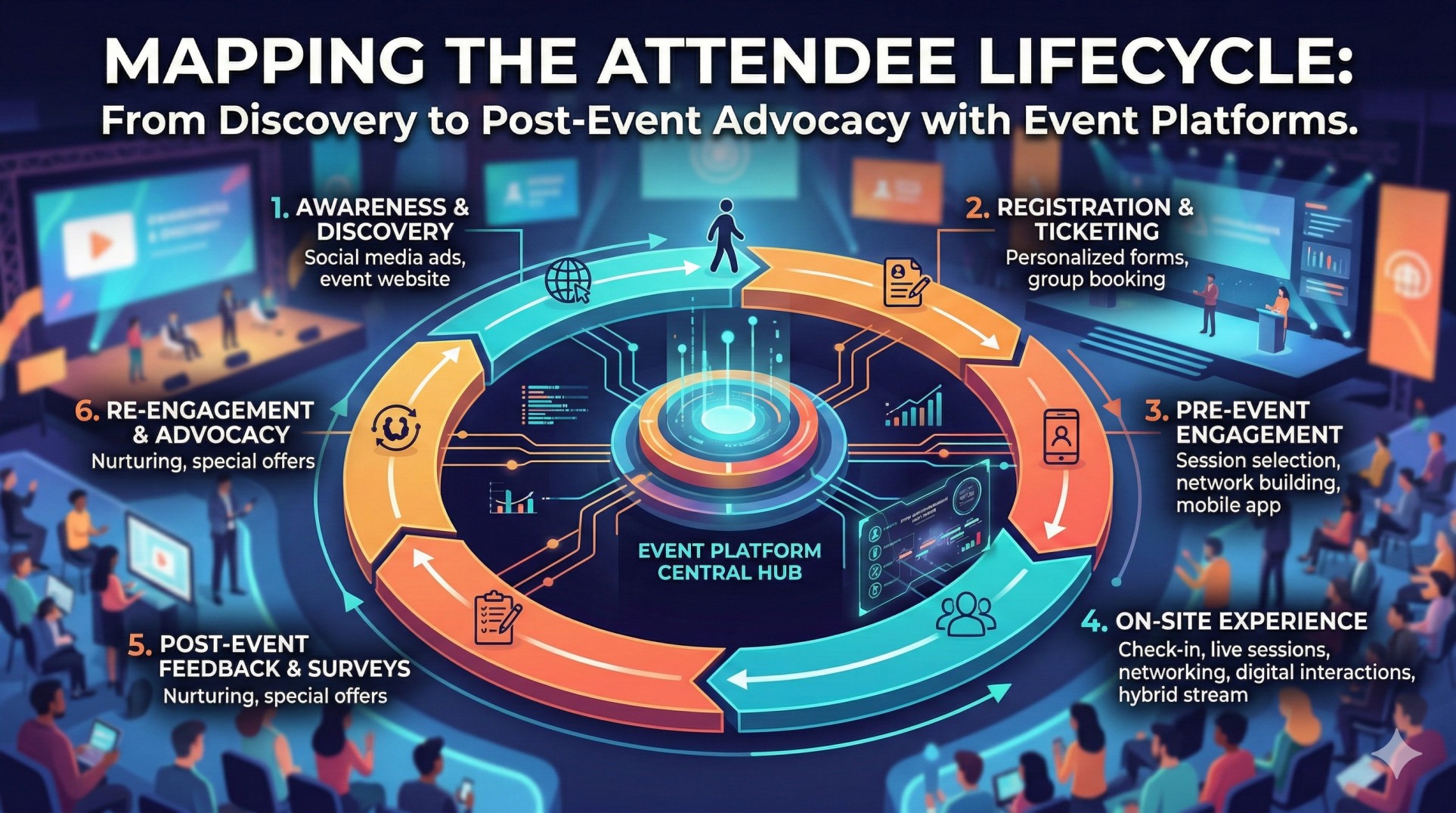
• Manages registration, ticketing, and attendee profiles 📝
• Controls agendas, speakers, and session scheduling 📅
• Supports both physical and virtual attendee journeys 🌍
• Acts as the central coordination layer 🧠
🎨 Front-End Experience Layer
• Event websites and mobile applications for attendees 🌐📱
• Virtual event portals for online participants 💻
• On-site check-in systems and self-service kiosks 🏢
• Delivers a consistent and branded user experience ✨
🎥 Streaming and Media Layer
• Supports live streaming of keynotes and sessions 📡
• Enables on-demand content access ▶️
• Integrates with video platforms and content delivery networks 🔌
• Ensures high-quality, low-latency streaming ⚡
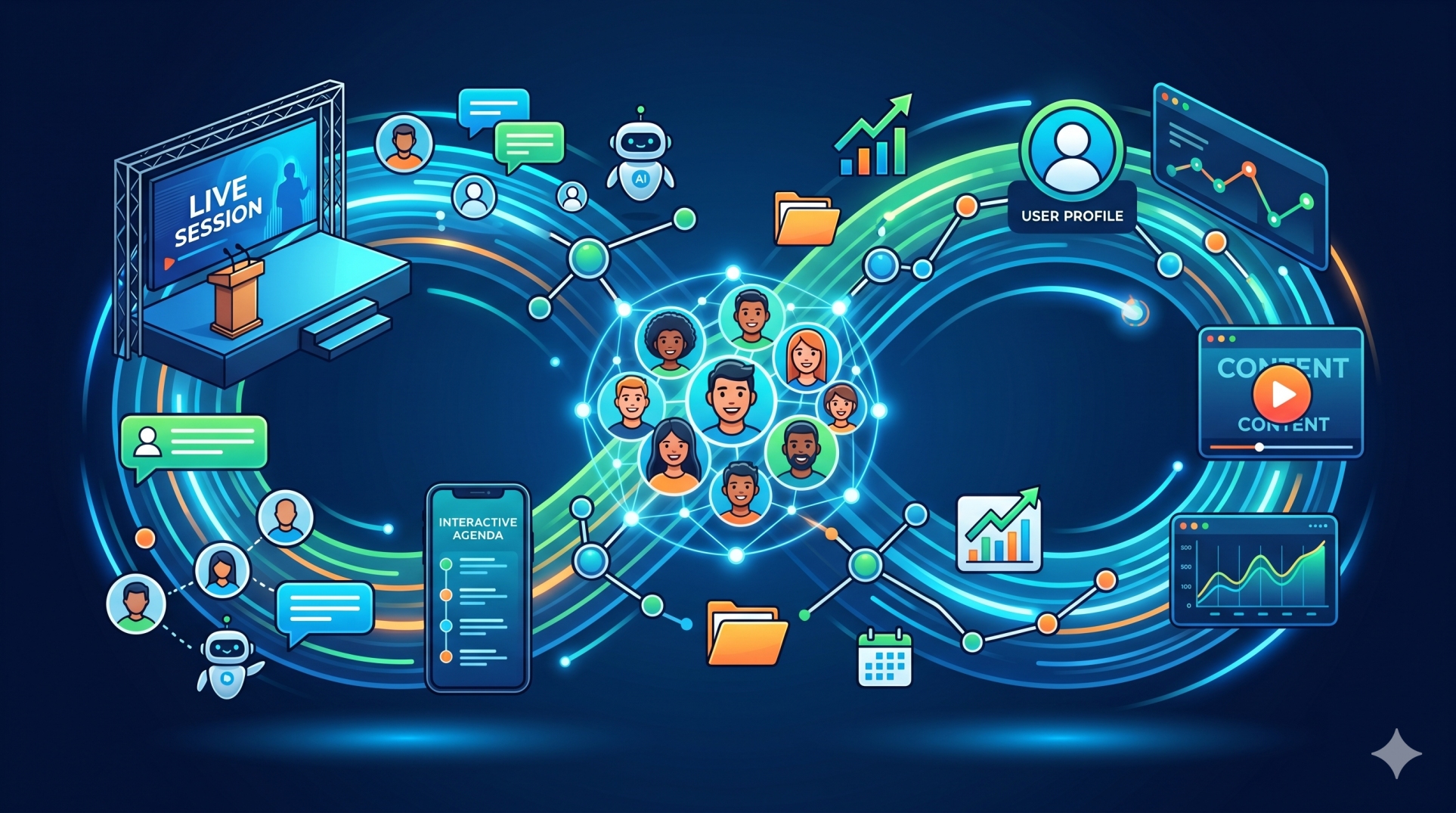
💬 Engagement and Interaction Layer
• Enables live chat, Q&A, and polling 💬
• Supports virtual networking and matchmaking 🤝
• Allows interaction between in-person and remote audiences 🌍
• Keeps engagement consistent across all channels 🔄
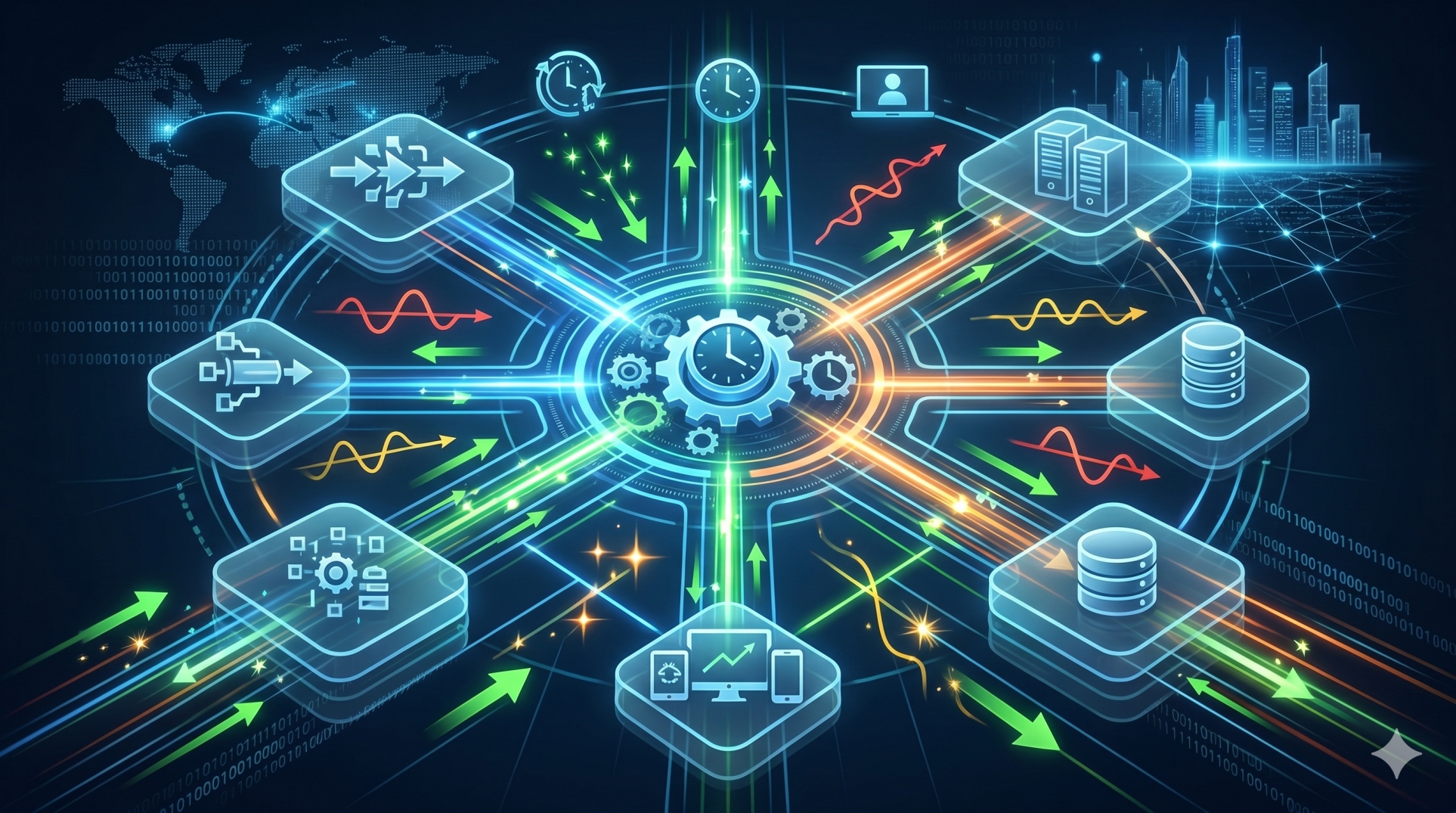
🔗 Data and Integration Layer
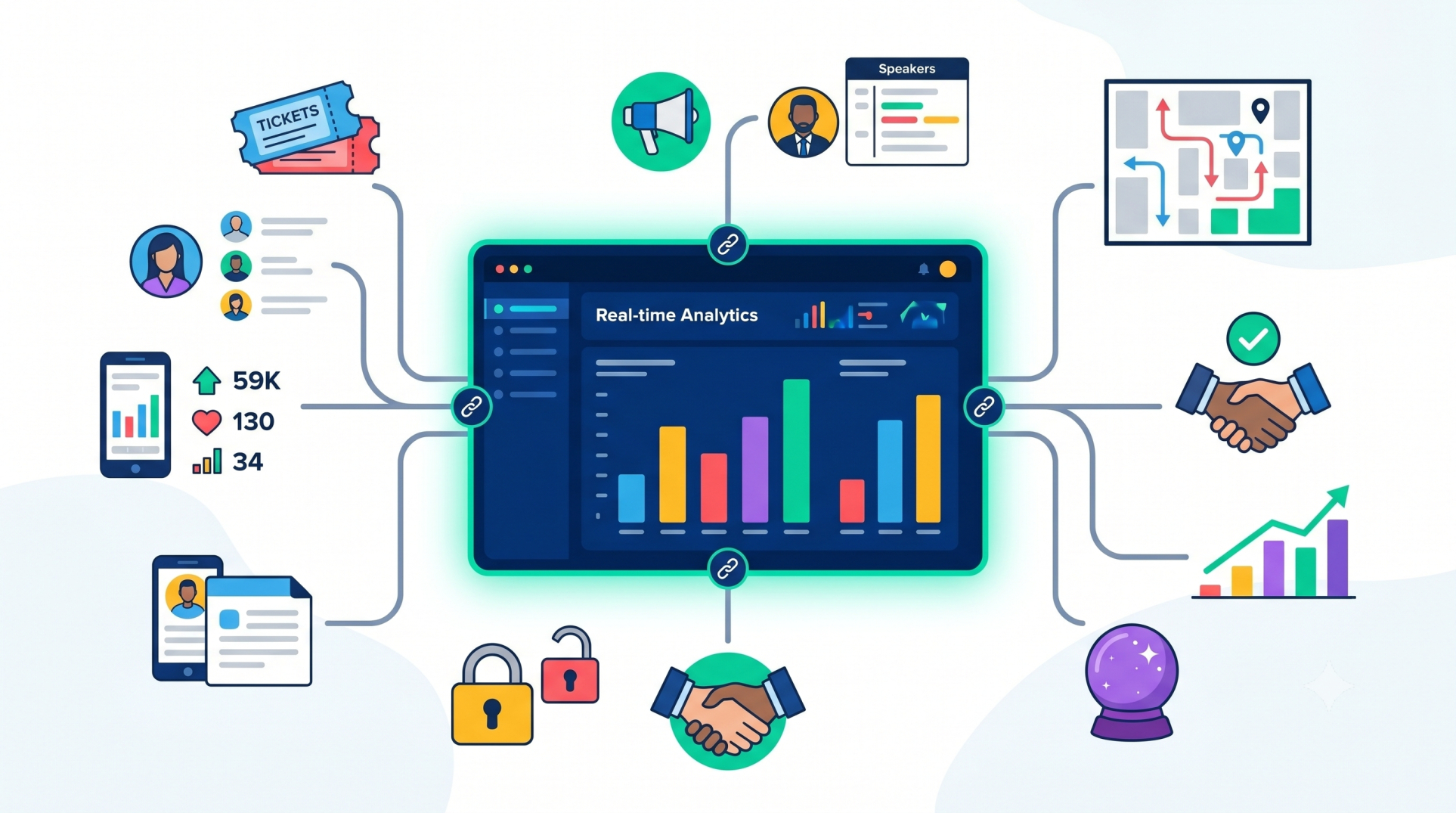
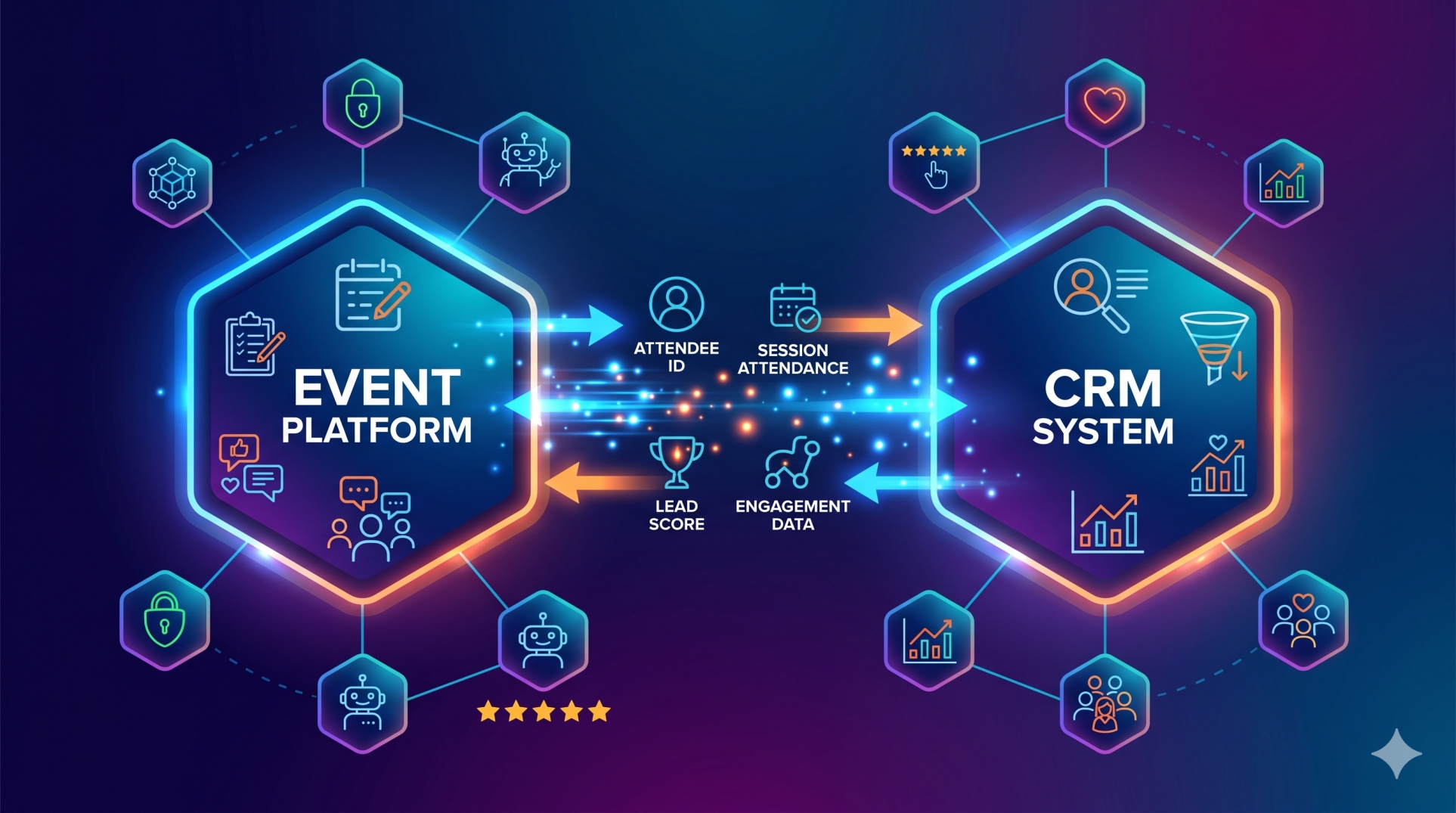
• Uses APIs to connect CRM, marketing, and analytics systems 🔌
• Synchronizes data in real time across platforms ⏱️
• Supports third-party integrations and extensions 🧩
• Creates a connected and flexible event technology ecosystem 🌐
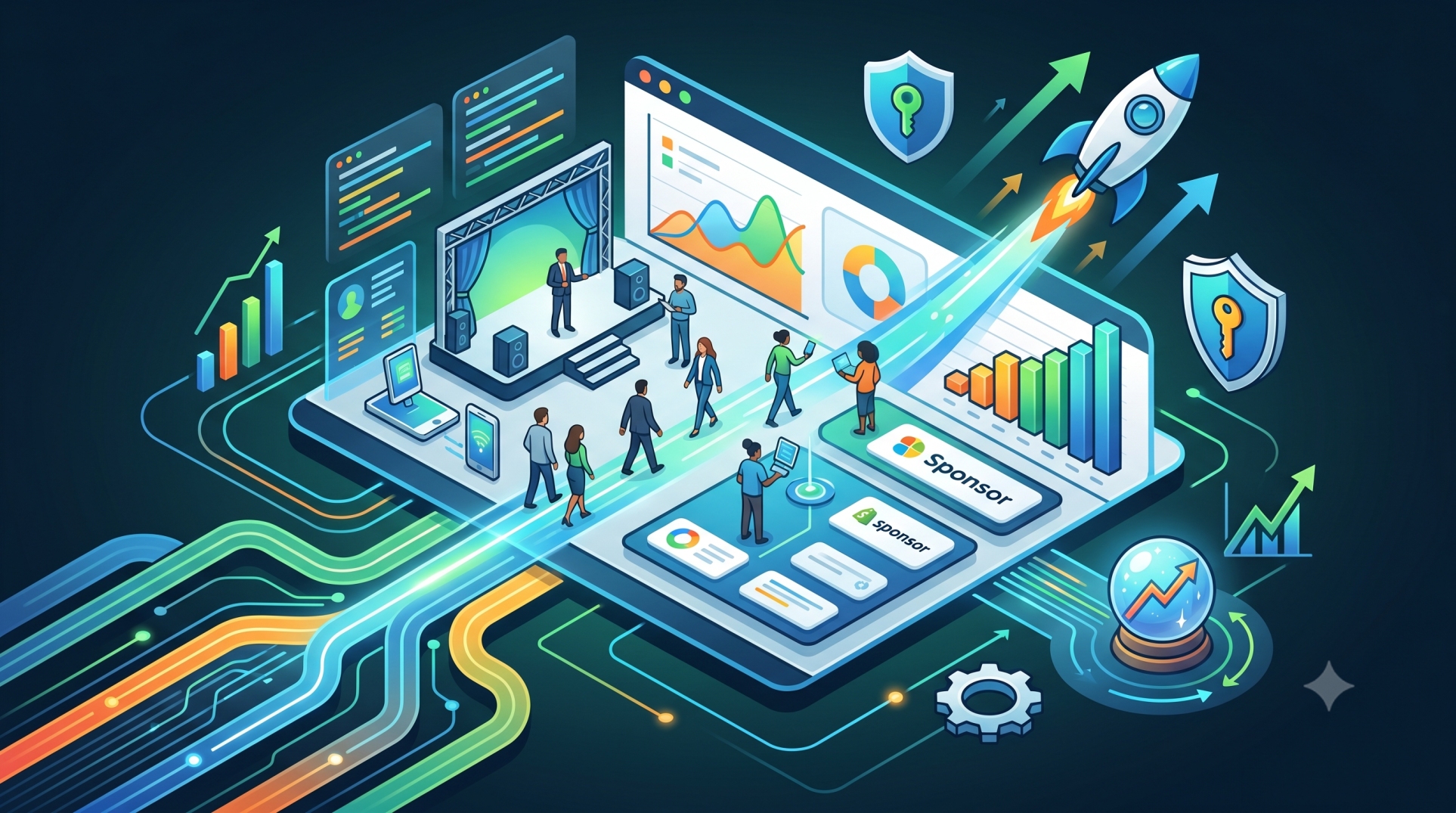
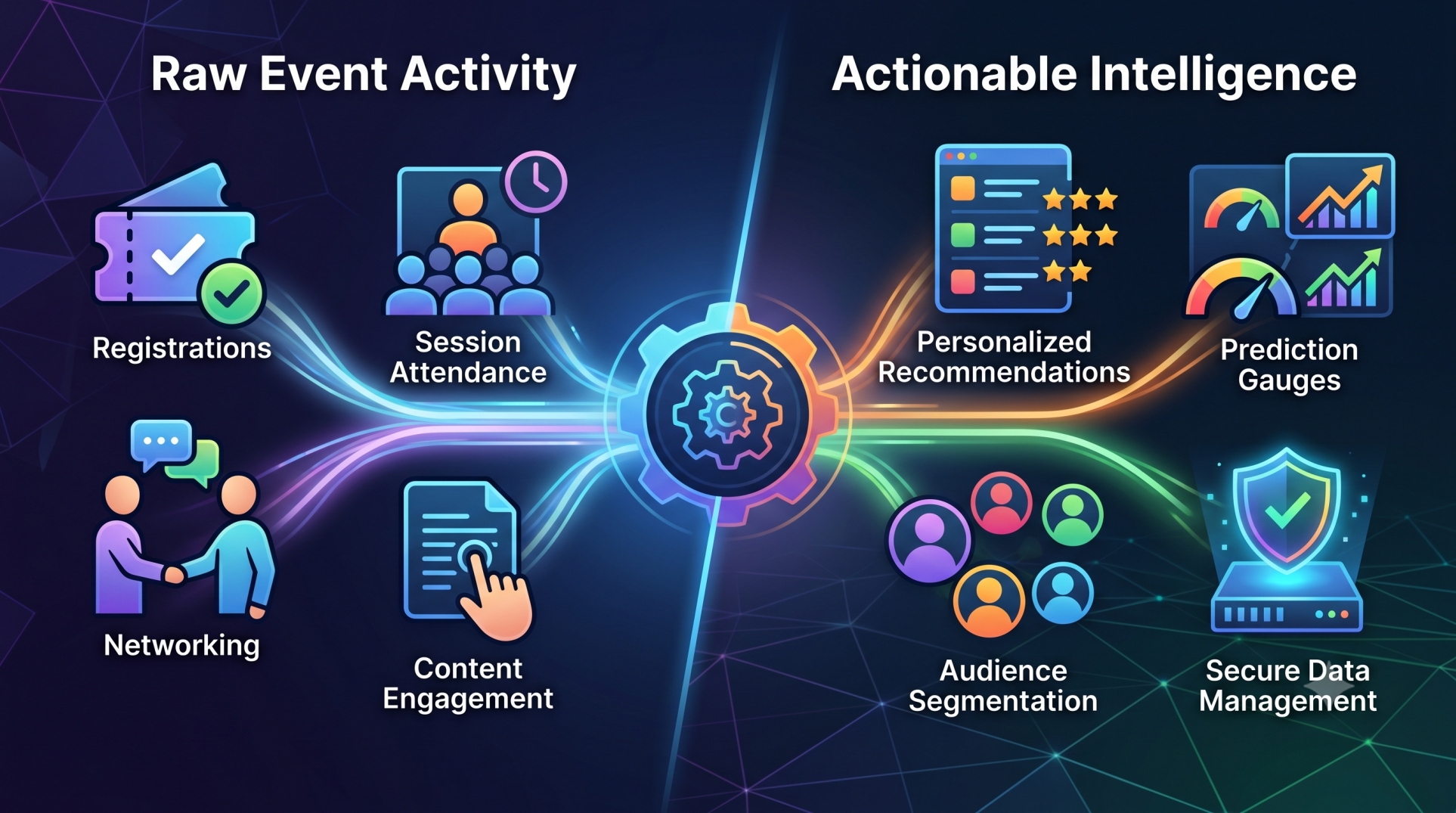
📊 Analytics and Reporting Layer
• Tracks attendee behavior and engagement levels 👥
• Measures session attendance and interaction metrics 📈
• Provides insights for organizers and sponsors 🧠
• Supports data-driven optimization of events 🎯
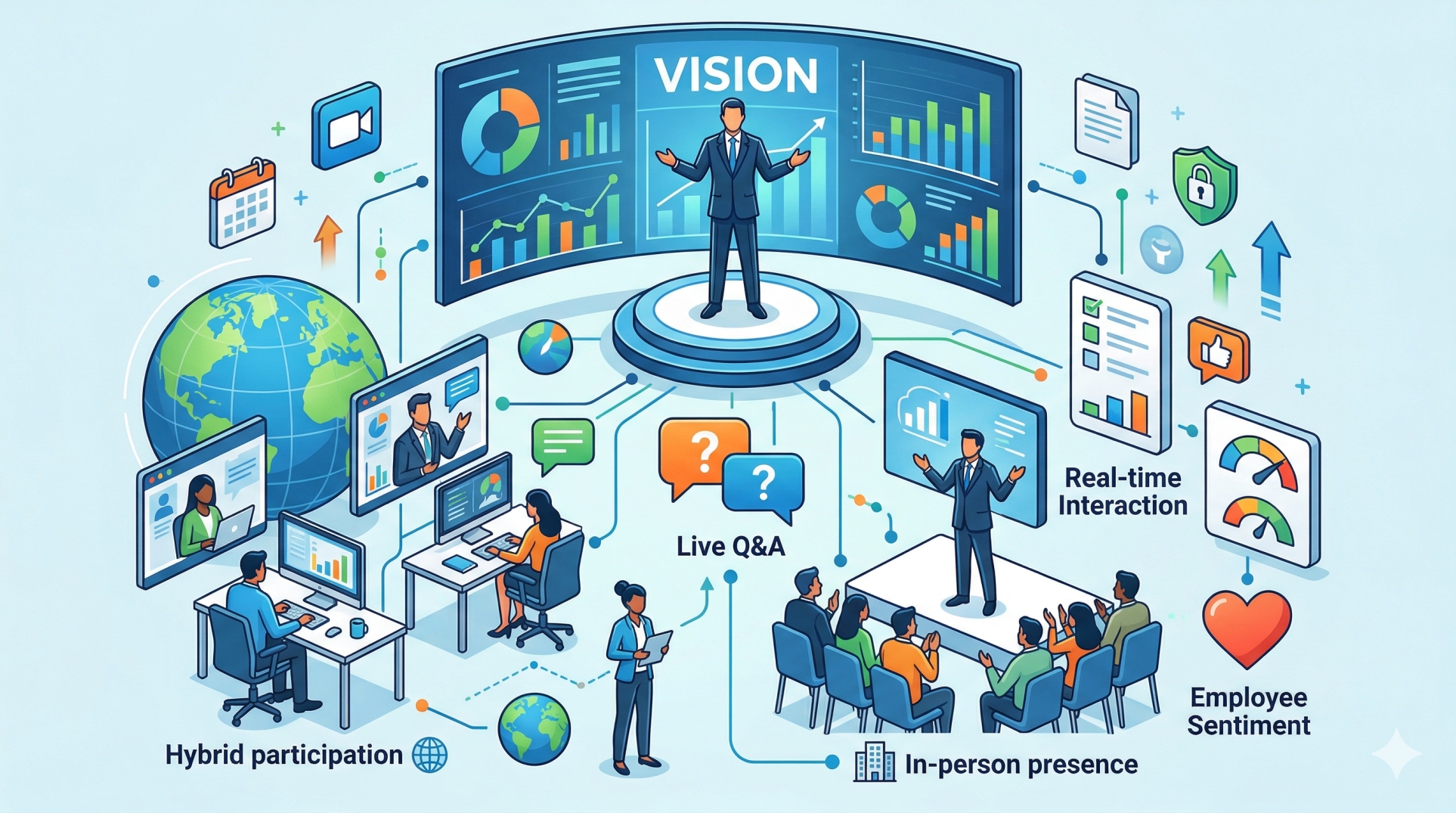
3. How Hybrid Architecture Enables Real-Time Experiences
• Synchronizes live sessions across physical and virtual venues 🌍
• Delivers instant updates for schedules and announcements 🔔
• Supports real-time attendee interactions 💬
• Maintains consistent data across all touchpoints 🔄
4. Scalability and Performance Considerations
• Cloud-based infrastructure for dynamic scaling ☁️
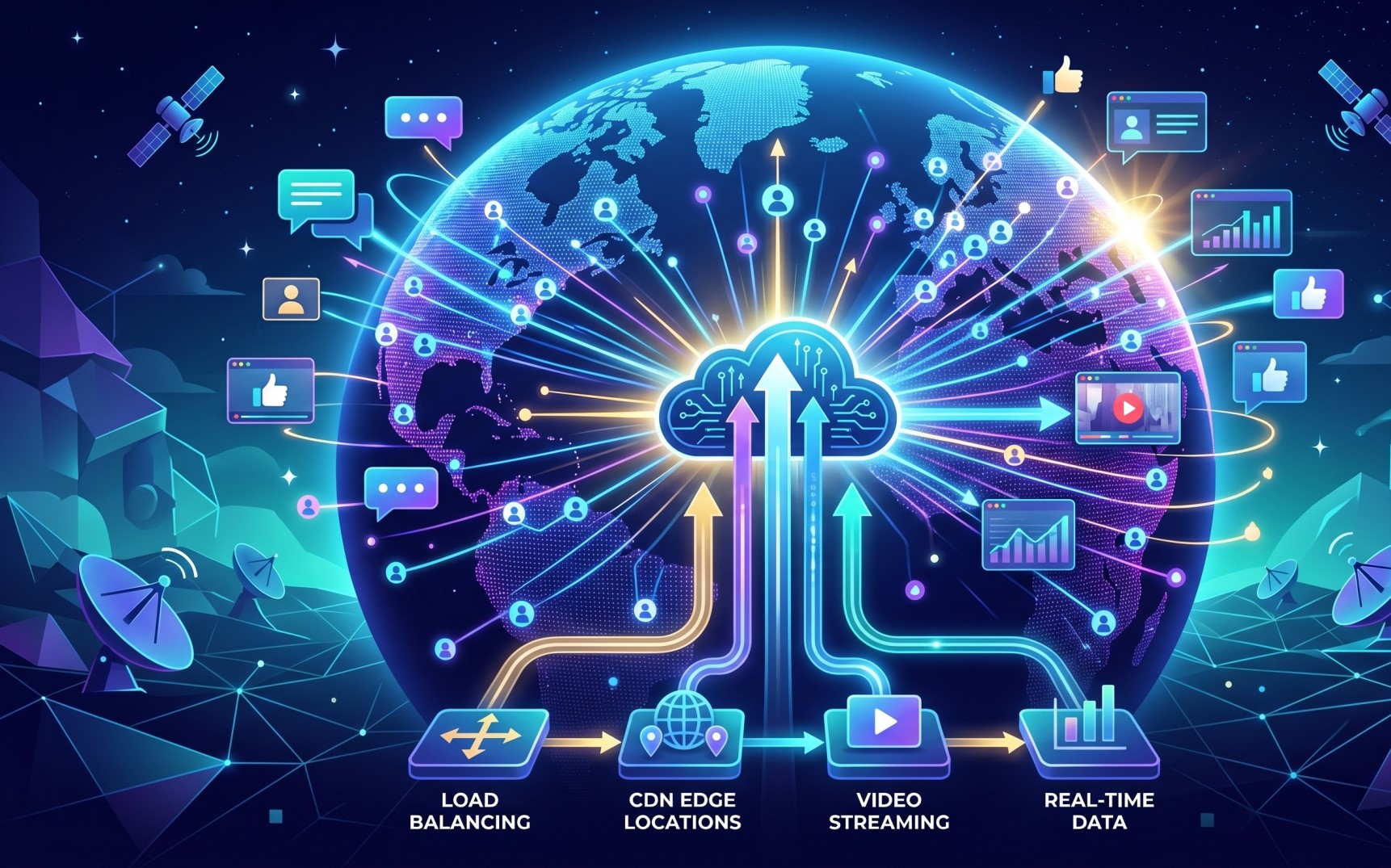
• Load balancing to manage peak traffic efficiently ⚙️
• High availability to minimize downtime 🛡️
• Supports global audiences without performance degradation 🌐
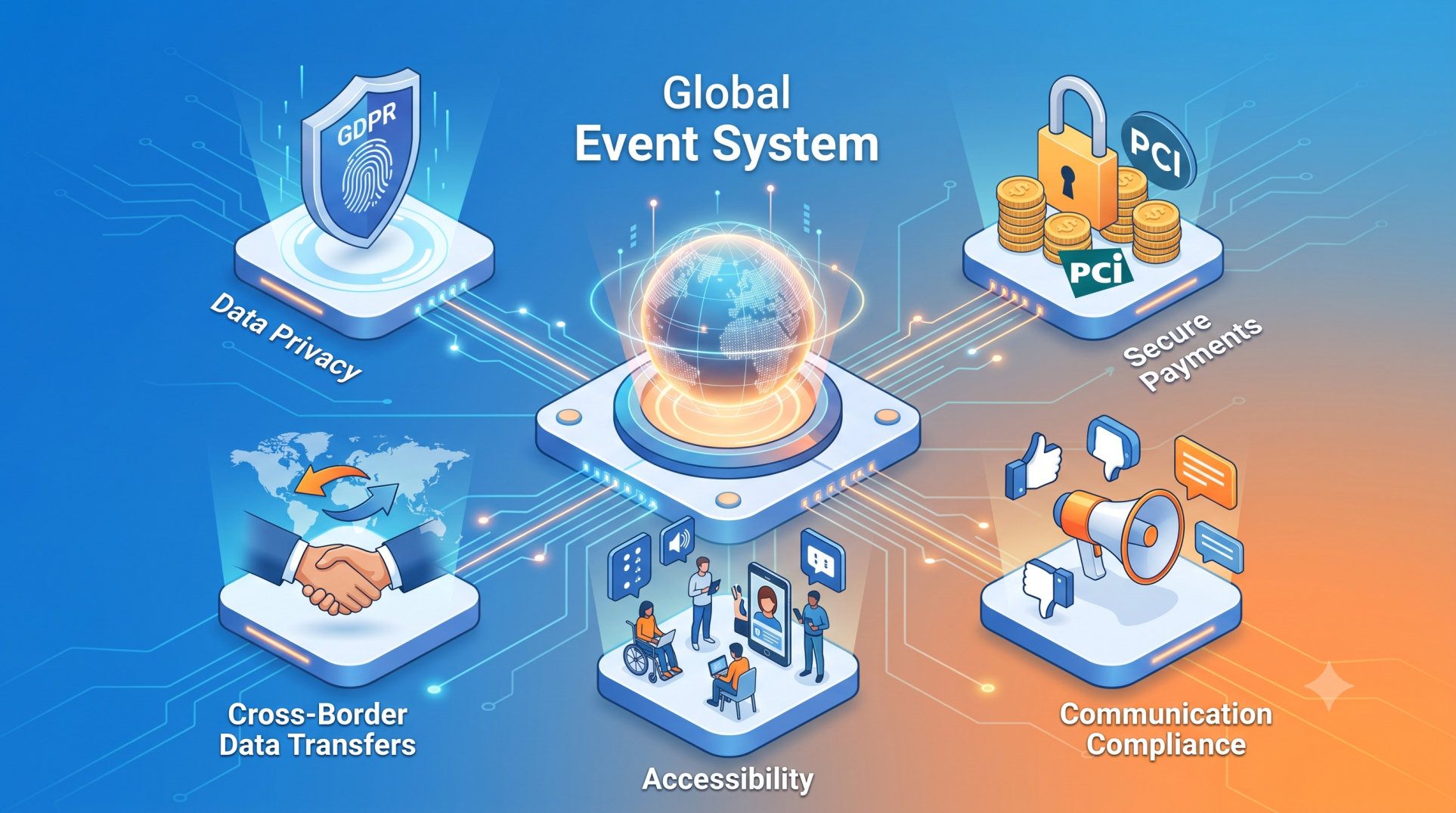
5. Security and Compliance in Hybrid Events
• Secure user authentication and access controls 🔑
• Encrypted data transmission across systems 🔒
• Compliance with data protection and privacy regulations 📜
• Secure handling of attendee and payment information 💳
6. Benefits of a Hybrid Event Software Architecture
• Consistent experience for all attendees 🤝
• Expanded reach beyond physical venues 🌍
• Higher engagement and participation 📊
• Centralized data and reporting 🧠
• Flexibility to support multiple event formats 🔄
🎯 Final Thoughts
Hybrid event software architecture forms the backbone of successful hybrid events. By unifying event management, streaming, engagement, and analytics into a single framework, organizations can deliver reliable, scalable, and engaging experiences for both in-person and virtual audiences. As hybrid events continue to grow, a strong architectural foundation becomes essential for performance, flexibility, and long-term success 🚀
See more blogs
You can all the articles below
















































Ready to Find Your Perfect Solution?
Let us show you how Event Software can transform your events

AI-powered event management platform that helps you create stunning events .