
Event Software Performance Optimization for Large-Scale Events

Event Software Performance Optimization for Large-Scale Events ⚙️
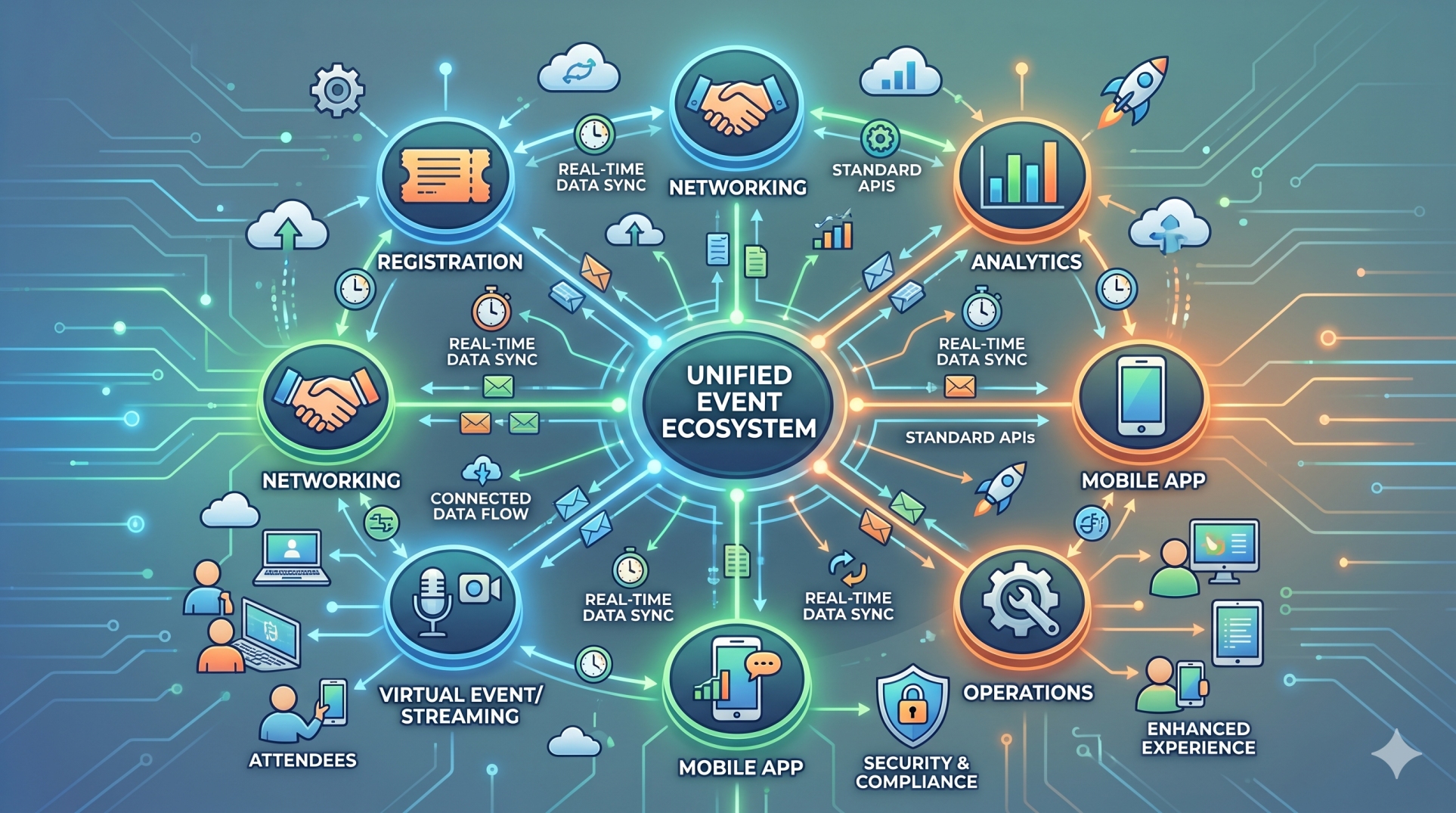
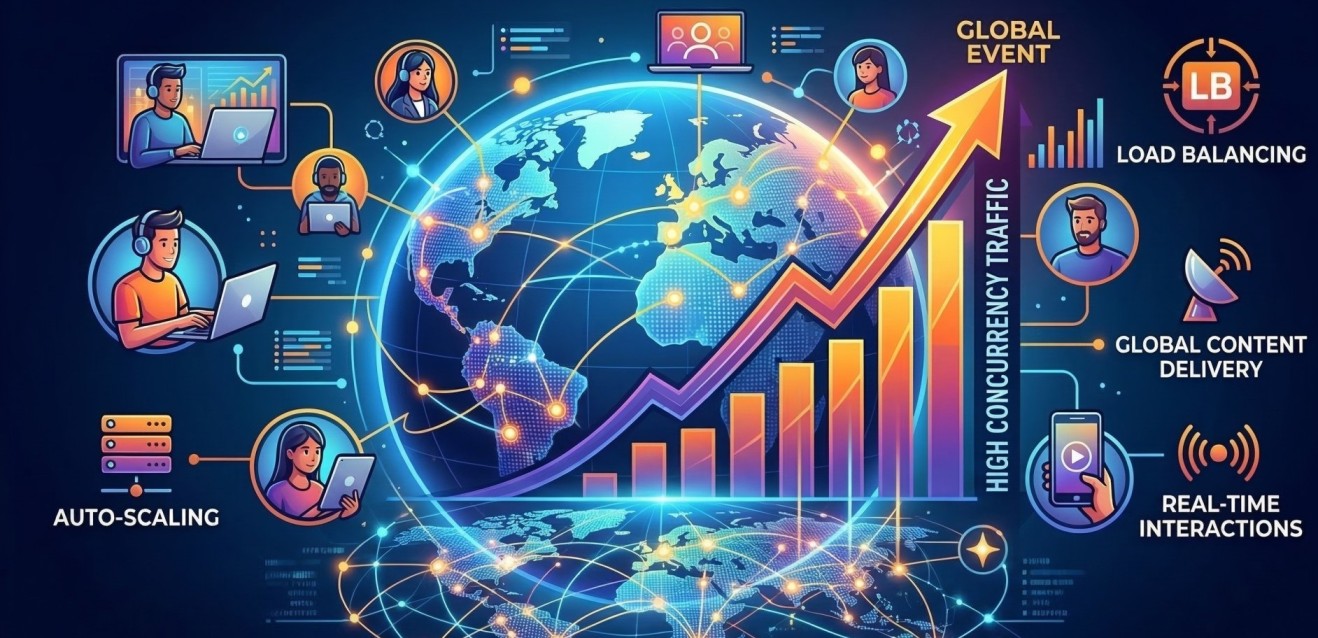
Large-scale events put intense pressure on event software platforms. When thousands—or even millions—of users register, attend live sessions, and interact at the same time, performance issues can surface quickly. Without deliberate optimization, even robust systems can slow down or fail. Performance optimization is essential to deliver reliability, responsiveness, and a smooth attendee experience at scale. 🚀
Why Performance Optimization Is Critical for Large Events ⚠️
- Registration and session traffic spikes happen suddenly 📈
- Live engagement depends on low latency and constant availability ⚡
- Performance problems directly affect attendee experience 🎟️
- Downtime during live moments harms brand trust 💔
- High concurrency generates massive real-time data loads 📊
Designing for Scalability from Day One 🏗️
- Use cloud-native infrastructure to scale on demand ☁️
- Avoid tightly coupled, monolithic architectures 🔗
- Isolate critical services so they scale independently 🧩
- Design for peak traffic, not average usage 📈
- Test systems under simulated high-load conditions 🧪
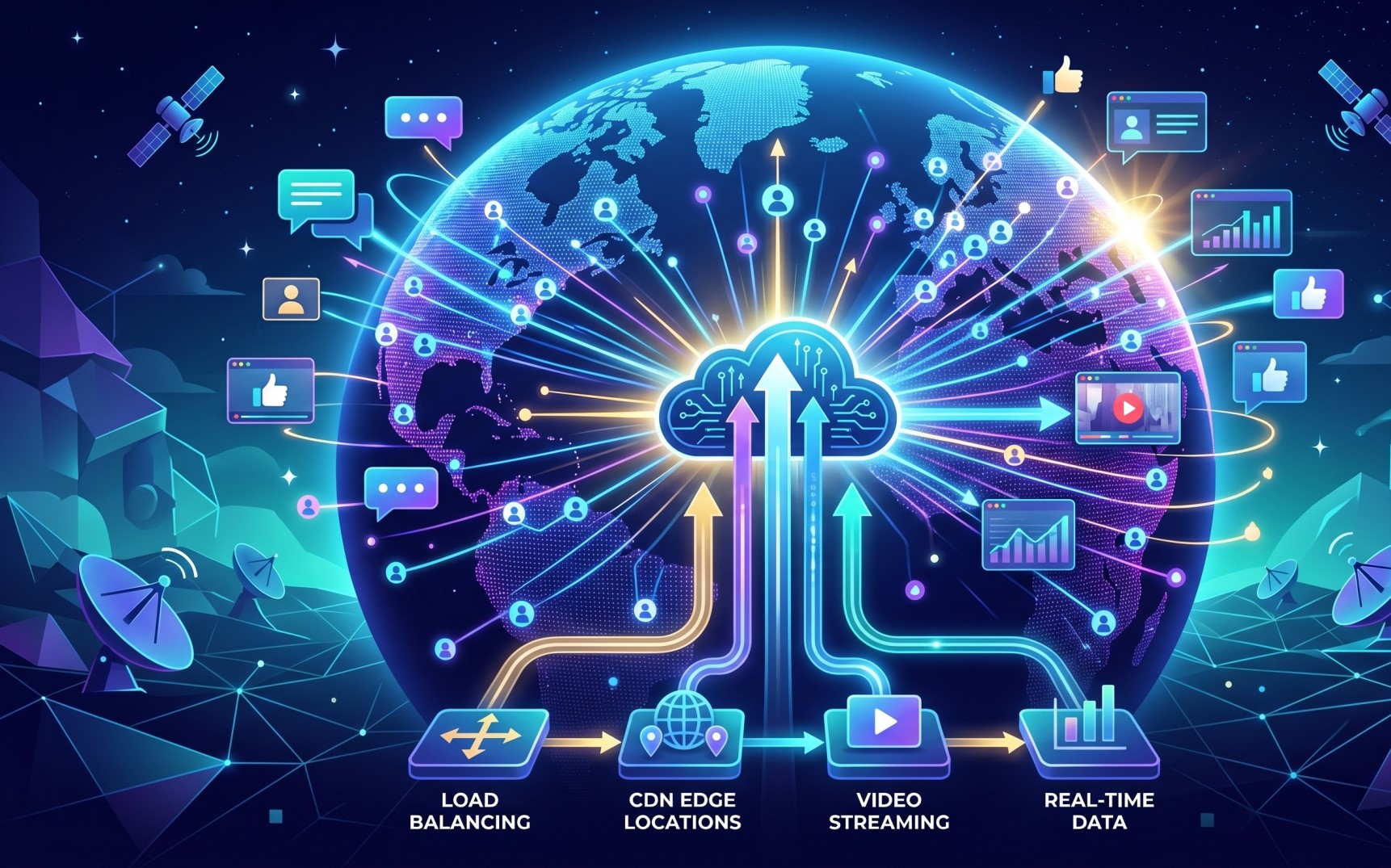
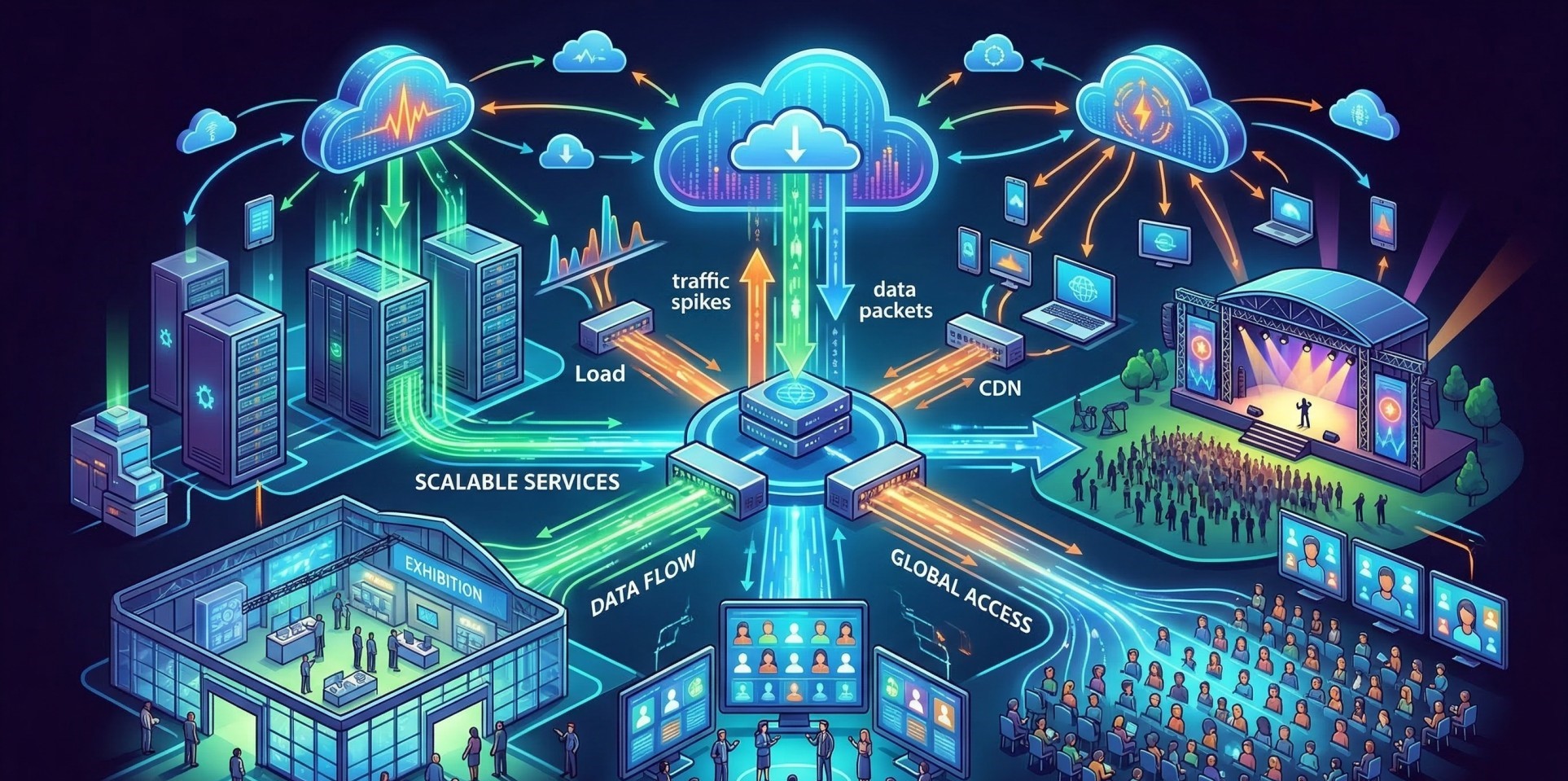
Load Balancing and Traffic Control 🔀
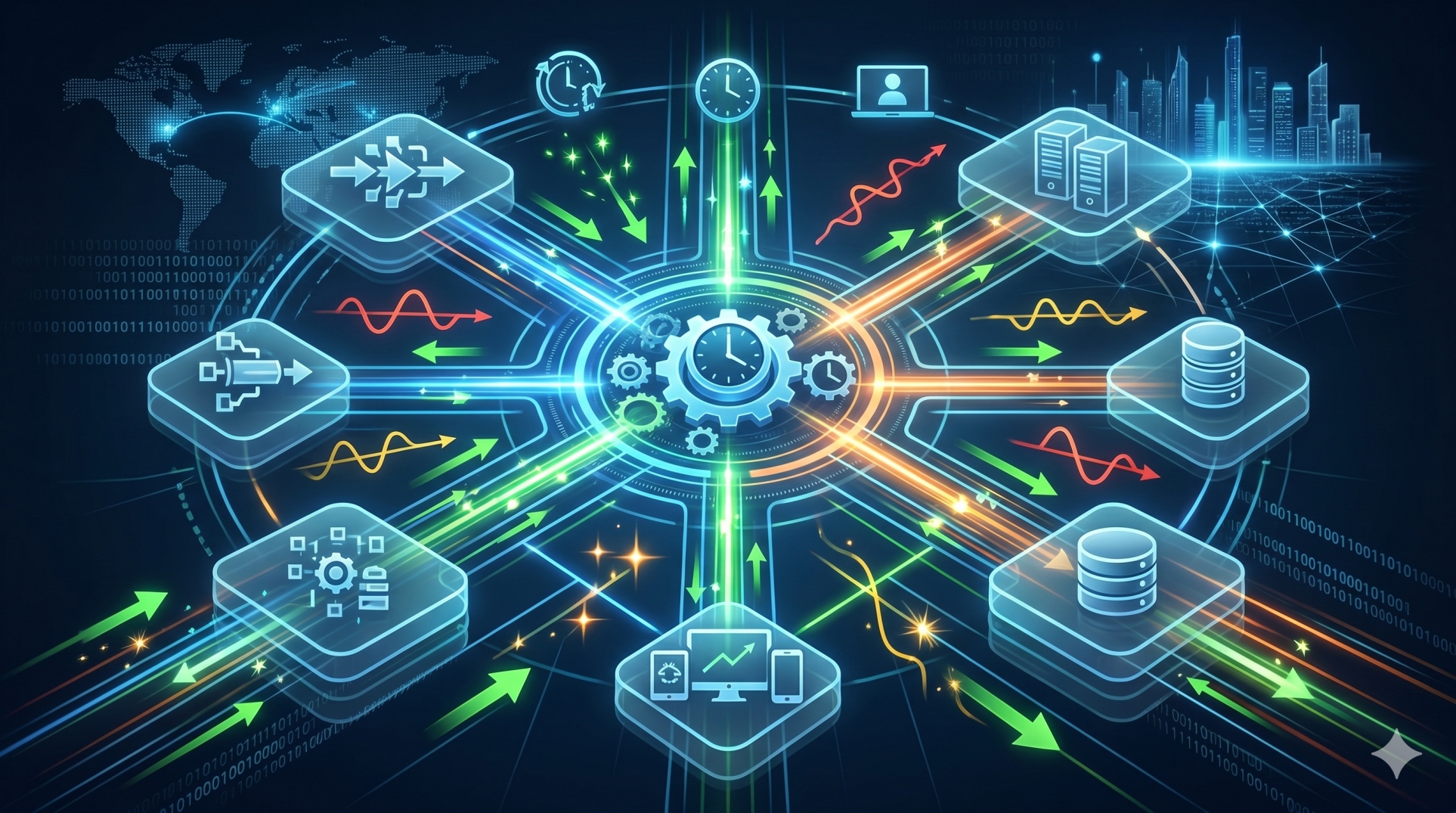
- Distribute incoming traffic across multiple servers 🌐
- Prevent bottlenecks in individual components 🚧
- Route users dynamically based on system load 🔄
- Support regional routing for global audiences 🌍
- Maintain stable response times during peak usage ⏱️
Optimizing Registration and Login Experiences 🔐
- Reduce synchronous processing during registration ⚙️
- Cache static assets like images and event details 🗂️
- Process confirmations and emails asynchronously 📧
- Throttle non-essential requests during traffic surges 🚦
- Ensure authentication services scale independently 🧠
Handling Real-Time Data at Scale ⚡
- Use event-driven architectures for live interactions 🔄
- Process engagement data asynchronously 📊
- Prioritize real-time actions such as check-ins and polls 🗳️
- Separate data ingestion from analytics dashboards 🧩
- Prevent reporting tasks from affecting live performance 🚫
Caching and Content Delivery Optimization 📦
- Cache frequently accessed data like agendas and profiles 🗂️
- Use CDNs to serve static content efficiently 🌐
- Reduce database load through smart caching strategies 🧠
- Deliver content from locations closer to users 📍
- Improve page load speed across regions 🚀
Optimizing Live Session Performance 🎥
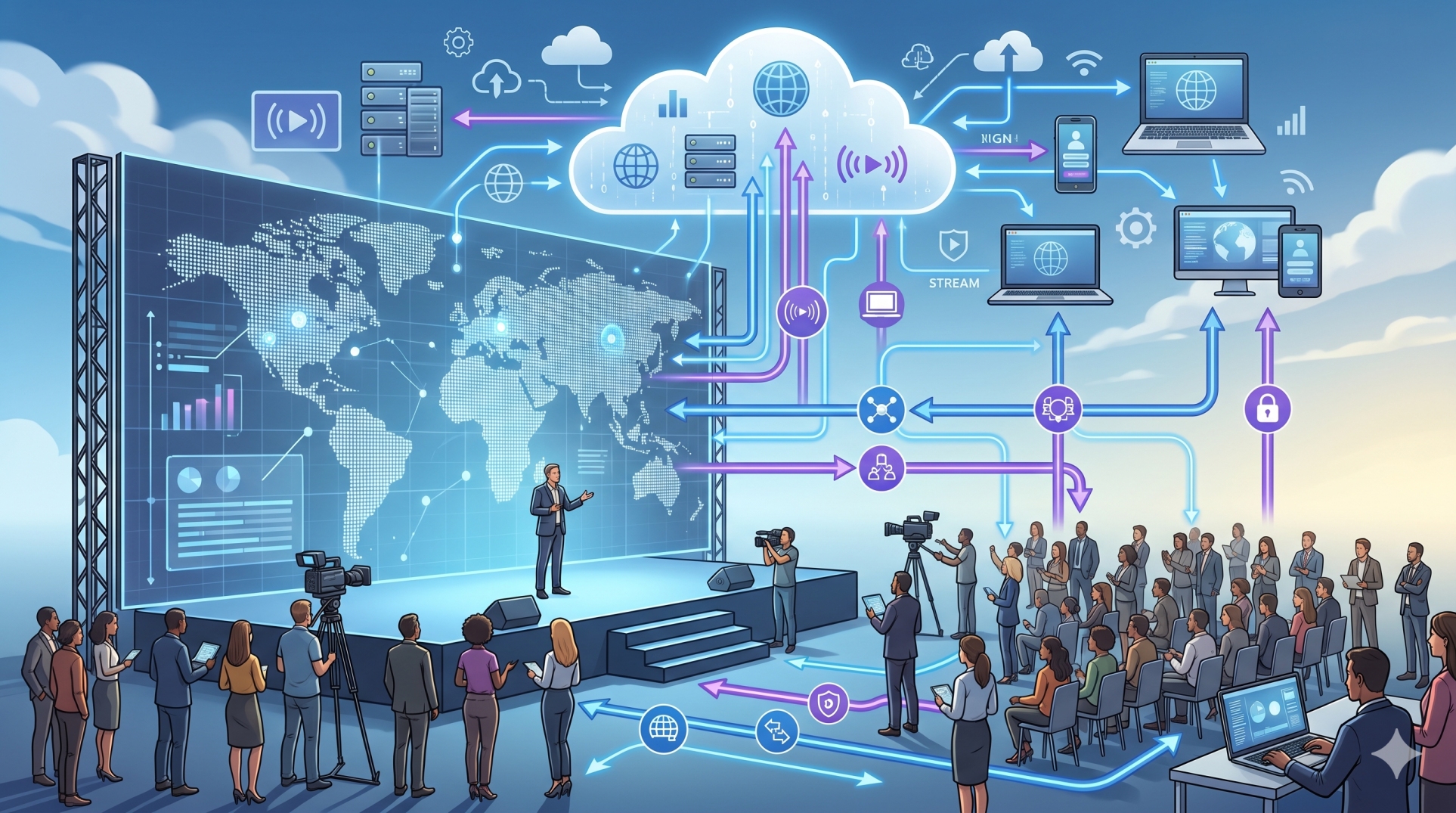
- Scale video and streaming components independently 📈
- Isolate live engagement features from core workflows 🧩
- Monitor latency, packet loss, and session health 📊
- Optimize chat, Q&A, and polling for high concurrency 💬
- Ensure live features don’t block other operations 🚫
Database and Data Layer Optimization 🗄️
- Use read replicas for high-volume read operations 📖
- Partition data by event, region, or time 🧩
- Optimize indexes for common queries 🔍
- Avoid long-running queries during live sessions ⏱️
- Separate analytics databases from transactional systems 🔄
Monitoring, Observability, and Alerting 👀
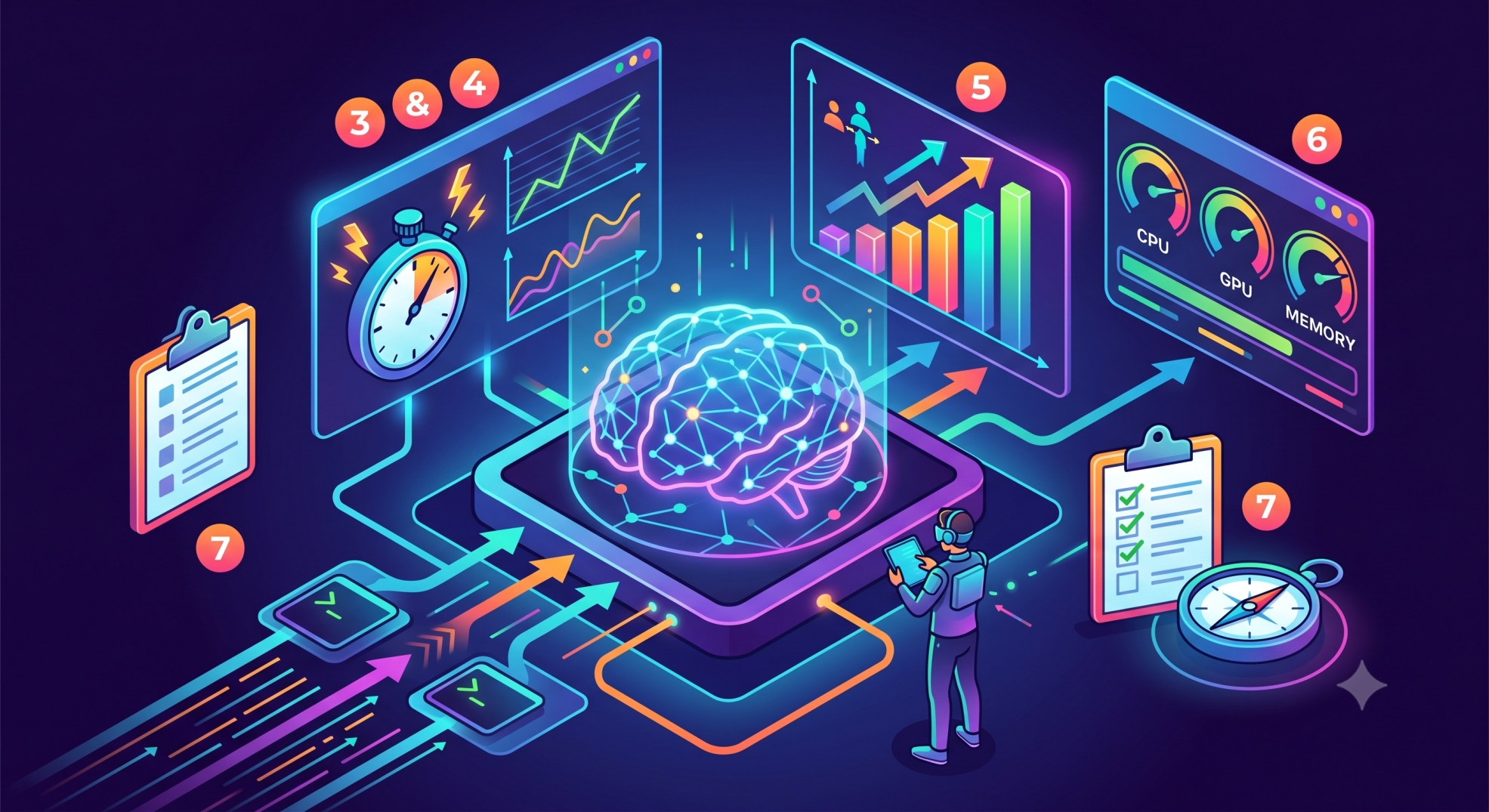
- Track performance metrics in real time 📊
- Monitor latency, error rates, and throughput ⚡
- Trigger alerts for unusual traffic or failures 🚨
- Detect bottlenecks before users are affected 🔍
- Use logs and traces for fast issue resolution 🧪
Fault Tolerance and System Resilience 🛡️
- Design systems to degrade gracefully 🔄
- Contain failures within individual services 🚧
- Implement retries and fallback mechanisms ♻️
- Maintain redundancy across multiple regions 🌍
- Eliminate single points of failure ❌
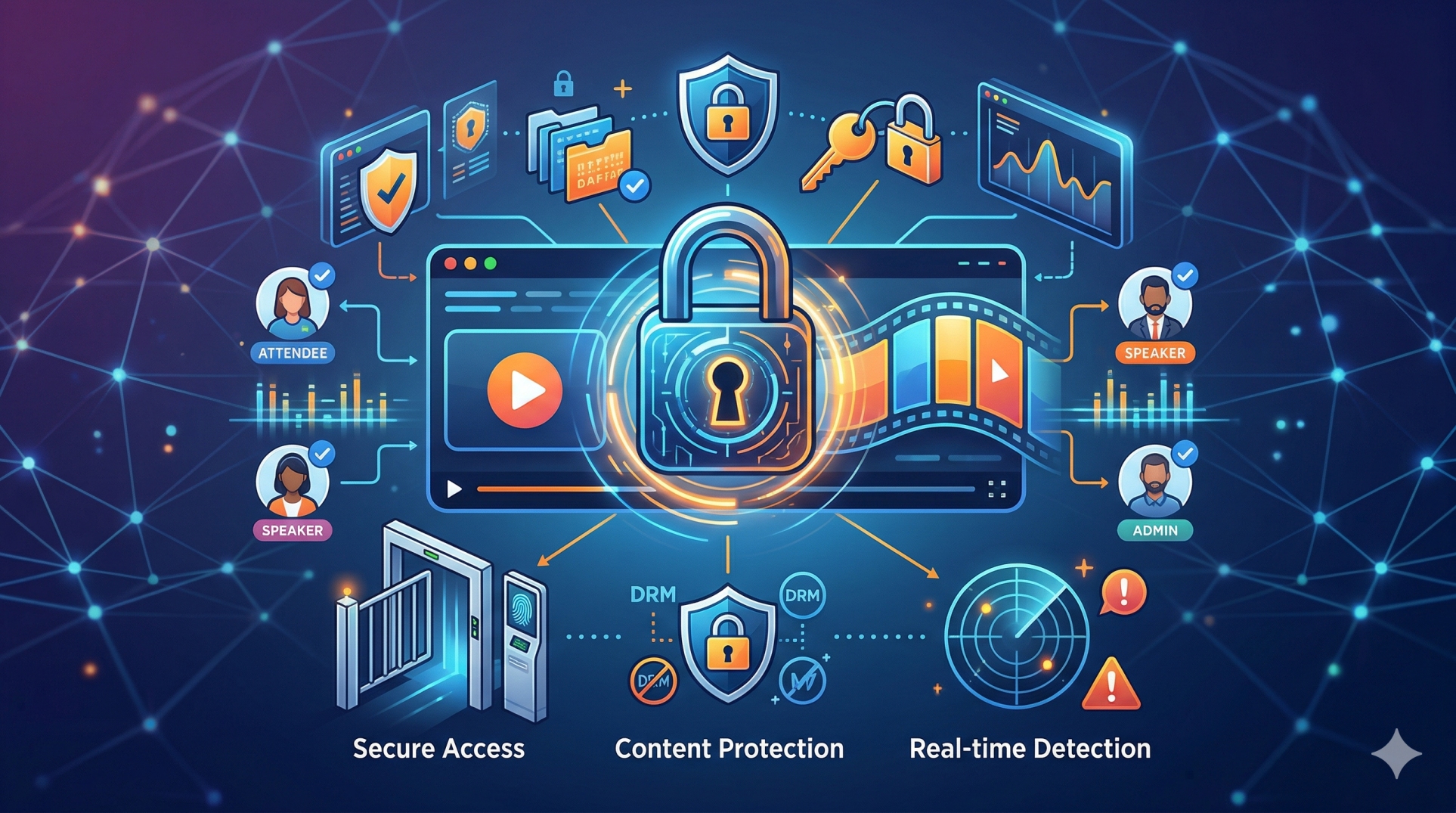
Security Without Sacrificing Performance 🔐
- Use lightweight authentication approaches 🧾
- Apply rate limiting to prevent abuse 🚦
- Secure APIs without introducing heavy latency 🔌
- Protect sensitive data while keeping access fast 🛡️
- Balance security controls with performance needs ⚖️
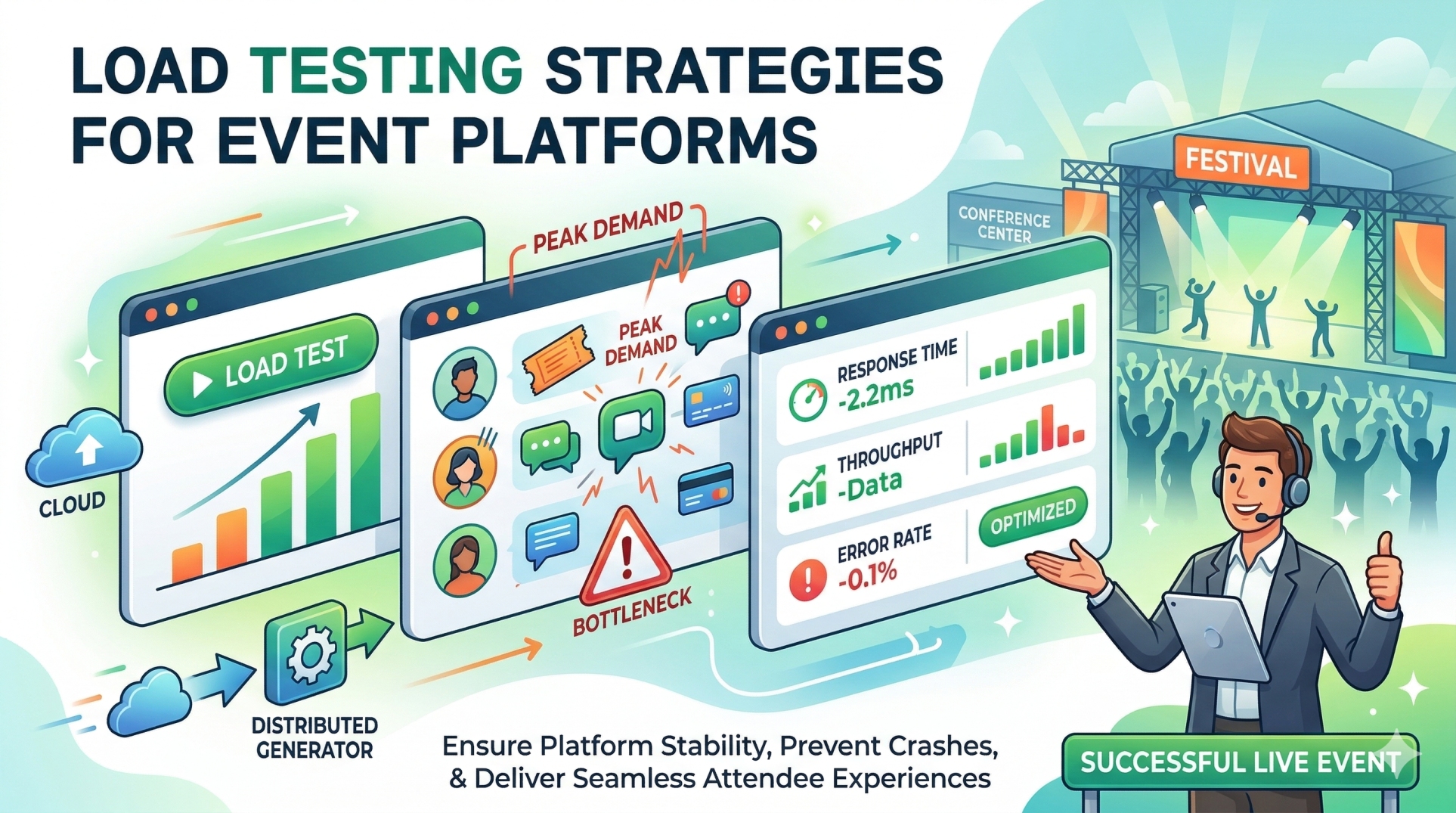
Testing and Rehearsal Before Go-Live 🧪
- Run load tests that simulate peak attendance 📈
- Validate failover and recovery processes 🔄
- Conduct full-scale event rehearsals 🎬
- Test monitoring and alerting systems 🚨
- Resolve performance issues before launch ✅
Business Benefits of Optimized Event Software 💼
- Consistent attendee experience at any scale 🎟️
- Higher engagement and participation 📣
- Lower risk during critical live moments ⚠️
- Greater confidence and control for organizers 🎯
- Stronger reputation for reliability and quality ⭐
Final Thoughts 🏁
Performance optimization is not optional for large-scale events—it is a foundational requirement. By designing for scalability, optimizing real-time workflows, and building resilient, observable systems, event software can perform reliably even under extreme load. For organizations hosting major events, investing in performance optimization is the difference between simply operating and delivering exceptional, high-impact event experiences at scale. 🌍
See more blogs
You can all the articles below










































Ready to Find Your Perfect Solution?
Let us show you how Event Software can transform your events

AI-powered event management platform that helps you create stunning events .