
Cloud Infrastructure for Large Event Deployments
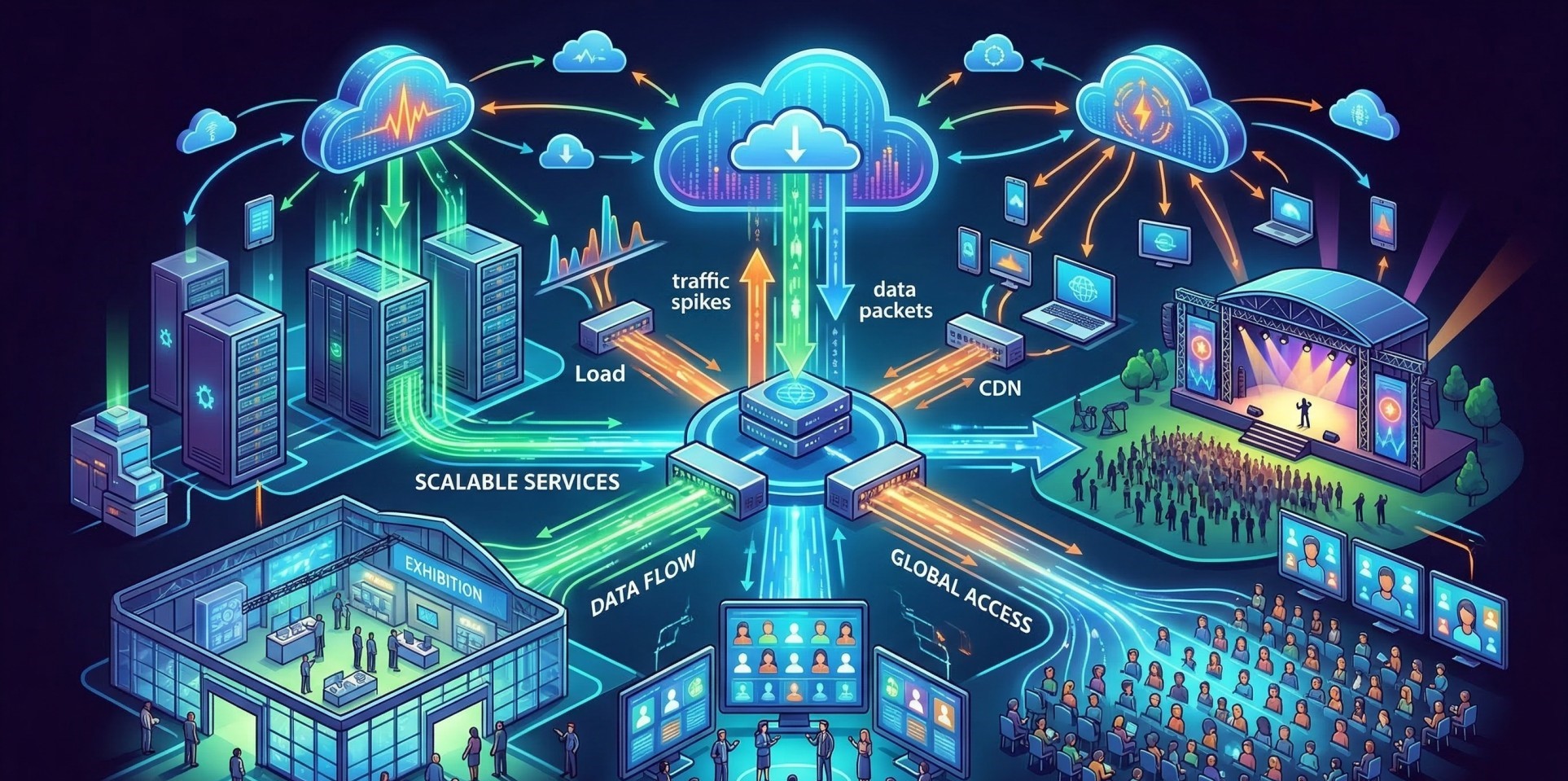
Cloud Infrastructure for Large Event Deployments
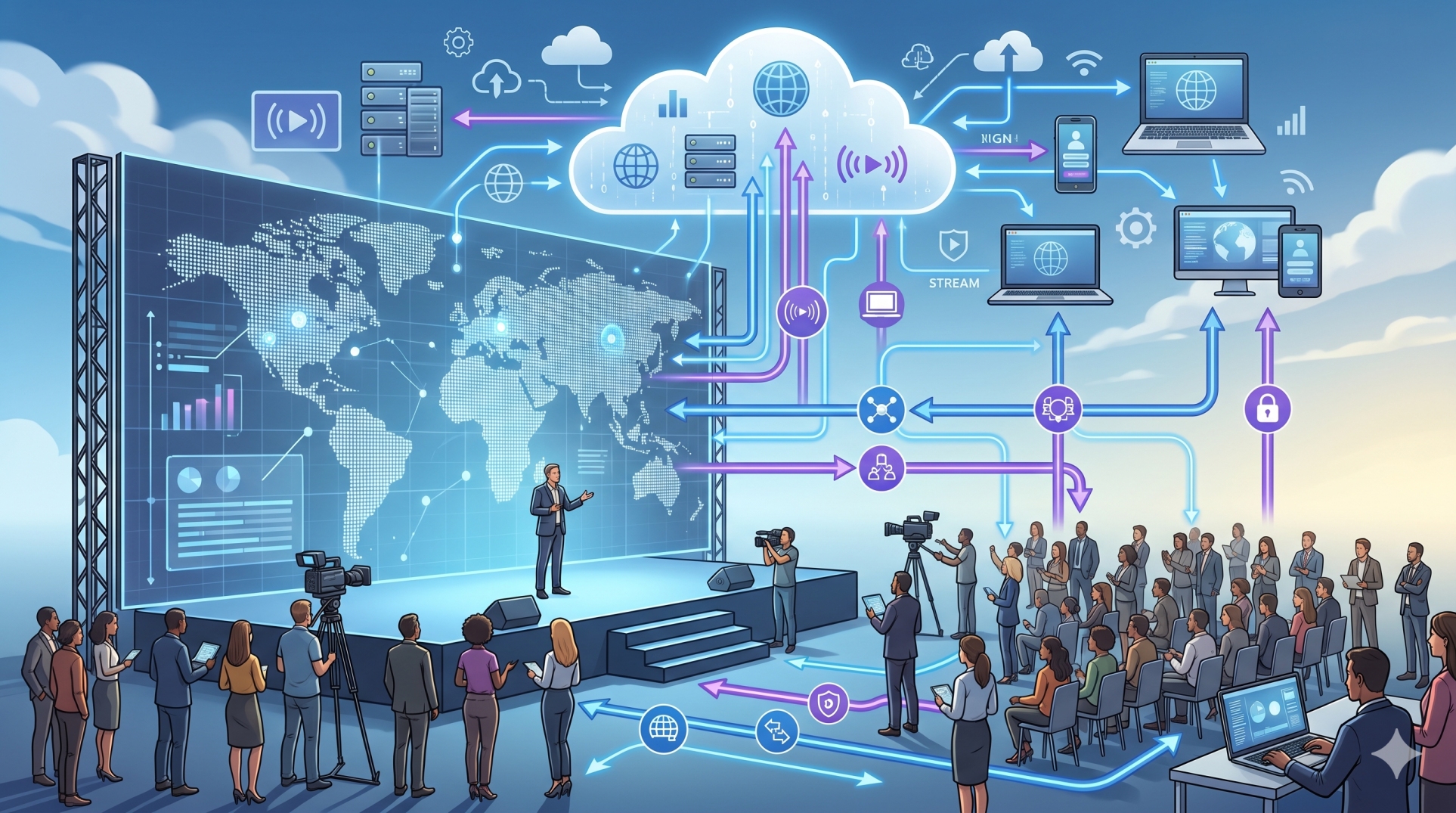
Delivering high-quality digital experiences at large-scale events—such as conferences, festivals, and exhibitions—demands a cloud infrastructure that is resilient, elastic, and performance-oriented. From managing sudden surges in user activity to enabling real-time engagement, a thoughtfully designed cloud environment ensures reliable operations and exceptional attendee experiences.
Step 1: Understanding Event Infrastructure Requirements 🎯
• Large-scale events create unpredictable and high-volume traffic patterns 🌐
• Platforms must support registrations, ticketing, live streaming, and mobile access 📱
• Real-time features such as alerts, updates, and interactions are essential ⚡
• Systems must maintain high availability with low latency ⏱️
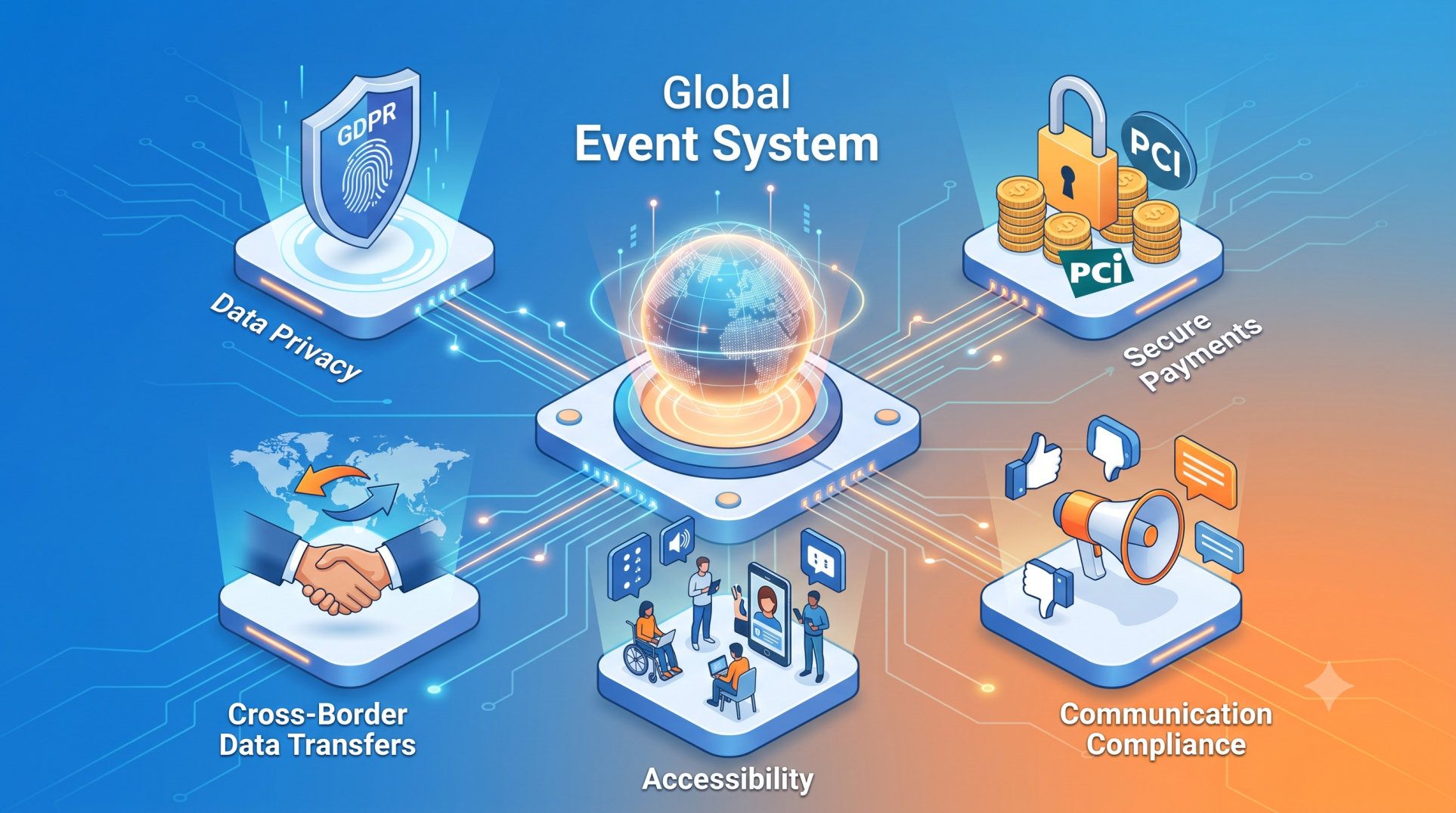
• Strong security and data protection are critical for user trust 🔐
Step 2: Leveraging Scalable Cloud Architecture ⚙️
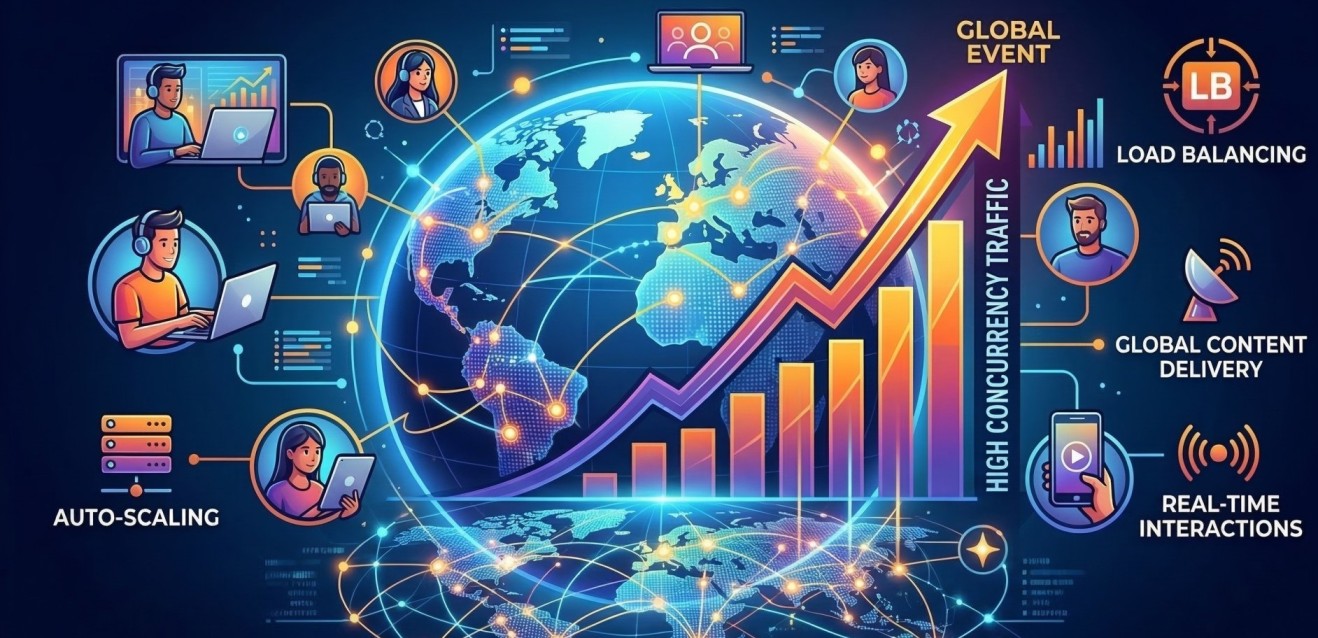
• Implement auto-scaling to adjust resources dynamically 📈
• Deploy services across multiple regions for resilience 🌍
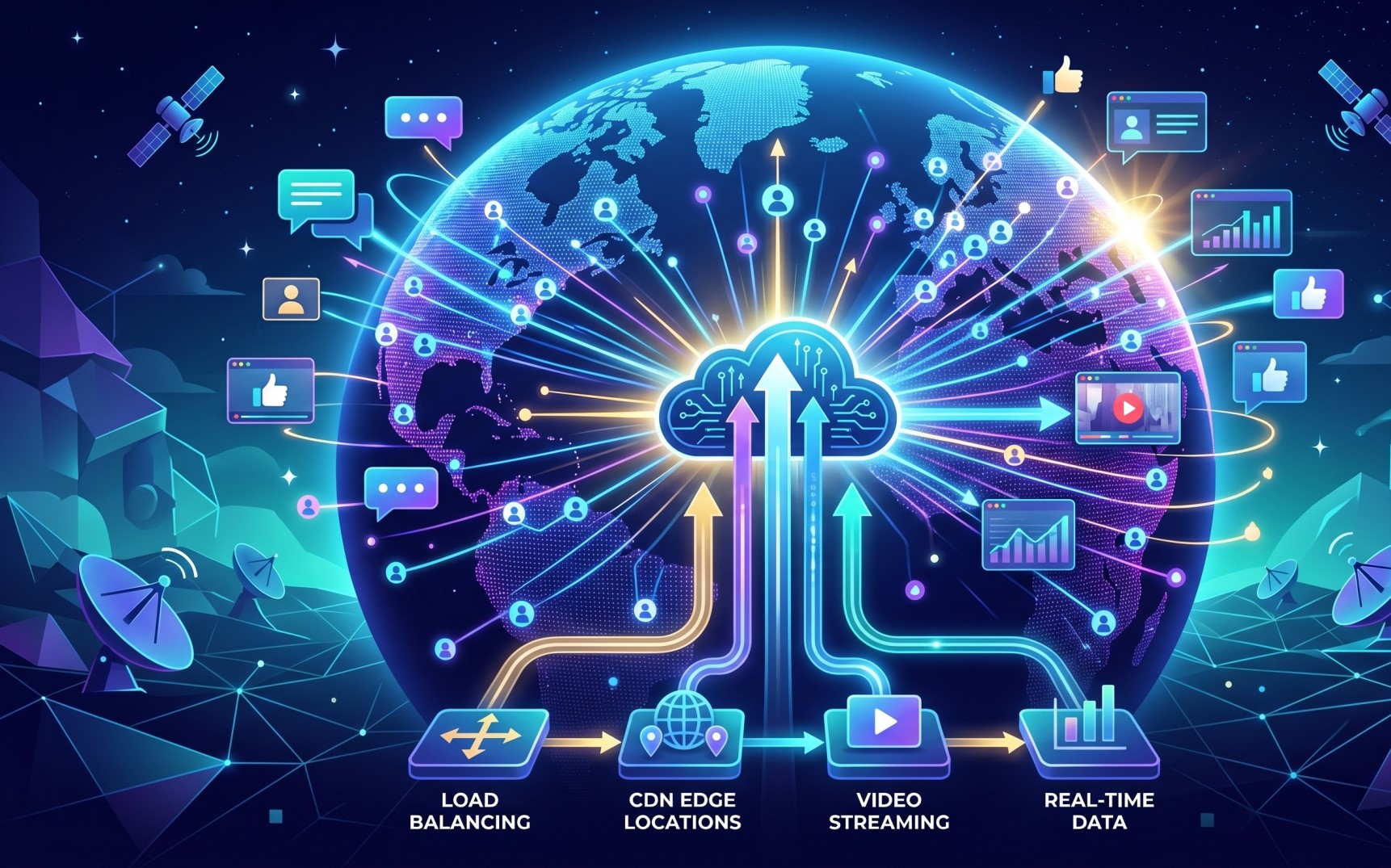
• Use load balancers to evenly distribute incoming traffic 🔄
• Adopt containerization for portability and flexibility 📦
• Build stateless services to enhance scalability and fault tolerance 🔁
Step 3: Optimizing Content Delivery 🚀
• Utilize Content Delivery Networks (CDNs) to reduce latency 🌐
• Cache static assets like images, videos, and scripts 📂
• Ensure fast load speeds for web and mobile platforms ⚡
• Deliver live streaming with minimal buffering 🎥
• Provide consistent performance across global audiences 🌍
Step 4: Managing Real-Time Data and Interactions 🔄
• Enable real-time messaging for alerts and notifications 📩
• Support live engagement features like polls and Q&A 🗳️
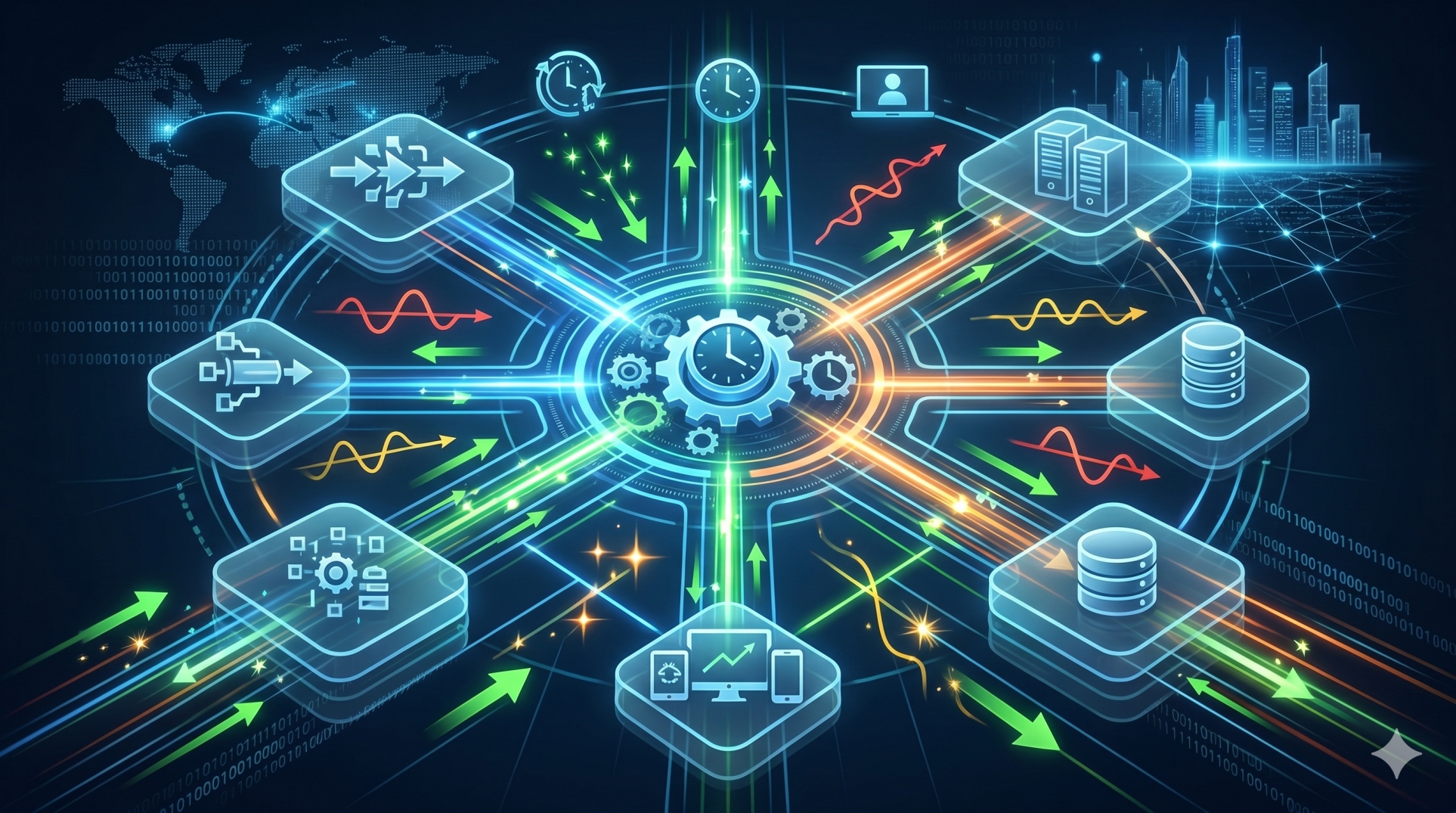
• Use event-driven architectures for immediate system responses ⚡
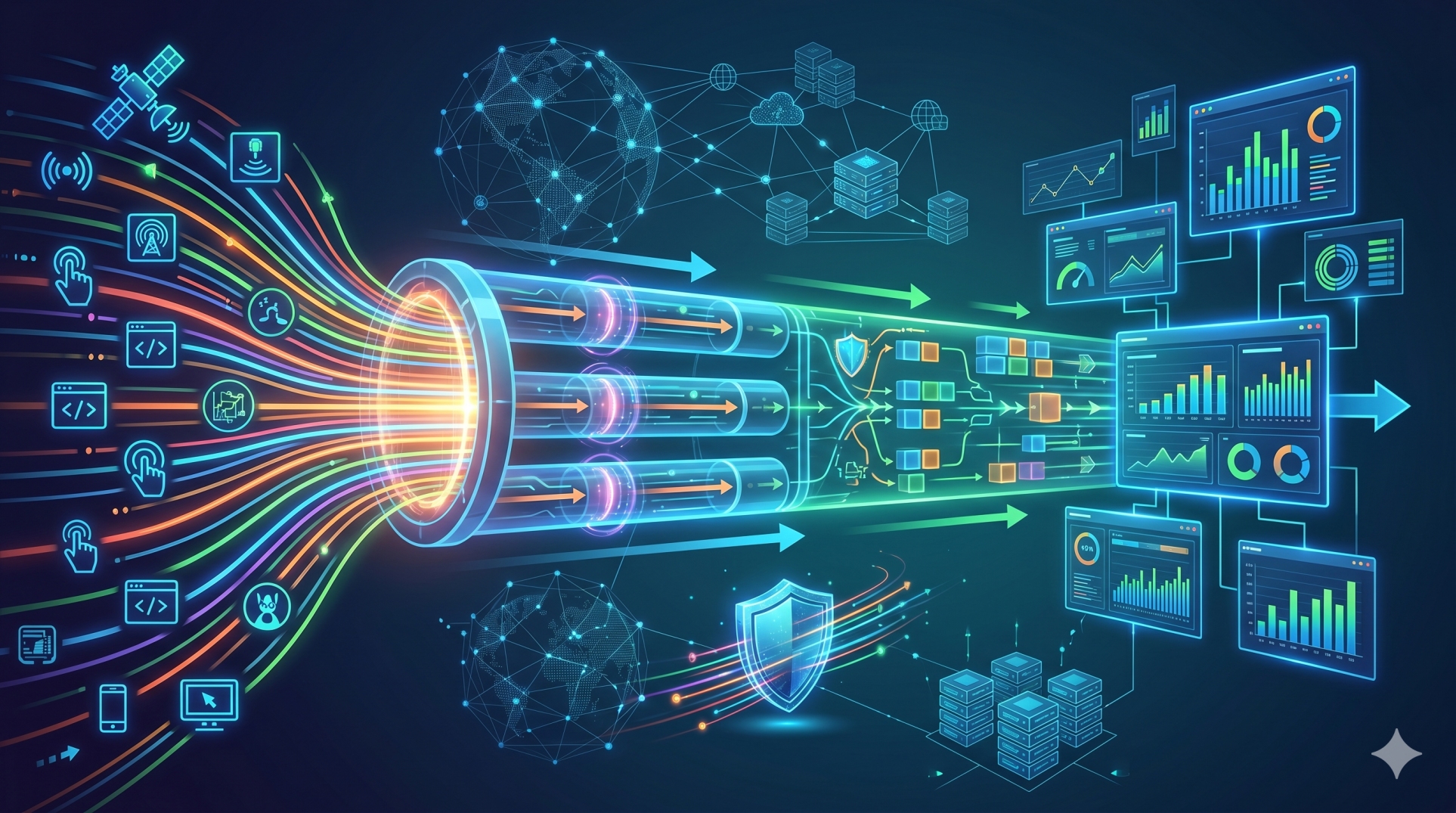
• Process streaming data efficiently during live sessions 📊
• Synchronize experiences across multiple user devices 📱
Step 5: Ensuring High Availability and Reliability 🛡️
• Design redundancy across multiple availability zones 🏗️
• Implement failover systems to avoid service interruptions 🔁
• Continuously monitor system health with automated alerts 🚨
• Apply backup and recovery strategies for critical data 💾
• Maintain consistent uptime during peak event periods ⏱️
Step 6: Strengthening Security and Compliance 🔐
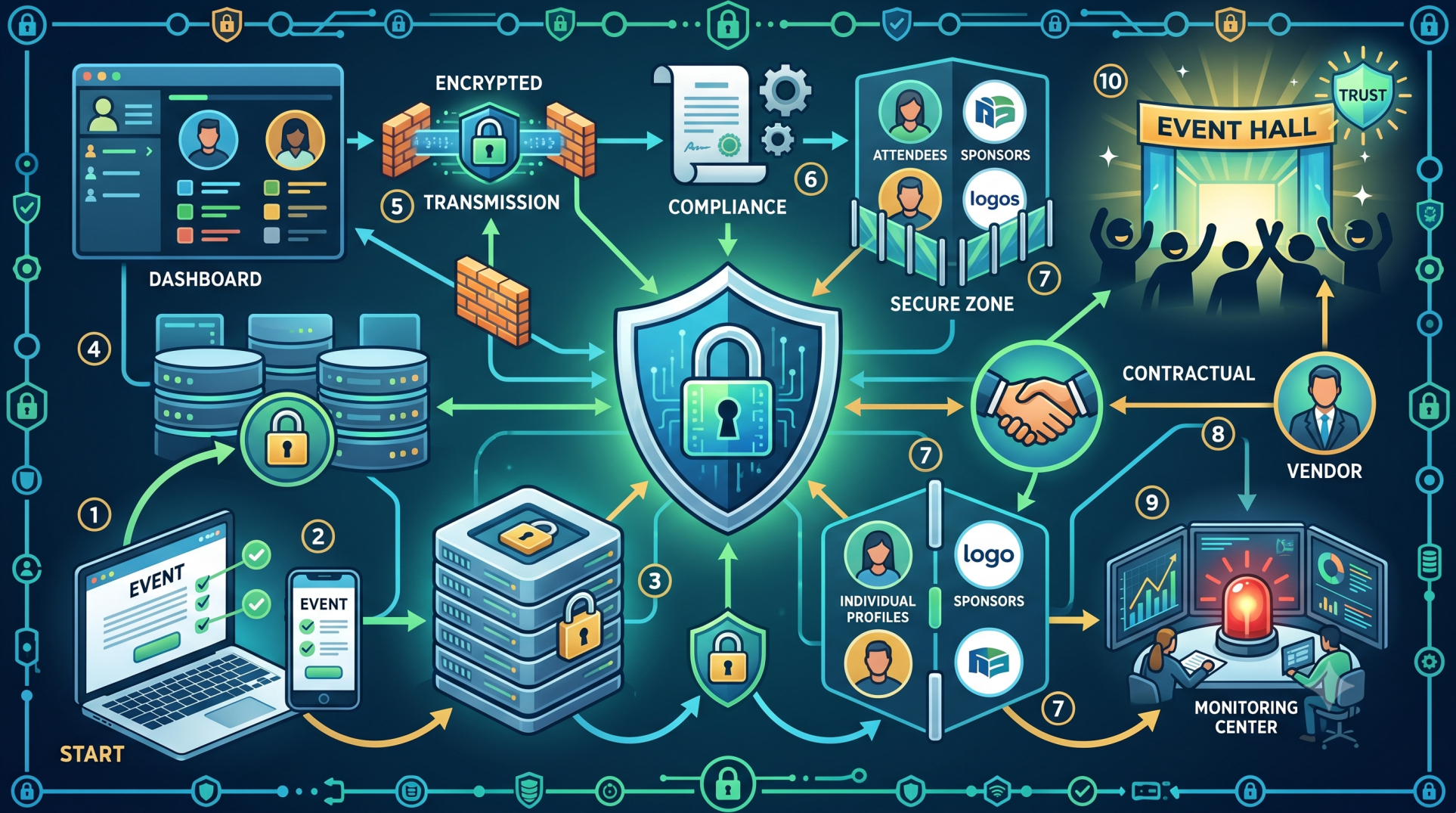
• Encrypt data both in transit and at rest 🔒
• Apply strict identity and access management controls 👤
• Use firewalls and threat detection to prevent attacks 🚫
• Ensure compliance with relevant data protection regulations 📜
• Perform regular audits and vulnerability assessments 🔍
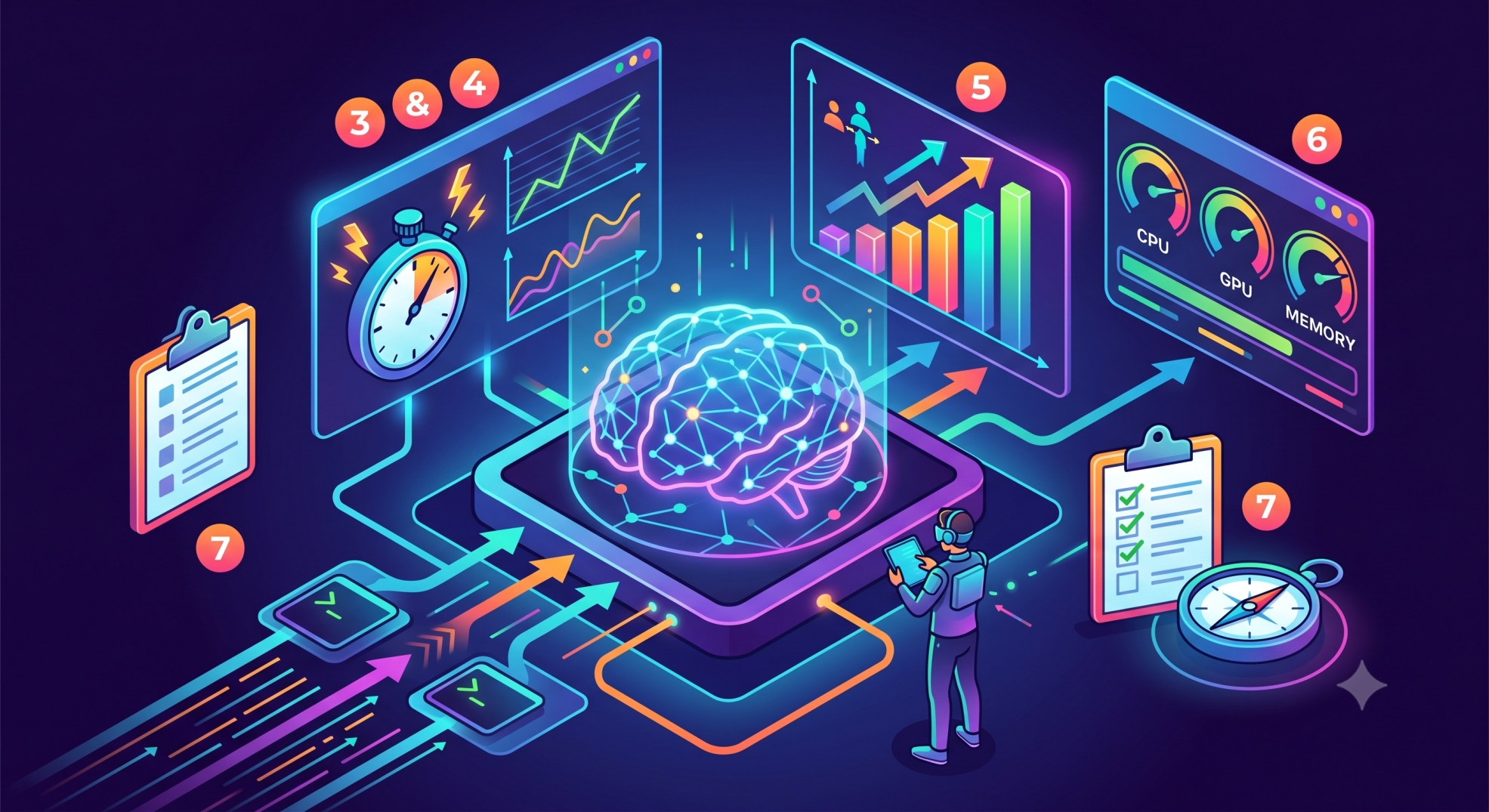
Step 7: Monitoring and Performance Optimization 📊
• Track performance metrics in real time 📈
• Identify bottlenecks and optimize system resources 🔍
• Use observability tools for logs, metrics, and traces 🧠
• Scale infrastructure proactively based on usage trends 🔄
• Continuously refine performance and responsiveness ⚡
Step 8: Cost Management and Resource Efficiency 💰
• Optimize resource usage to control cloud spending 📉
• Use flexible pricing models for event-driven workloads ⚙️
• Monitor consumption and adjust resources accordingly 📊
• Leverage reserved or spot instances where suitable 💡
• Balance cost efficiency with performance requirements ⚖️
Step 9: Handling Traffic Spikes and Peak Loads 📈
• Prepare for sudden surges during registrations and live sessions ⚡
• Use auto-scaling and load balancing to absorb demand 🔄
• Conduct stress testing before events go live 🧪
• Implement queueing systems to manage overload 📥
• Ensure stable performance under high-demand conditions 🏗️
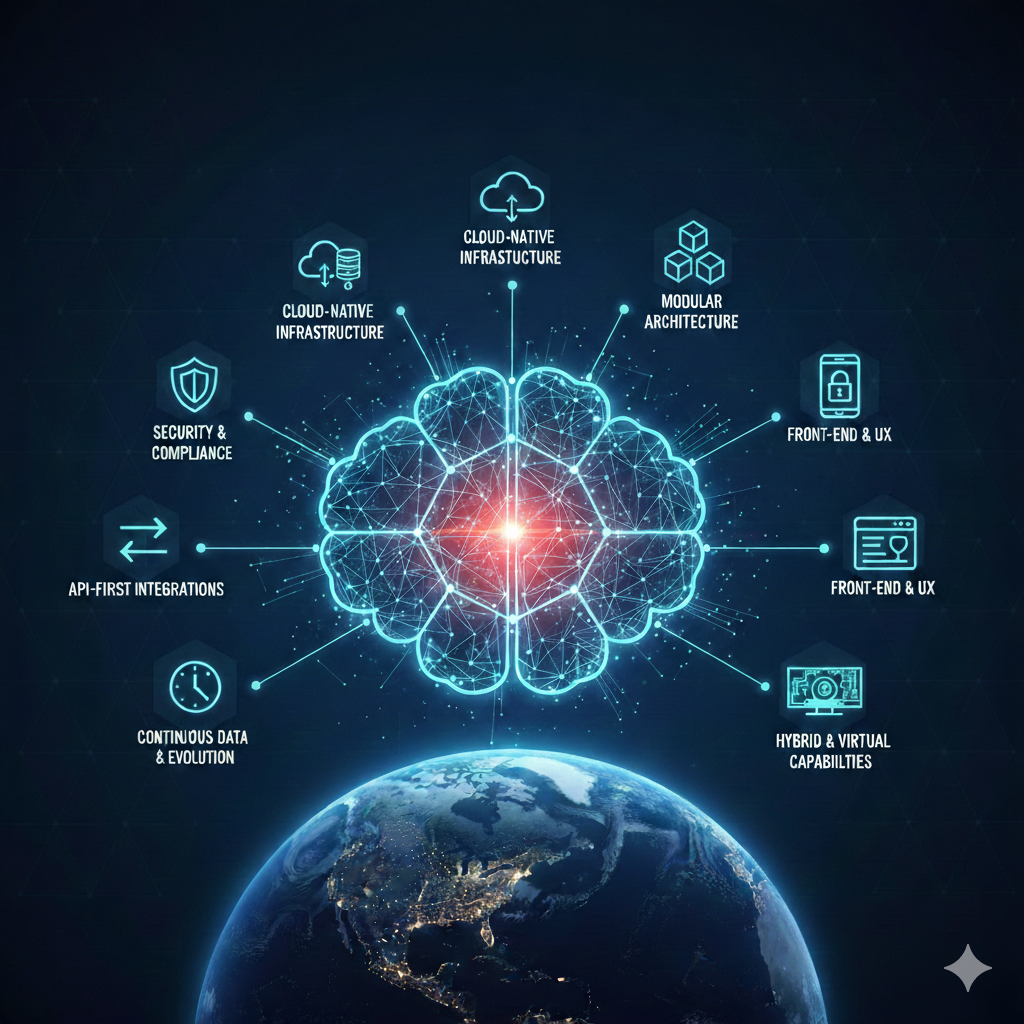
Step 10: Building a Future-Ready Event Platform 🚀
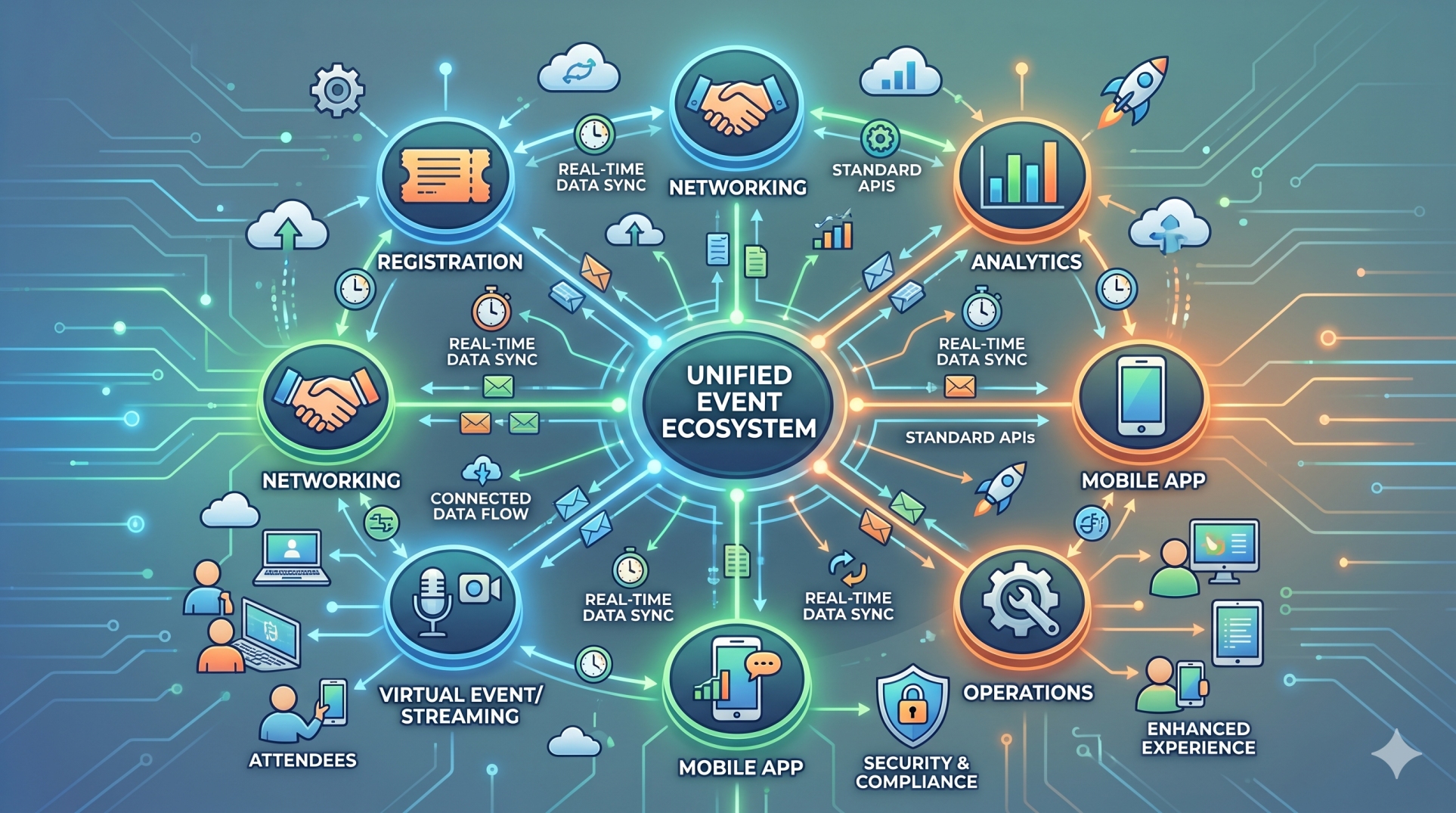
• Design modular architectures for easy expansion 🧩
• Enable scalability for larger or multiple concurrent events 📦
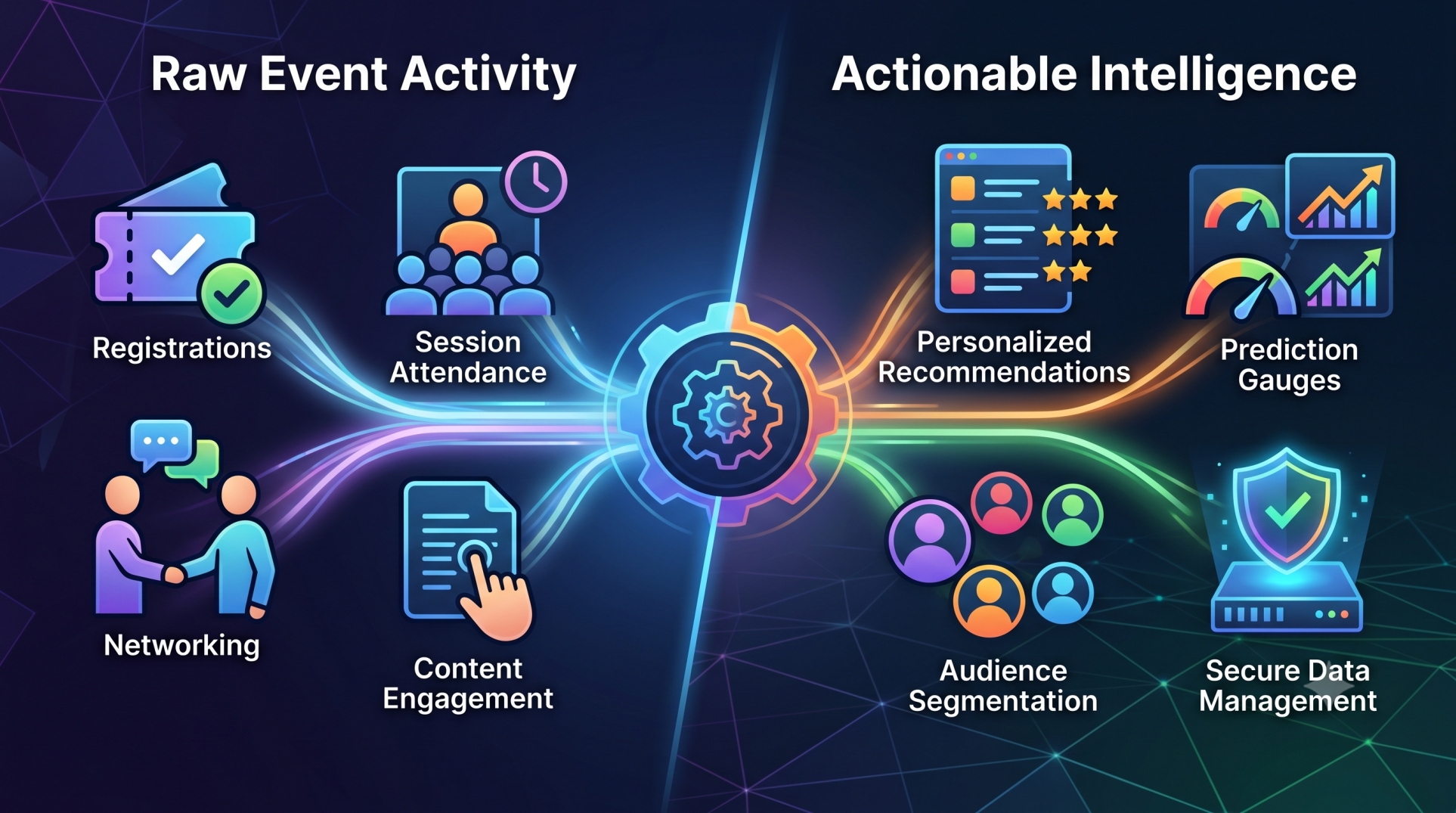
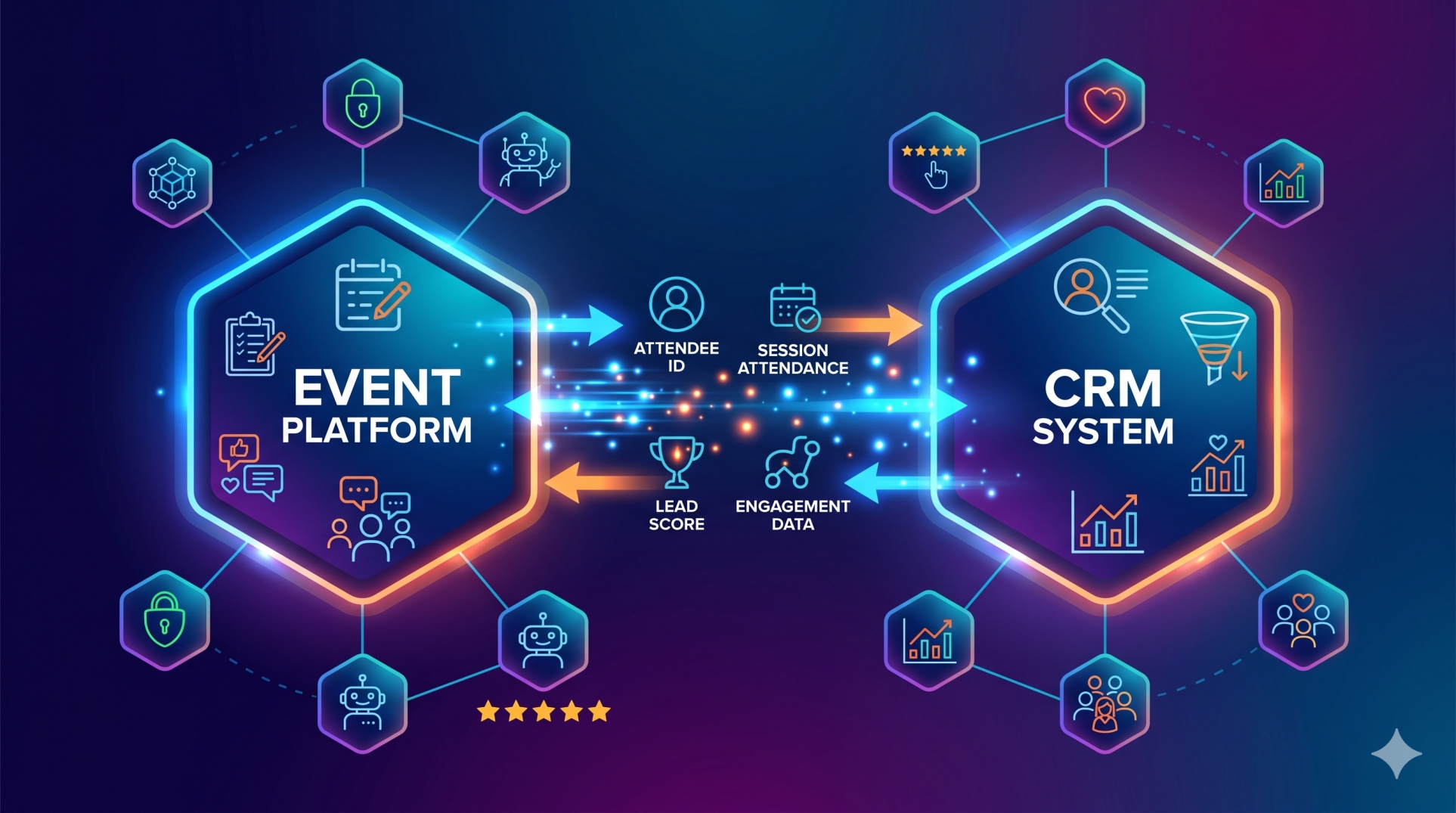
• Integrate analytics for data-driven decision-making 📊
• Support hybrid and virtual event experiences 🌐
• Continuously evolve infrastructure based on future needs 🔄
Conclusion
Cloud infrastructure serves as the foundation for successful large-scale event execution. By combining scalability, real-time responsiveness, and strong security practices, organizations can deliver seamless and engaging digital experiences. A well-architected cloud environment not only ensures stability during peak demand but also provides the flexibility to adapt, scale, and innovate for future events.
See more blogs
You can all the articles below

































Ready to Find Your Perfect Solution?
Let us show you how Event Software can transform your events

AI-powered event management platform that helps you create stunning events .