Predictive Analytics in Event Software Explained
Predictive Analytics in Event Software Explained
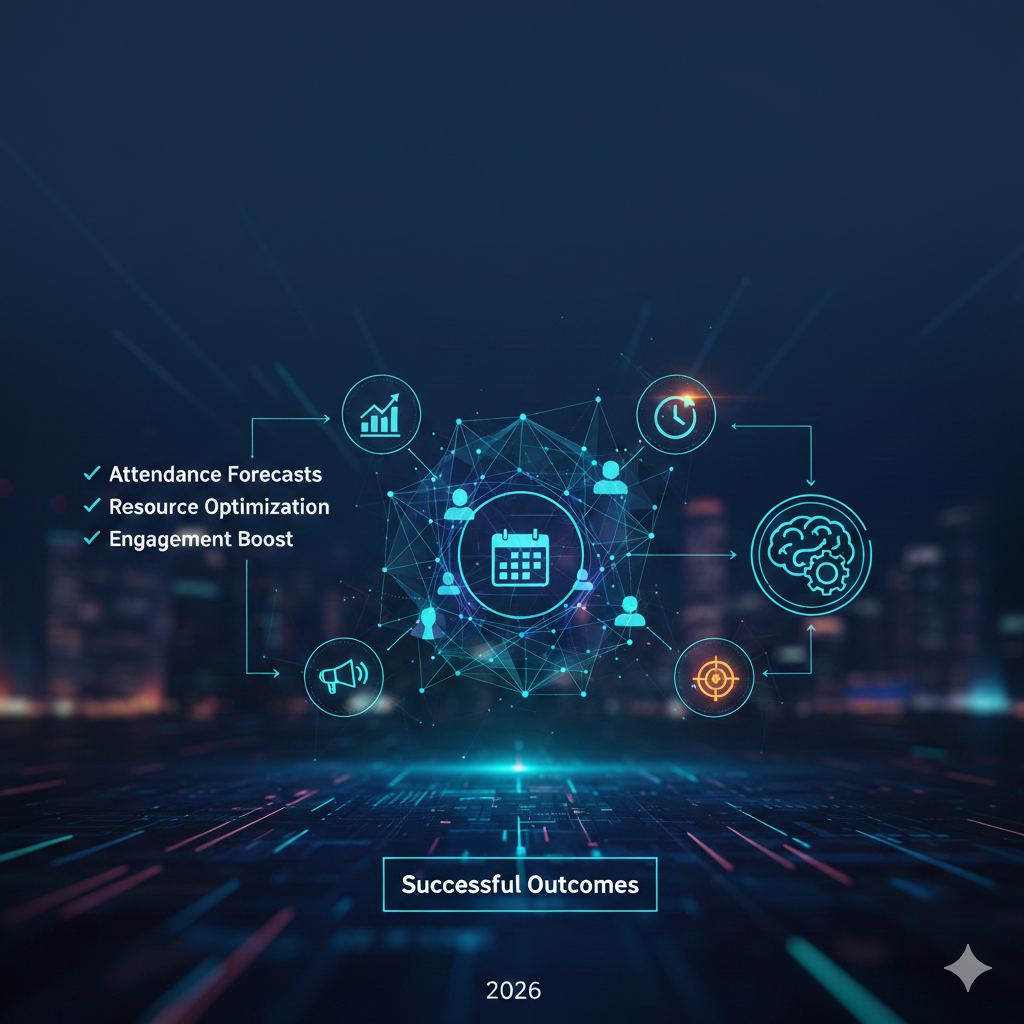
Event planning is no longer driven by intuition alone. Today’s event platforms go beyond basic registration and scheduling by using data to forecast outcomes and guide decisions. Predictive analytics plays a central role in modern event software, helping organizers anticipate attendee behavior, allocate resources effectively, and deliver more successful events.
What Is Predictive Analytics in Event Software 📈
• Analyzes historical and real-time event data 📊
• Uses statistical models and machine learning techniques 🤖
• Forecasts future trends, behaviors, and outcomes 🔍
• Enables proactive planning instead of reactive decisions 🚀
Why Predictive Analytics Is Important for Events 🎯
• Events involve significant budgets and tight deadlines 💰
• Minor planning errors can reduce attendance and engagement ⚠️
• Predictive insights lower uncertainty and risk 🛡️
• Data-driven forecasts improve planning accuracy and confidence 📐
Key Data Sources for Predictive Event Analytics 🗂️
• Historical event performance and attendance records 🕒
• Registration patterns and ticket sales data 📝
• Session engagement and popularity metrics 📊
• Marketing campaign results 📢
• Attendee demographics and behavioral data 👥
Predicting Attendance and Registration Patterns 👥
• Estimates total registrations over time 📈
• Identifies peak and slow registration periods ⏰
• Predicts no-show and drop-off rates ❌
• Helps optimize marketing timing and spend 🎯
Improving Session Planning and Scheduling 🗓️
• Predicts high-demand sessions in advance ⭐
• Helps balance room capacity and attendance 🪑
• Optimizes session timing and speaker placement ⏱️
• Enhances overall attendee satisfaction 😊
Strengthening Marketing and Promotion 📣
• Identifies the most effective marketing channels 📌
• Predicts campaign success before launch 🔮
• Supports personalized messaging for audience segments 🧩
• Improves marketing ROI 💡
Optimizing Budget and Resource Planning 💼
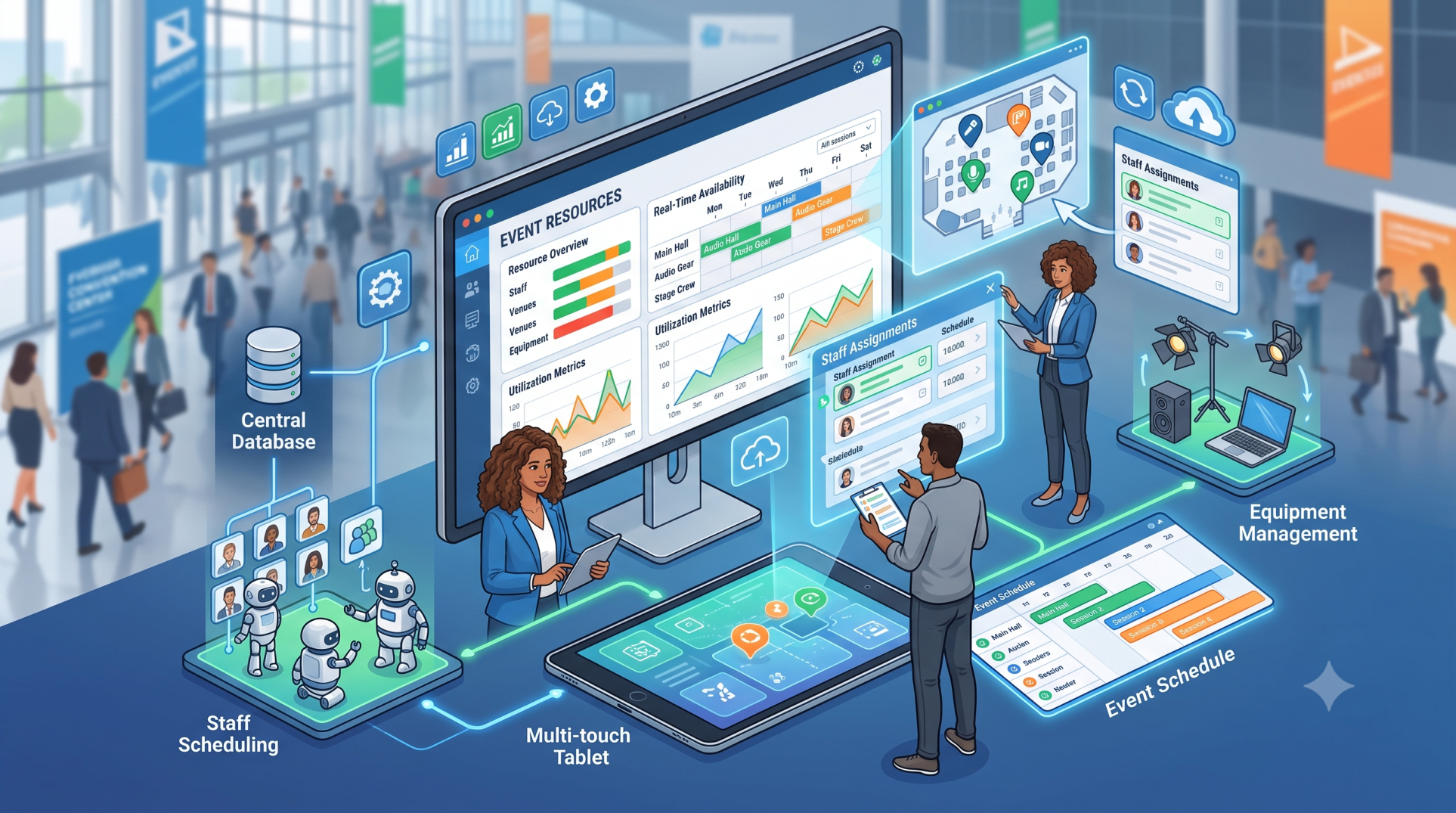
• Forecasts needs for catering, staffing, and space 🍽️
• Reduces waste from overbooking or underutilization ♻️
• Helps control event costs more efficiently 💵
• Supports better venue and vendor selection 🏢
Increasing Attendee Engagement 🔗
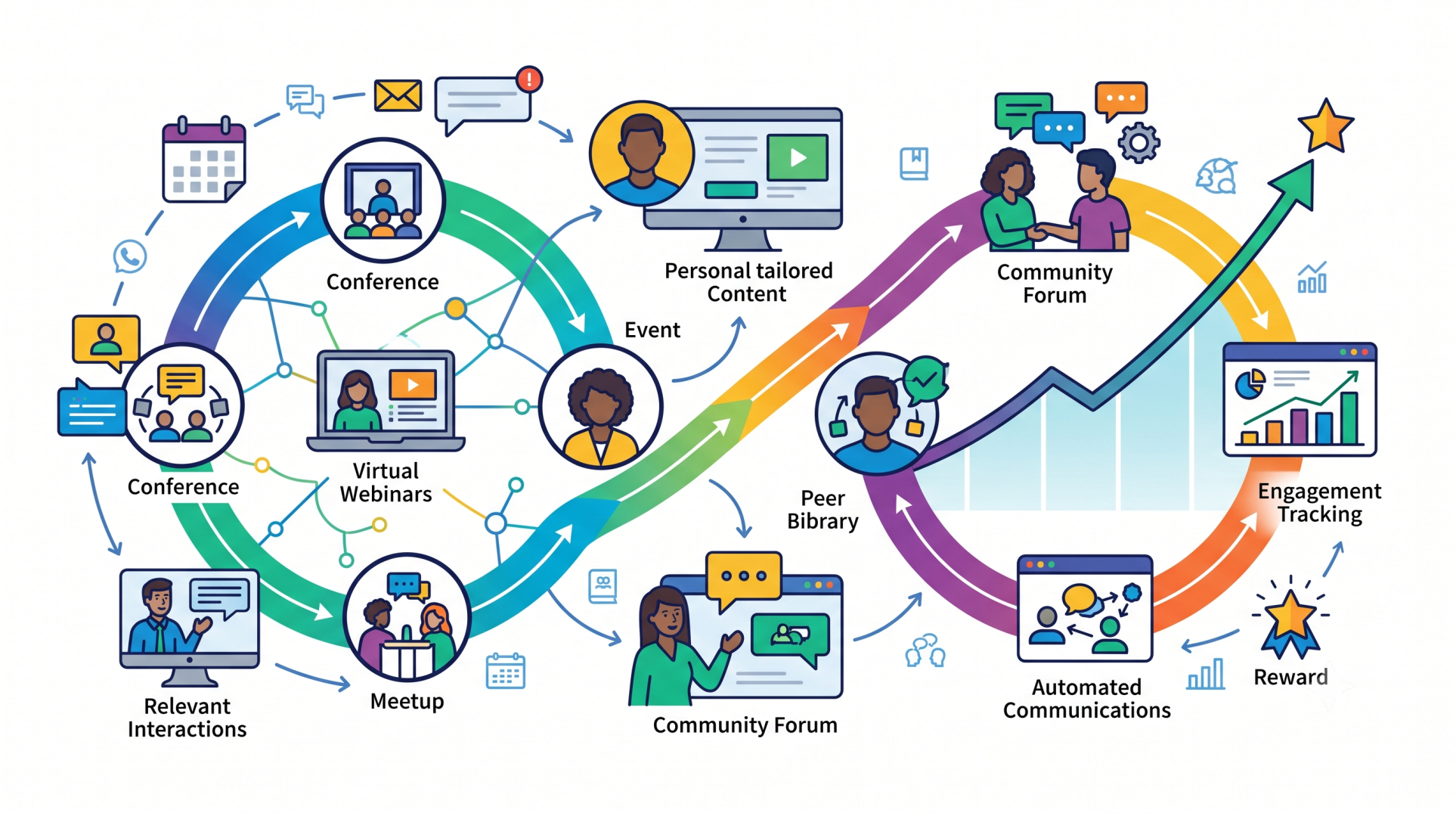
• Predicts which attendees are likely to engage most ⭐
• Identifies high-value participants and prospects 🏆
• Enables targeted networking and content suggestions 🤝
• Boosts overall event impact 🚀
Supporting Smarter Decisions for Event Teams 🧠
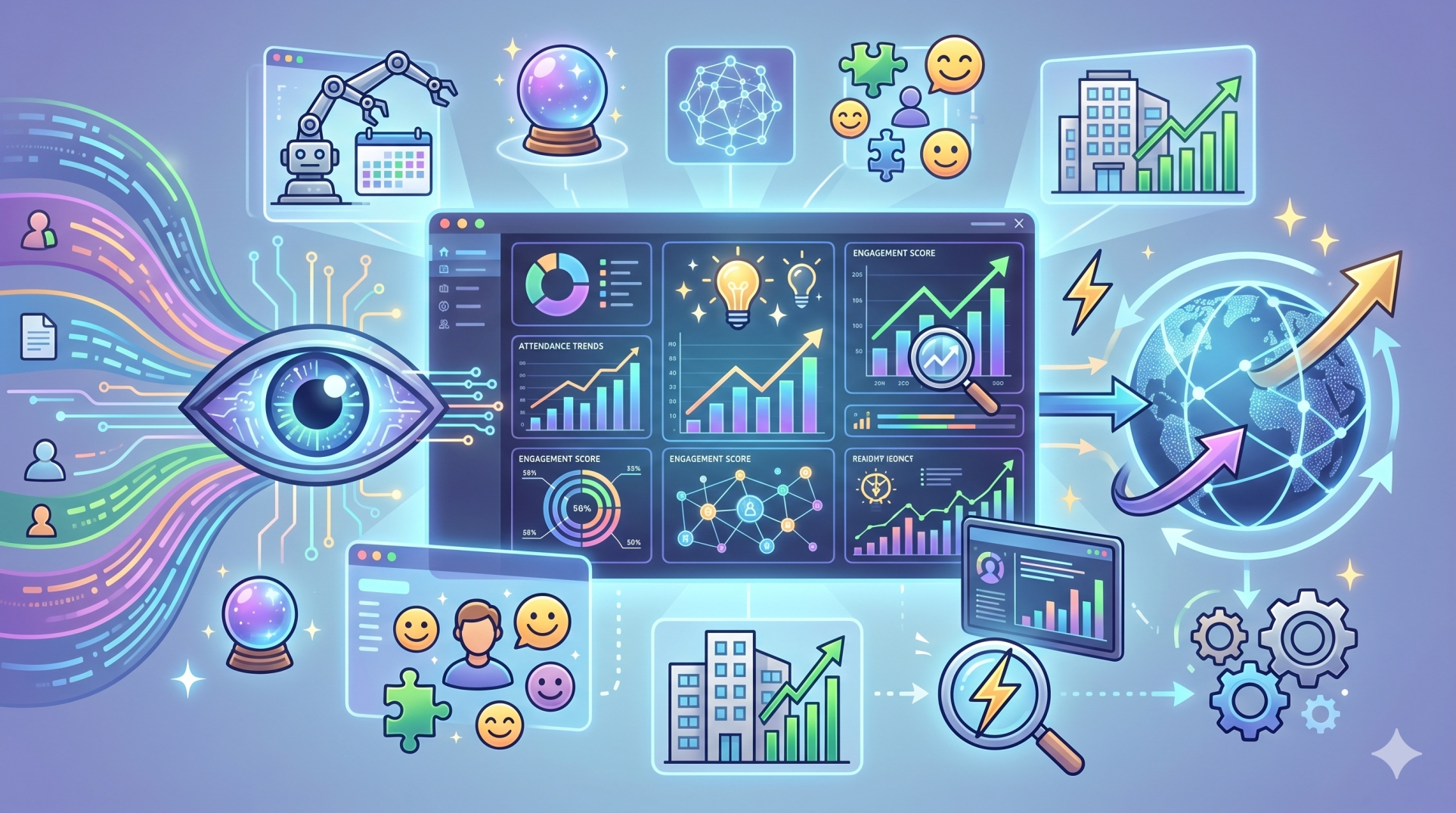
• Provides dashboards with predictive insights 📊
• Enables scenario planning and what-if analysis 🔁
• Helps teams react quickly to changing conditions ⚡
• Reduces reliance on guesswork ❌
How Platforms Like Cvent Use Predictive Analytics 🧩
• Analyze historical event and attendee data 📚
• Forecast attendance, engagement, and return on investment 📈
• Optimize venue selection and space utilization 🏟️
• Enable data-driven event strategies at scale 🌐
Benefits of Predictive Analytics in Event Software ✅
• Increased attendance and engagement 📈
• Better use of budgets and resources 💰
• Improved attendee experiences 😊
• Lower operational risk 🛡️
• More predictable and measurable event outcomes 📊
Final Thoughts 🏁
Predictive analytics is reshaping event software into intelligent planning systems. By turning data into forecasts and insights, organizers can plan with greater precision, reduce uncertainty, and deliver better events. As events grow in size and complexity, predictive analytics is no longer optional—it has become essential for modern event success 🚀
See more blogs
You can all the articles below


































Ready to Find Your Perfect Solution?
Let us show you how Event Software can transform your events

AI-powered event management platform that helps you create stunning events .