Real-Time Event Command Dashboards Explained
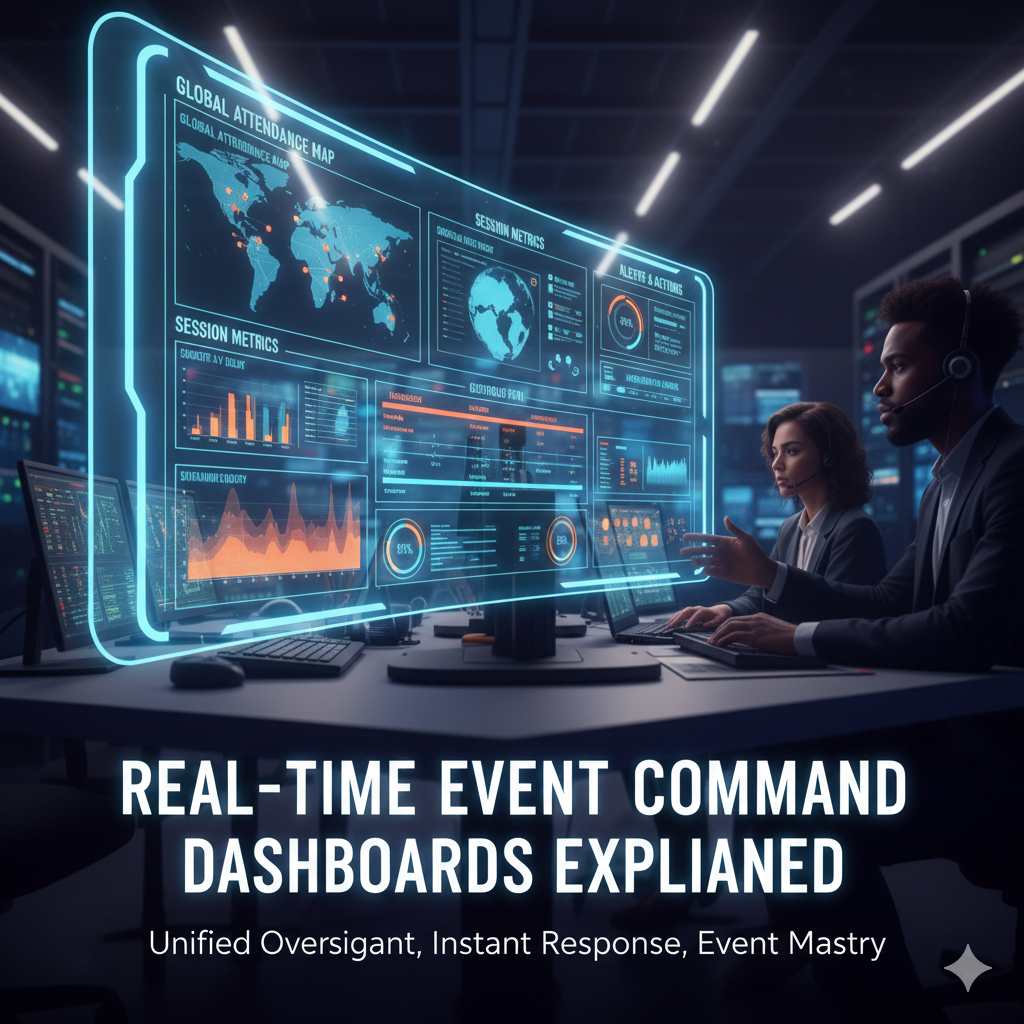
Real-Time Event Command Dashboards Explained
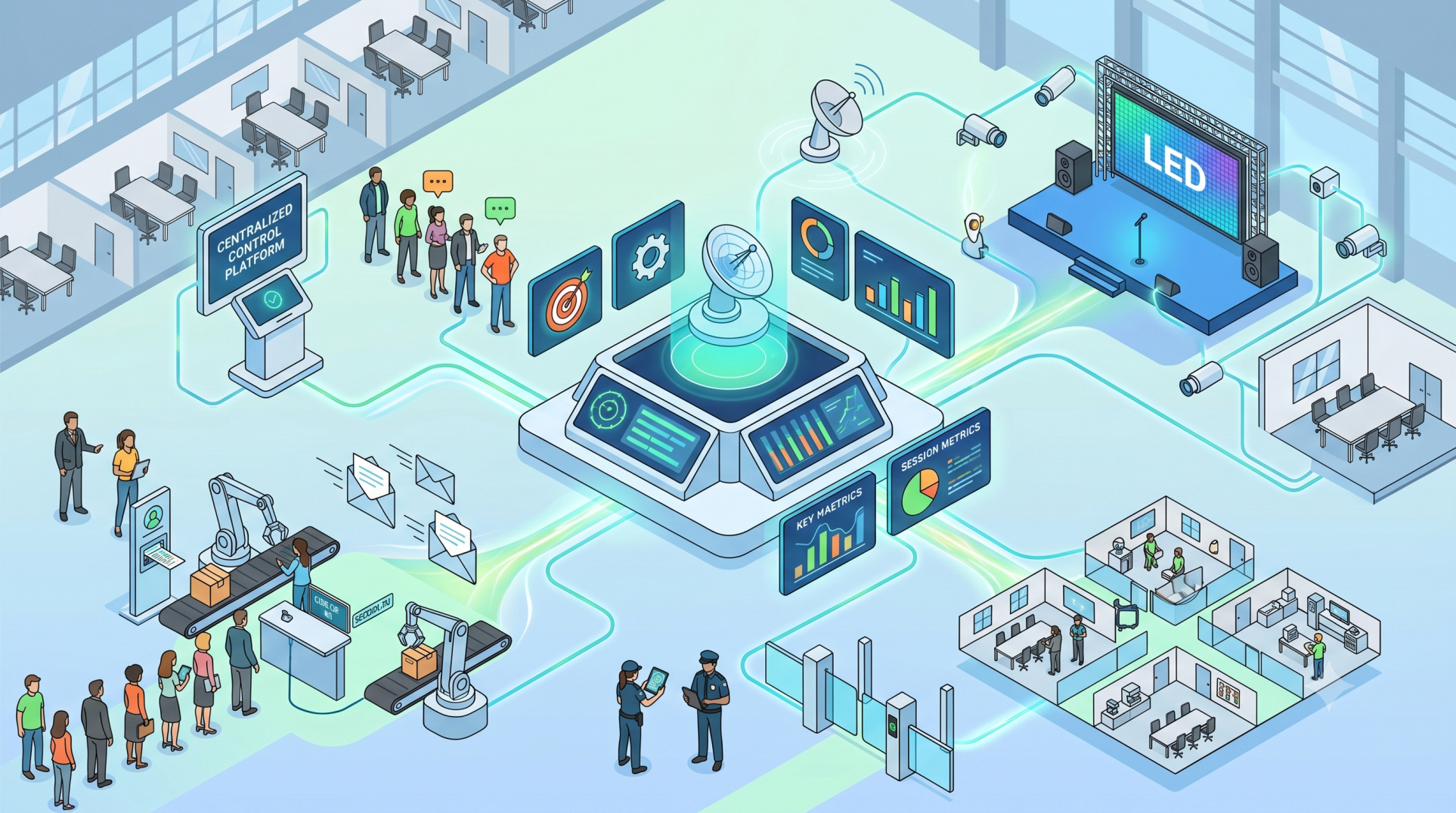
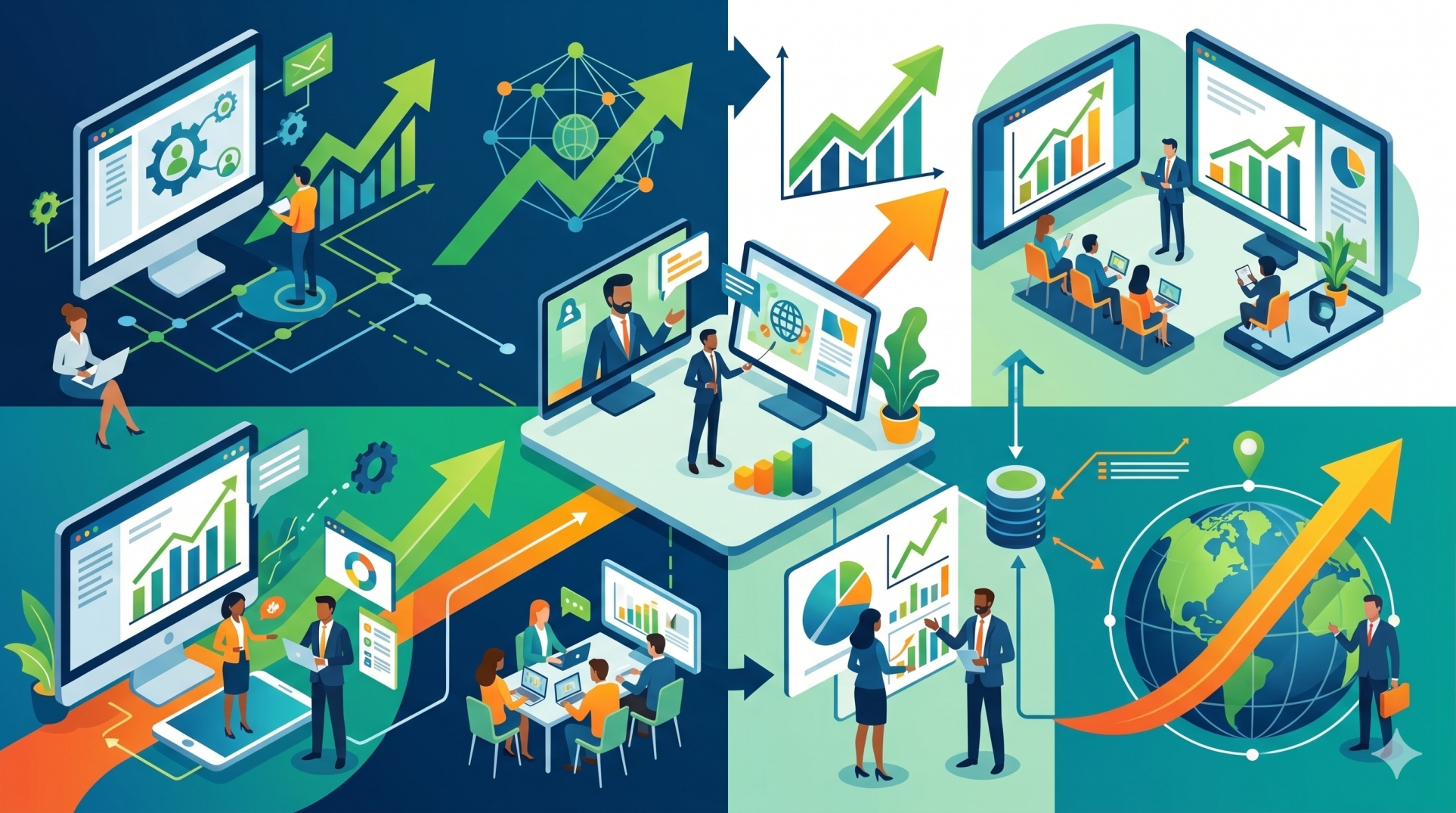
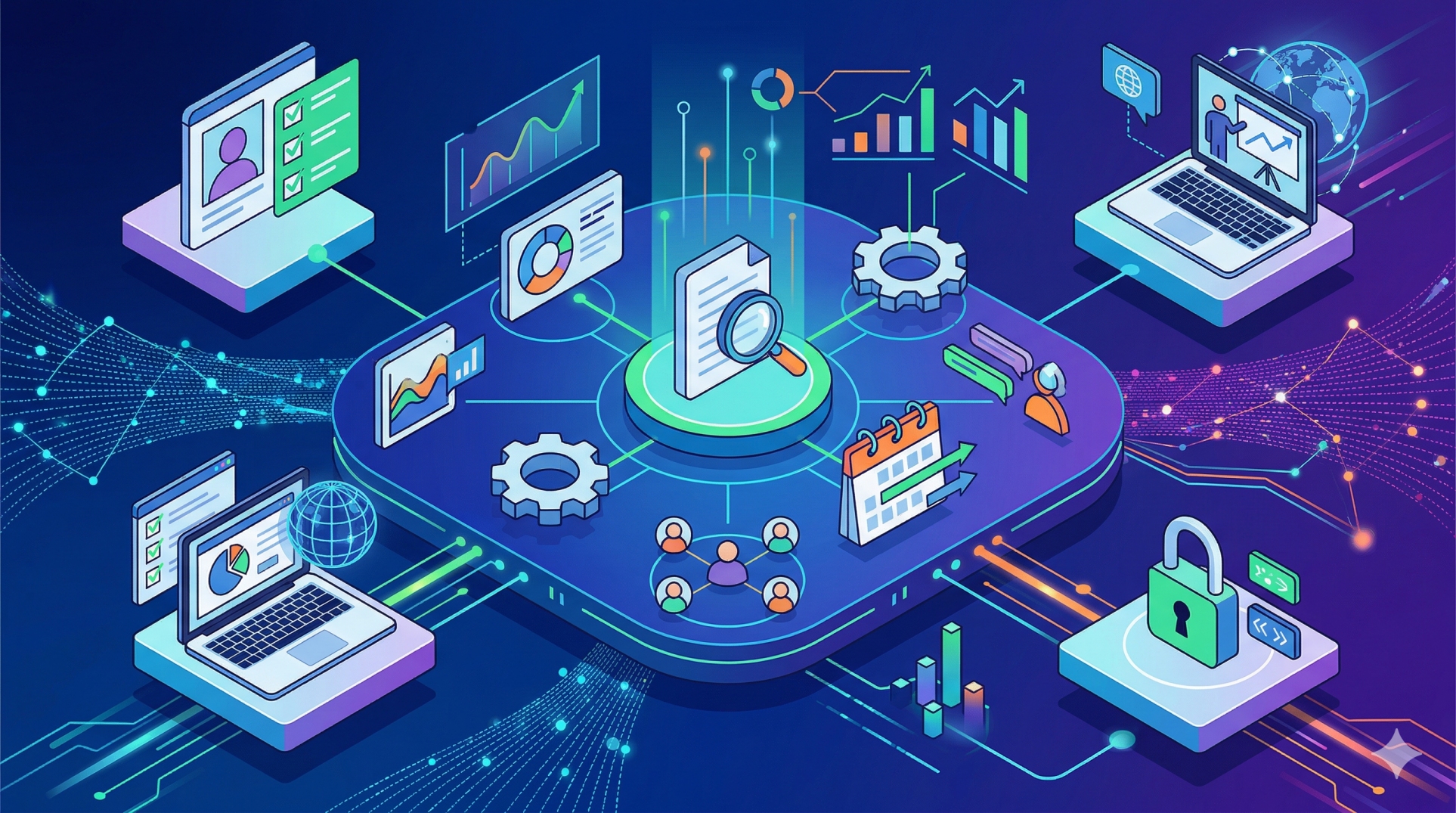
Modern events operate in fast-paced, high-stakes environments where coordination, timing, and full visibility determine success. Real-time event command dashboards provide a centralized operational view, allowing organizers to track performance, resolve issues immediately, and maintain control across physical venues, virtual platforms, and hybrid formats. These dashboards act as the operational control center for complex, large-scale events.
Step 1: What Is a Real-Time Event Command Dashboard 🎛️
• A centralized control hub for overseeing live event operations 🖥️
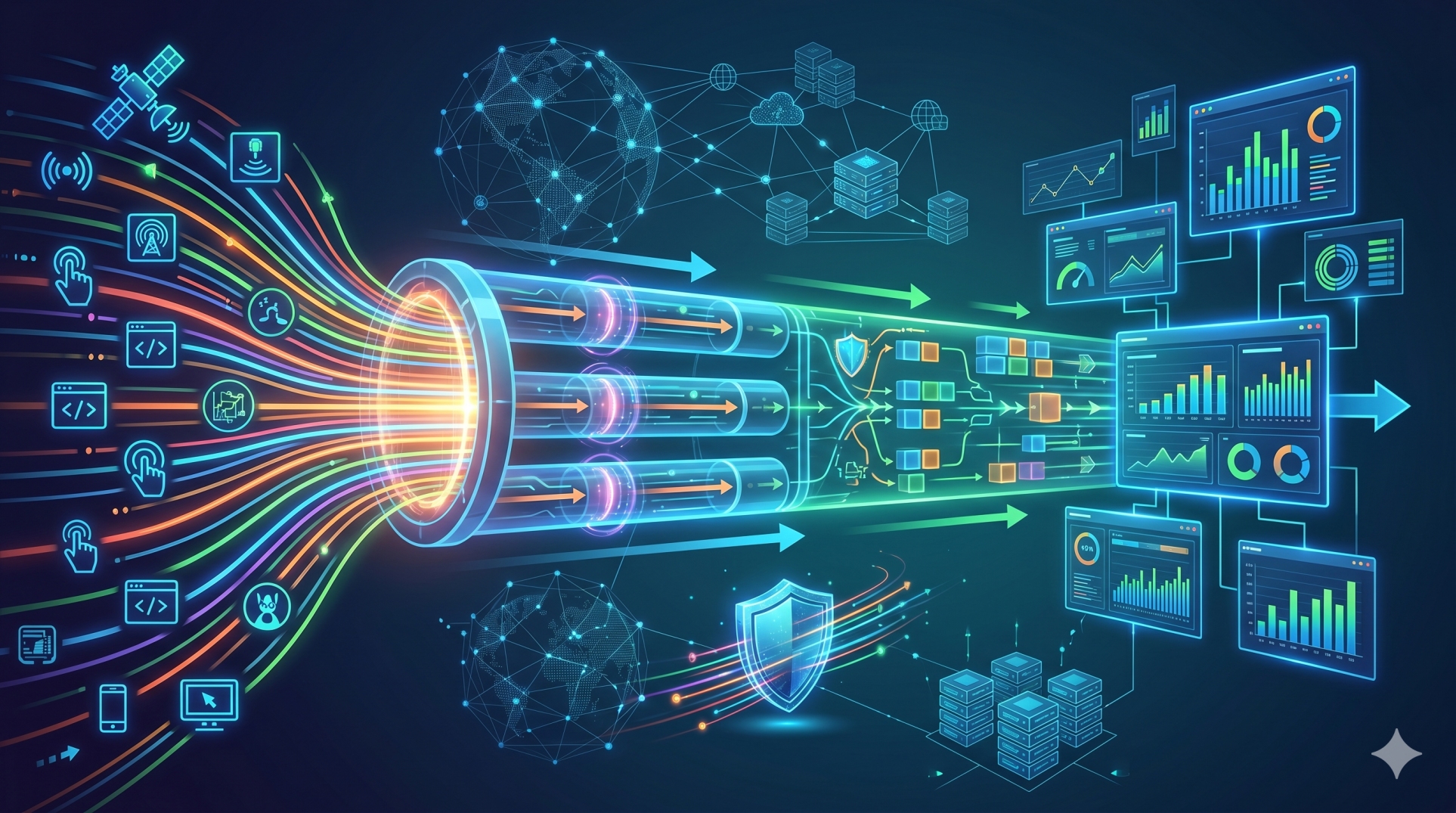
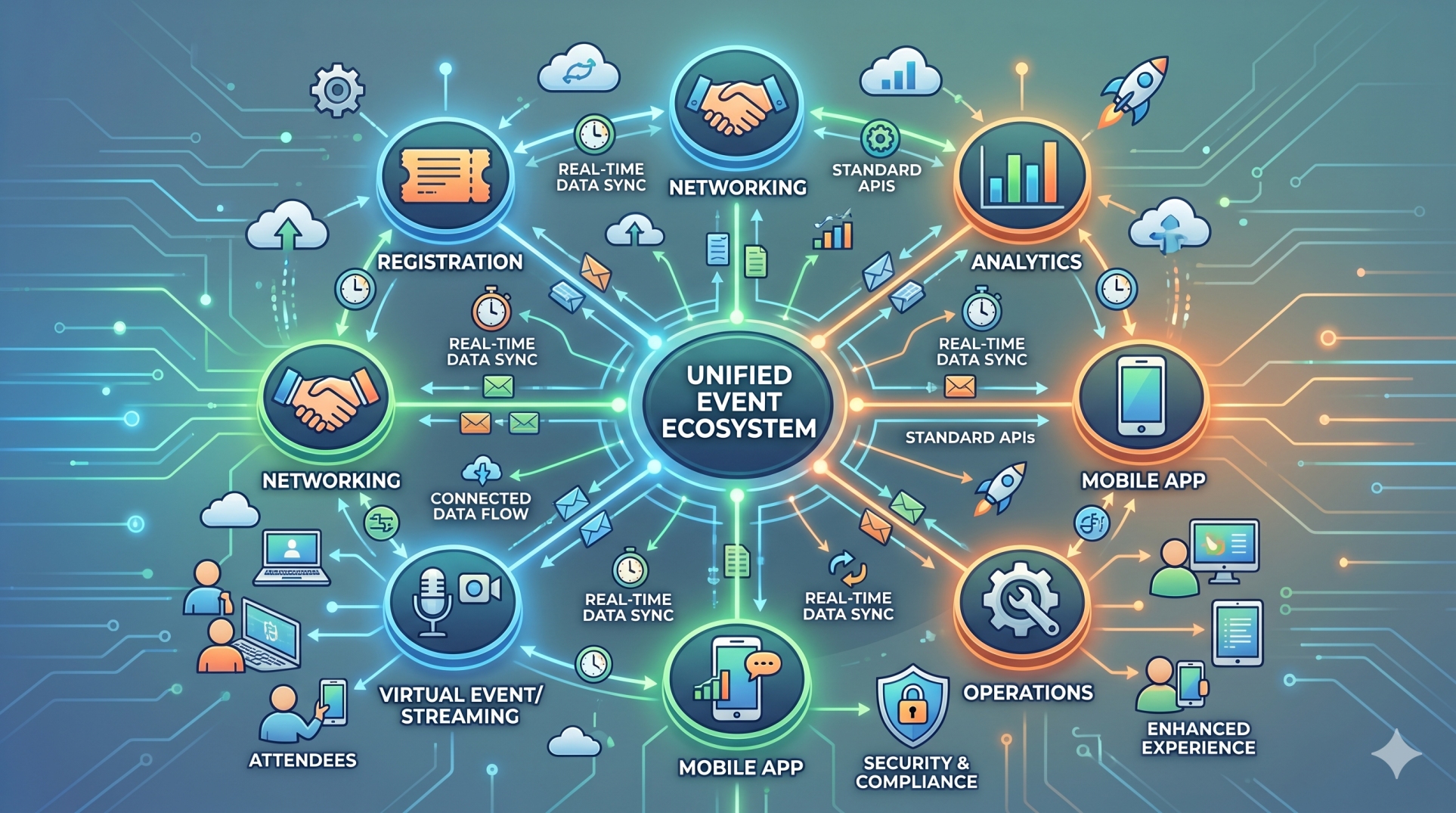
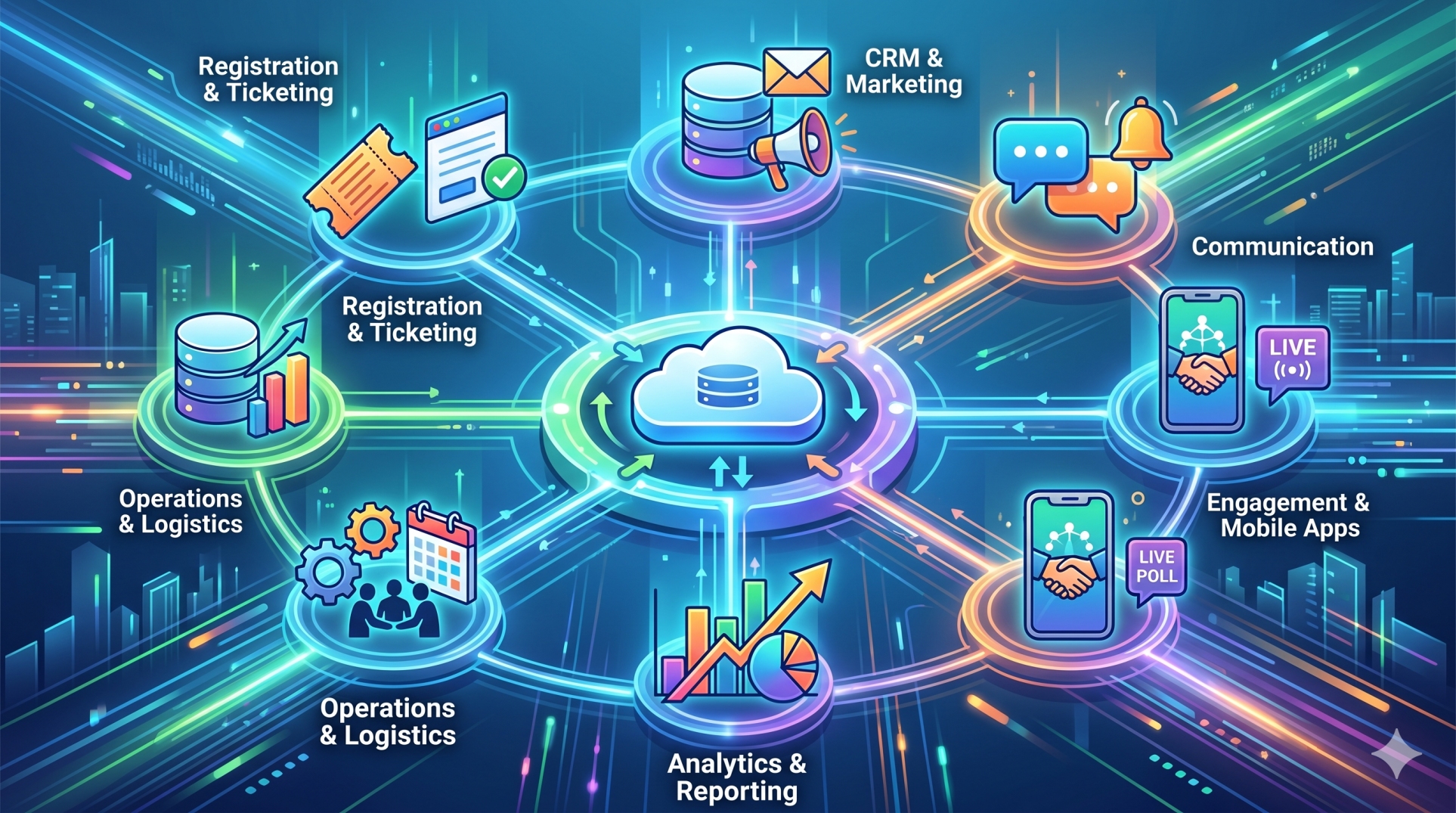
• Aggregates real-time data from multiple event technologies 🔄
• Displays performance indicators, alerts, and engagement signals 📊
• Enables data-driven decisions during live execution ⚡
• Creates shared operational visibility for leadership and teams 👥
Step 2: Why Real-Time Visibility Matters 👀
• Events involve numerous concurrent processes and teams 🔁
• Technical disruptions and delays require immediate intervention ⚠️
• Disconnected systems create blind spots during execution 🚫
• Live insights reduce reactive decision-making and guesswork 📉
• Continuous monitoring improves cross-functional coordination 🤝
Step 3: Core Data Streams Integrated into Dashboards 📡
• Registration flow and check-in activity 📋
• Session attendance metrics and room capacity utilization 🪑
• Streaming performance and virtual engagement indicators 🎥
• Interactive signals such as polls, Q&A, and networking 💬
• Sponsor and exhibitor engagement analytics 🤝
Step 4: Operational Monitoring and Alerting 🚨
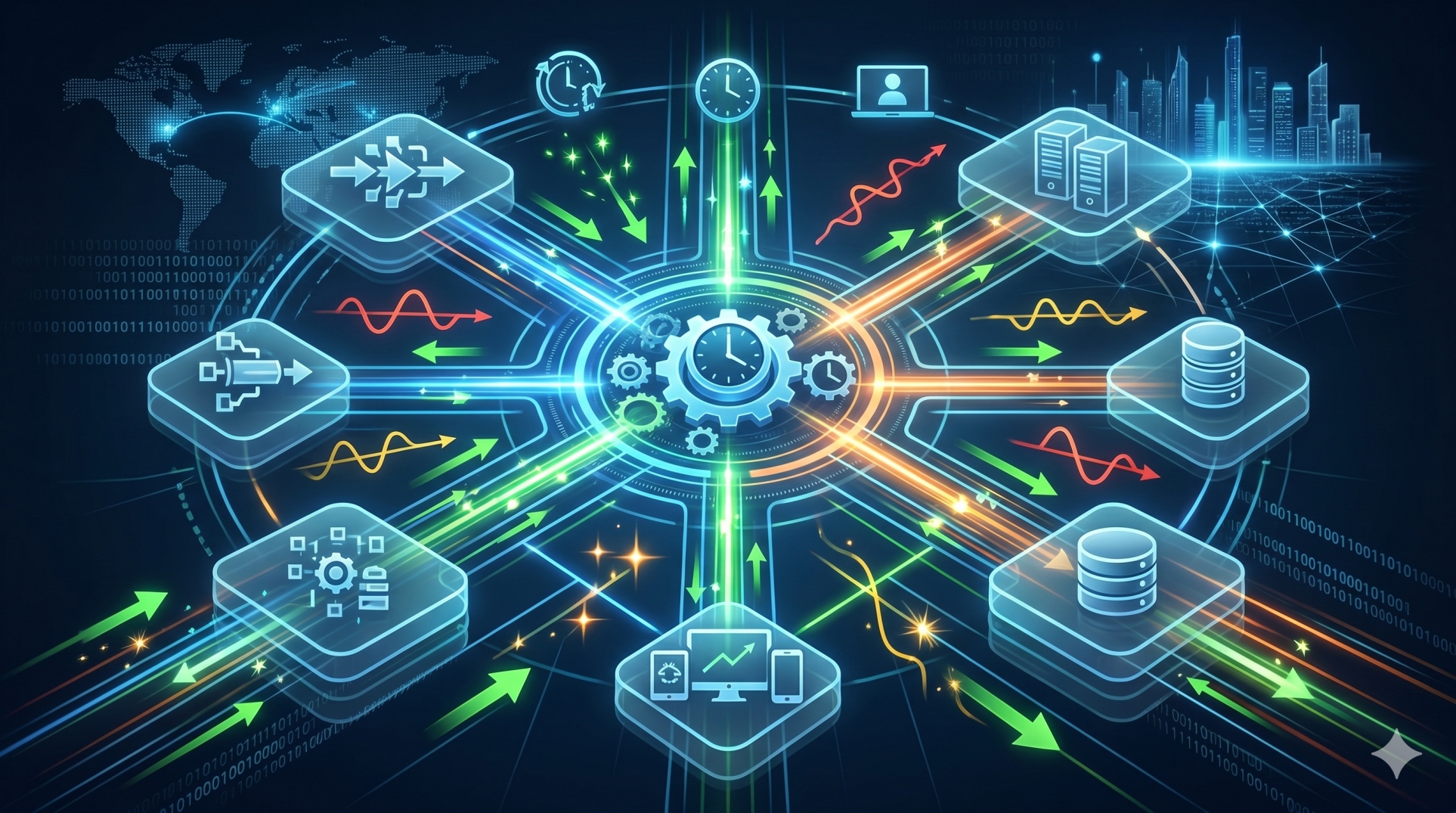
• Monitors thresholds like venue capacity or system latency ⏱️
• Detects technical interruptions in real time ⚙️
• Flags unexpected drops in engagement or attendance 📉
• Activates escalation workflows for rapid issue resolution 🔄
• Reduces downtime and protects attendee experience 😊
Step 5: Cross-Team Coordination and Communication 🤝
• Aligns operations, marketing, and technical stakeholders 👥
• Establishes a single source of truth during execution 📊
• Minimizes reliance on manual updates and fragmented messaging 📩
• Enhances clarity during high-pressure moments 🎯
• Accelerates decision-making cycles ⚡
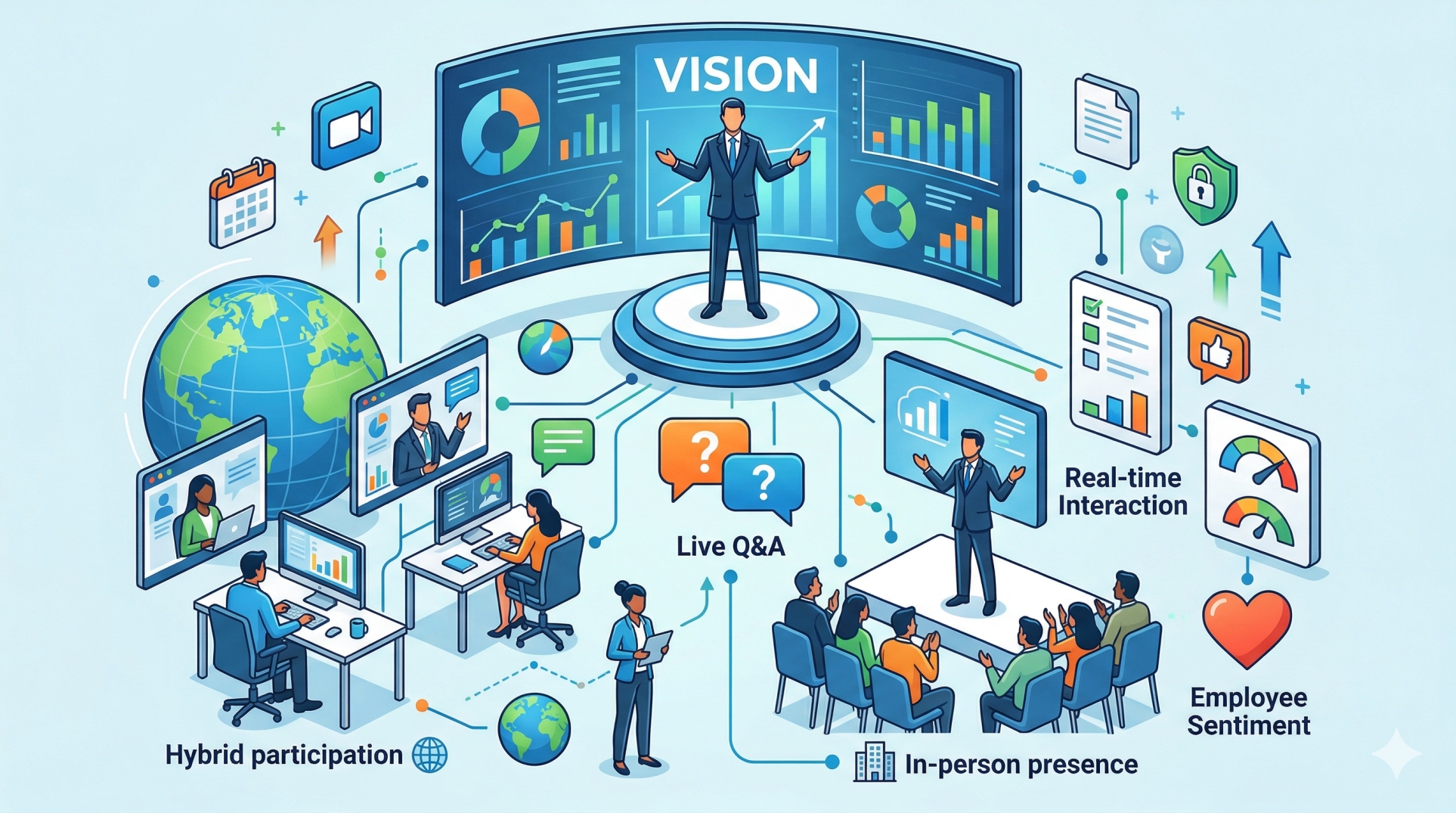
Step 6: Supporting Hybrid and Multi-Location Events 🌍
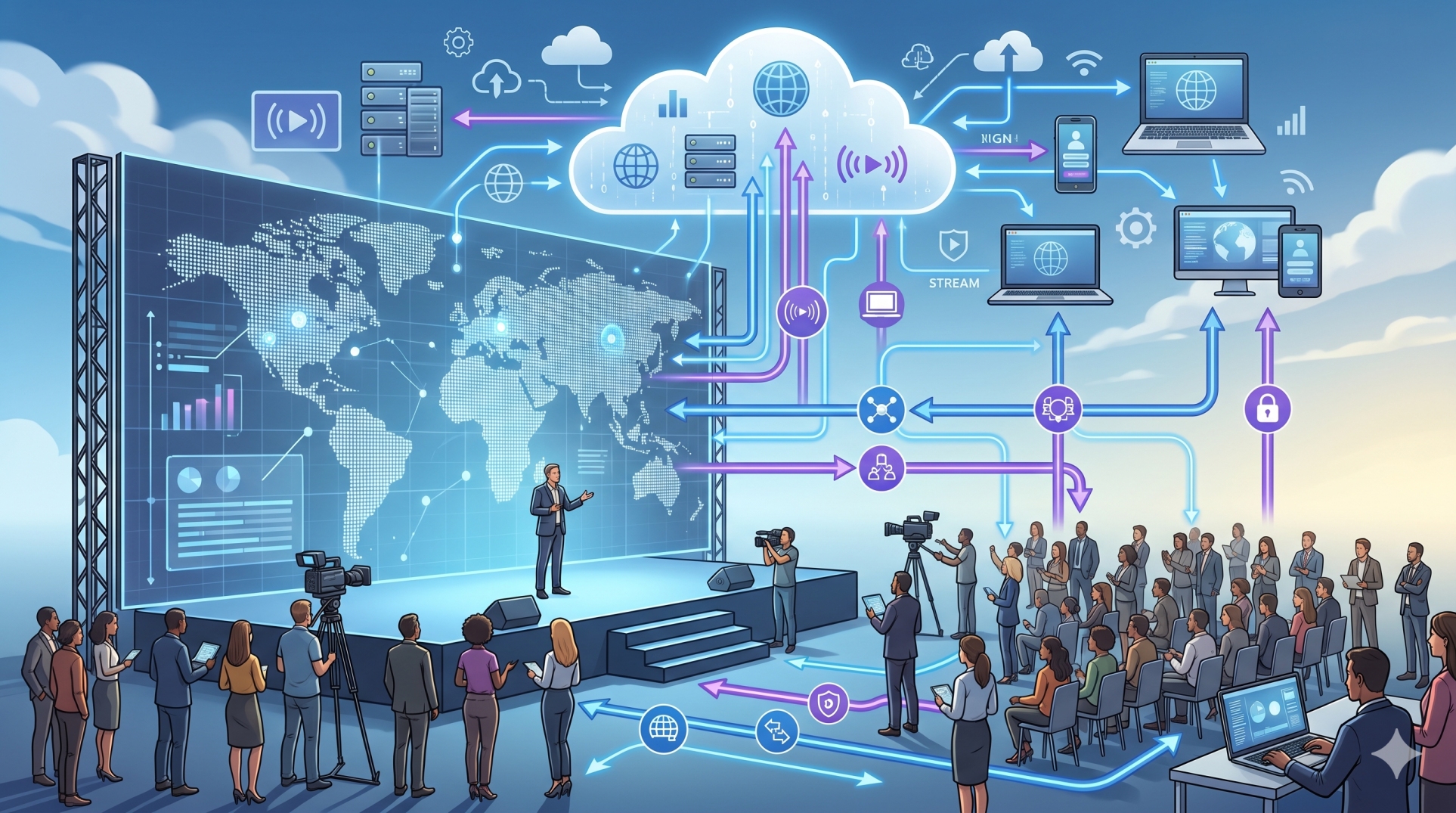
• Consolidates insights from both physical and virtual venues 🏢
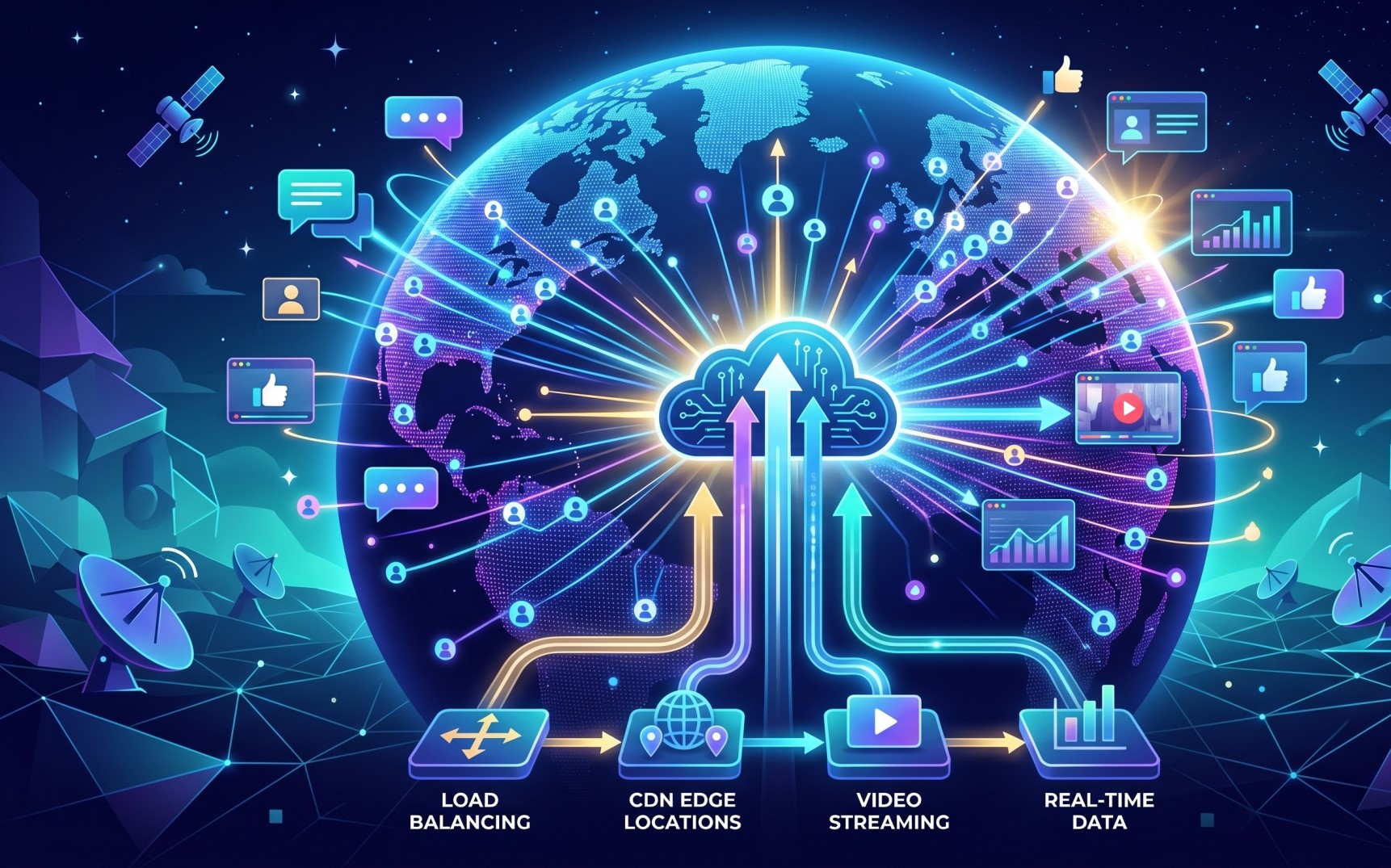
• Coordinates global schedules and time zones 🌐
• Maintains oversight across distributed teams and locations 📡
• Balances on-site logistics with digital performance metrics ⚖️
• Delivers unified monitoring regardless of event format 🎯
Step 7: Turning Live Data into Actionable Adjustments 🔄
• Reassigns resources based on attendance trends 📈
• Adjusts room allocations or session capacity dynamically 🪑
• Refines promotional messaging during live sessions 📣
• Enhances engagement tactics in real time 💡
• Optimizes sponsor visibility and placement strategically 💼
Step 8: Strategic Impact for Leadership 📈
• Provides executives with real-time performance visibility 👔
• Links operational indicators to measurable business outcomes 📊
• Supports confident decision-making under pressure 🧠
• Mitigates risk during complex, high-profile events 🛡️
Step 9: Data Logging for Post-Event Analysis 🗂️
• Captures operational metrics for future evaluation 📊
• Identifies inefficiencies and optimization opportunities 🔍
• Strengthens ROI reporting and performance reviews 📑
• Informs improved planning for subsequent events 📝
• Reinforces long-term strategic event development 📈
Step 10: From Monitoring Tool to Strategic Platform 🚀
• Transitions from simple oversight to insight-driven intelligence 🧠
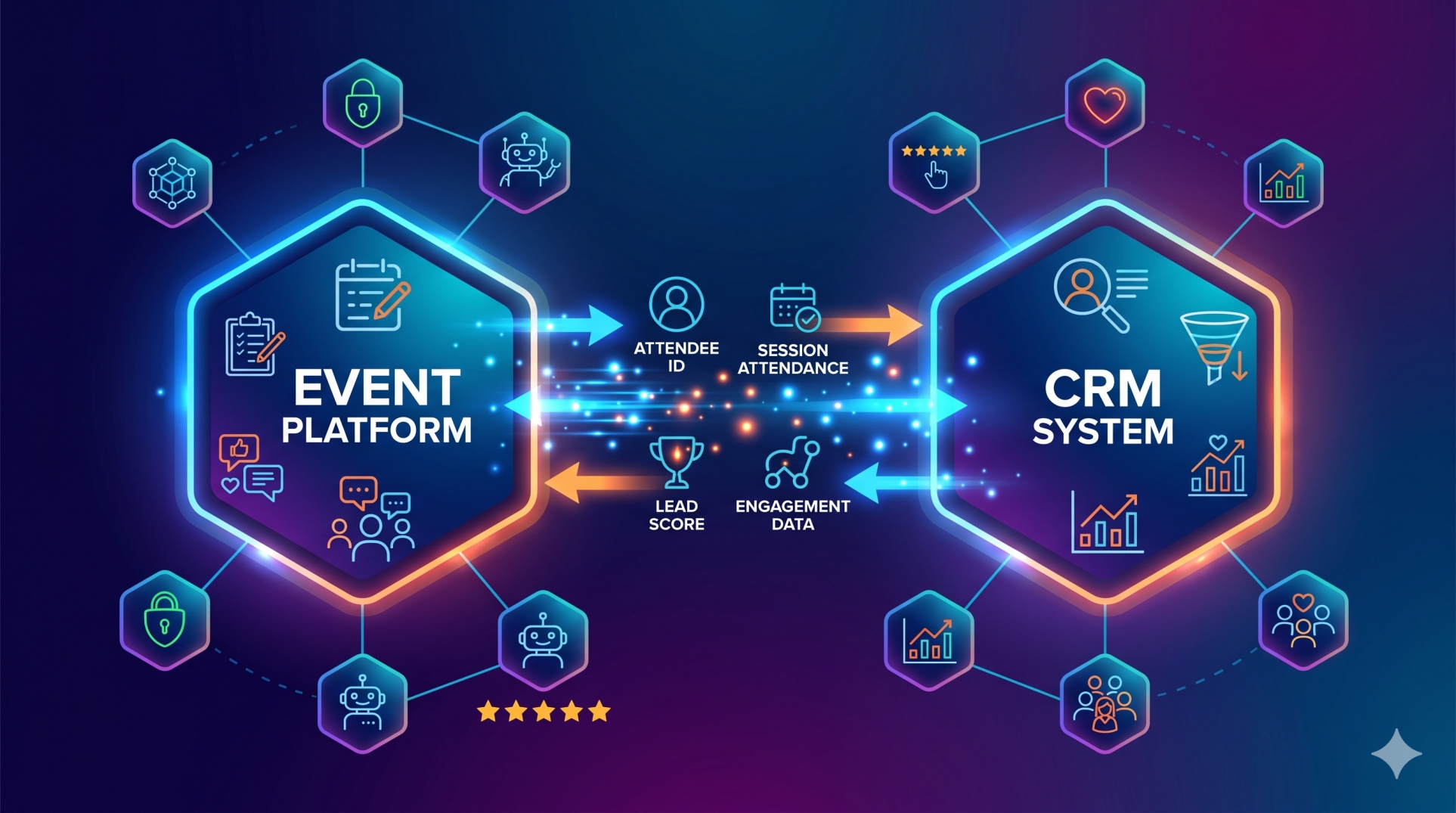
• Connects seamlessly with CRM and marketing platforms 🔗
• Enables predictive planning and scenario modeling 📊
• Drives data-led transformation of event strategy 📈
• Elevates events into measurable, strategic business assets 🏆
Conclusion
Real-time event command dashboards are fundamental to managing complex and high-impact events. By consolidating live operational data, enabling rapid intervention, and delivering executive-level visibility, these systems shift event execution from reactive coordination to proactive, insight-driven management. As events continue to expand in scale and strategic importance, command dashboards become essential infrastructure for operational excellence and long-term business performance.
See more blogs
You can all the articles below




























Ready to Find Your Perfect Solution?
Let us show you how Event Software can transform your events

AI-powered event management platform that helps you create stunning events .