
Measuring Revenue Attribution from Event Engagement

Measuring Revenue Attribution from Event Engagement
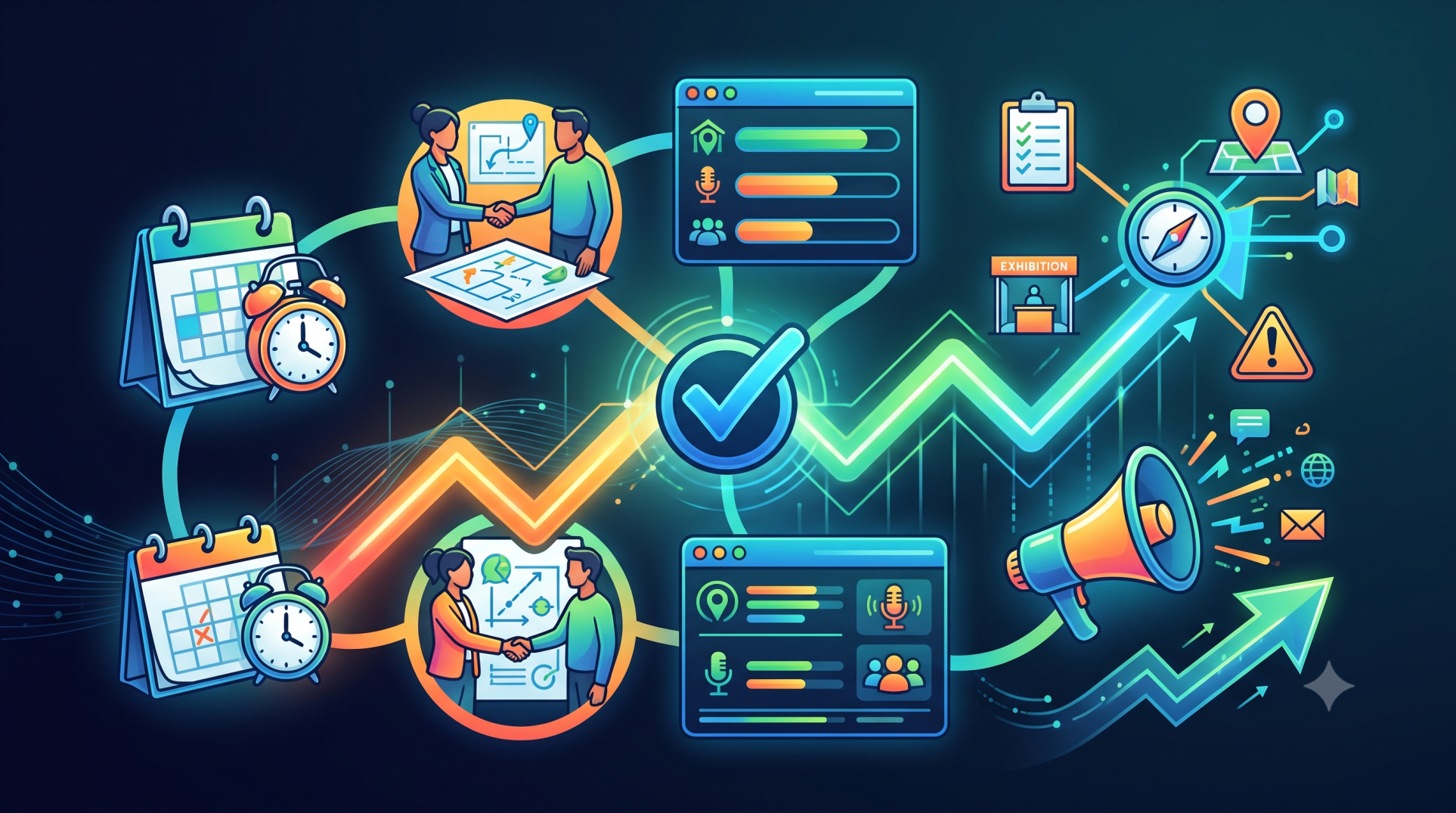
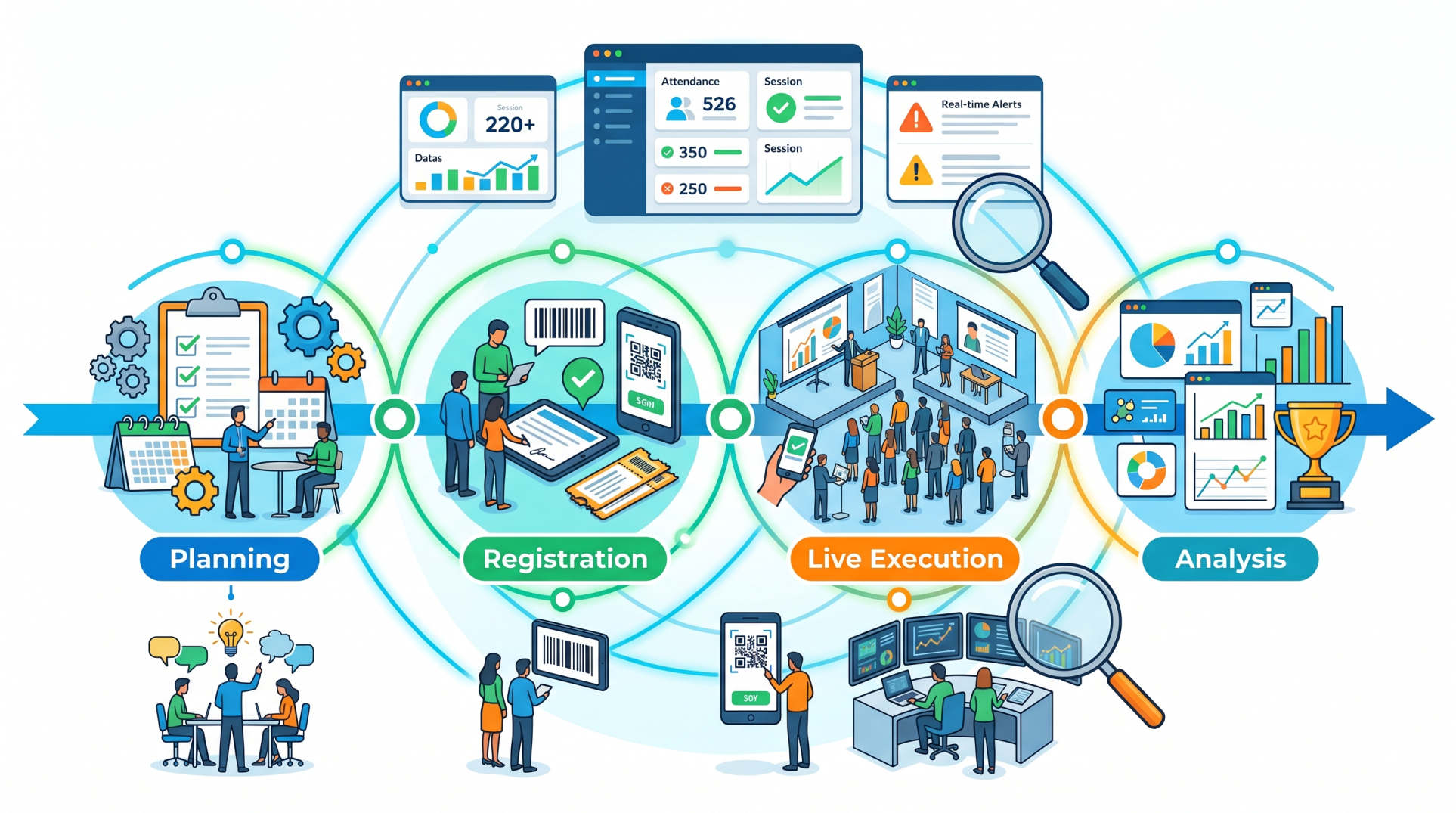
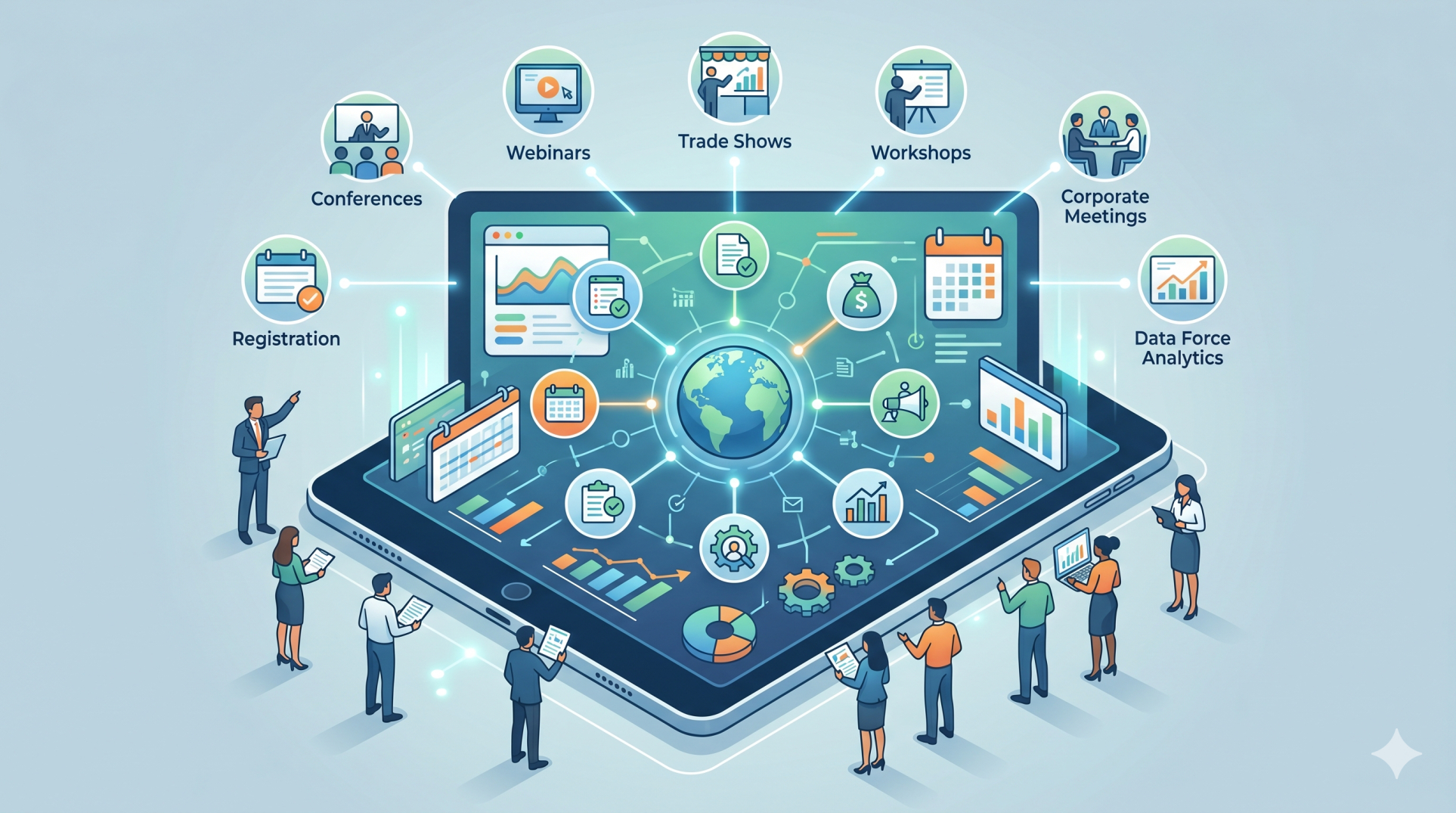
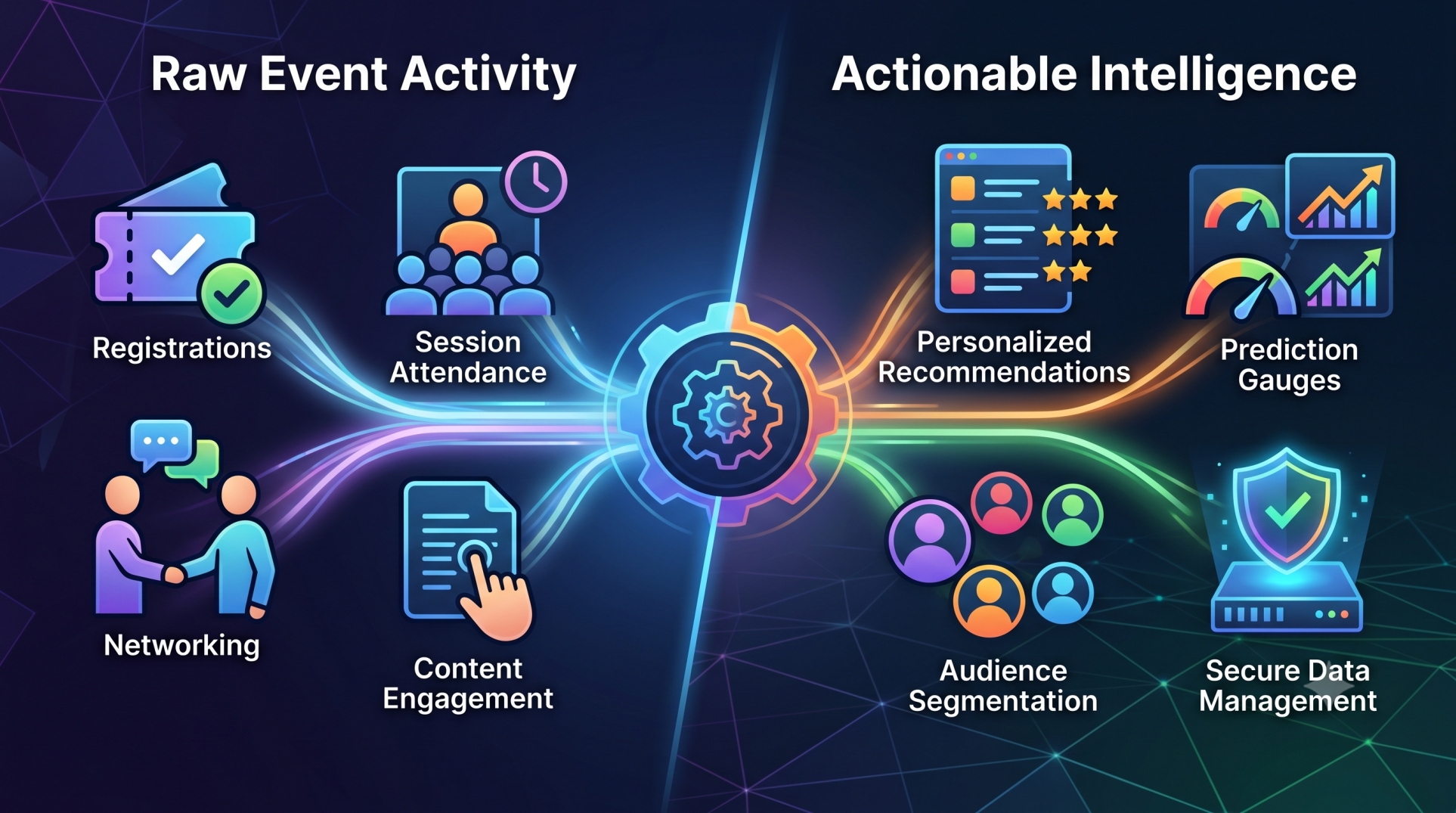
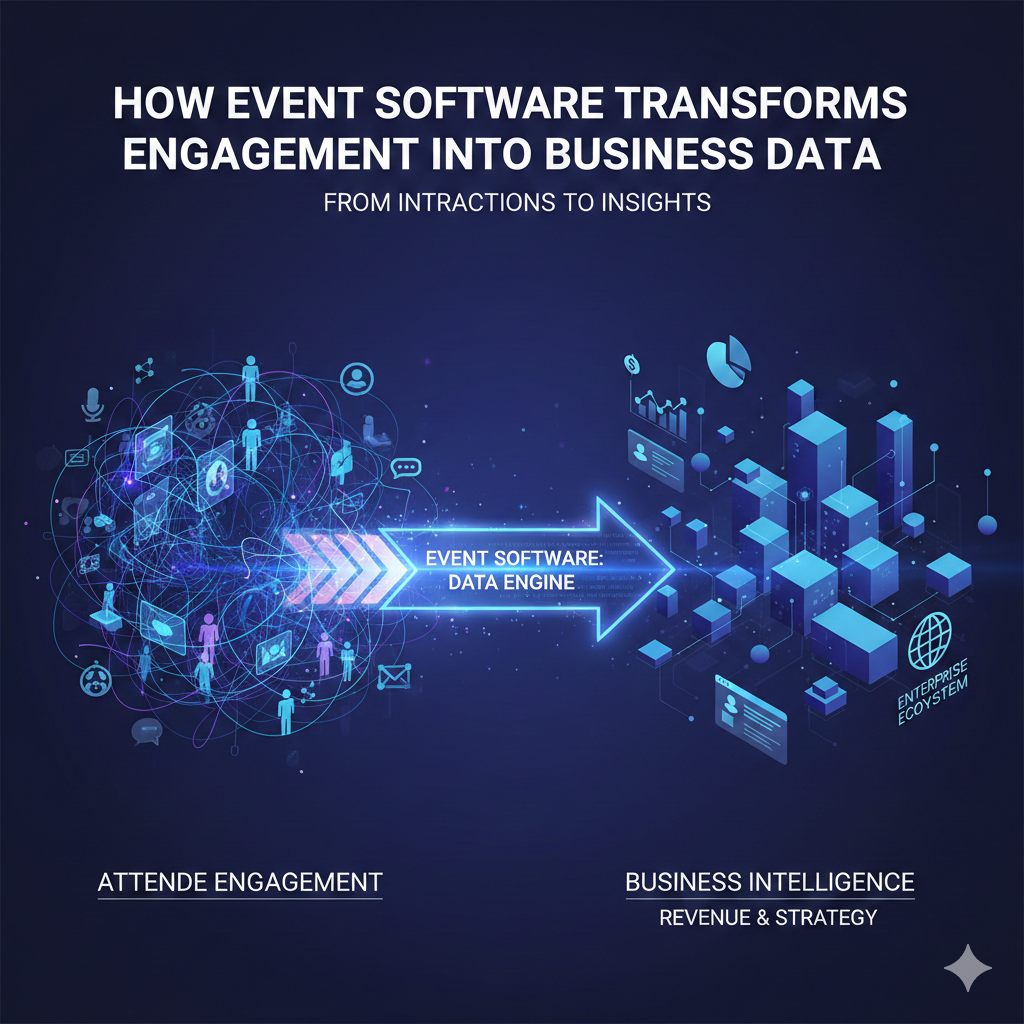
Events have become a critical component of modern marketing and sales ecosystems. While registrations and attendance provide basic indicators of participation, they do not fully reveal the business value created by events. Revenue attribution connects engagement activities to measurable outcomes such as pipeline development, deal acceleration, and revenue generation. This approach helps organizations understand how events influence buying decisions and contribute to long-term business growth.
Step 1: Understanding the Role of Revenue Attribution 🎯
• Links event participation with measurable business outcomes 📊
• Demonstrates how events contribute to pipeline creation and revenue growth 💼
• Supports data-driven decisions around event investments 💰
• Aligns event initiatives with broader organizational objectives 🧭
• Improves transparency between marketing and sales performance 🤝
Step 2: Identifying What Counts as Event Engagement 👥
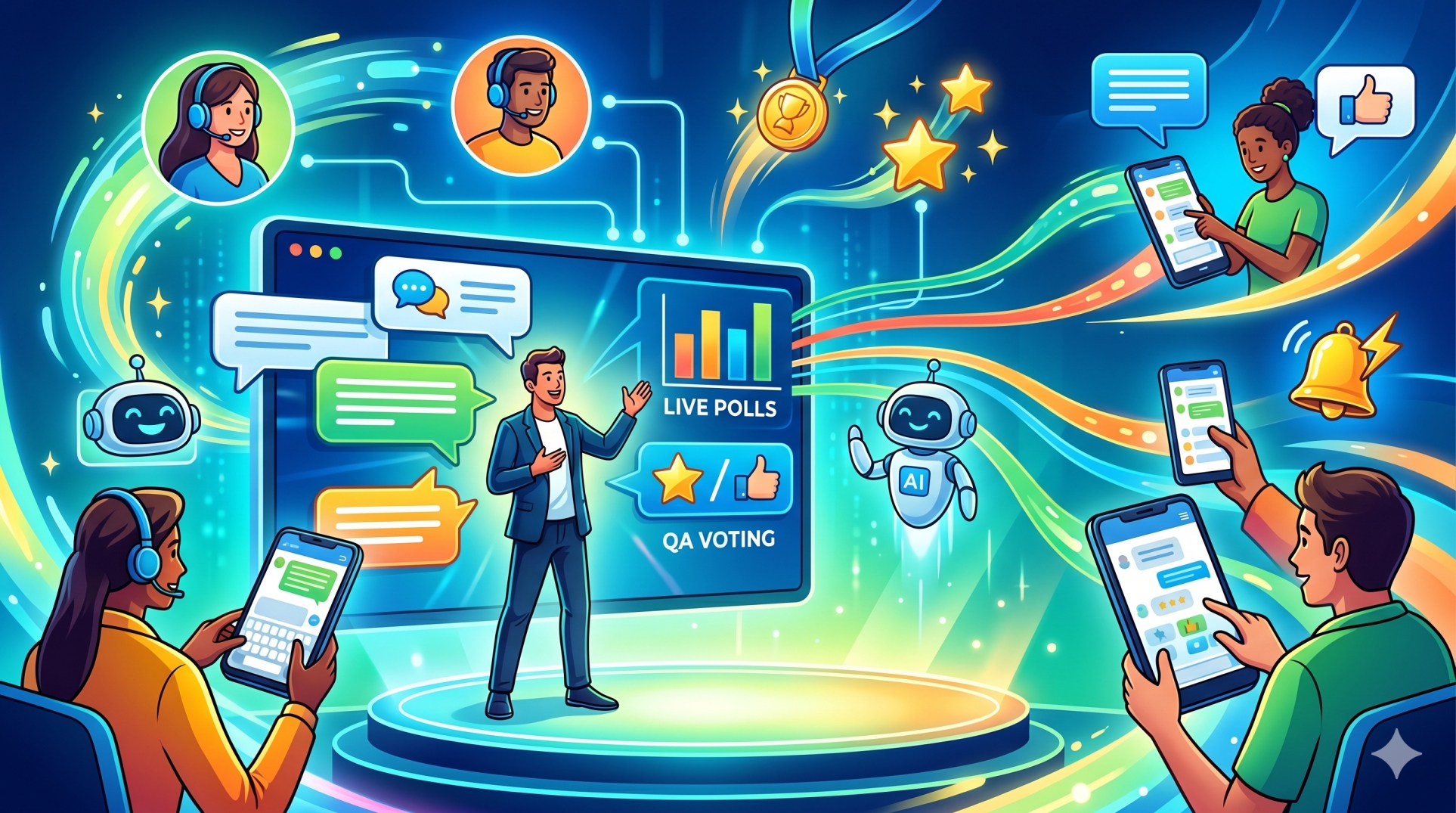
• Participation in sessions, workshops, or keynote presentations 🎤
• Involvement in networking activities or community discussions 💬
• Engagement with exhibitors, sponsors, or live product demonstrations 🏢
• Downloads of content or interaction with post-event resources 📚
• Follow-up actions such as booking meetings or requesting consultations 📅
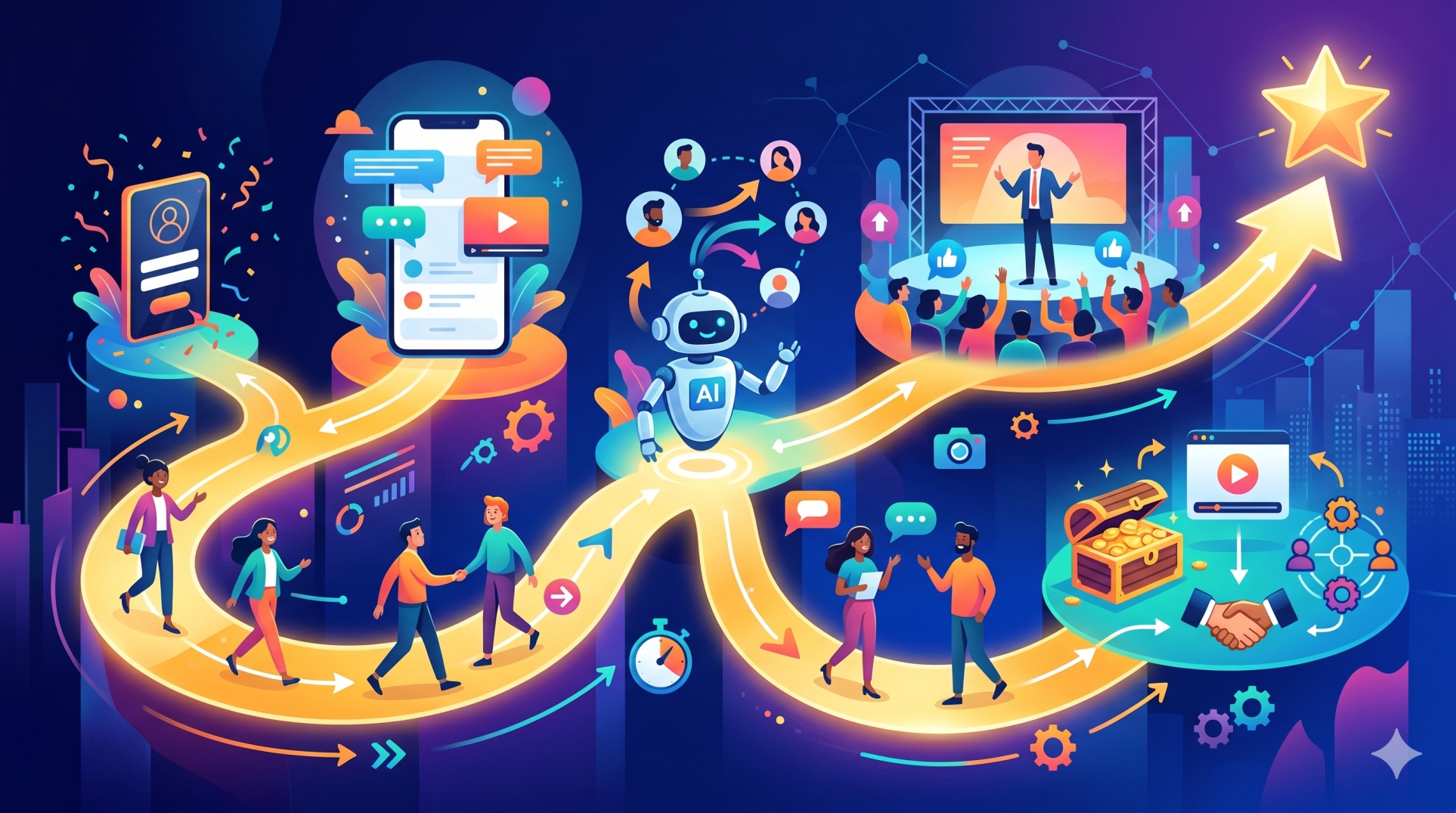
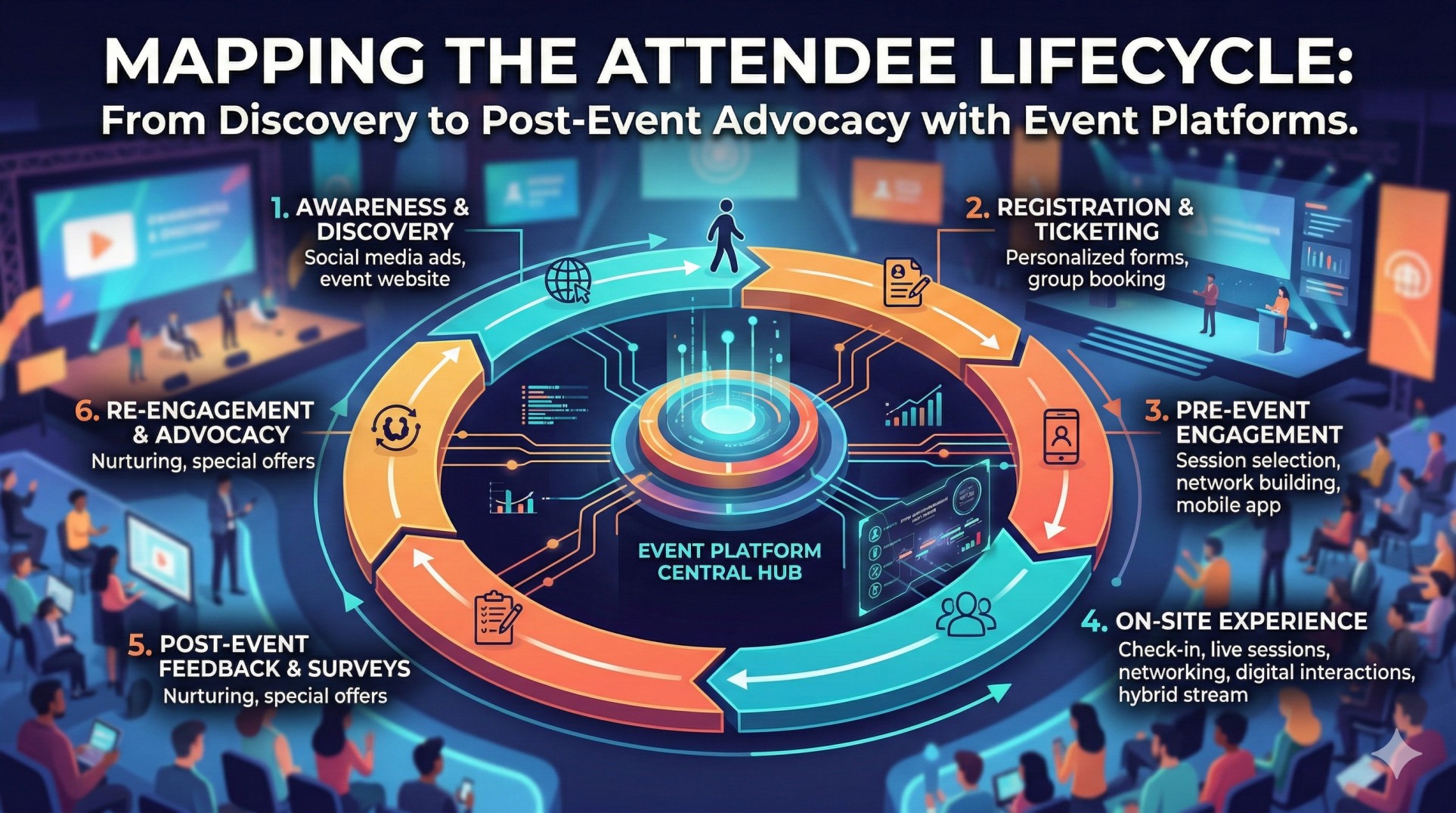
Step 3: Connecting Engagement to the Customer Journey 🧭
• Determines where events influence different stages of the buyer lifecycle 🔄
• Associates engagement with phases like awareness, evaluation, and decision 📌
• Tracks how prospects move through the sales funnel after events 📈
• Recognizes events as important touchpoints in a broader journey 🌐
• Adds context to engagement data for better interpretation 🧠
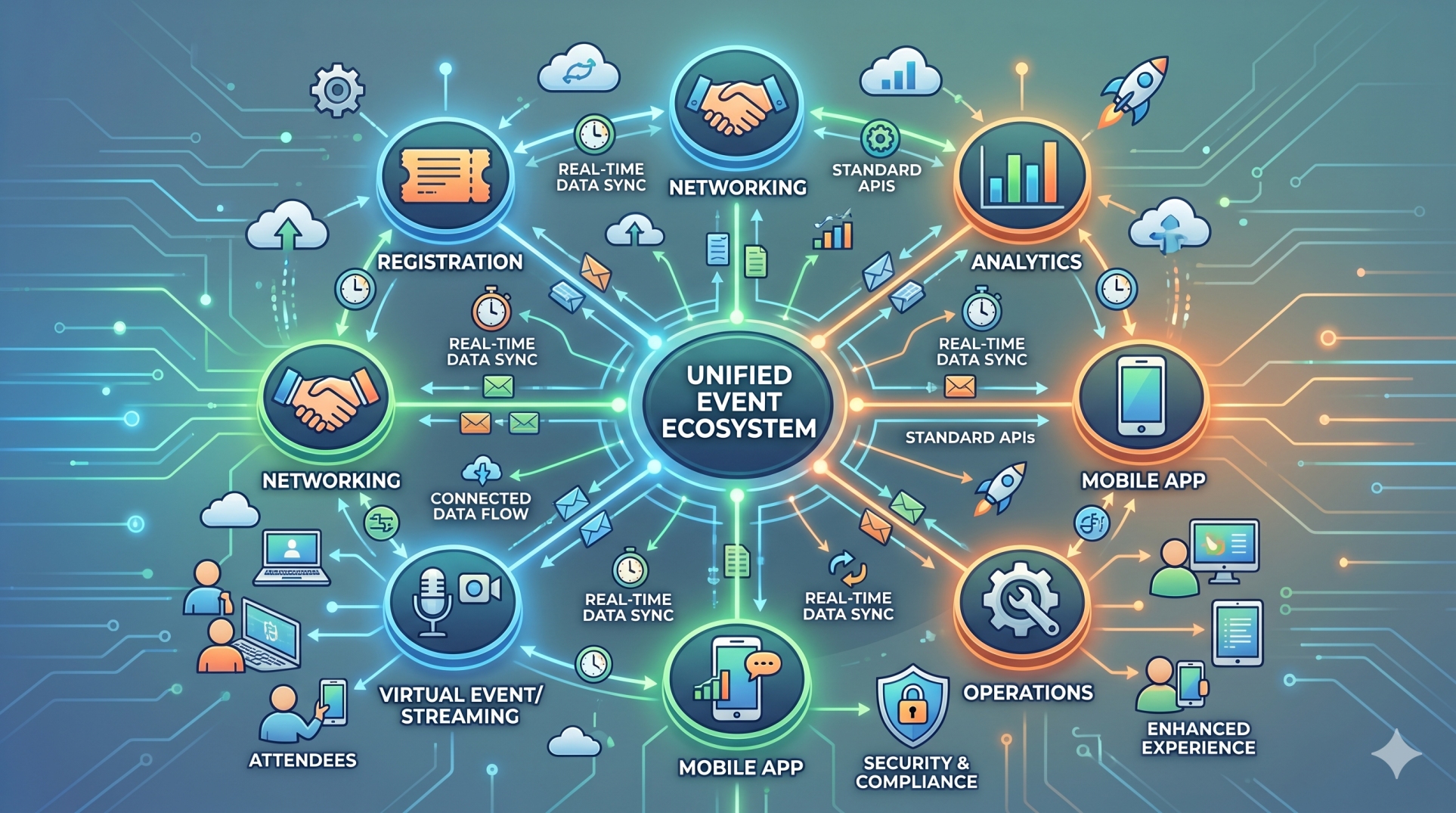
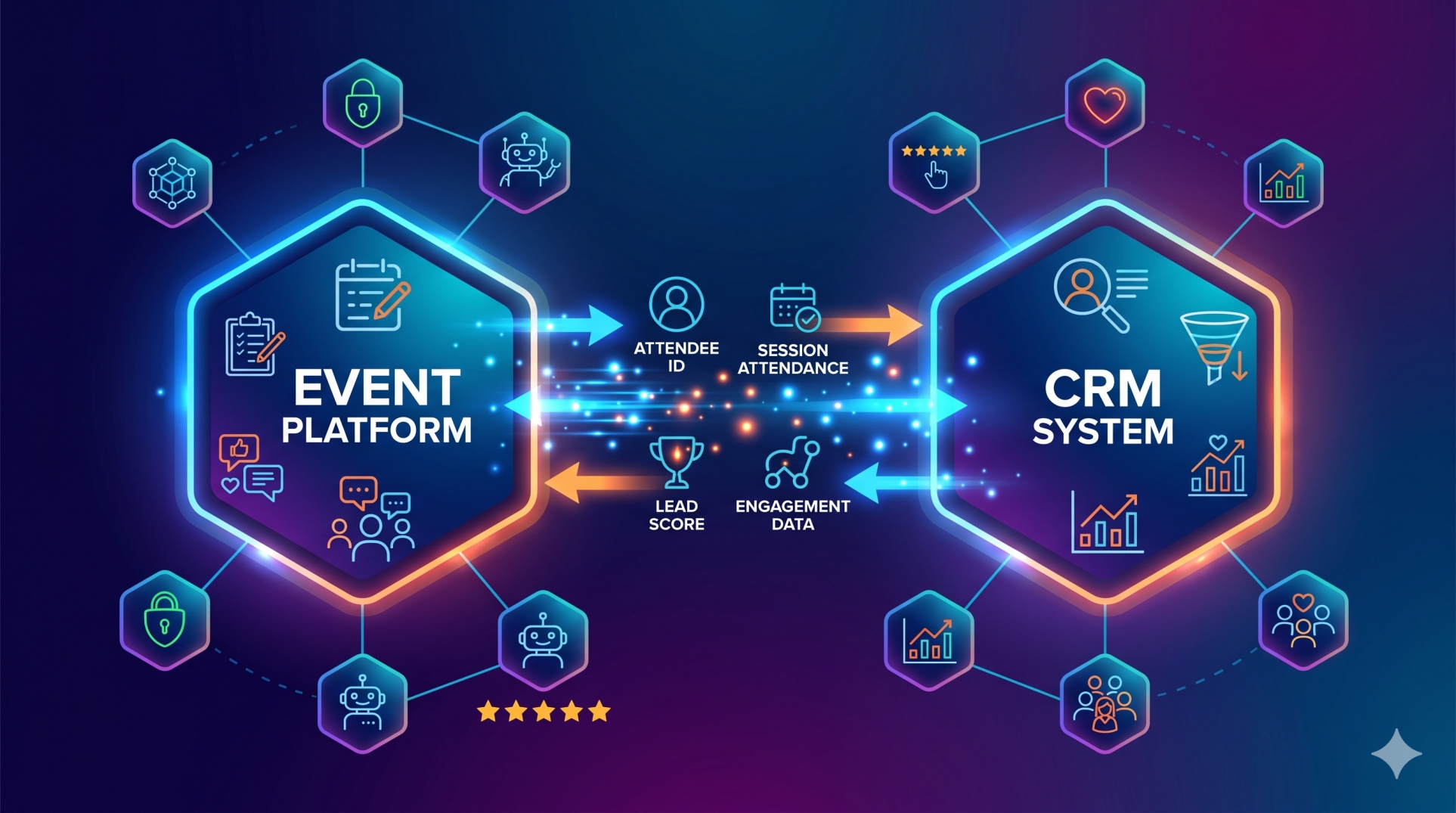
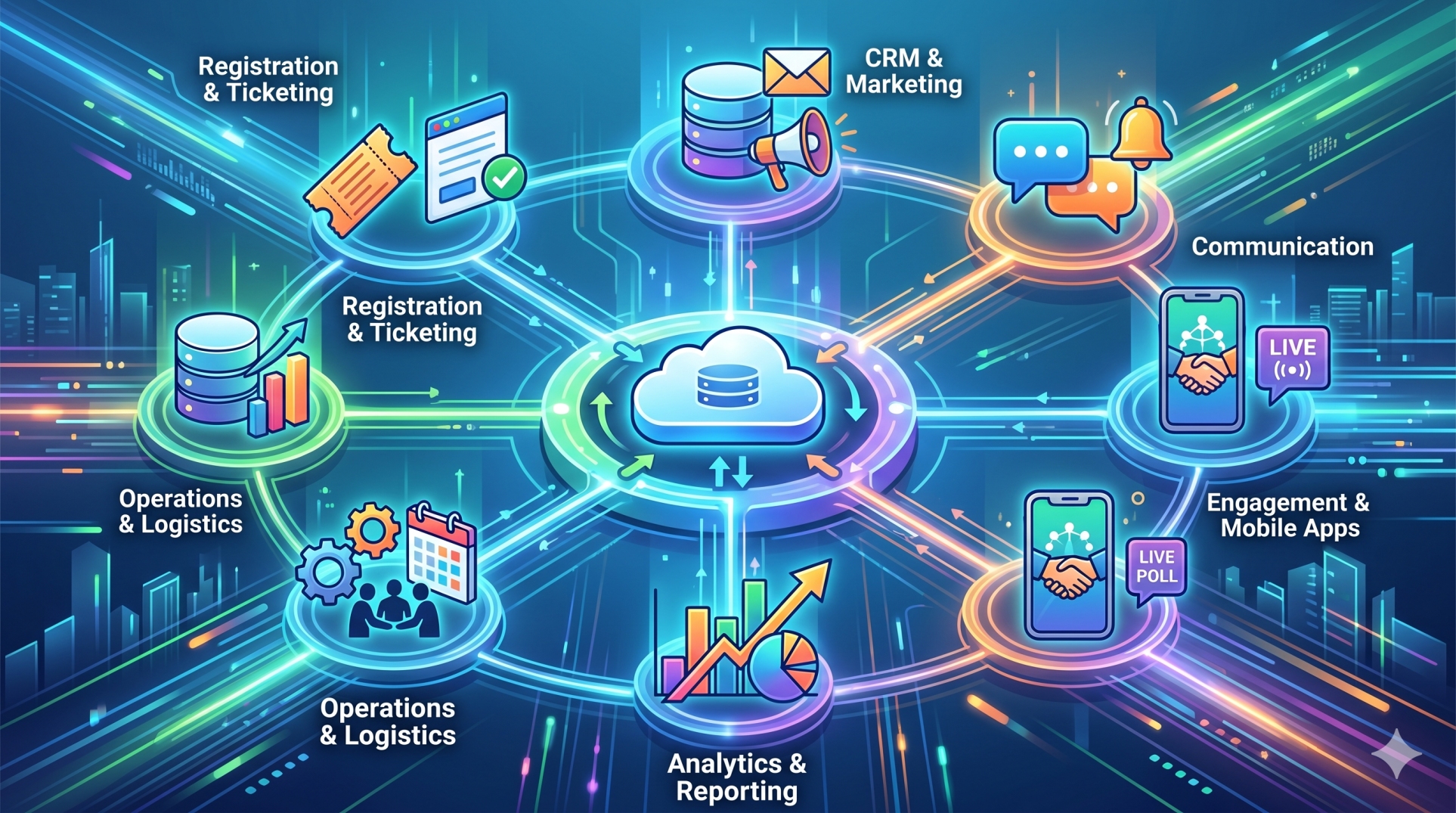
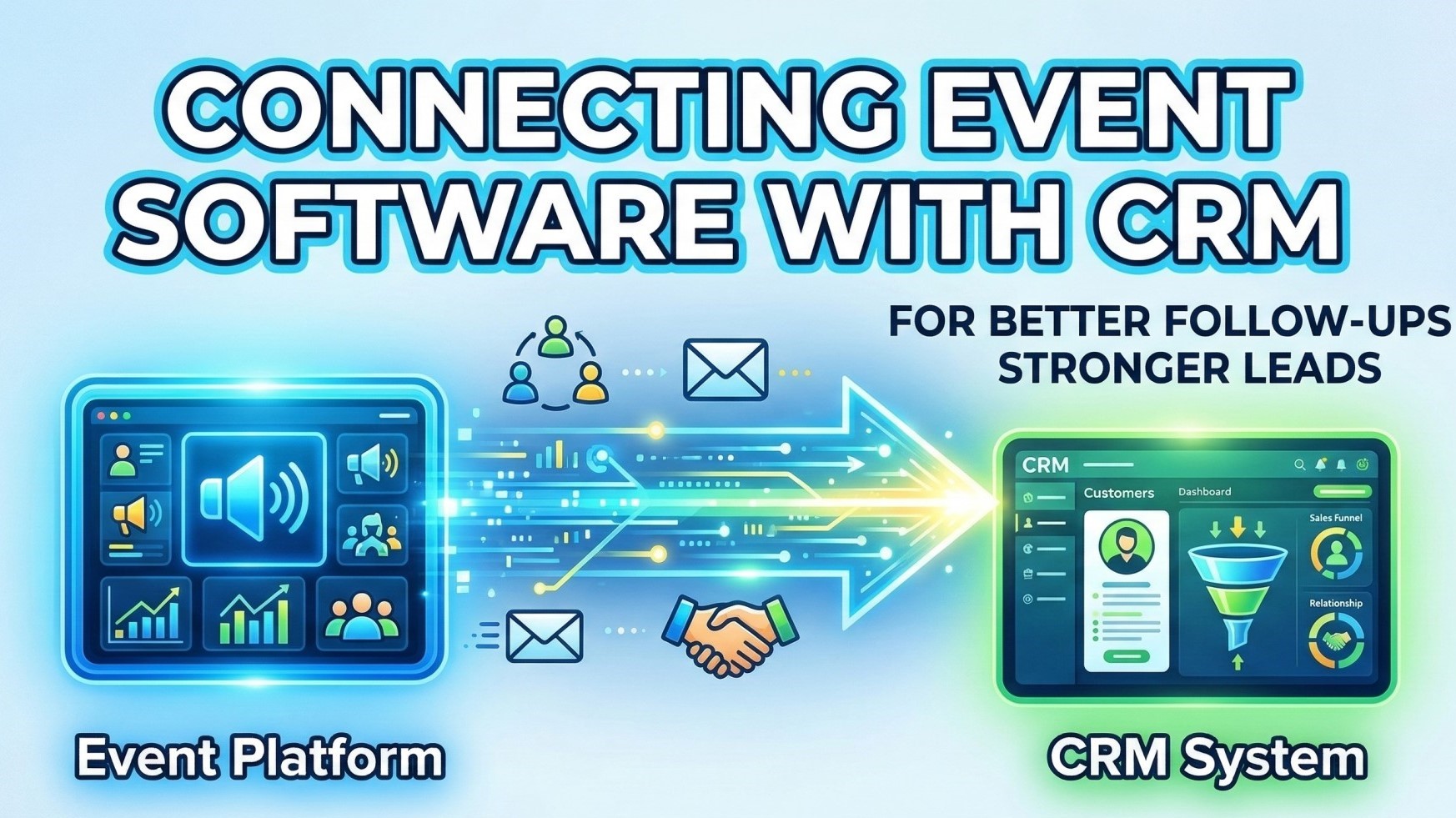
Step 4: Integrating Event Platforms with CRM Systems ⚙️
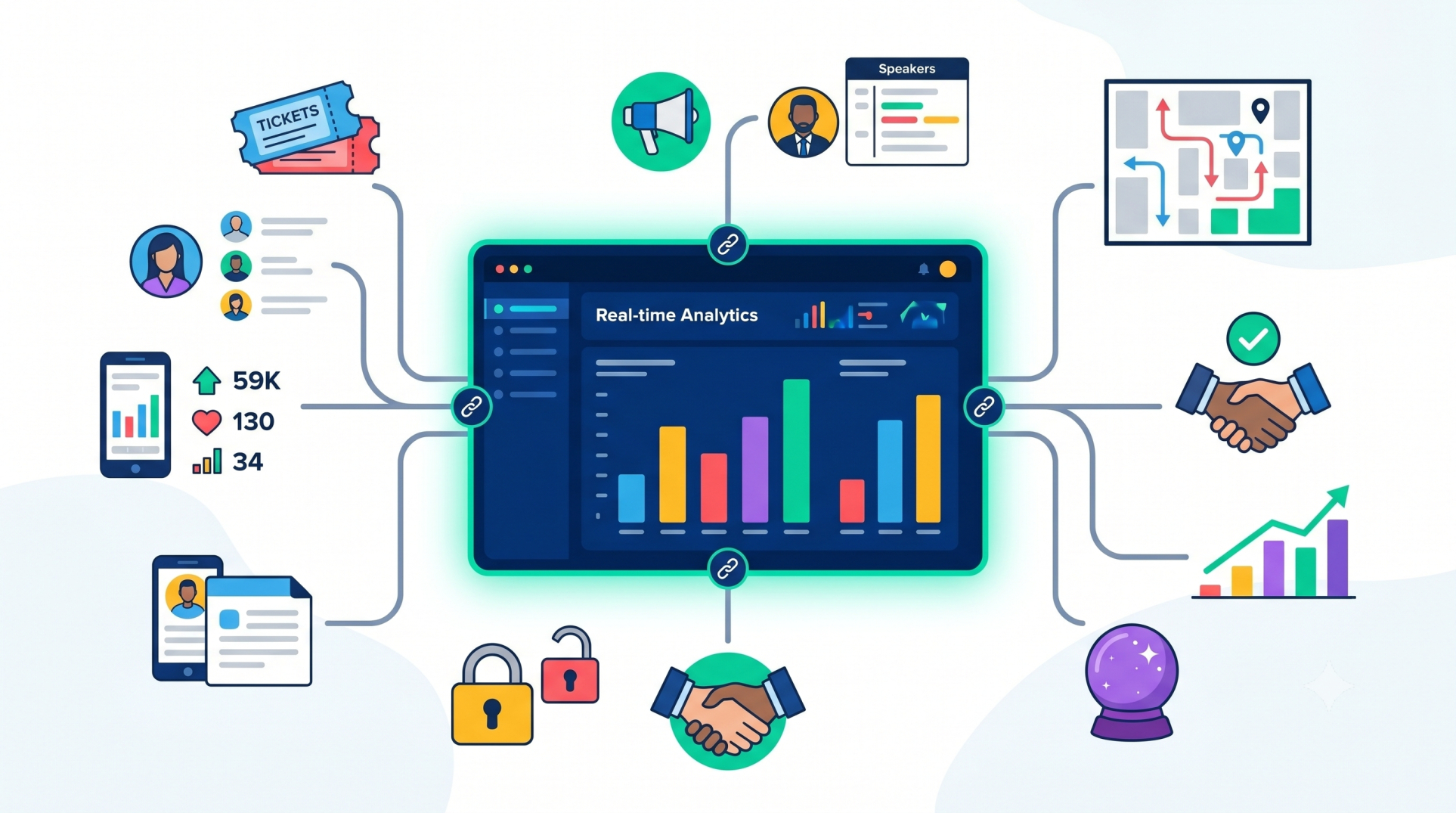
• Synchronizes attendee information with customer relationship management platforms 🔗
• Links engagement activities to specific contacts and accounts 👤
• Allows sales teams to access detailed event interaction insights 📊
• Enhances visibility into prospect behavior and interest signals 👀
• Ensures consistent data sharing between marketing and sales teams 🔄
Step 5: Applying Attribution Models to Event Data 📊
• First-touch attribution identifies events that introduce new prospects 🧭
• Multi-touch attribution recognizes events among multiple influencing interactions 🔗
• Last-touch attribution highlights the final event interaction before conversion 🎯
• Weighted attribution distributes influence across multiple touchpoints ⚖️
• Model selection depends on business strategy and reporting priorities 🏢
Step 6: Tracking Pipeline Influence from Events 🚀
• Measures opportunities created following event participation 📈
• Identifies deals accelerated through event-driven engagement ⚡
• Tracks pipeline value associated with event-generated leads 💼
• Connects engagement activity with measurable sales progression 🔄
• Demonstrates how events support pipeline expansion 📊
Step 7: Evaluating Revenue Impact 💰
• Links closed deals to historical event engagement records 🔍
• Calculates revenue influenced by participation in events 📊
• Identifies which event formats produce the strongest financial outcomes 🎯
• Compares performance across virtual, hybrid, and in-person events 🌐
• Supports continuous improvement of event strategies 📈
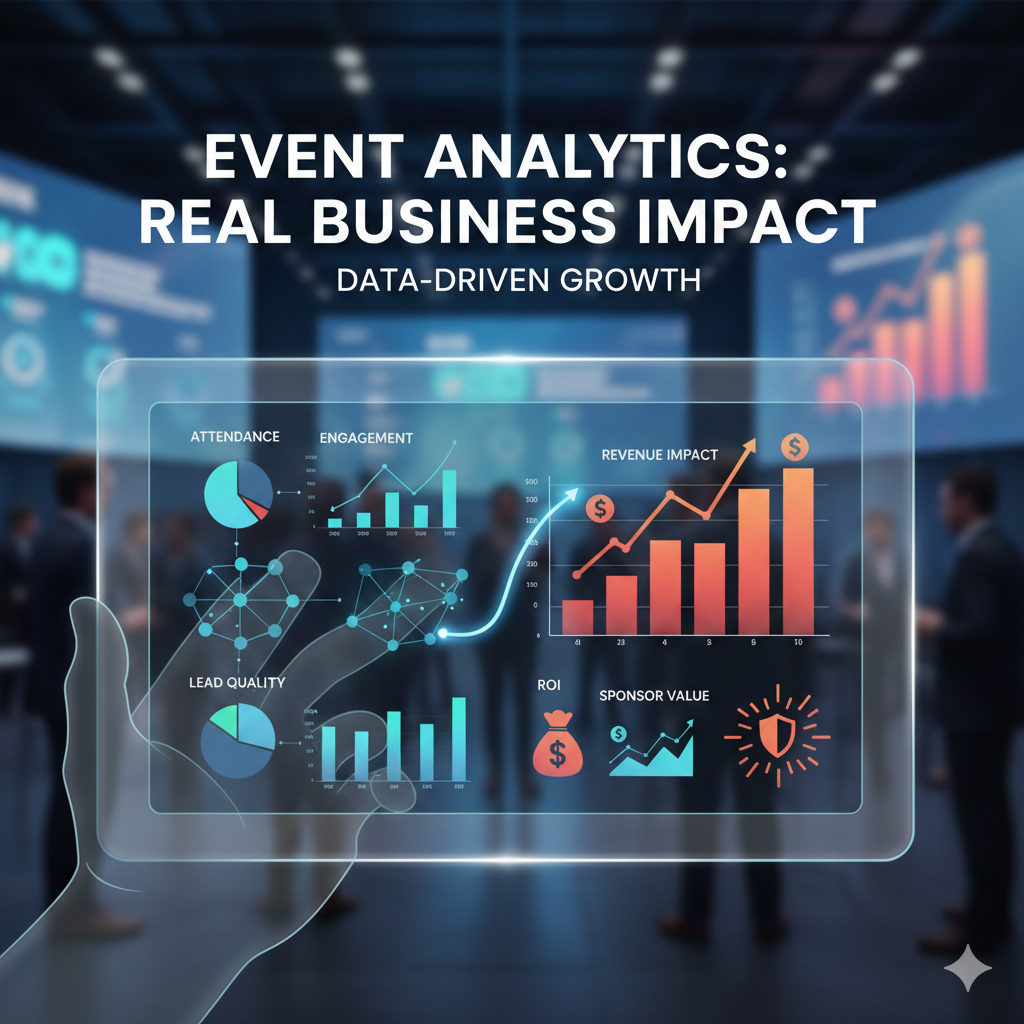
Step 8: Key Metrics for Revenue Attribution 📏
• Revenue influenced by event participation 💼
• Pipeline generated from event-driven leads 📊
• Opportunity conversion rate among event attendees 📈
• Average deal value connected to event engagement 💰
• Return on investment from event programs 📉
Conclusion
Revenue attribution allows organizations to transform event engagement into meaningful business insight. By integrating event platforms with CRM systems, applying structured attribution models, and monitoring pipeline influence, companies can clearly understand how events contribute to revenue growth. This visibility enables better planning, smarter investment decisions, and stronger alignment between event strategies and overall business performance.
See more blogs
You can all the articles below








































Ready to Find Your Perfect Solution?
Let us show you how Event Software can transform your events

AI-powered event management platform that helps you create stunning events .