
Architecting Event Platforms for Massive Concurrent Users
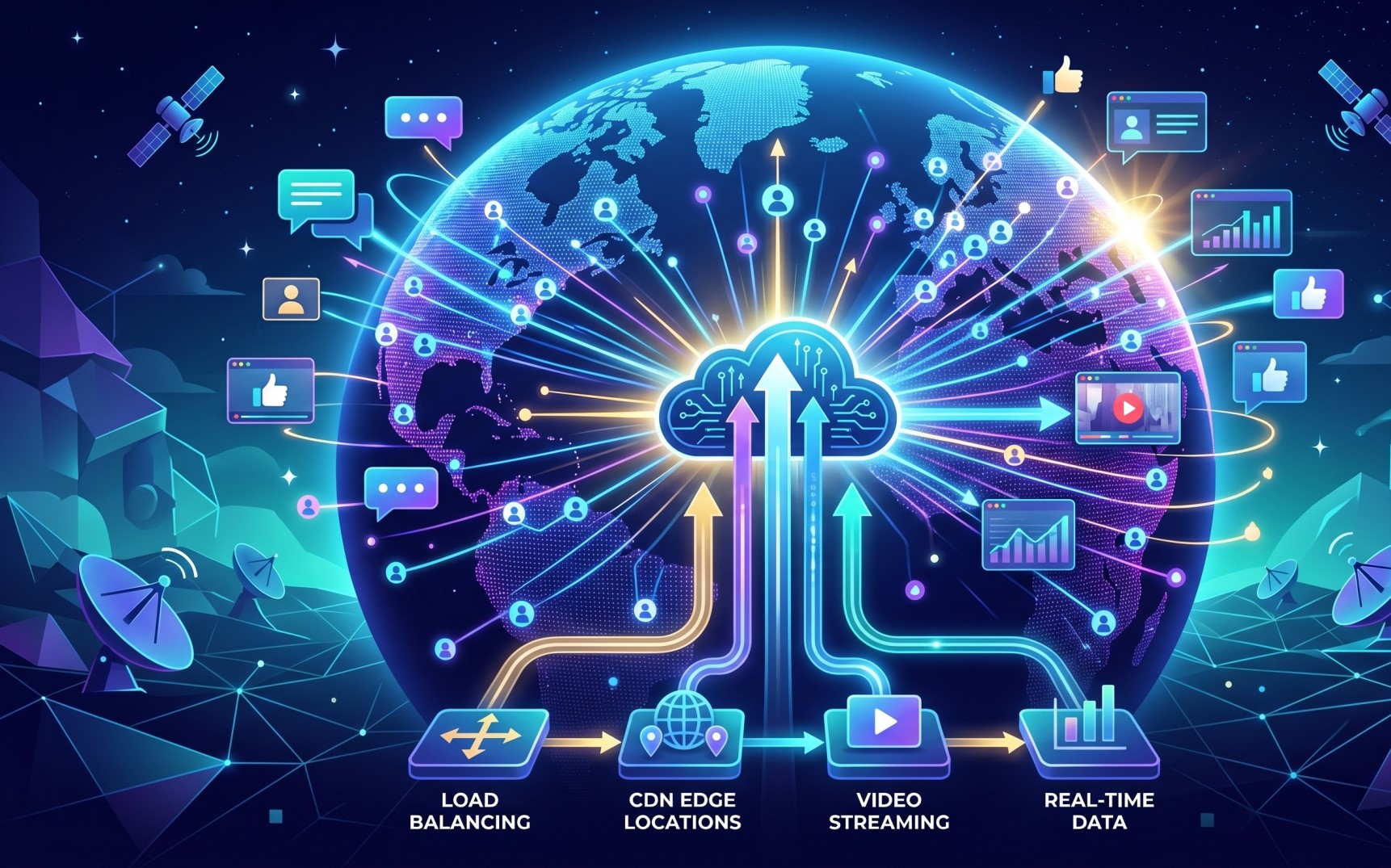
Architecting Event Platforms for Massive Concurrent Users
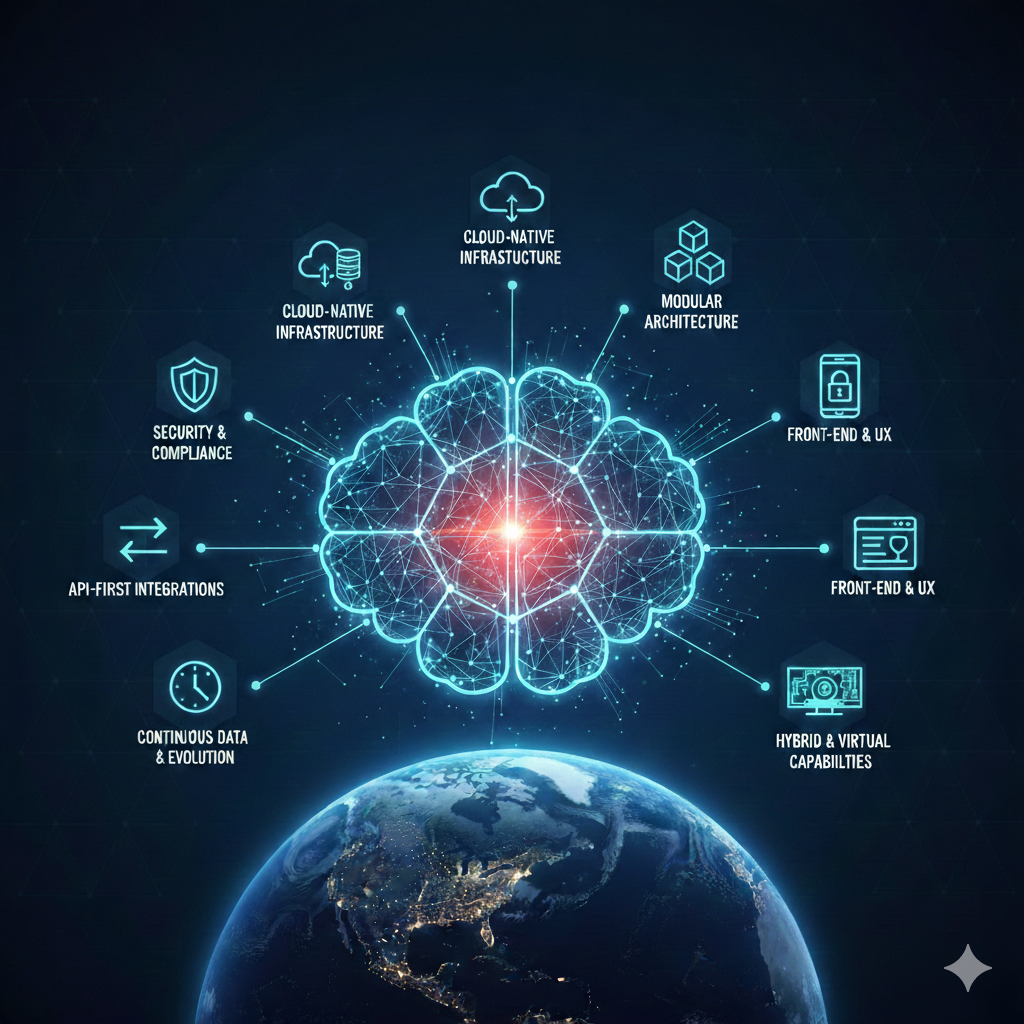
As digital events, virtual conferences, and hybrid experiences continue to grow, event platforms must support thousands — or even millions — of simultaneous users without compromising performance. Architecting platforms for massive concurrent participation requires scalable infrastructure, real-time communication capabilities, and resilient system design. A well-architected event platform ensures seamless attendee experiences, stable operations, and reliable performance under high traffic conditions.
Step 1: Establishing a Scalable Infrastructure Foundation ☁️
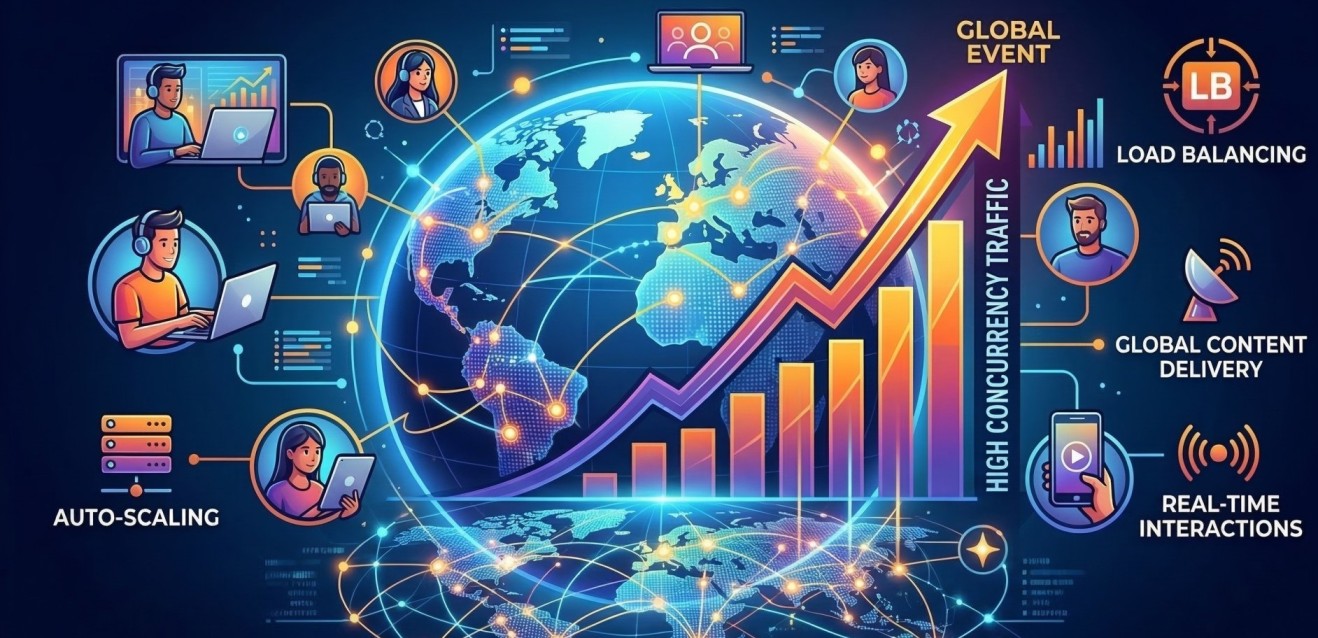
• Build cloud-native infrastructure capable of dynamic scaling ☁️
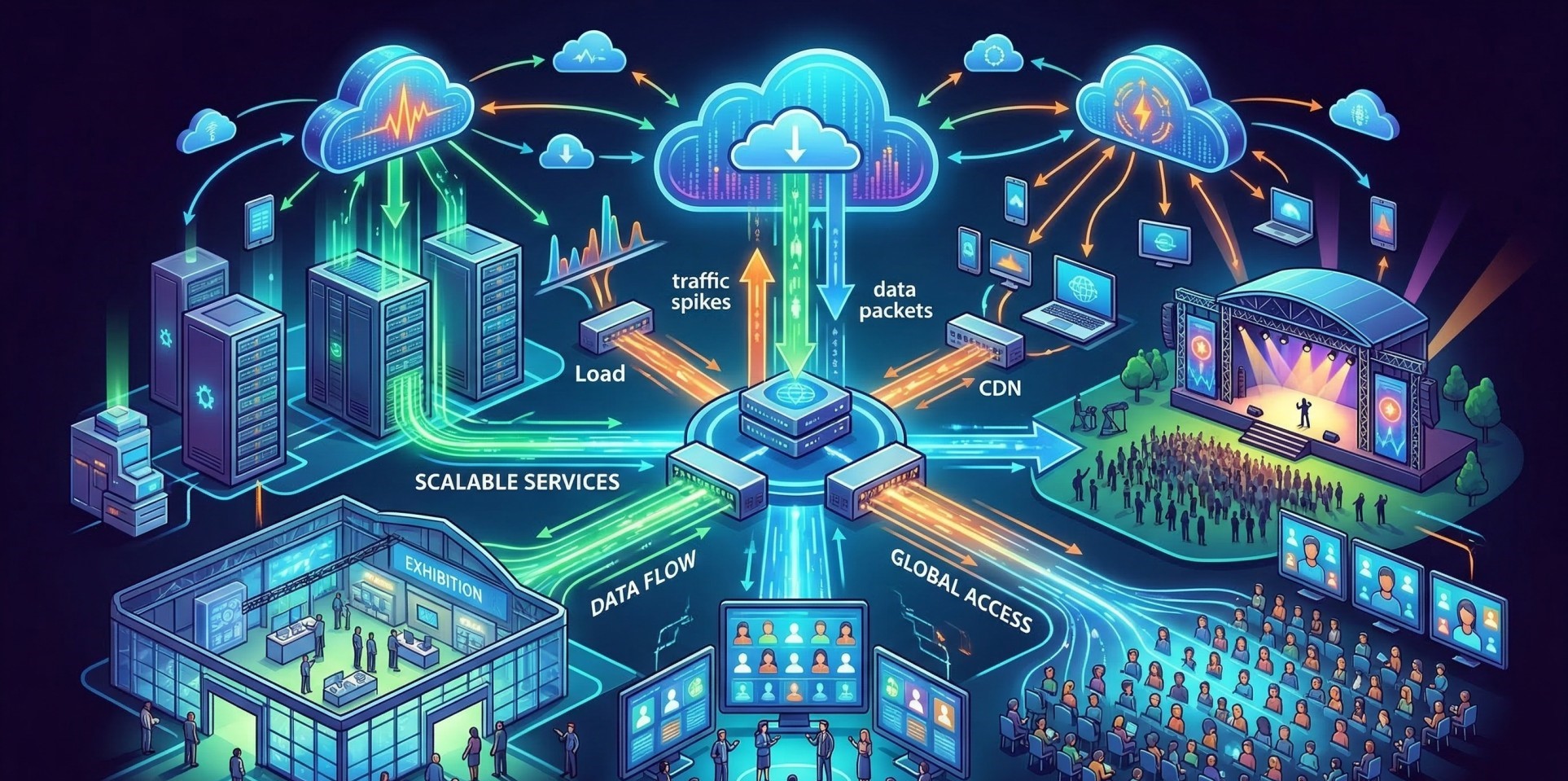
• Use distributed systems to handle increasing user loads 🌐
• Implement load balancing to distribute traffic efficiently ⚖️
• Design for high availability across multiple regions 🌍
• Ensure infrastructure elasticity during traffic spikes 📈
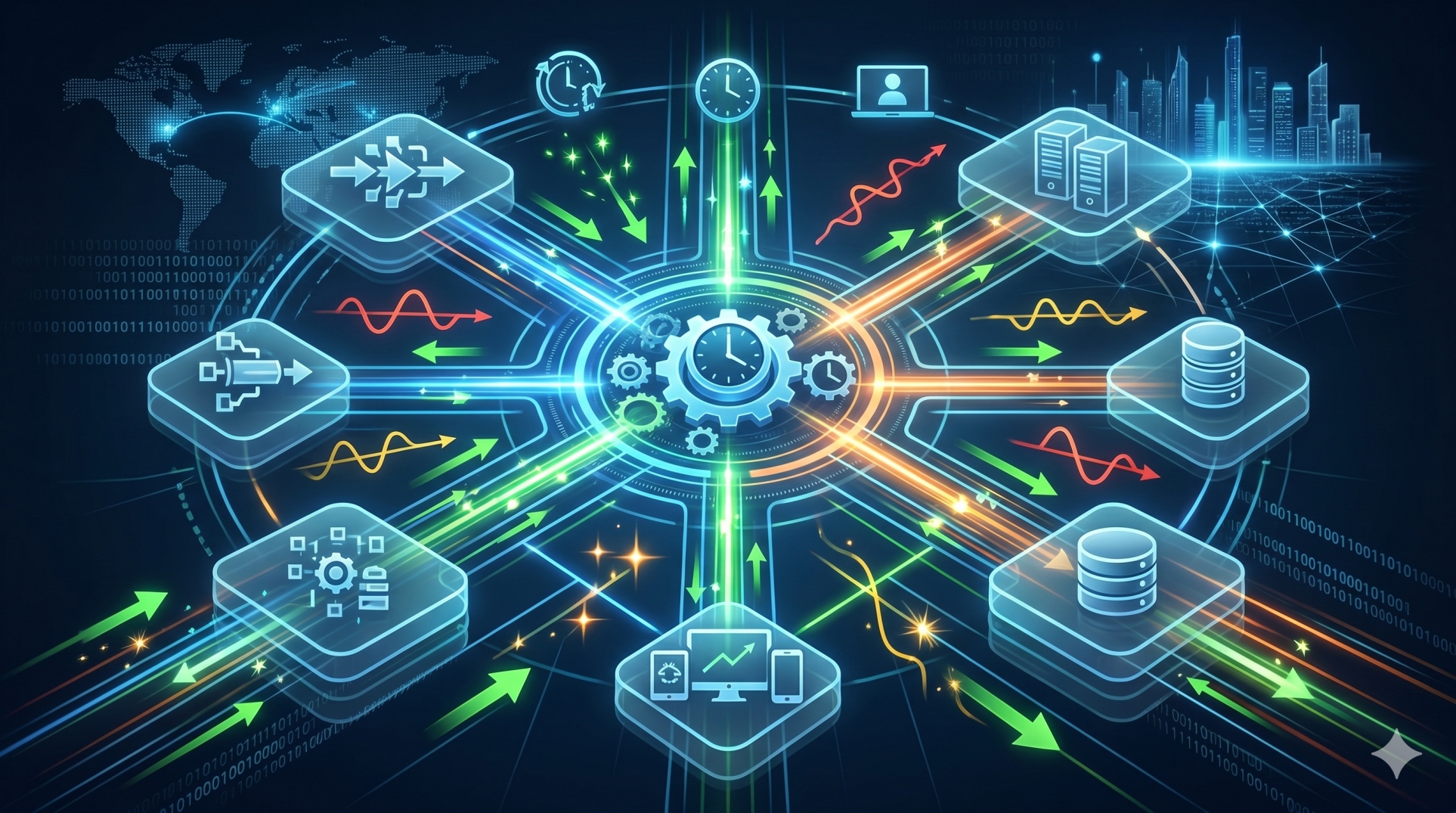
Step 2: Optimizing Real-Time Communication ⚡
• Enable low-latency communication for live interactions ⚡
• Support real-time chat, streaming, and attendee engagement 💬
• Use event-driven architectures for responsive performance 🔄
• Minimize delays during live sessions and broadcasts 🎥
• Maintain synchronization across connected users 🌐
Step 3: Managing High-Volume User Authentication 🔐
• Implement scalable authentication and access management 🔐
• Support secure login for large user volumes 👥
• Use session management to maintain stable connections 🔄
• Prevent authentication bottlenecks during peak entry times 🚪
• Ensure secure identity verification across the platform 🛡️
Step 4: Designing Efficient Data Flow and Processing 📊
• Optimize backend systems for high-speed data processing 📊
• Reduce latency in attendee interactions and updates ⚡
• Use caching mechanisms to improve response times 🧠
• Process analytics and engagement data in real time 📈
• Ensure efficient handling of concurrent transactions 🔄
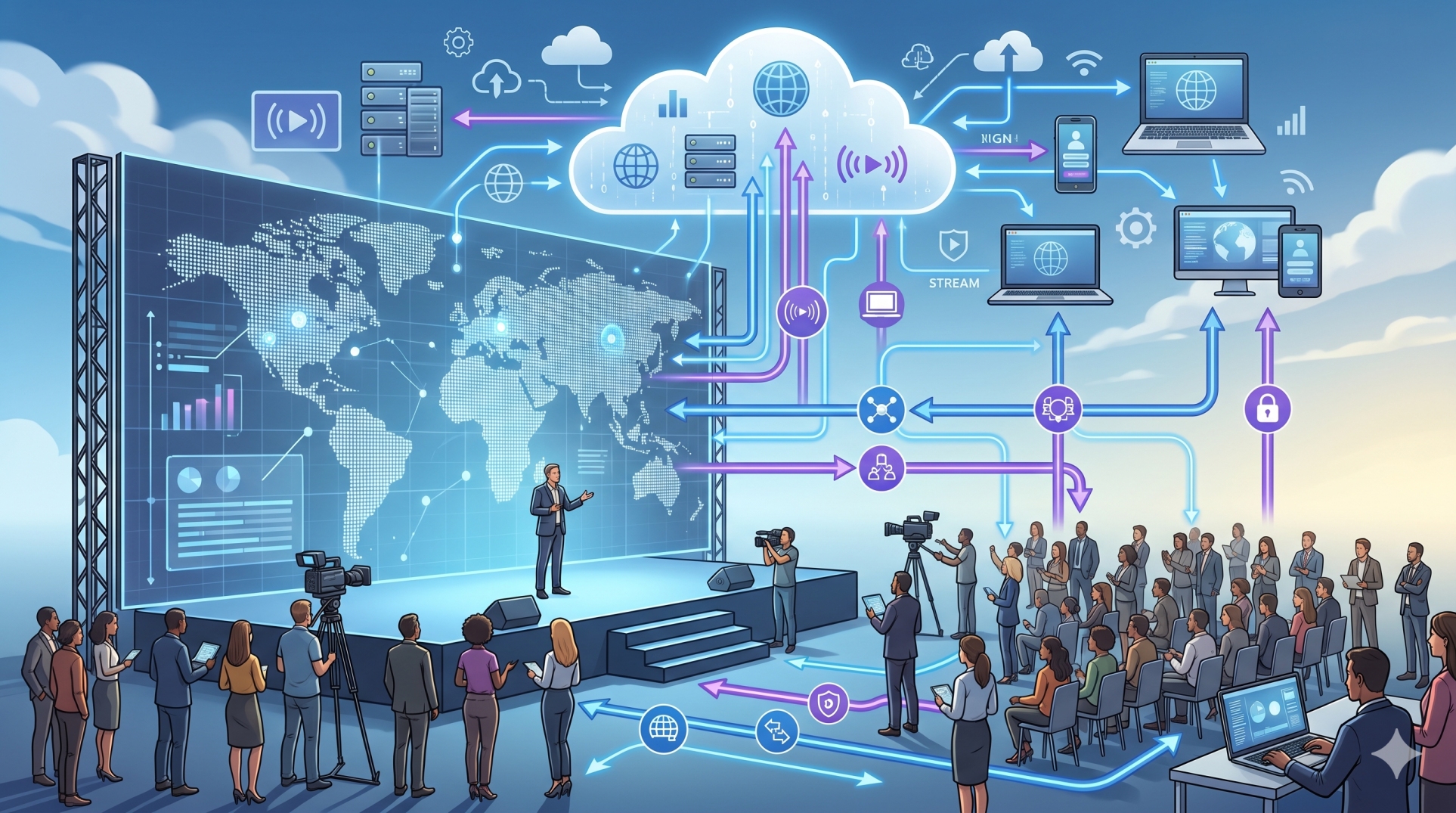
Step 5: Building Resilient Streaming Infrastructure 🎥
• Use scalable video delivery networks for live streaming 🎥
• Maintain consistent stream quality under heavy traffic 📡
• Implement adaptive bitrate streaming for varying network conditions 🌐
• Reduce buffering and interruptions during sessions ⏱️
• Ensure redundancy to prevent streaming failures 🔁
Step 6: Enabling Global Content Delivery 🌍
• Deploy content delivery networks to reduce latency 🌍
• Serve users from geographically distributed edge locations 📡
• Improve access speed for international audiences ⚡
• Minimize server overload through distributed delivery 🔄
• Ensure consistent experiences across different regions 🌐
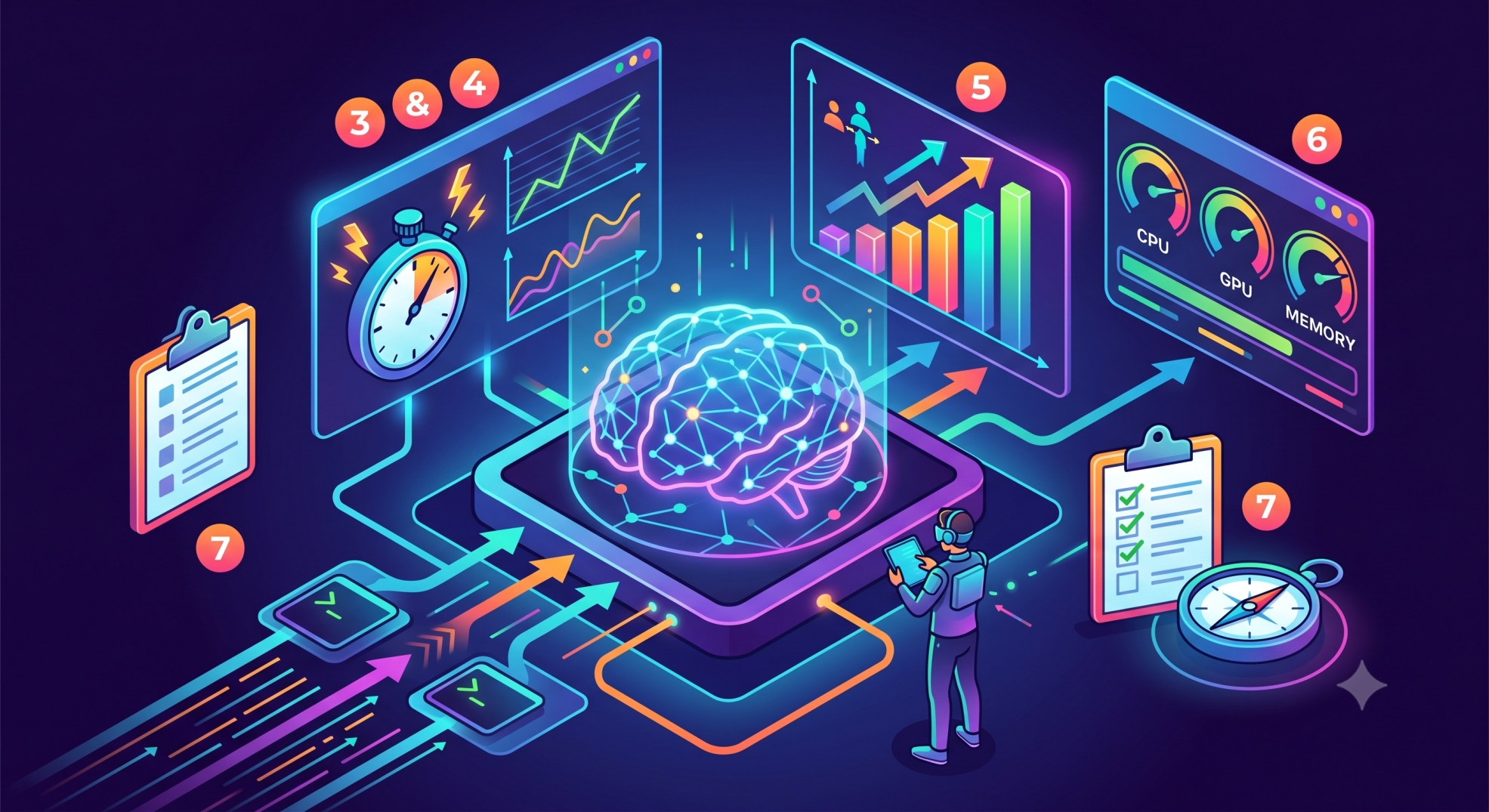
Step 7: Monitoring Performance in Real Time 📈
• Track system health and user activity continuously 📊
• Detect traffic surges and performance bottlenecks early 🚨
• Monitor streaming quality and engagement metrics 🎯
• Use automated alerts for operational issues 🔔
• Optimize resources dynamically based on demand ⚙️
Step 8: Key Scalability Priorities 🚀
• High availability and fault tolerance 🛡️
• Real-time responsiveness during peak traffic ⚡
• Reliable streaming and engagement experiences 🎥
• Flexible infrastructure that scales automatically ☁️
Step 9: Handling Traffic Spikes and Failures 🔄
• Prepare systems for sudden increases in concurrent users 📈
• Implement failover mechanisms for uninterrupted operations 🔁
• Use redundancy to minimize service disruptions 🛡️
• Prevent single points of failure across infrastructure ⚙️
• Maintain operational continuity during unexpected events 🚨
Step 10: Building a Future-Ready Event Ecosystem 🌟
• Design platforms that support evolving event formats 🌐
• Integrate AI-driven engagement and personalization 🤖
• Support hybrid and virtual experiences at global scale 🌍
• Enable modular upgrades without major disruptions 🧩
• Continuously improve architecture based on user behavior 📊
Conclusion
Architecting event platforms for massive concurrent users requires a balance of scalability, reliability, and real-time responsiveness. By combining resilient infrastructure, optimized communication systems, and intelligent performance management, organizations can deliver seamless digital experiences even under extreme demand. A scalable event platform not only supports current audience expectations but also prepares businesses for the future of large-scale digital engagement.
See more blogs
You can all the articles below


































Ready to Find Your Perfect Solution?
Let us show you how Event Software can transform your events

AI-powered event management platform that helps you create stunning events .