
Ethical Data Usage in Event Technology
Ethical Data Usage in Event Technology
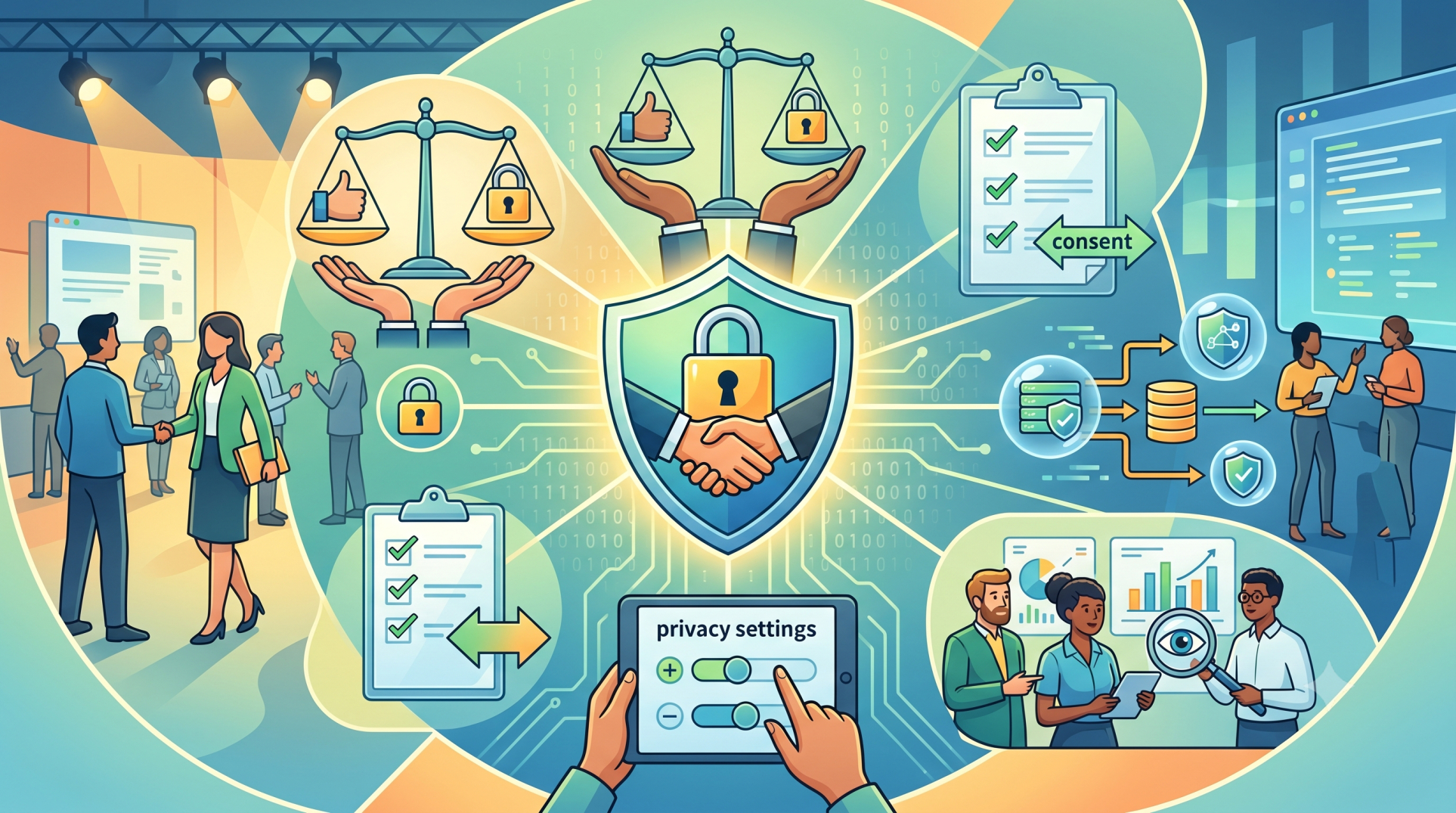
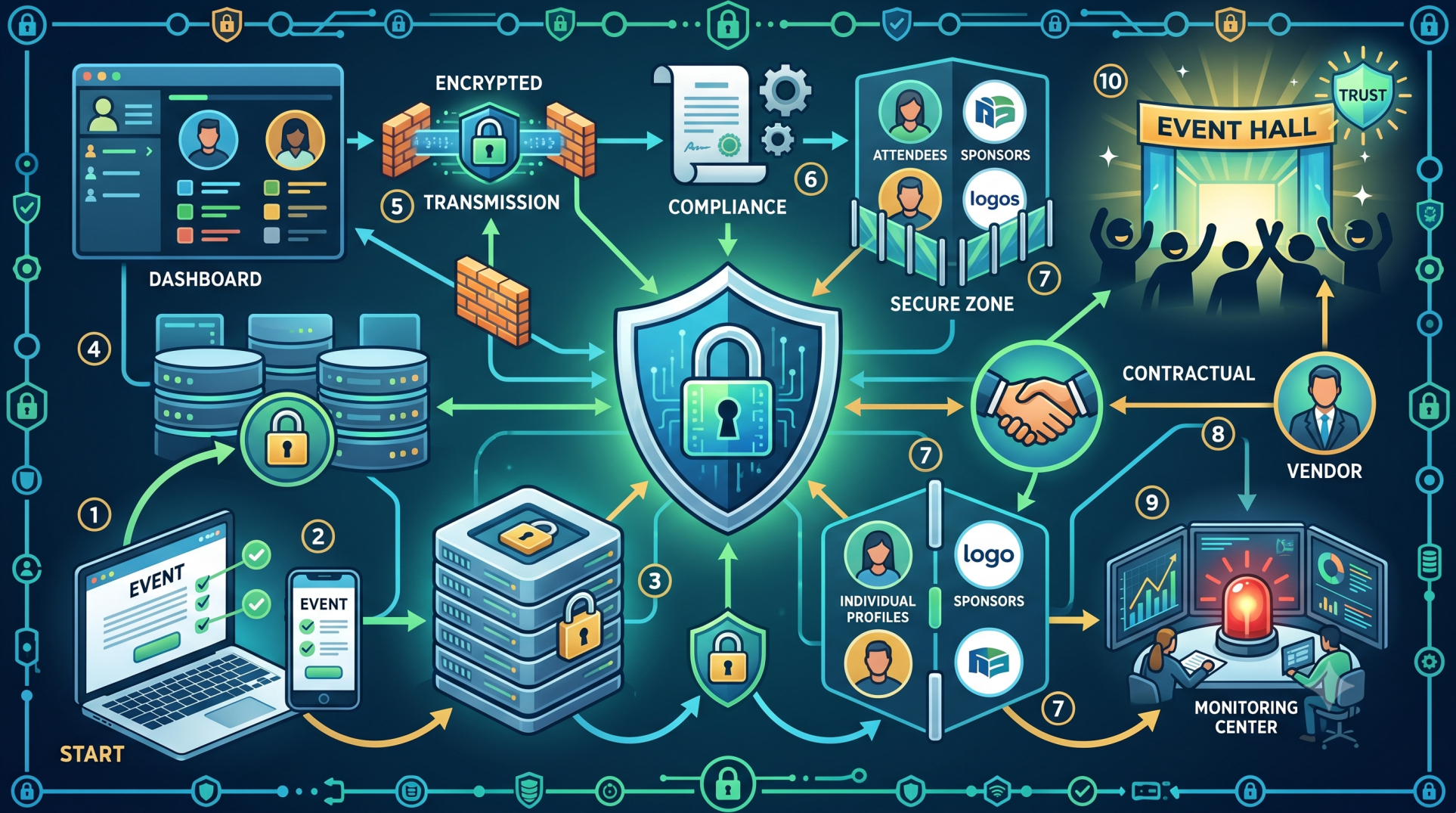
As event technology platforms become increasingly data-driven, organizations collect vast amounts of attendee, exhibitor, sponsor, and operational information. While this data enables personalized experiences and better event outcomes, it also creates significant responsibilities regarding privacy, transparency, and security. Ethical data usage ensures that event organizers build trust, protect stakeholders, and maintain compliance while leveraging data to enhance event experiences.
Step 1: Understanding Ethical Data Usage 📖
• Ethical data usage involves collecting, storing, and utilizing information responsibly 🤝
• Respect attendee privacy and data ownership rights 🔒
• Ensure data practices align with legal and regulatory requirements ⚖️
• Balance business objectives with user expectations and trust 🎯
• Promote transparency throughout the data lifecycle 🌟
Step 2: Establishing Transparent Data Collection Policies 📋
• Clearly explain what data is being collected and why 📝
• Obtain informed consent before gathering personal information ✔️
• Provide easy-to-understand privacy notices 📢
• Avoid collecting unnecessary or excessive data 🚫
• Allow users to review data collection preferences 🔍
Step 3: Managing Consent Effectively ✅
• Implement clear opt-in and opt-out mechanisms 🔄
• Record and maintain consent histories securely 🗂️
• Allow attendees to modify preferences at any time ⚙️
• Respect communication and marketing permissions 📧
• Ensure consent processes are simple and accessible 🌐
Step 4: Protecting Sensitive Information 🔐
• Secure personal and financial data through encryption 🛡️
• Limit access to authorized personnel only 👥
• Implement strong authentication and access controls 🔑
• Regularly assess system vulnerabilities 🔍
• Monitor for unauthorized access attempts 🚨
Step 5: Ensuring Responsible Data Sharing 🤝
• Share information only with approved and trusted partners ✔️
• Clearly communicate third-party data usage policies 📄
• Minimize data exposure during integrations 🔗
• Establish contractual safeguards for shared data 📜
• Continuously monitor partner compliance 🔎
Step 6: Supporting Attendee Privacy Rights 👤
• Enable users to access their personal information easily 📂
• Allow correction of inaccurate or outdated records ✏️
• Provide options for data deletion when requested 🗑️
• Support data portability where applicable 📤
• Respond promptly to privacy-related inquiries 📞
Step 7: Reducing Bias in Data-Driven Decisions ⚖️
• Review algorithms for unintended bias regularly 🔍
• Ensure fair treatment across attendee groups 🤲
• Use diverse datasets when training AI-powered systems 🌍
• Monitor outcomes for discriminatory patterns 📊
• Promote inclusivity in event technology processes 🌟
Step 8: Strengthening Data Governance 🏛️
• Establish clear policies for data management 📋
• Define ownership and accountability for data assets 👥
• Maintain documentation of data handling procedures 📚
• Conduct regular compliance and governance reviews 🔄
• Create escalation processes for data-related issues 🚨
Step 9: Monitoring Compliance and Risk Management 📈
• Track compliance with privacy regulations continuously ⚖️
• Conduct regular audits of data practices 🔍
• Identify and mitigate potential risks proactively 🛡️
• Maintain incident response plans for data breaches 🚑
• Continuously improve security and governance controls 🔄
Step 10: Building Long-Term Trust Through Ethical Practices 🌟
• Demonstrate commitment to responsible data management 🤝
• Communicate privacy initiatives openly and consistently 📢
• Prioritize user trust alongside business objectives 🎯
• Adapt policies to evolving regulations and expectations 📈
• Foster a culture of ethical technology use across the organization 🏢
Conclusion
Ethical data usage in event technology is essential for maintaining trust, protecting privacy, and ensuring sustainable business growth. By implementing transparent policies, securing sensitive information, respecting user rights, and promoting responsible governance, organizations can create event experiences that are both innovative and trustworthy. Strong ethical practices not only reduce risk but also strengthen relationships with attendees, sponsors, and partners in an increasingly data-driven event landscape.
See more blogs
You can all the articles below













































Ready to Find Your Perfect Solution?
Let us show you how Event Software can transform your events

AI-powered event management platform that helps you create stunning events .