
Infrastructure Design for Hybrid Event Platforms
Infrastructure Design for Hybrid Event Platforms
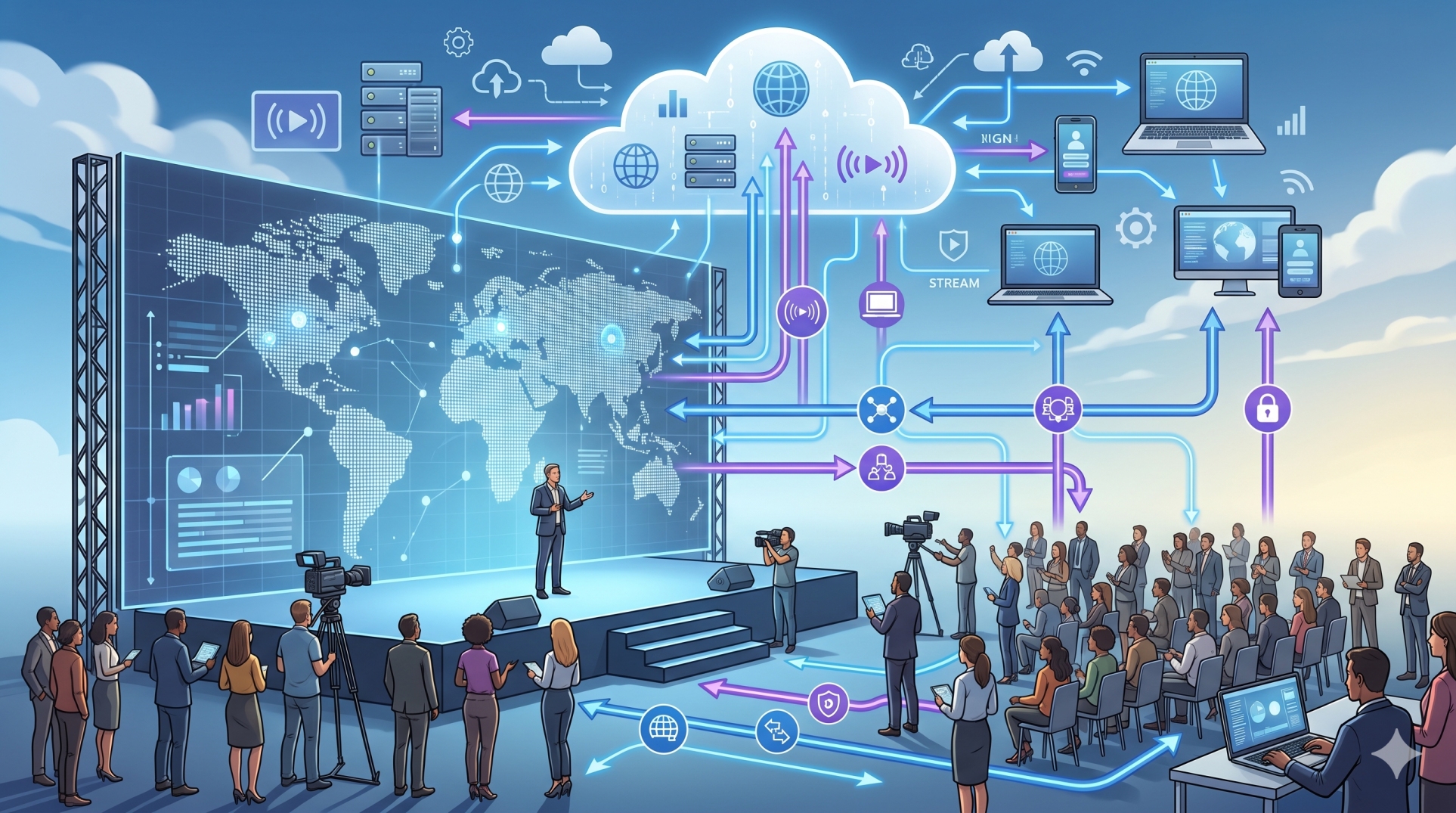
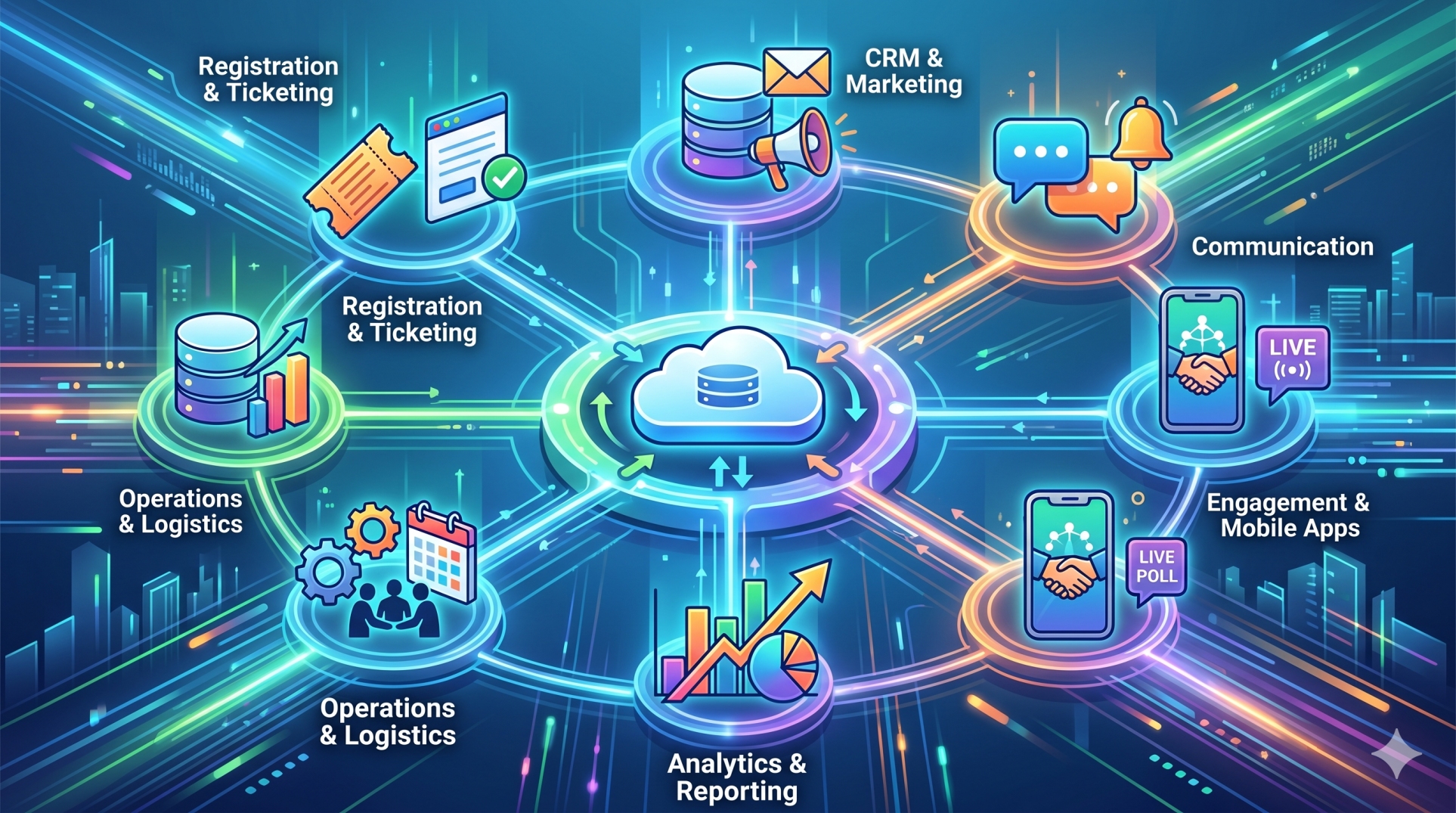
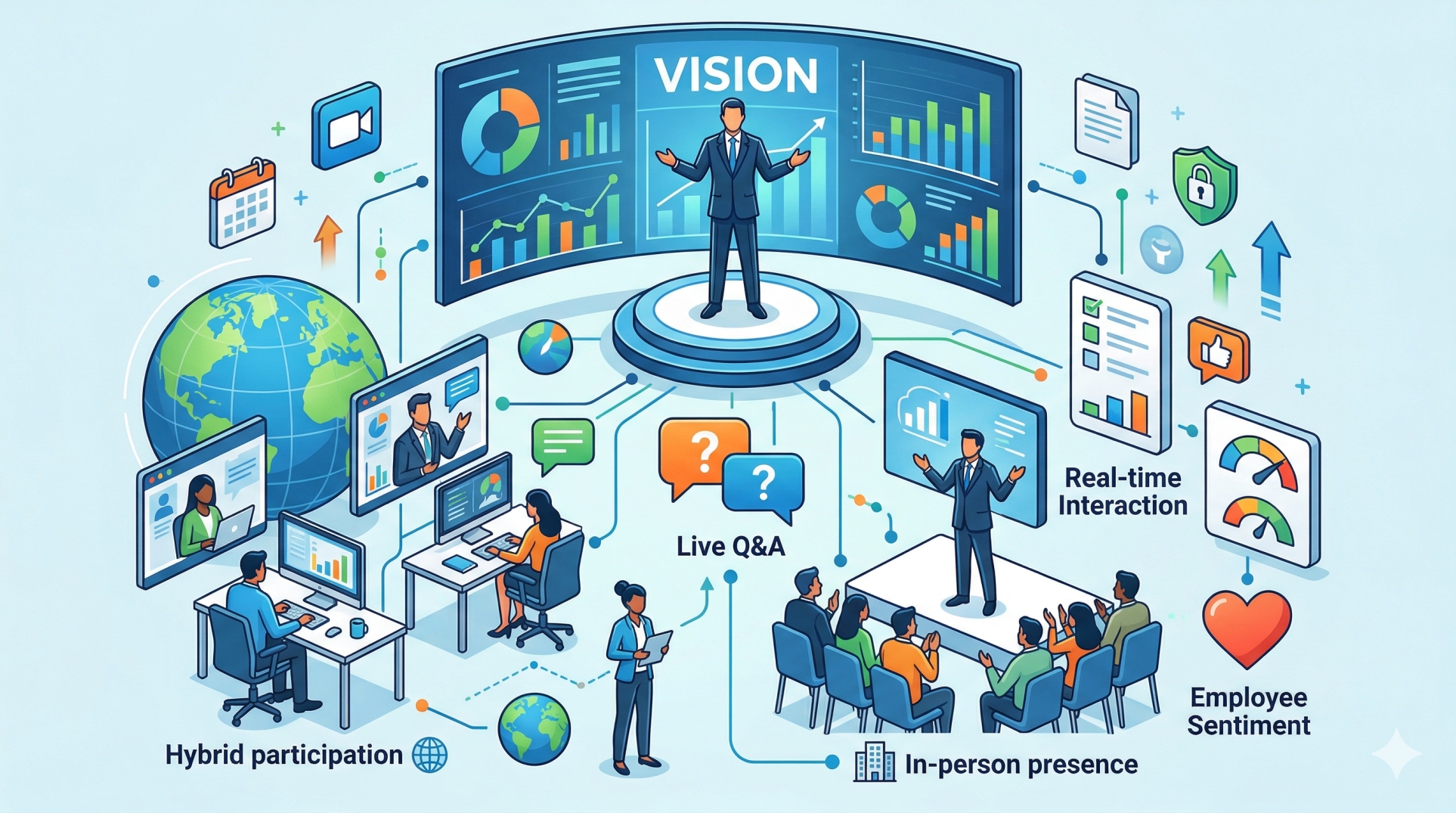
As events continue to evolve, hybrid event platforms have become essential for connecting in-person and virtual audiences through a unified experience. Designing infrastructure for hybrid events requires scalable technology, reliable connectivity, real-time engagement capabilities, and seamless integration between physical and digital environments. A strong infrastructure foundation enables organizers to deliver immersive, flexible, and high-performance event experiences across multiple channels.
Step 1: Understanding Hybrid Event Requirements 🌐
• Identify the needs of both in-person and virtual attendees 👥
• Define event goals, audience size, and engagement expectations 🎯
• Determine streaming, networking, and interaction requirements 📡
• Assess venue capabilities and digital platform demands 🏢
• Plan infrastructure based on scalability and performance needs 📈
Step 2: Building a Scalable Cloud Infrastructure ☁️
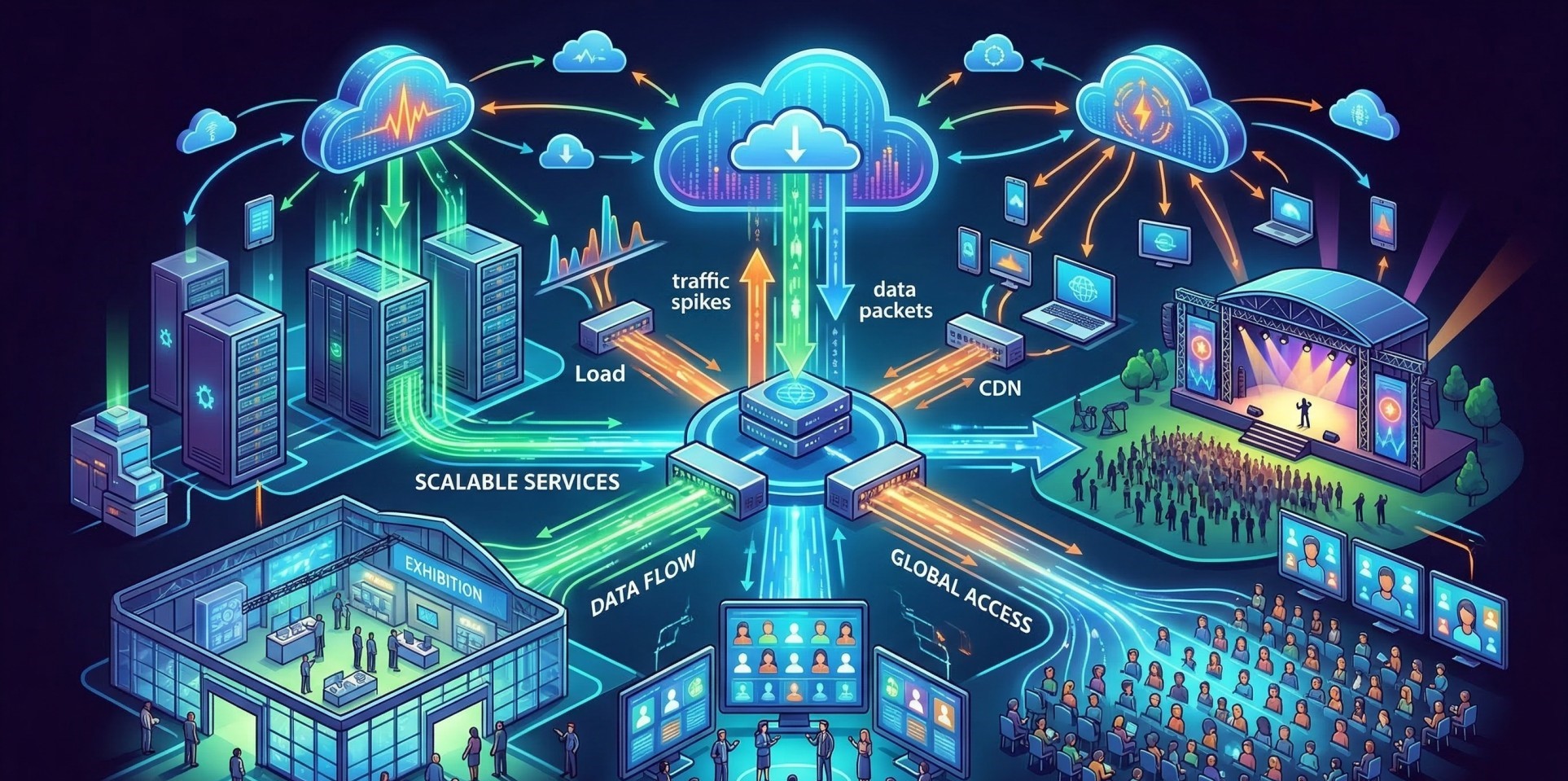
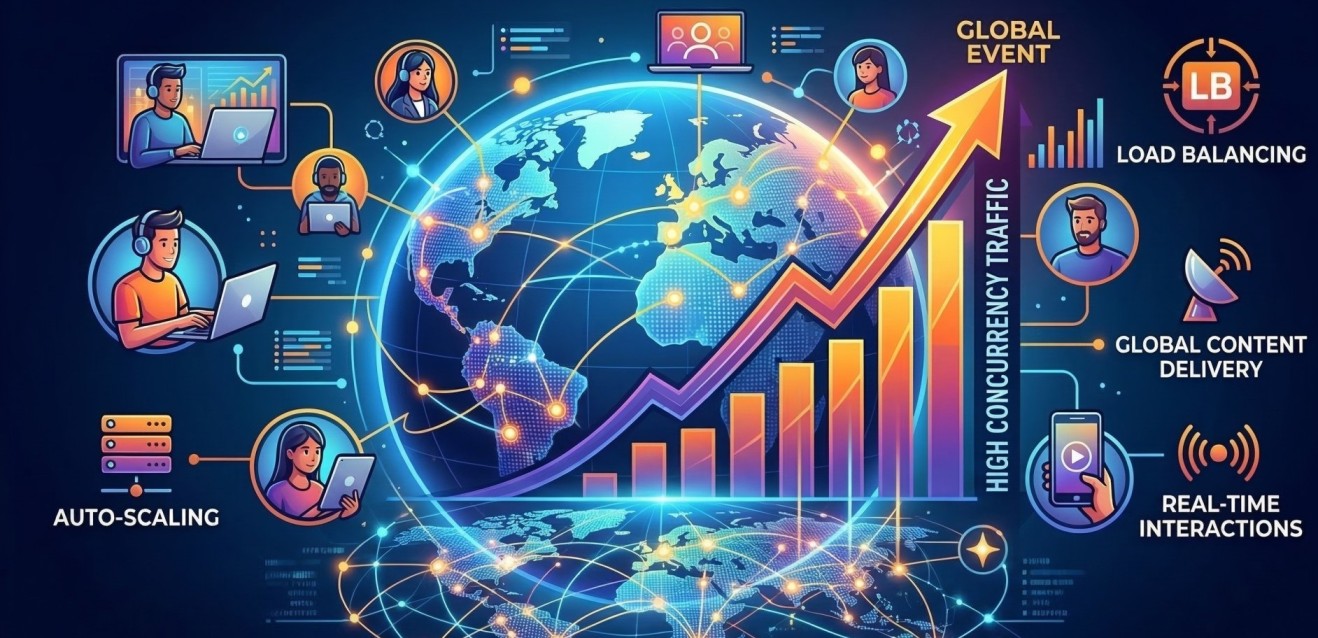
• Use cloud-based architecture to support fluctuating event traffic ☁️
• Enable elastic scalability during peak attendee activity 🚀
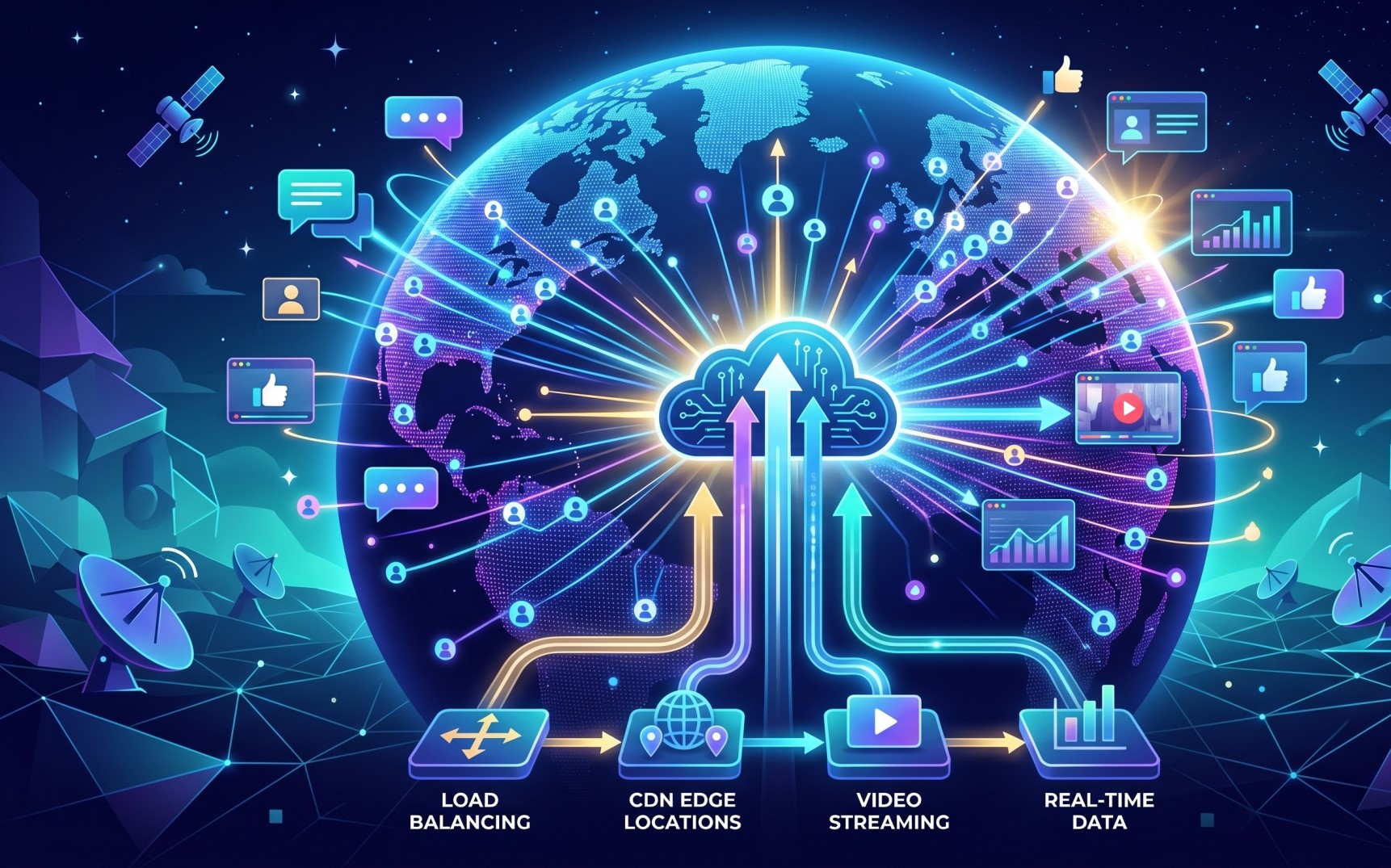
• Distribute workloads across multiple servers and regions 🌍
• Minimize downtime with high-availability infrastructure 🔄
• Support global audience access with low-latency performance ⚡
Step 3: Ensuring Reliable Network Connectivity 📶
• Establish high-speed internet connectivity at event venues 🌐
• Use redundant network connections for uninterrupted operations 🔁
• Prioritize bandwidth allocation for streaming and live interactions 🎥
• Monitor network performance in real time 📊
• Prevent connectivity bottlenecks during high-traffic sessions 🚧
Step 4: Integrating Streaming and Media Systems 🎬
• Support high-quality live streaming for virtual participants 📹
• Integrate audio, video, and presentation systems seamlessly 🎤
• Enable multi-camera production and dynamic content switching 🎞️
• Optimize streaming quality across different devices and networks 📱
• Ensure synchronized delivery between virtual and onsite audiences ⏱️
Step 5: Supporting Real-Time Audience Engagement 💬
• Enable live chat, Q&A, and polling features 🗳️
• Provide interactive networking opportunities for attendees 🤝
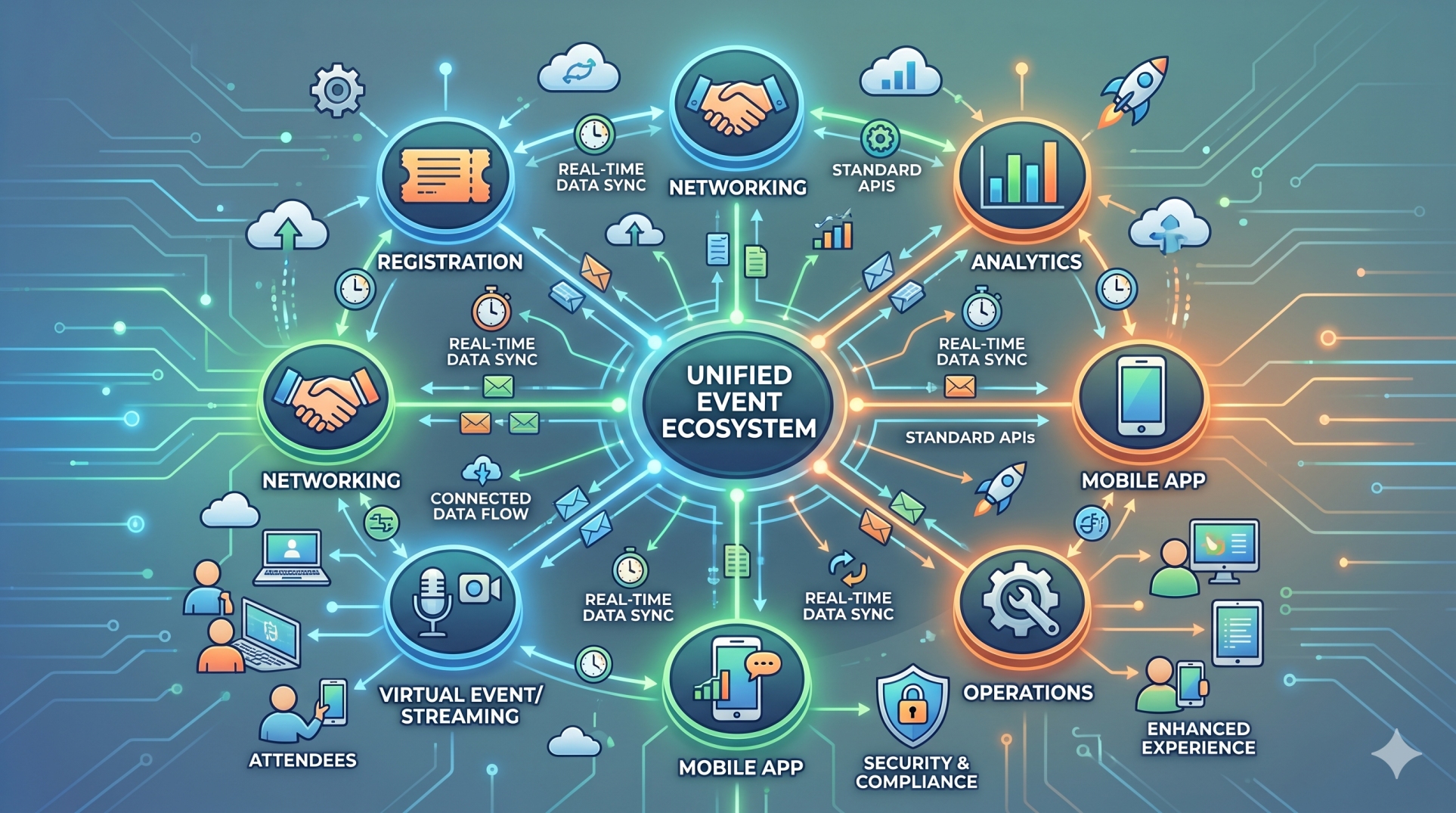
• Synchronize engagement tools across physical and virtual channels 🔄
• Deliver personalized experiences through attendee data insights 📊
• Encourage participation with gamification and interactive sessions 🎮
Step 6: Security and Access Management 🔐
• Protect attendee data through secure authentication systems 🛡️
• Implement role-based access controls for organizers and participants 👤
• Secure live streams and digital content from unauthorized access 🚫
• Monitor cybersecurity threats throughout the event lifecycle 🔍
• Maintain compliance with privacy and data protection regulations 📜
Step 7: Data Synchronization and Analytics 📊
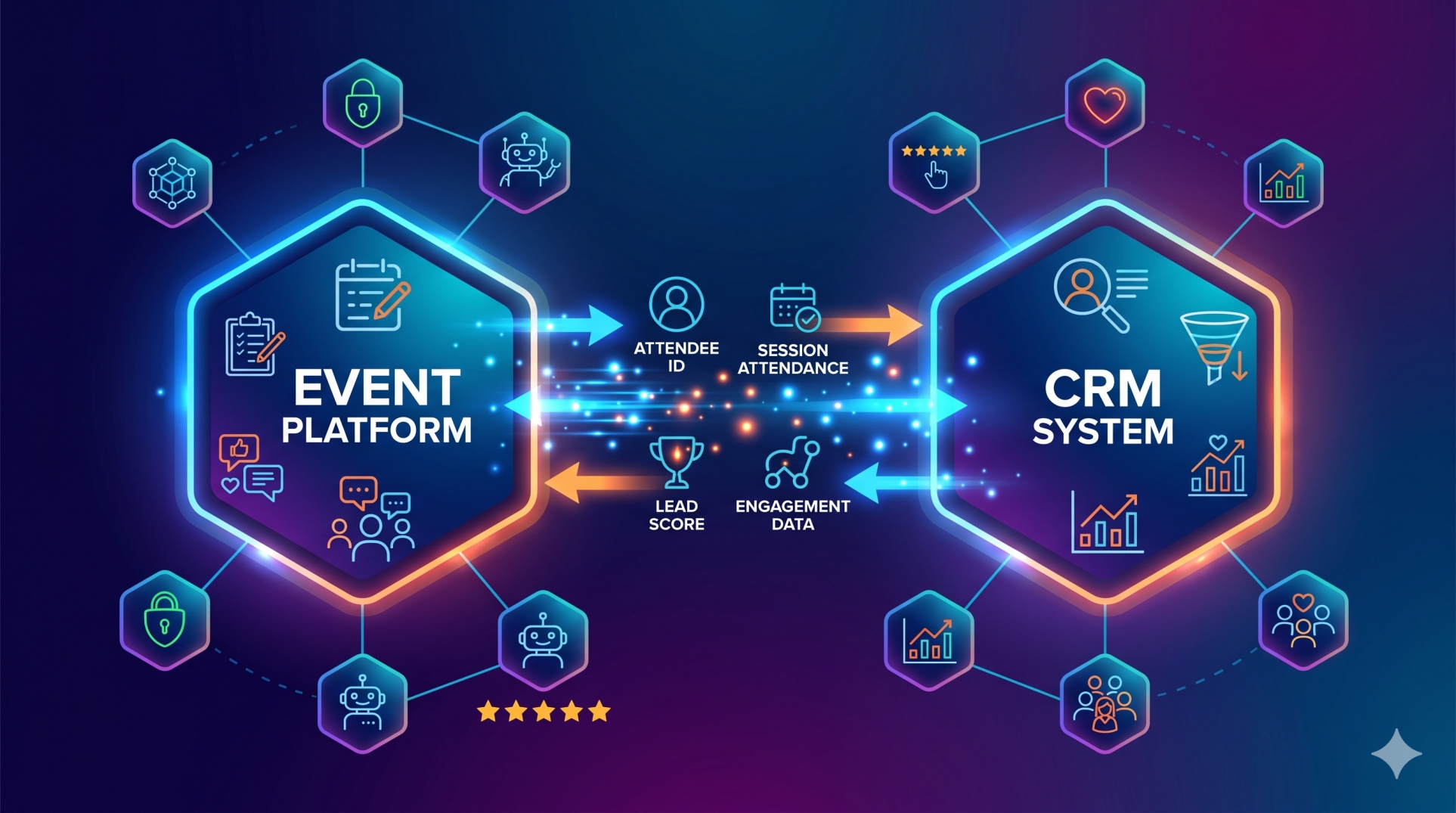
• Centralize attendee and session data across all platforms 🗂️
• Track engagement metrics in real time ⏱️
• Analyze attendance, participation, and interaction trends 📈
• Generate actionable insights for future event optimization 💡
• Maintain accurate reporting across virtual and physical environments 📑
Step 8: Key Infrastructure Priorities ⚙️
• Seamless integration between virtual and physical experiences 🔗
• Reliable and scalable technology architecture ☁️
• Real-time engagement and communication capabilities 💬
• Secure and high-performance event operations 🔐
Step 9: Managing Operational Continuity 🔄
• Prepare backup systems for streaming and connectivity failures 🛠️
• Develop contingency plans for unexpected disruptions 🚨
• Monitor infrastructure health continuously during live events 📡
• Enable rapid troubleshooting and recovery processes ⚡
• Ensure uninterrupted attendee experiences across all channels 🎯
Step 10: Building a Future-Ready Hybrid Event Ecosystem 🚀
• Design infrastructure that supports evolving event formats 🌍
• Integrate emerging technologies like AI and immersive experiences 🤖
• Enable modular upgrades without major operational disruption 🧩
• Support growing audience expectations and engagement demands 📈
• Continuously optimize infrastructure based on performance insights 🔍
Conclusion
Infrastructure design for hybrid event platforms plays a critical role in delivering seamless and engaging experiences for both virtual and in-person audiences. By combining scalable cloud architecture, reliable connectivity, secure systems, and interactive technologies, organizations can create flexible event environments that support long-term growth and innovation. A well-designed hybrid event infrastructure not only enhances attendee experiences but also enables organizations to adapt confidently to the future of events.
See more blogs
You can all the articles below

































Ready to Find Your Perfect Solution?
Let us show you how Event Software can transform your events

AI-powered event management platform that helps you create stunning events .