
Cross-Event Data Aggregation for Strategic Planning
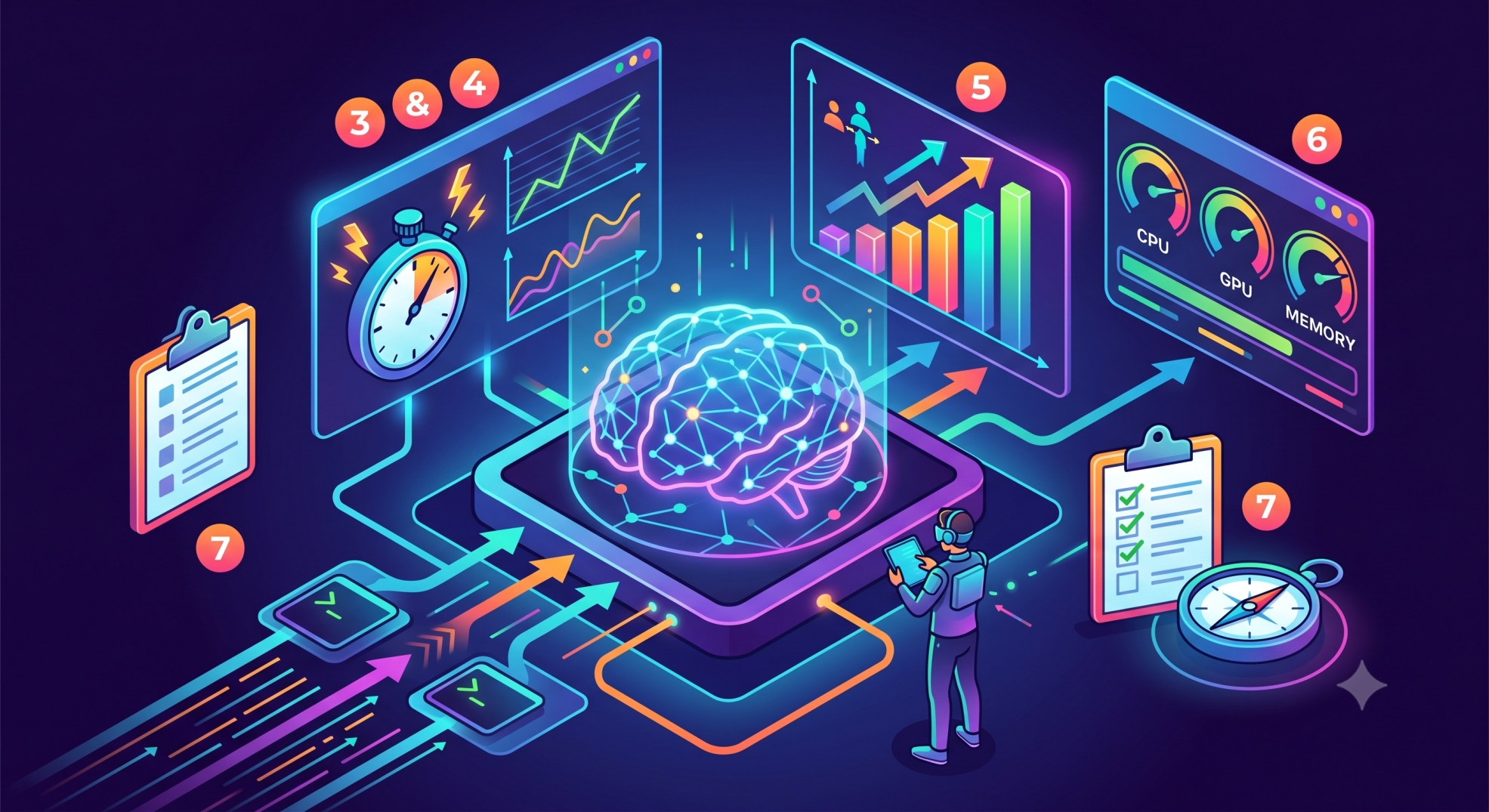
Cross-Event Data Aggregation for Strategic Planning
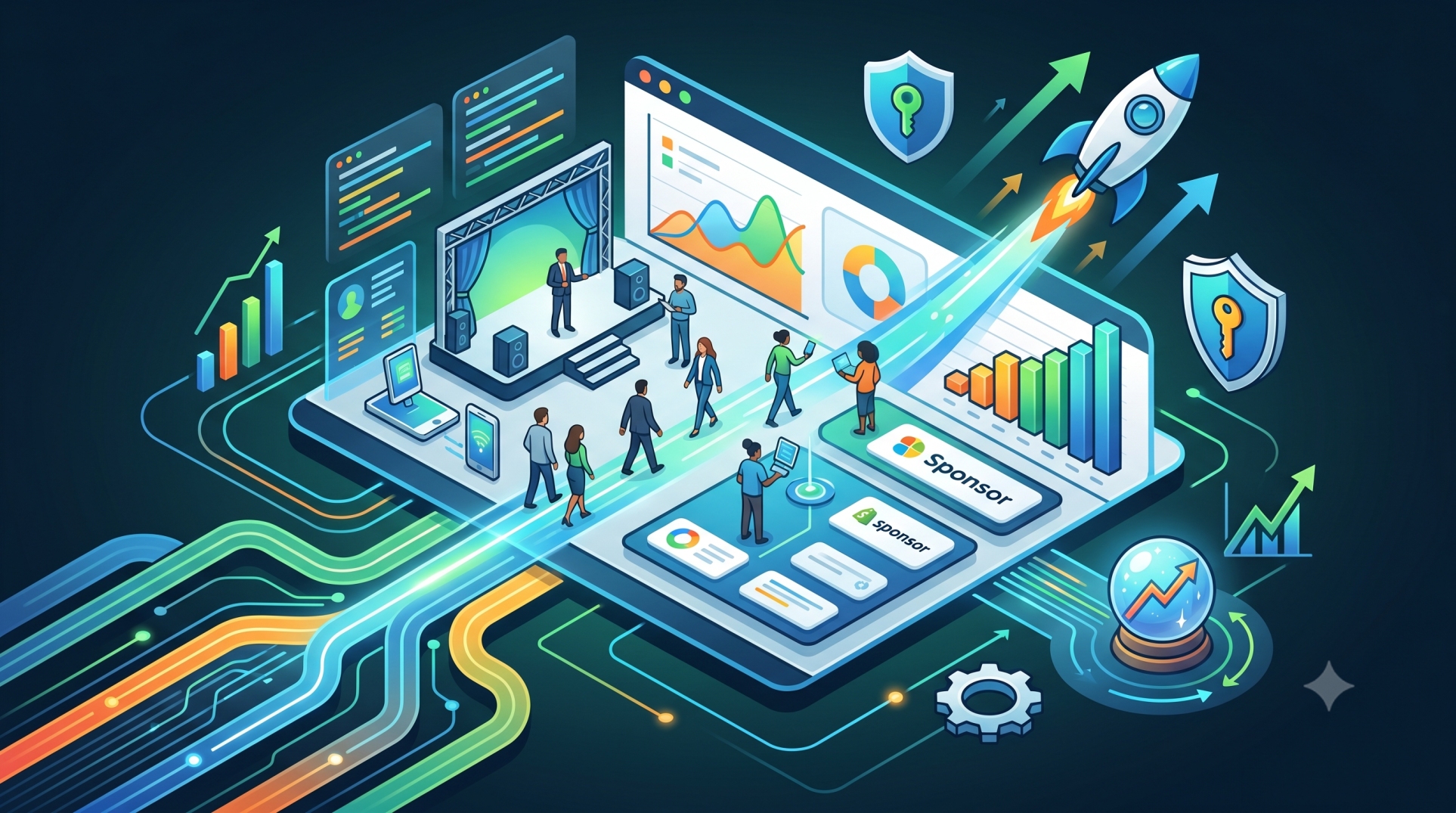
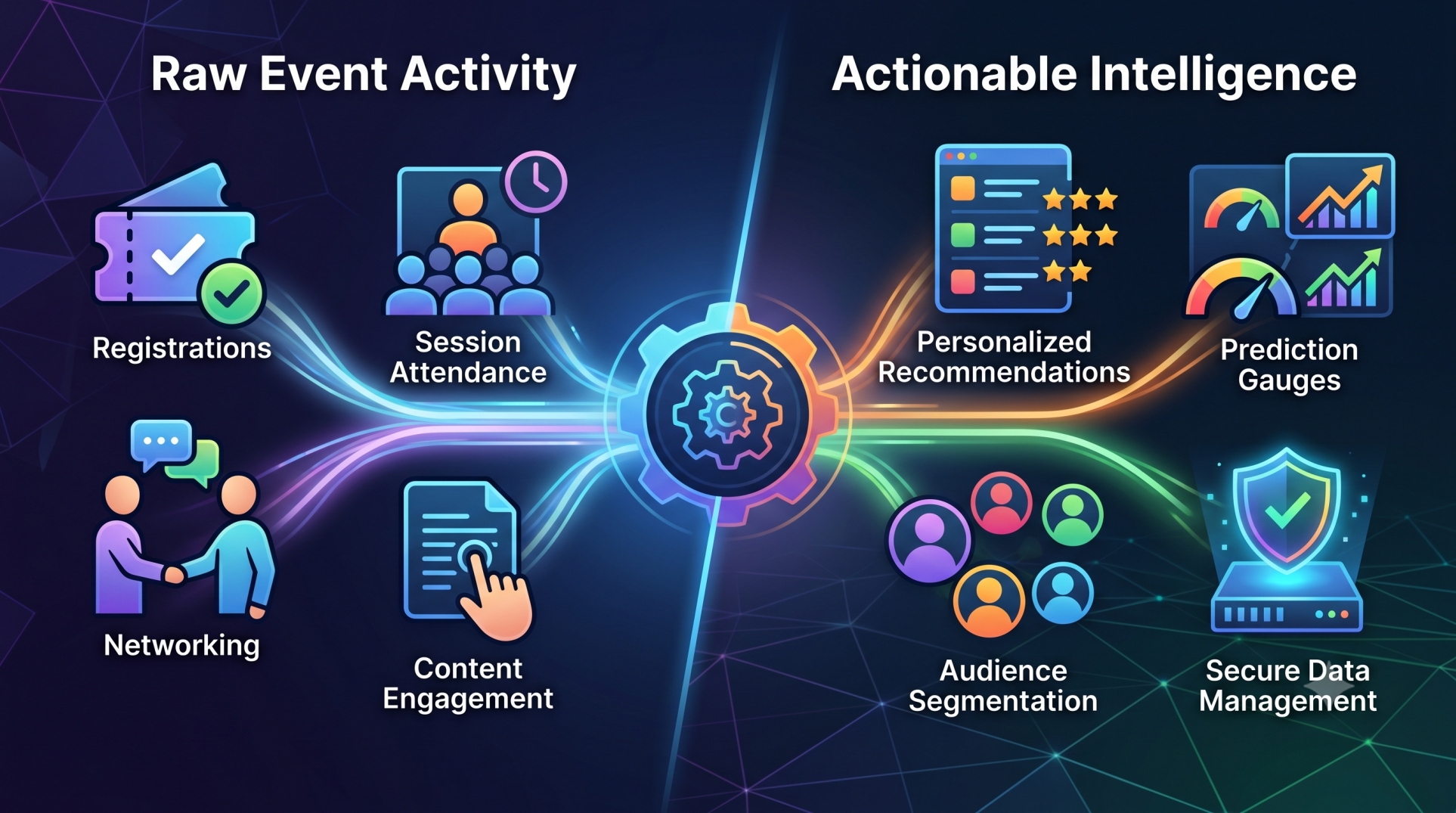
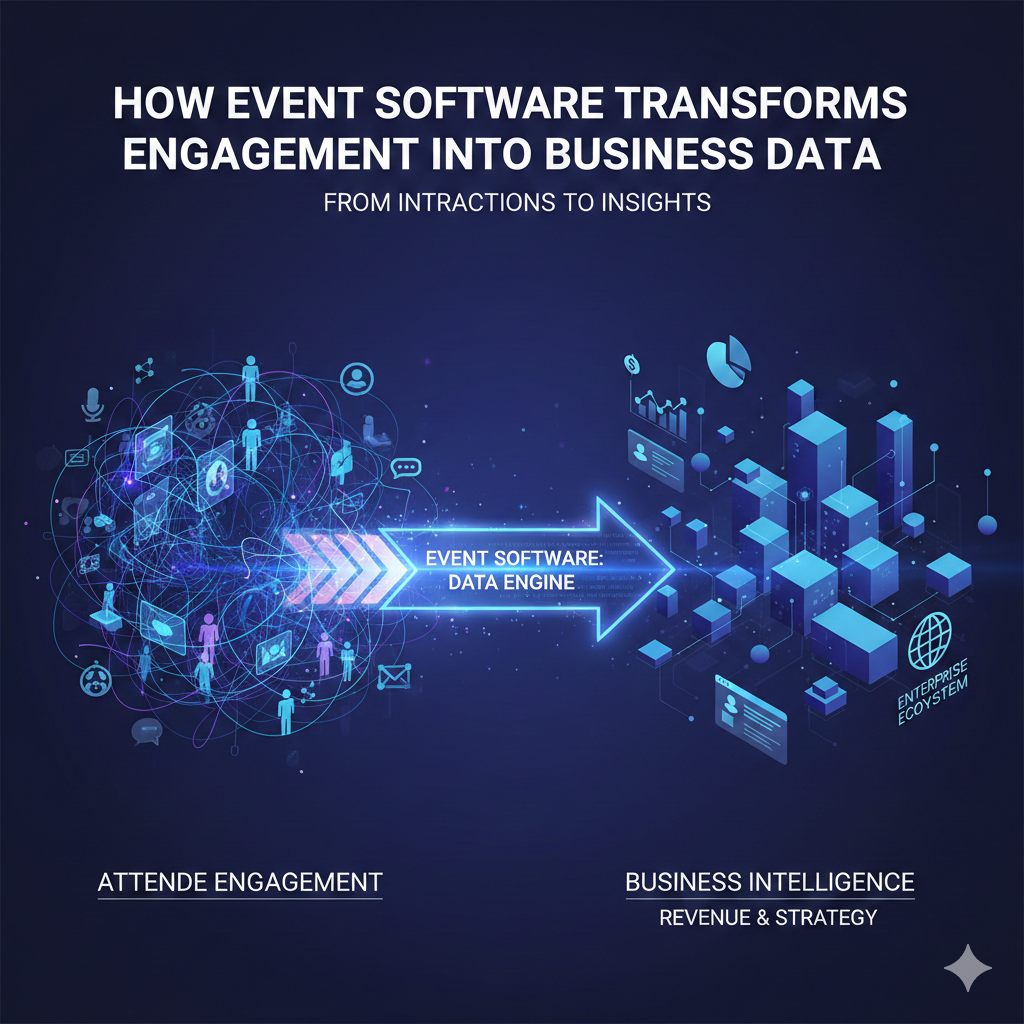
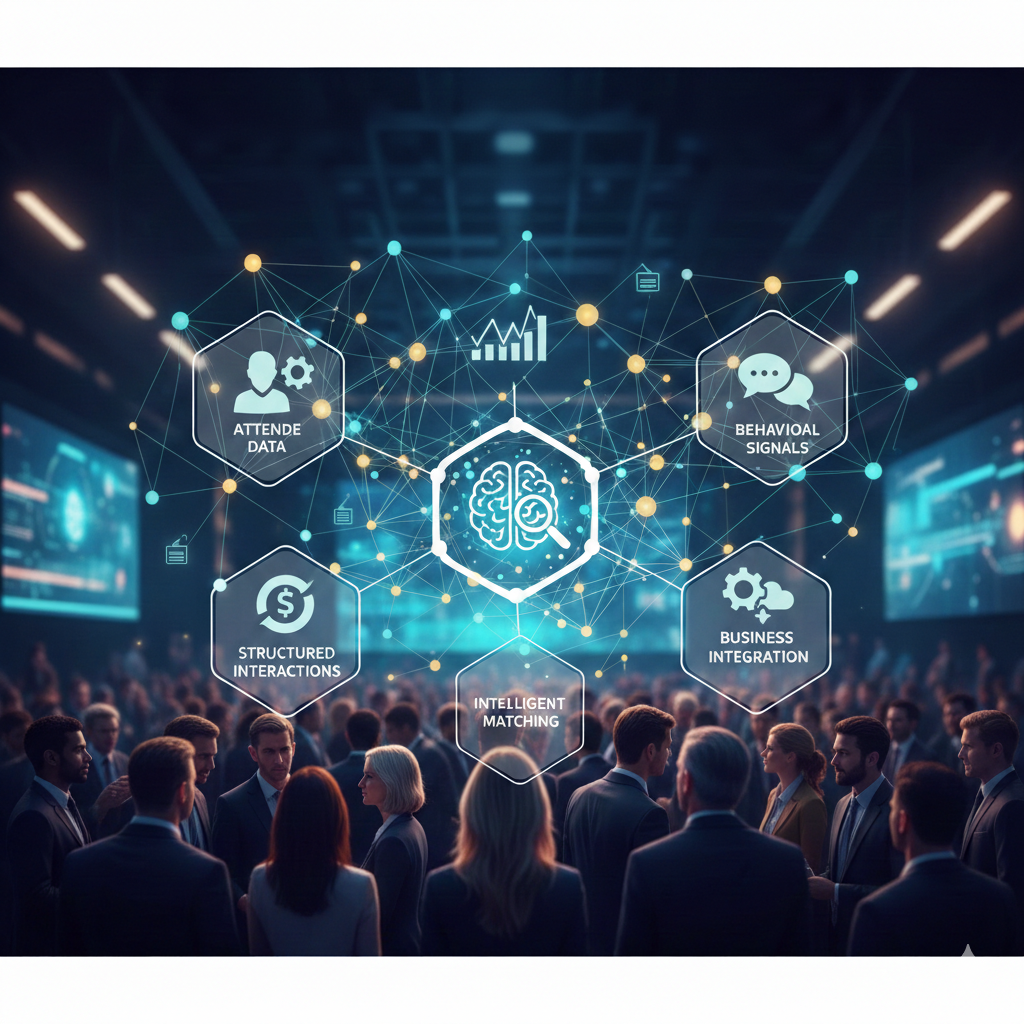
Modern event organizations generate massive amounts of operational, attendee, marketing, and engagement data across multiple events. However, the true strategic value emerges when this information is aggregated and analyzed collectively rather than in isolation. Cross-event data aggregation enables organizations to identify long-term trends, optimize planning decisions, improve attendee experiences, and drive more effective business outcomes across entire event portfolios.
Step 1: Understanding Cross-Event Data Aggregation 📊
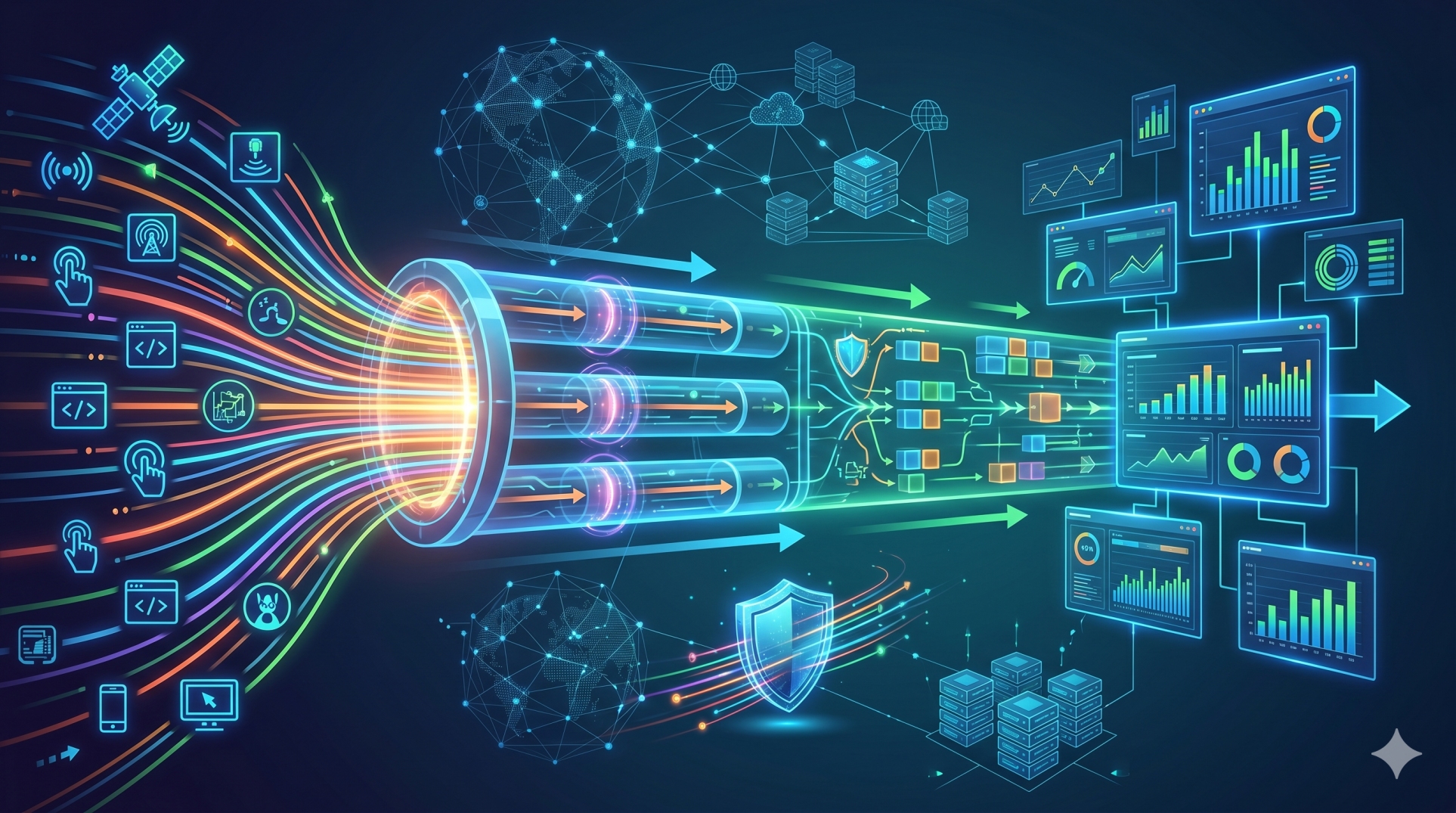
• Cross-event aggregation combines data from multiple events into a centralized system 🔗
• Enables organizations to analyze patterns across different event types and time periods 📈
• Supports data-driven strategic planning and operational optimization 🧠
• Improves visibility into attendee behavior and event performance 👥
• Creates a unified foundation for long-term decision-making 🏗️
Step 2: Identifying Key Data Sources 🌐
• Collect attendee registration and participation data 📝
• Aggregate marketing campaign and engagement metrics 📣
• Integrate ticketing, sponsorship, and revenue information 💰
• Include operational data from logistics and staffing systems ⚙️
• Combine feedback, surveys, and post-event analytics ⭐
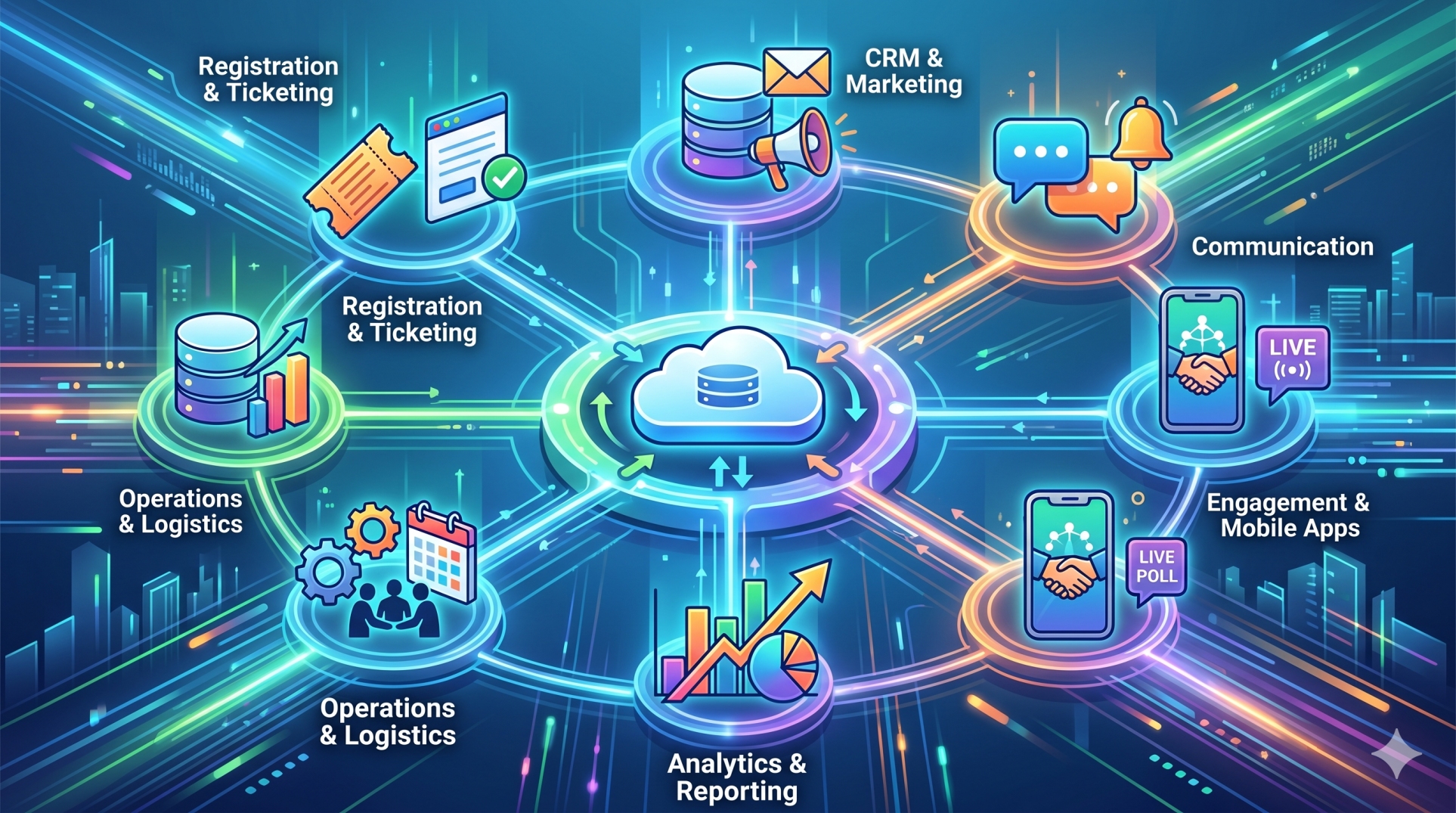
Step 3: Centralizing Data Infrastructure 🗄️
• Store event data within centralized cloud-based platforms ☁️
• Standardize data formats across all event systems 📐
• Eliminate silos between departments and event teams 🔄
• Enable consistent reporting and analytics workflows 📊
• Build scalable infrastructure to support growing event portfolios 🚀
Step 4: Standardizing Data Models 🧩
• Define consistent naming conventions and data structures 📘
• Normalize attendee, vendor, and sponsor records 🔍
• Maintain uniform KPIs across all events 📈
• Reduce inconsistencies that affect reporting accuracy ⚖️
• Improve interoperability between platforms and tools 🔗
Step 5: Real-Time Data Synchronization ⏱️
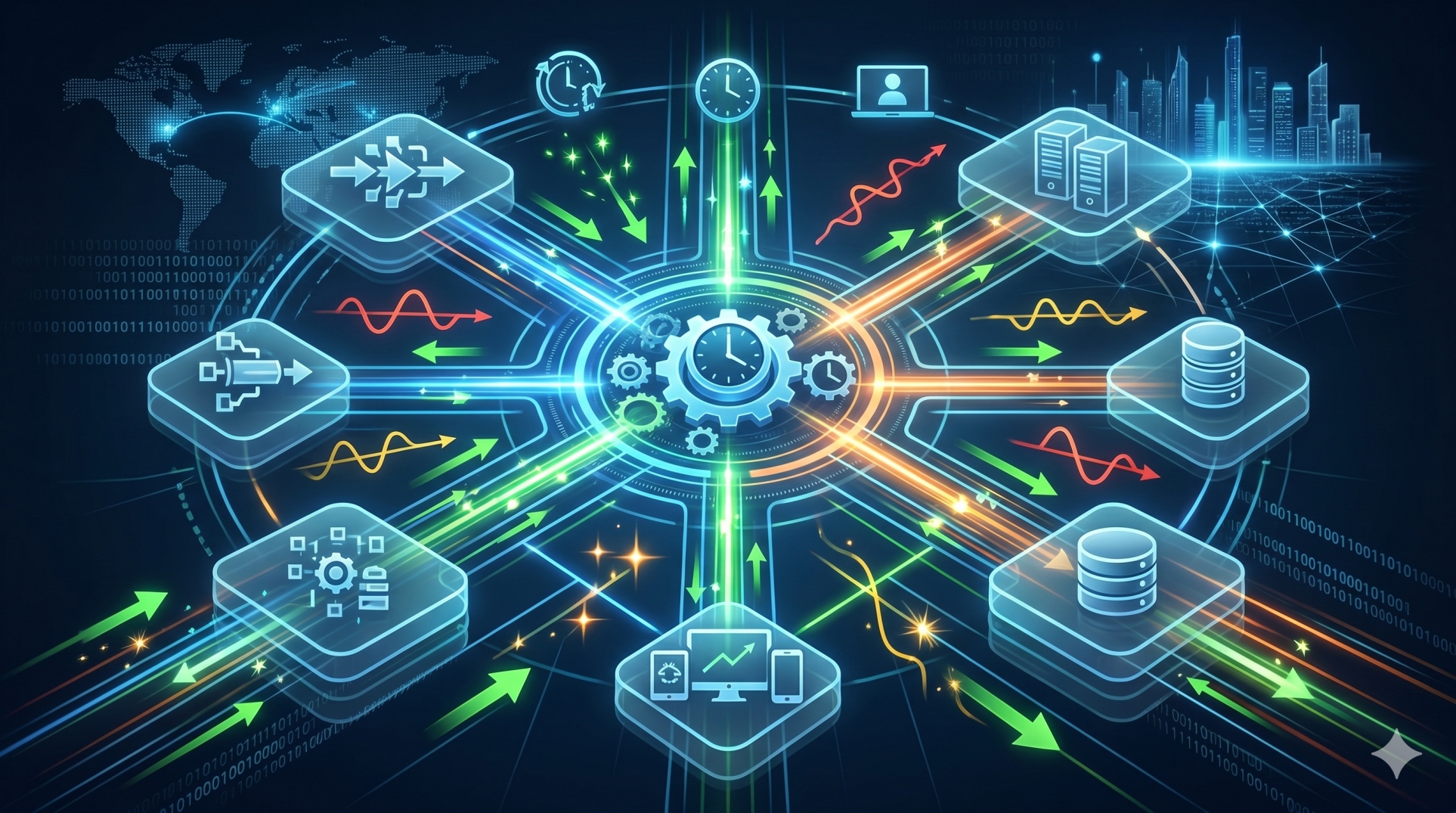
• Continuously update event data from integrated systems 🔄
• Sync registration, attendance, and engagement metrics instantly ⚡
• Support live dashboards for operational visibility 📡
• Improve responsiveness during active events 🎯
• Ensure accurate and up-to-date strategic insights 📊
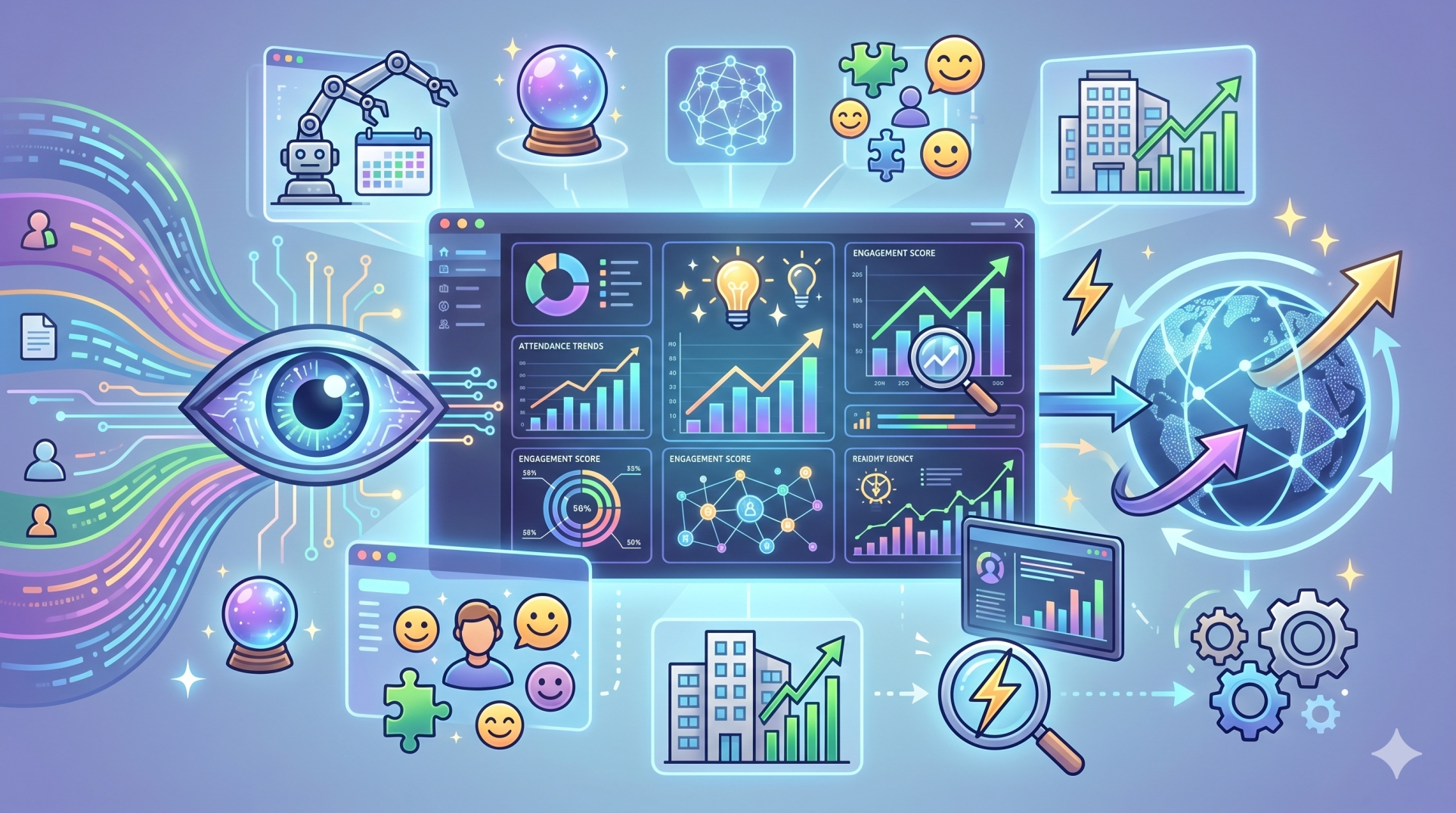
Step 6: Analyzing Trends and Patterns 🔍
• Identify recurring attendee behaviors across events 👥
• Analyze seasonal trends and demand fluctuations 📅
• Measure marketing effectiveness across campaigns 📣
• Evaluate sponsor performance and engagement levels 🤝
• Detect operational bottlenecks and optimization opportunities ⚙️
Step 7: Enhancing Strategic Decision-Making 🧠
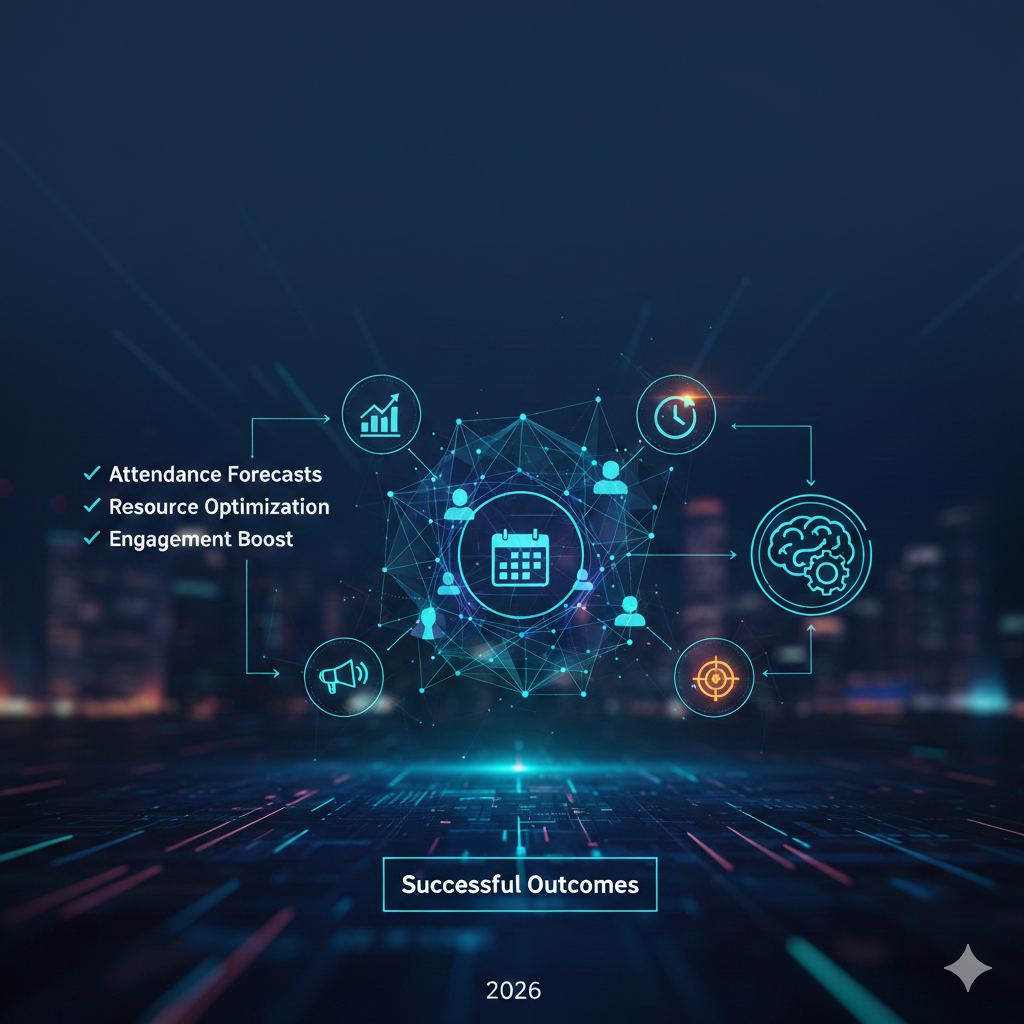
• Use aggregated insights to improve future event planning 📋
• Optimize budgeting and resource allocation 💰
• Refine audience targeting and engagement strategies 🎯
• Support venue selection and scheduling decisions 🏢
• Enable long-term portfolio growth planning 📈
Step 8: Improving Attendee Experience 🌟
• Personalize experiences using historical engagement data 🤖
• Deliver targeted recommendations and communications 📩
• Identify attendee preferences across multiple events ❤️
• Improve networking and session-matching capabilities 🔗
• Increase retention and long-term attendee loyalty 🤝
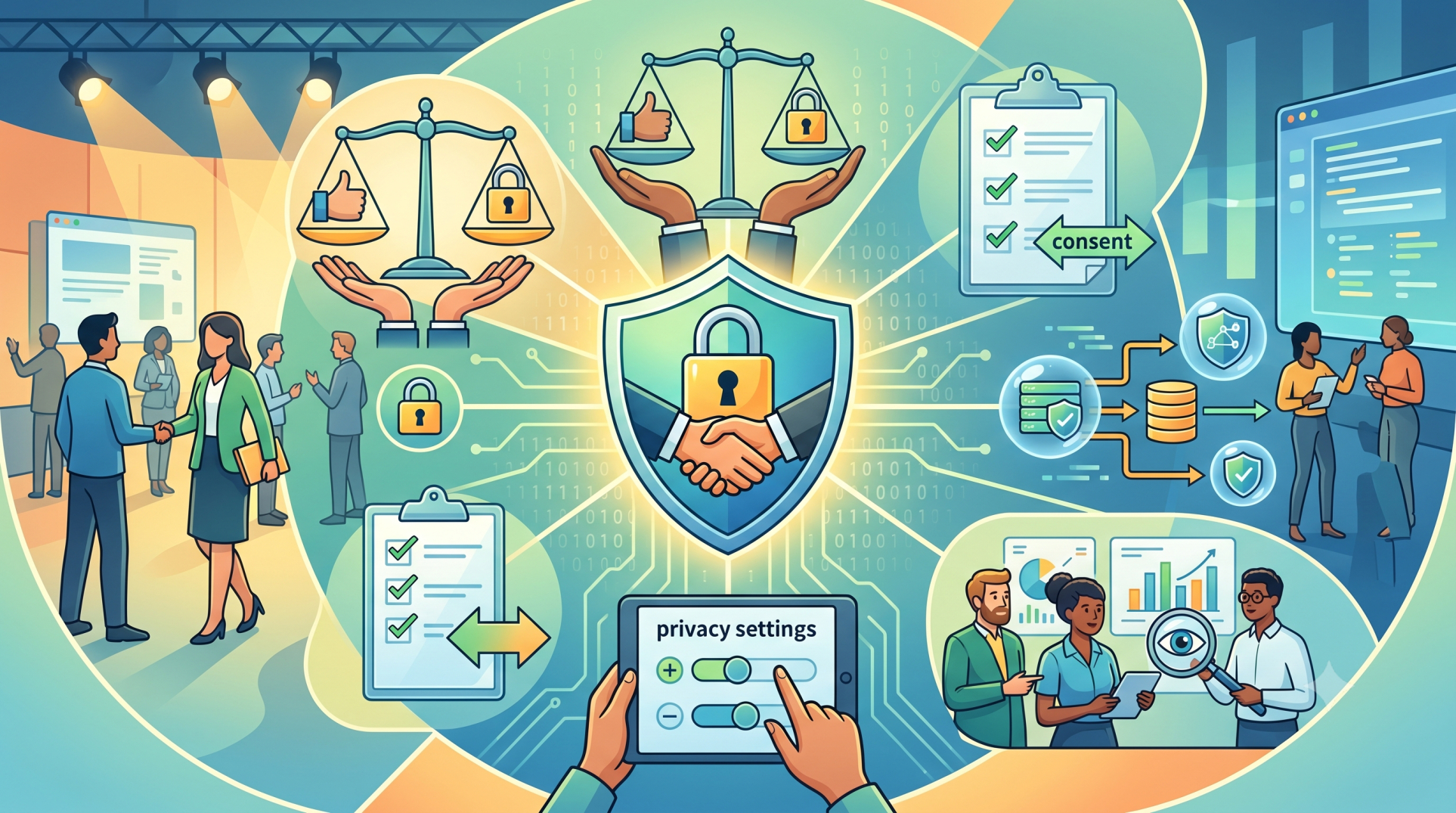
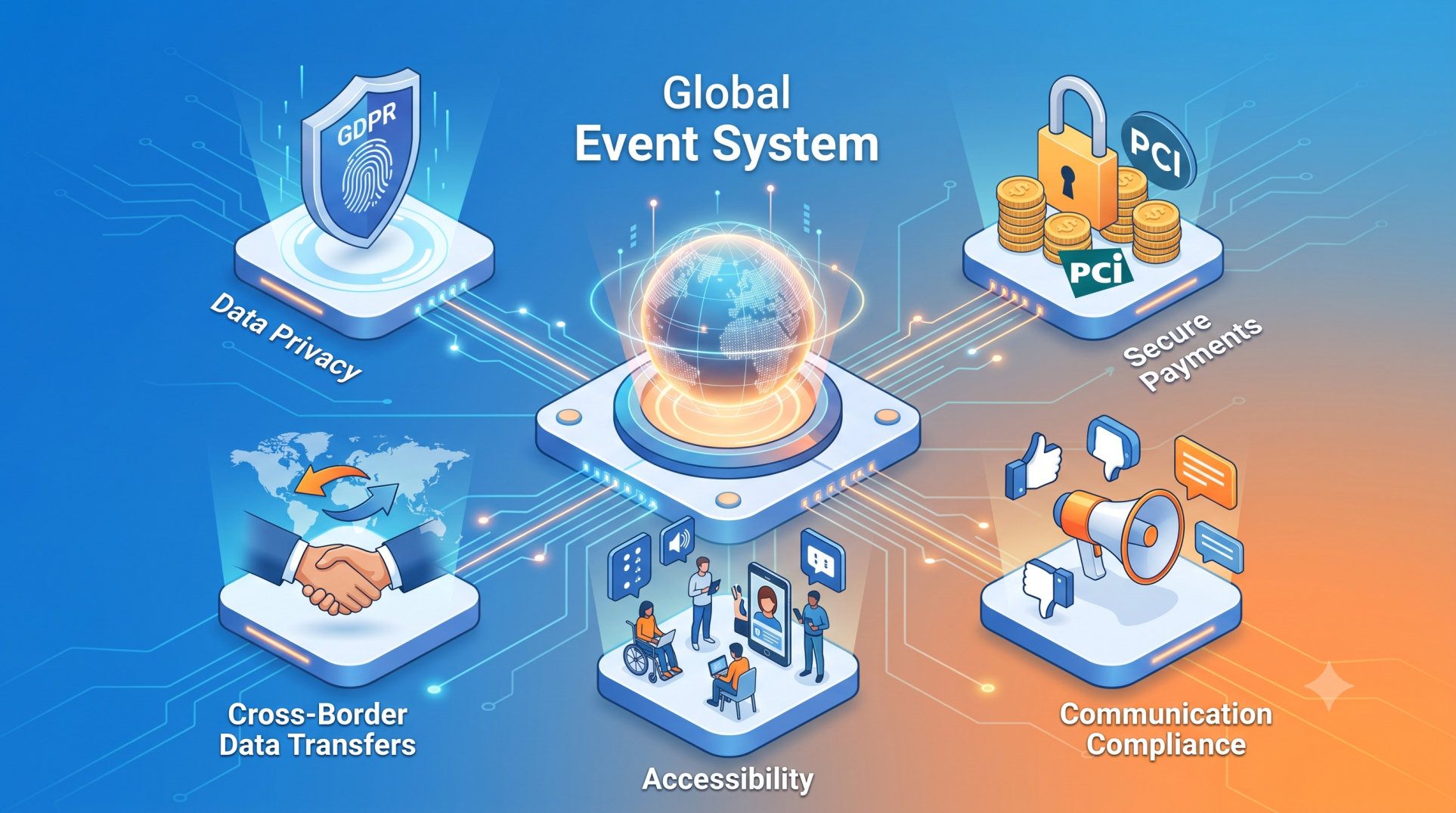
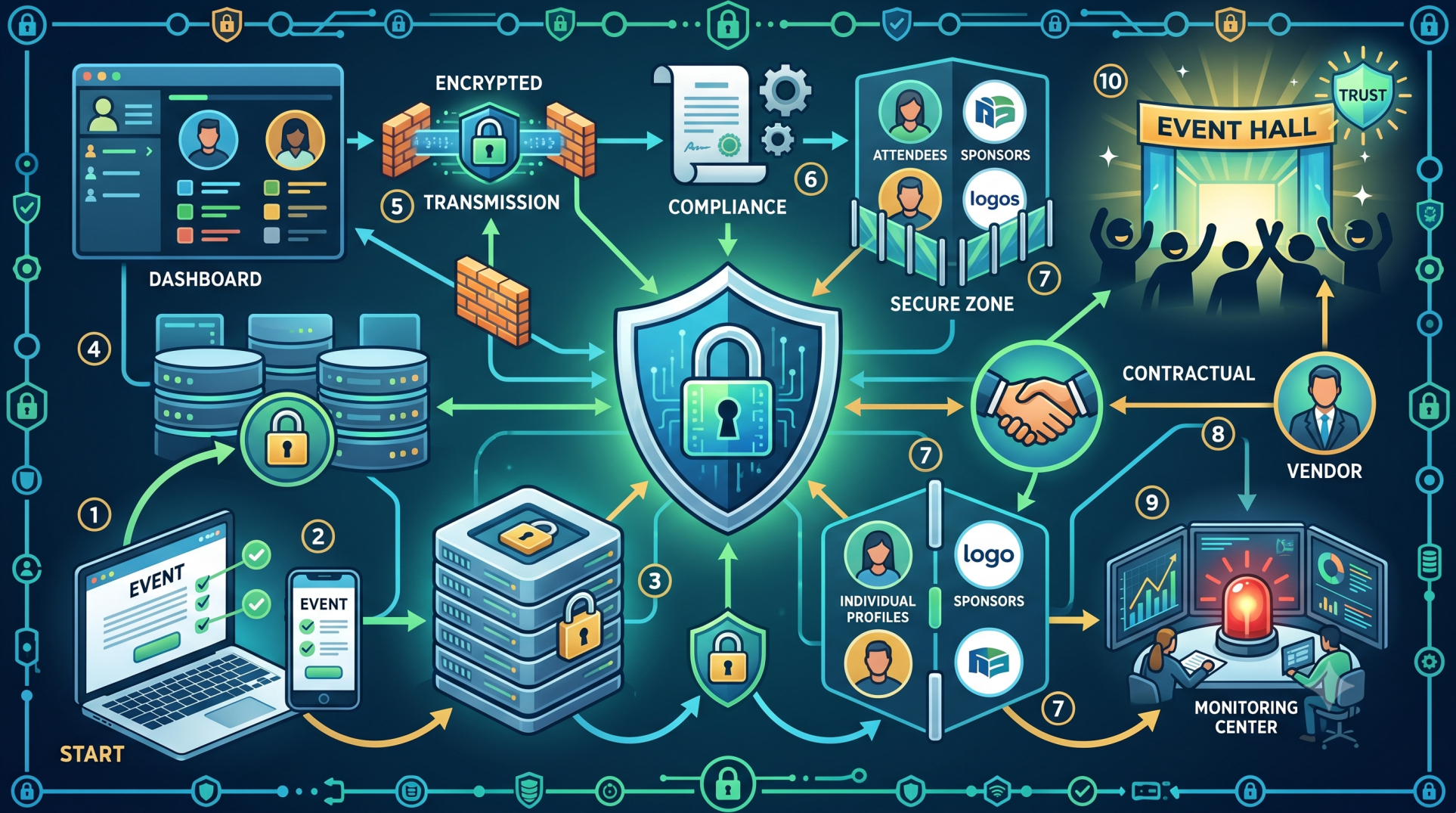
Step 9: Security, Privacy, and Compliance 🔐
• Protect attendee and organizational data through secure systems 🛡️
• Implement role-based access controls 👥
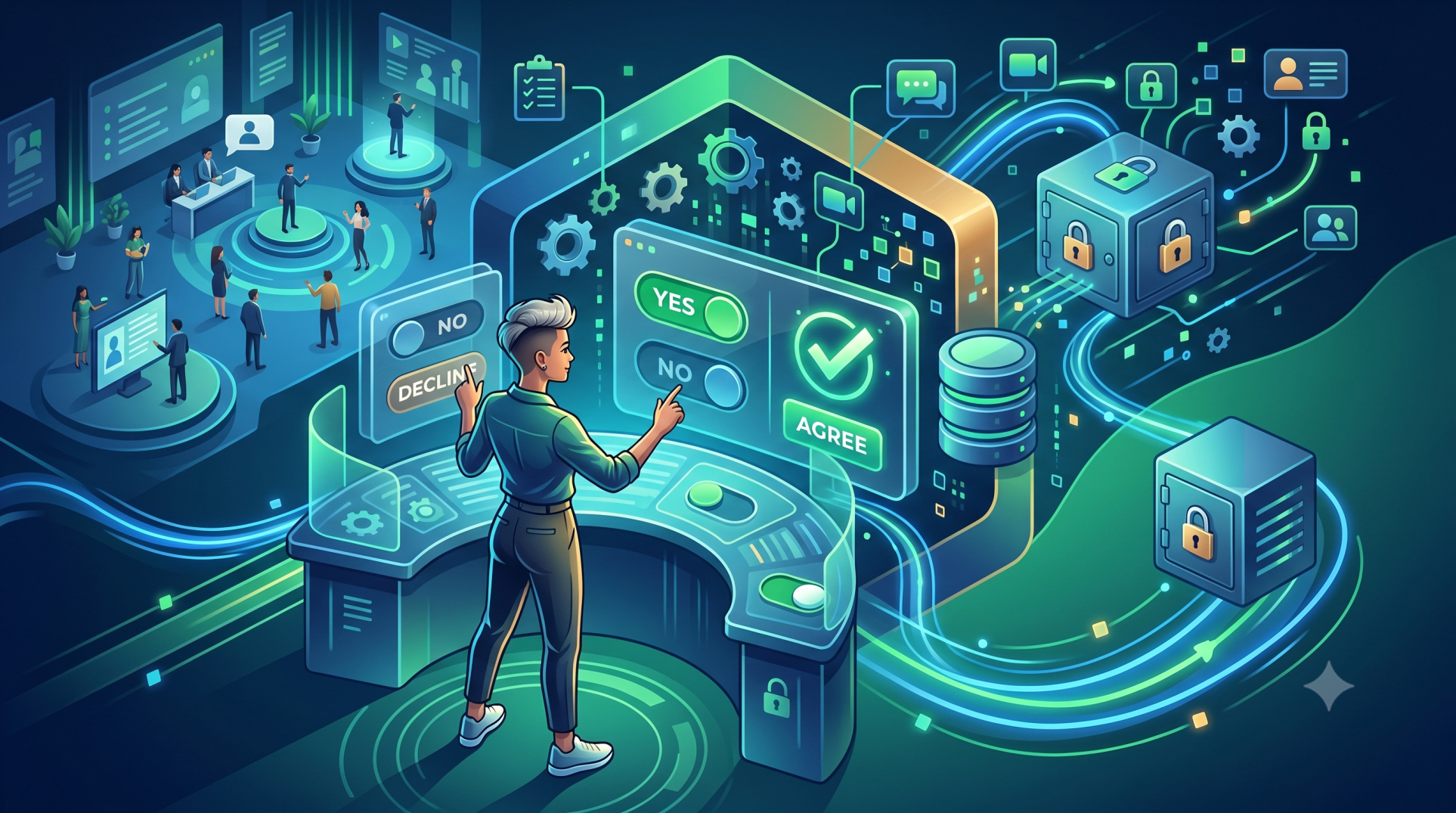
• Ensure compliance with privacy regulations and policies 📜
• Maintain transparency in data collection and usage 🔍
• Monitor systems for security risks and vulnerabilities 🚨
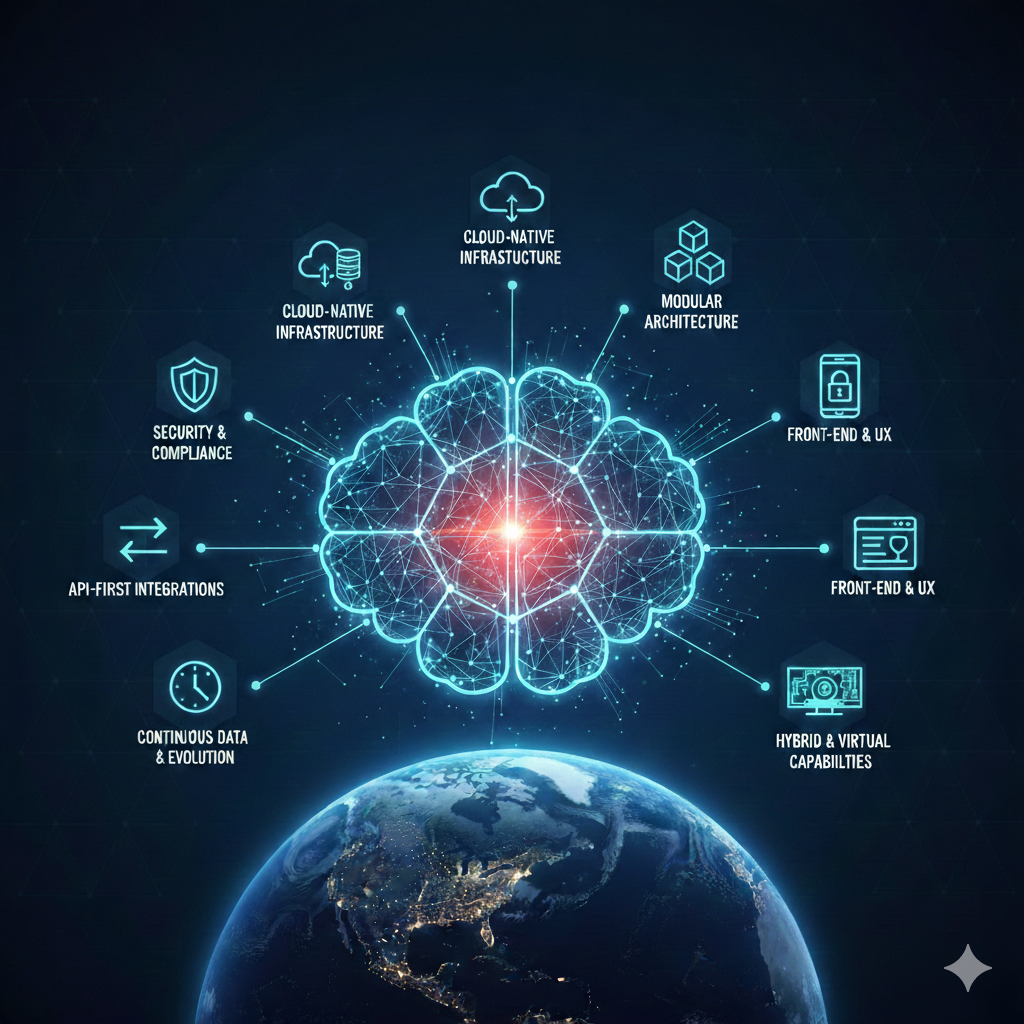
Step 10: Building a Scalable Event Intelligence Ecosystem 🚀
• Design systems that support expanding event portfolios 🌍
• Integrate additional analytics and AI-driven capabilities 🤖
• Enable cross-functional collaboration through shared insights 🔄
• Adapt infrastructure to changing industry demands 📈
• Future-proof event operations with modular data architectures 🏗️
Conclusion
Cross-event data aggregation provides organizations with a powerful foundation for strategic planning and operational improvement. By centralizing and analyzing data across multiple events, businesses can uncover valuable trends, optimize decision-making, and deliver more personalized attendee experiences. A well-structured aggregation strategy not only improves event performance but also enables scalable growth and long-term competitive advantage in an increasingly data-driven event industry.
See more blogs
You can all the articles below































Ready to Find Your Perfect Solution?
Let us show you how Event Software can transform your events

AI-powered event management platform that helps you create stunning events .