
High-Availability Systems for Mission-Critical Events

High-Availability Systems for Mission-Critical Events
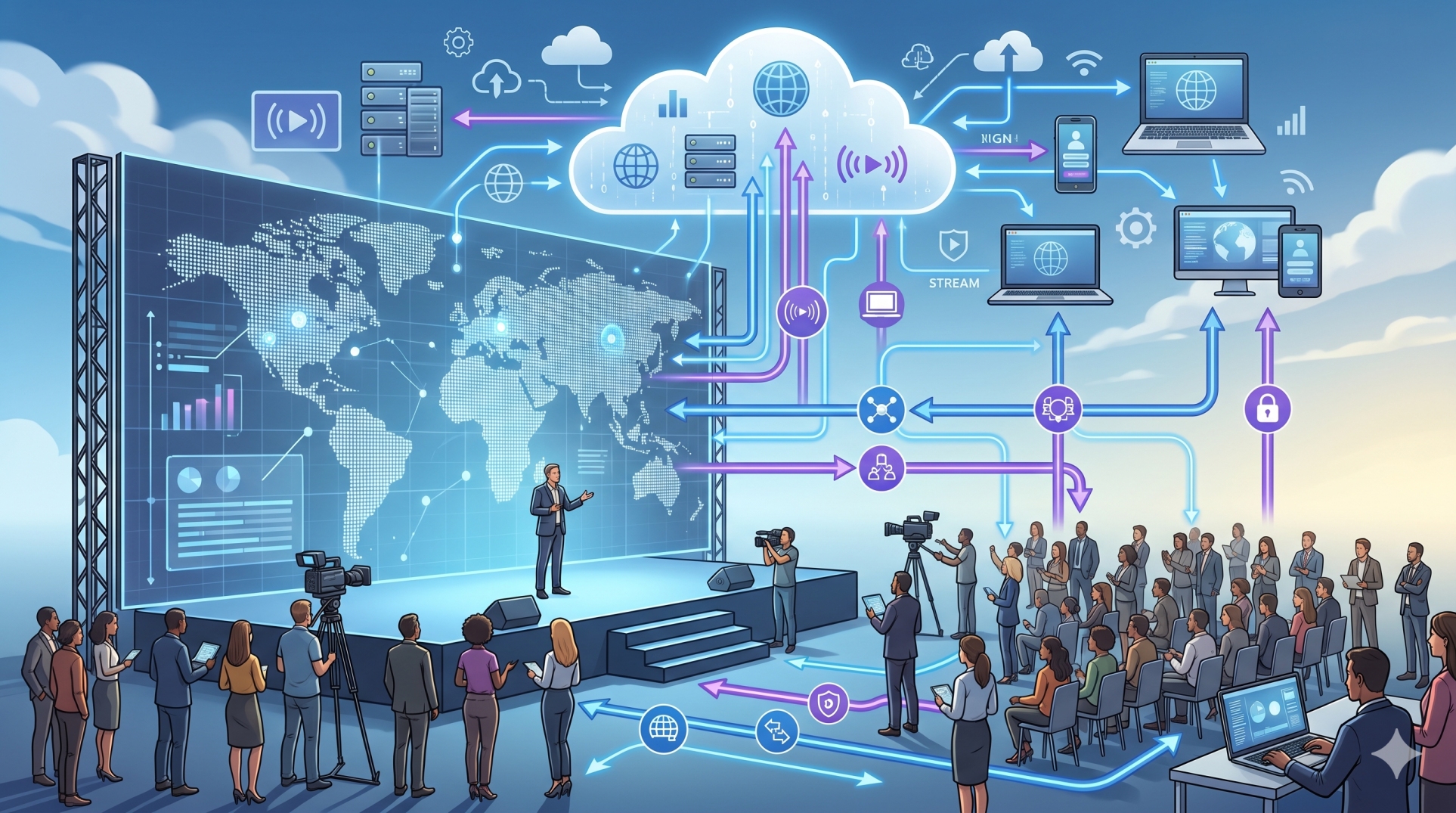
Mission-critical events demand uninterrupted performance, real-time responsiveness, and system reliability under extreme operational pressure. Whether supporting large conferences, live productions, enterprise summits, or hybrid experiences, high-availability systems ensure that event infrastructure remains stable even during failures or unexpected disruptions. Building resilient event technology environments helps organizations maintain continuity, protect attendee experiences, and minimize operational risk.
Step 1: Understanding High-Availability Requirements 🏗️
• Identify systems that require continuous uptime during events
• Define acceptable downtime and recovery objectives
• Assess operational risks and potential points of failure
• Prioritize critical applications and infrastructure components
• Align availability goals with event scale and business impact
Step 2: Designing Redundant Infrastructure 🔄
• Implement backup servers and failover environments
• Distribute workloads across multiple systems or regions
• Eliminate single points of failure within the infrastructure
• Use redundant network connections and power supplies
• Ensure automatic failover during outages or disruptions
Step 3: Real-Time Monitoring and Alerting 📡
• Monitor system health continuously during event operations
• Track performance metrics such as latency and uptime
• Configure automated alerts for abnormal behavior
• Detect issues before they impact attendees or operations
• Enable rapid incident response through centralized dashboards
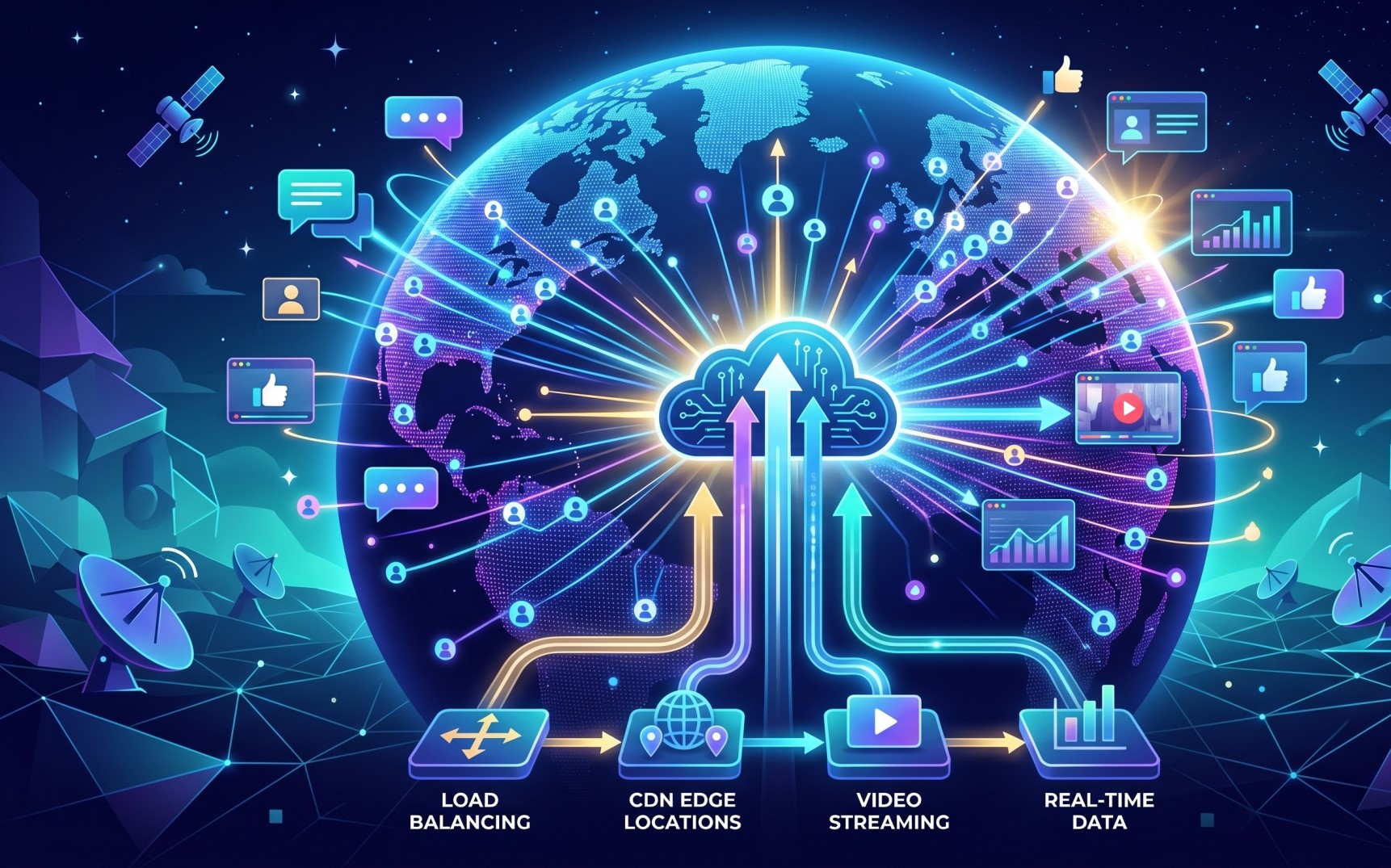
Step 4: Load Balancing and Traffic Distribution ⚖️
• Distribute traffic evenly across available infrastructure
• Prevent overload during peak attendee activity
• Scale resources dynamically based on demand fluctuations
• Maintain consistent performance across digital platforms
• Optimize responsiveness during high-volume interactions
Step 5: Disaster Recovery and Failover Planning 🛡️
• Develop disaster recovery procedures for critical systems
• Establish backup environments for rapid restoration
• Test failover scenarios before live event deployment
• Ensure minimal disruption during infrastructure failures
• Maintain recovery documentation and escalation workflows
Step 6: Ensuring Data Reliability and Integrity 🔐
• Replicate critical data across multiple locations
• Protect attendee and operational data from corruption
• Maintain secure backup and restoration processes
• Ensure consistency across distributed systems
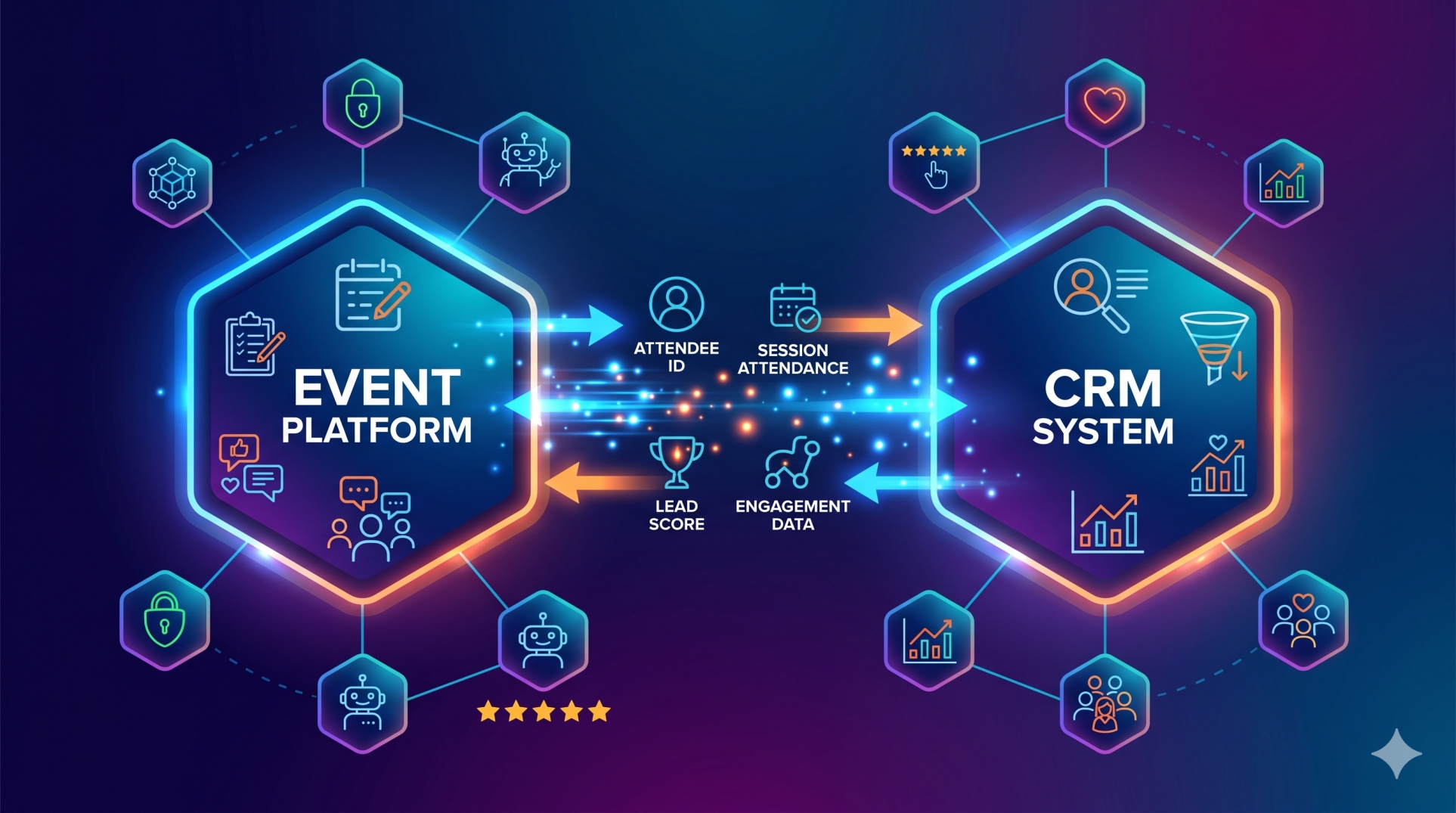
• Support real-time synchronization between environments
Step 7: Supporting Hybrid and Global Event Operations 🌐
• Maintain reliable connectivity for virtual participants
• Optimize infrastructure for geographically distributed audiences
• Reduce latency across streaming and engagement platforms
• Support seamless synchronization between physical and digital environments
• Scale systems to accommodate global attendance spikes
Step 8: Key Availability Priorities 📊
• Continuous uptime for mission-critical event systems
• Rapid recovery from failures or disruptions
• Real-time operational visibility and monitoring
• Scalable infrastructure for fluctuating demand
Step 9: Testing and Operational Readiness 🧪
• Conduct stress testing before major events
• Simulate outage and recovery scenarios
• Validate failover mechanisms under realistic conditions
• Ensure teams are prepared for incident response
• Continuously refine operational procedures and protocols
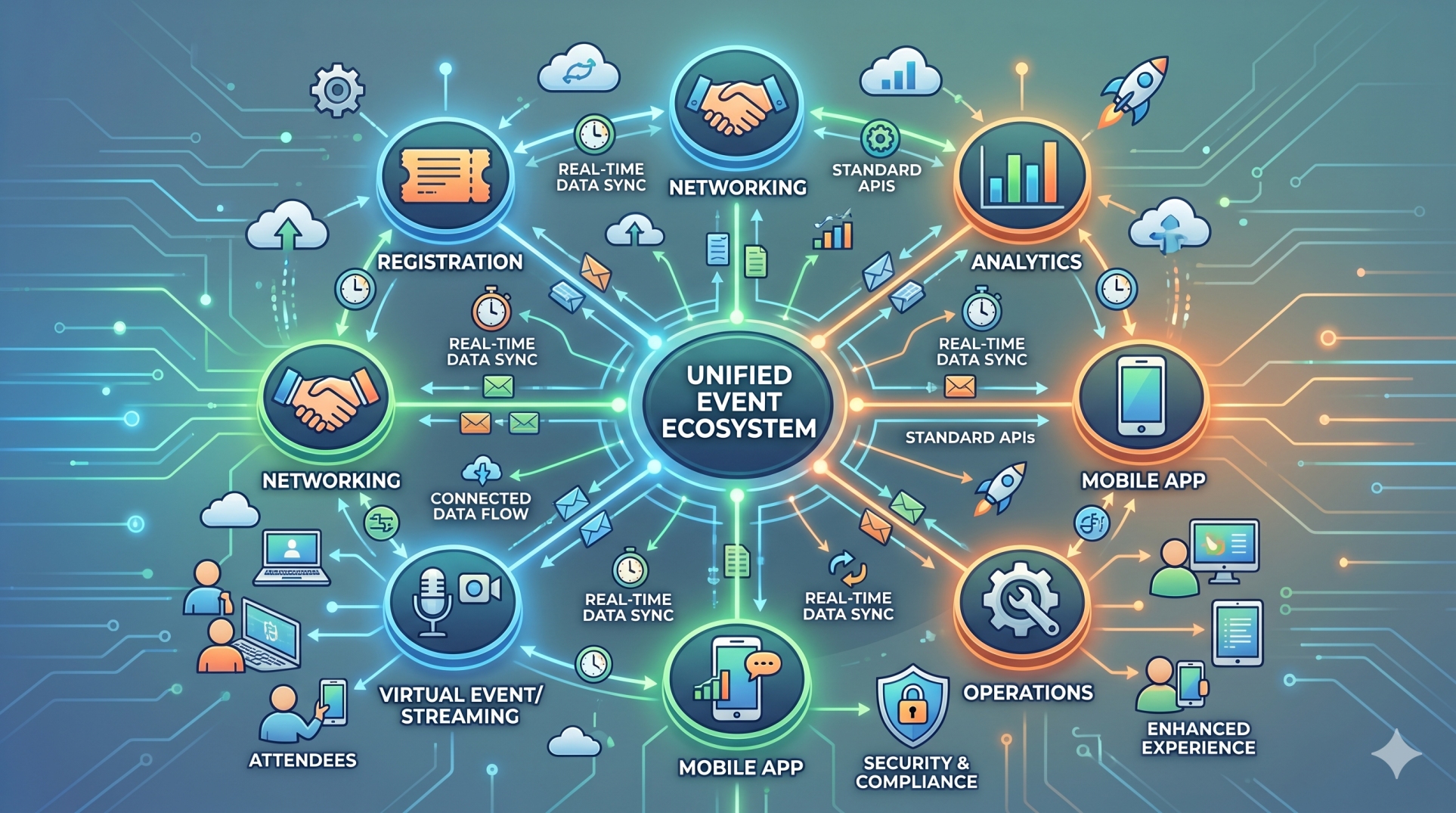
Step 10: Building a Resilient Event Technology Ecosystem 🚀
• Design systems with long-term scalability and resilience
• Integrate automation for proactive infrastructure management
• Support modular expansion for future event requirements
• Continuously optimize based on operational insights
• Future-proof event operations through adaptive architecture
Conclusion
High-availability systems are essential for ensuring reliable performance during mission-critical events. By combining redundancy, monitoring, failover planning, and scalable infrastructure, organizations can minimize downtime and maintain seamless event experiences under demanding conditions. A resilient technology ecosystem not only protects operations during live events but also creates a strong foundation for future growth and innovation.
See more blogs
You can all the articles below







































Ready to Find Your Perfect Solution?
Let us show you how Event Software can transform your events

AI-powered event management platform that helps you create stunning events .