
Cloud Scaling Strategies for Global Events

Cloud Scaling Strategies for Global Events
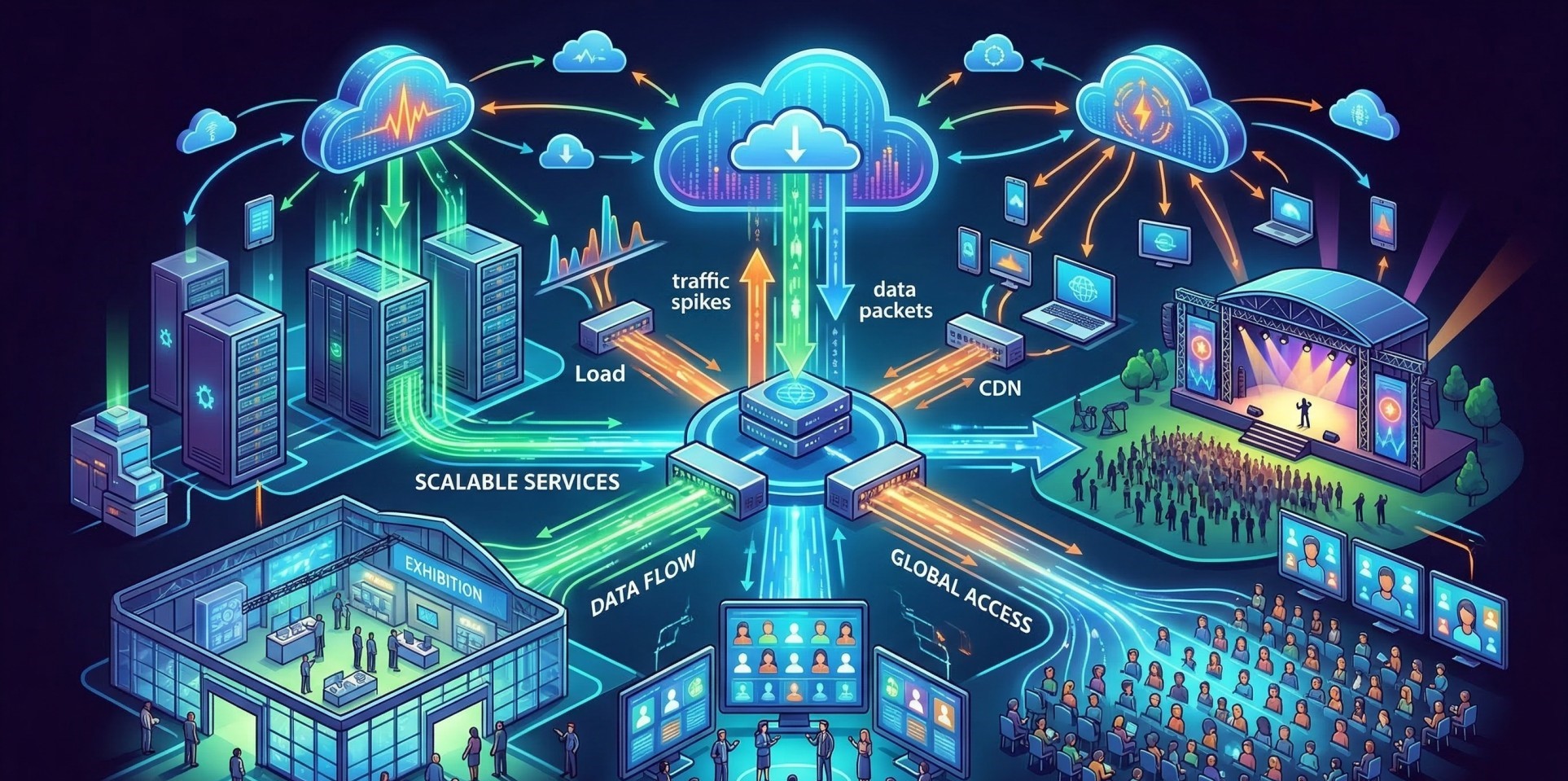
As digital events, live experiences, and large-scale online platforms continue to grow globally, organizations must ensure their cloud infrastructure can handle unpredictable traffic, high user demand, and real-time interactions. Effective cloud scaling strategies enable businesses to maintain performance, reliability, and availability during peak event periods. A scalable cloud architecture not only improves user experience but also ensures operational continuity across global audiences.
Step 1: Understanding Event Traffic Patterns 🌍
• Analyze expected user traffic and participation trends 📊
• Identify peak usage periods during global events ⏱️
• Forecast bandwidth, storage, and compute requirements ☁️
• Prepare for sudden traffic spikes and unpredictable demand 🚀
• Align infrastructure planning with event scale and audience reach 🌐
Step 2: Leveraging Auto-Scaling Infrastructure ⚙️
• Implement auto-scaling to dynamically adjust resources 🔄
• Scale compute instances based on real-time workload demands 📈
• Reduce manual intervention during traffic surges 🤖
• Maintain application performance under heavy loads ⚡
• Optimize resource allocation for cost efficiency 💰
Step 3: Utilizing Multi-Region Cloud Deployment 🌐
• Deploy infrastructure across multiple geographic regions 🌍
• Reduce latency for global users through localized access ⚡
• Improve system availability through regional redundancy 🛡️
• Balance workloads across distributed cloud environments 🔀
• Ensure continuous service during regional outages 🔄
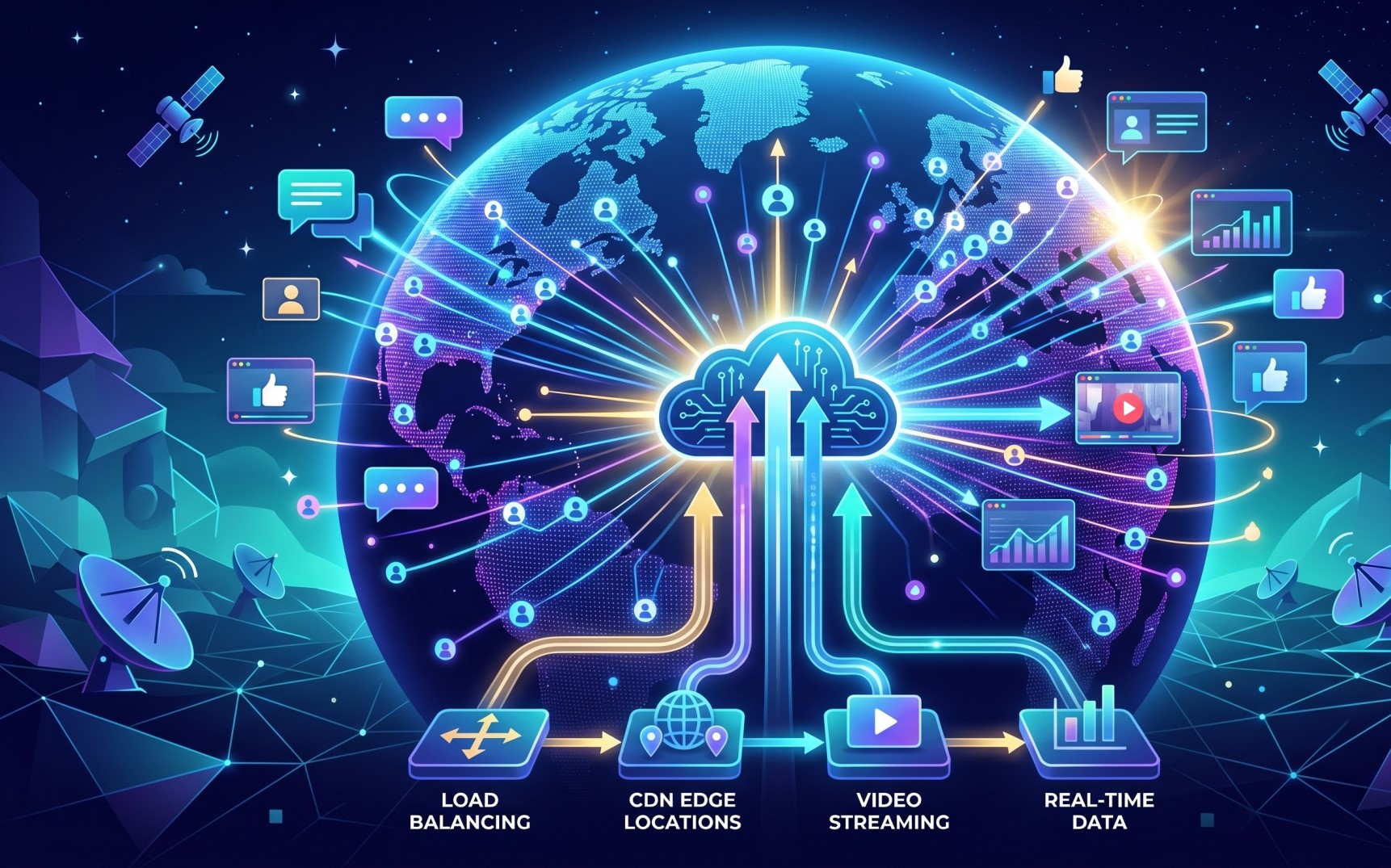
Step 4: Implementing Load Balancing Strategies 🔗
• Distribute incoming traffic across multiple servers ⚖️
• Prevent overload on individual infrastructure components 🚫
• Improve application responsiveness and uptime ⏱️
• Enable intelligent routing based on traffic conditions 🧠
• Support high availability during peak event traffic 📡
Step 5: Optimizing Content Delivery Networks (CDNs) 📦
• Use CDNs to cache and deliver content closer to users 🌍
• Reduce latency for streaming, media, and static assets ⚡
• Improve global content accessibility and performance 📺
• Minimize bandwidth consumption on origin servers 📉
• Support seamless experiences for international audiences 🌐
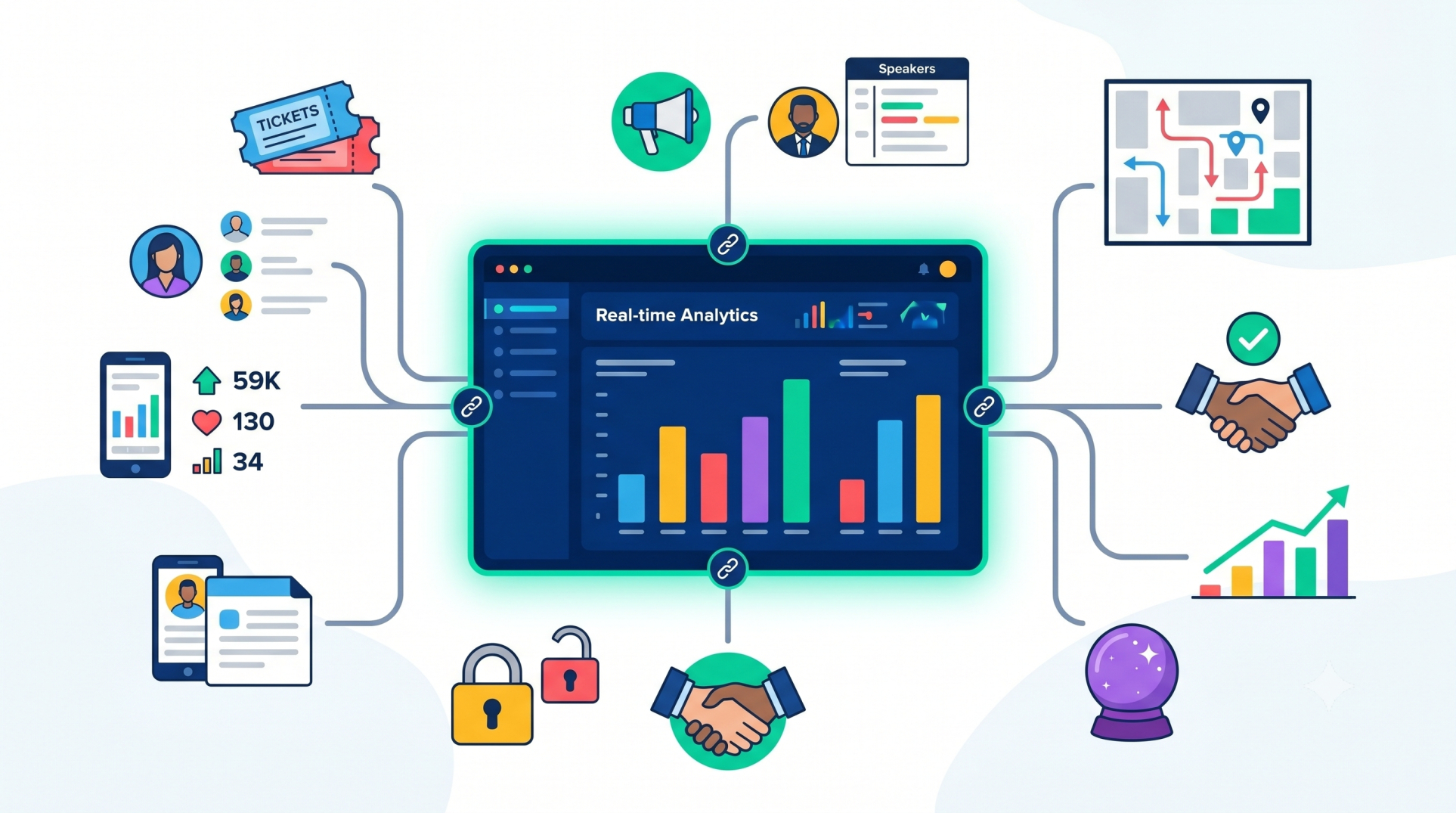
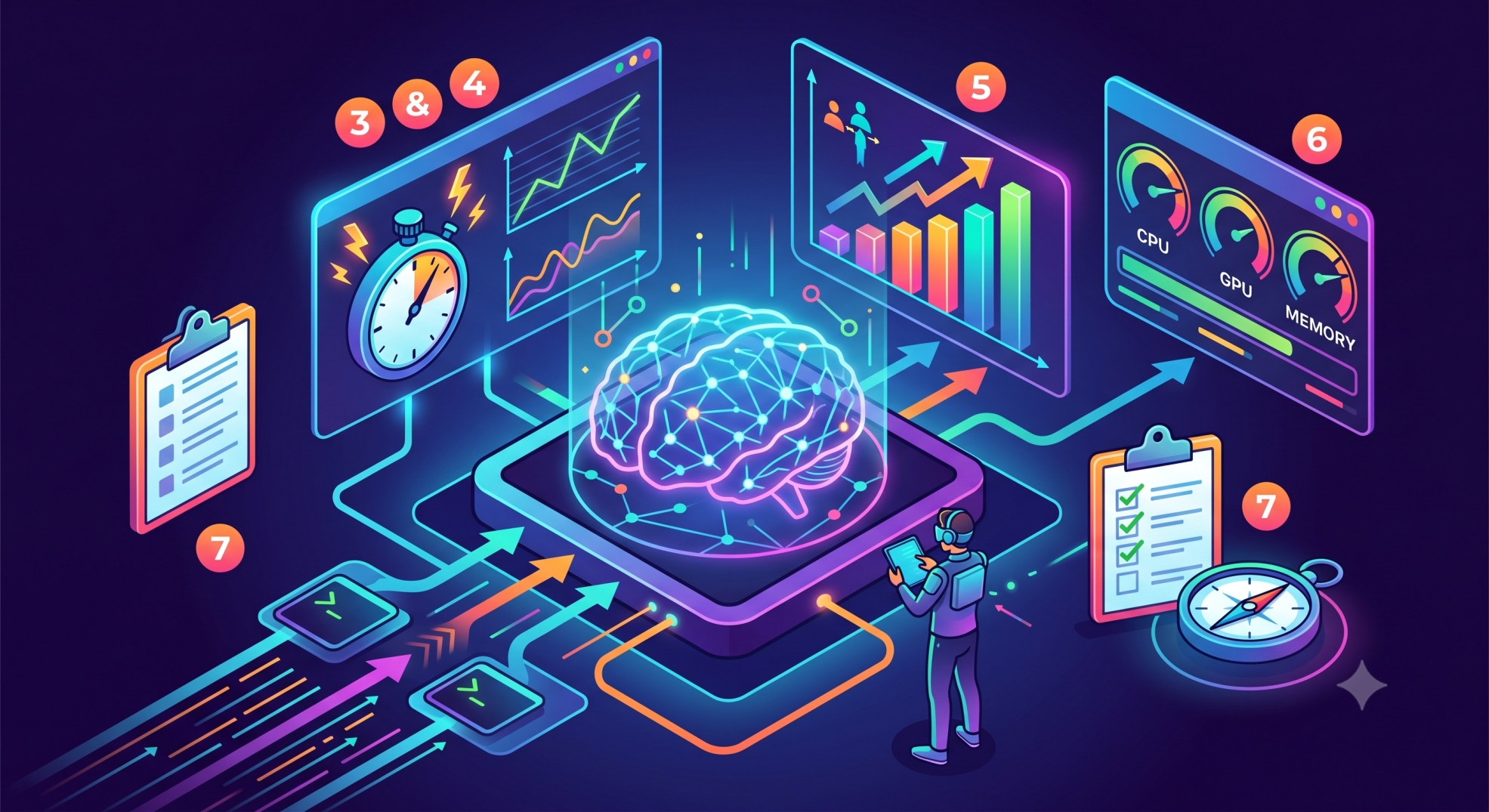
Step 6: Real-Time Monitoring and Performance Analytics 📊
• Monitor infrastructure health and application performance continuously 👀
• Track system metrics such as CPU, memory, and network usage 📈
• Detect anomalies before they impact users 🚨
• Enable proactive scaling decisions through live analytics 🧠
• Maintain operational visibility across all cloud environments 🔍
Step 7: Strengthening Reliability and Disaster Recovery 🛡️
• Implement backup and failover strategies across regions 🔄
• Ensure rapid recovery during infrastructure failures ⚠️
• Replicate critical workloads for business continuity 📂
• Minimize downtime through automated recovery mechanisms 🤖
• Maintain consistent availability during unexpected disruptions 🌐
Step 8: Key Cloud Scaling Priorities 📌
• High availability for global event participation 🌍
• Real-time scalability during traffic spikes 🚀
• Optimized performance and low latency ⚡
• Reliable infrastructure with strong disaster recovery 🛡️
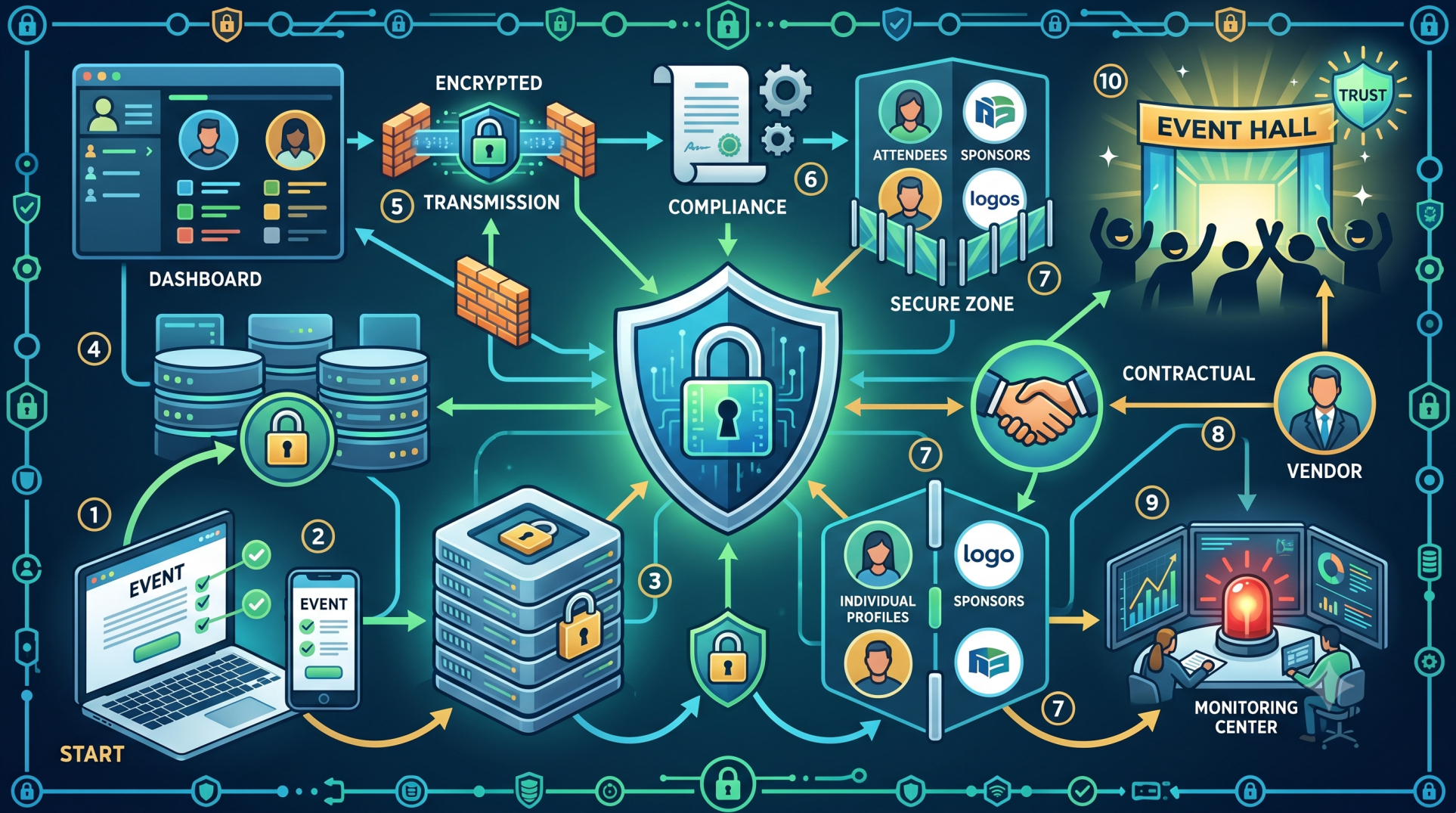
Step 9: Managing Security During Large-Scale Events 🔐
• Protect infrastructure from DDoS attacks and cyber threats 🚫
• Implement identity and access management controls 👤
• Encrypt sensitive data across cloud environments 🔒
• Monitor suspicious activity in real time 🚨
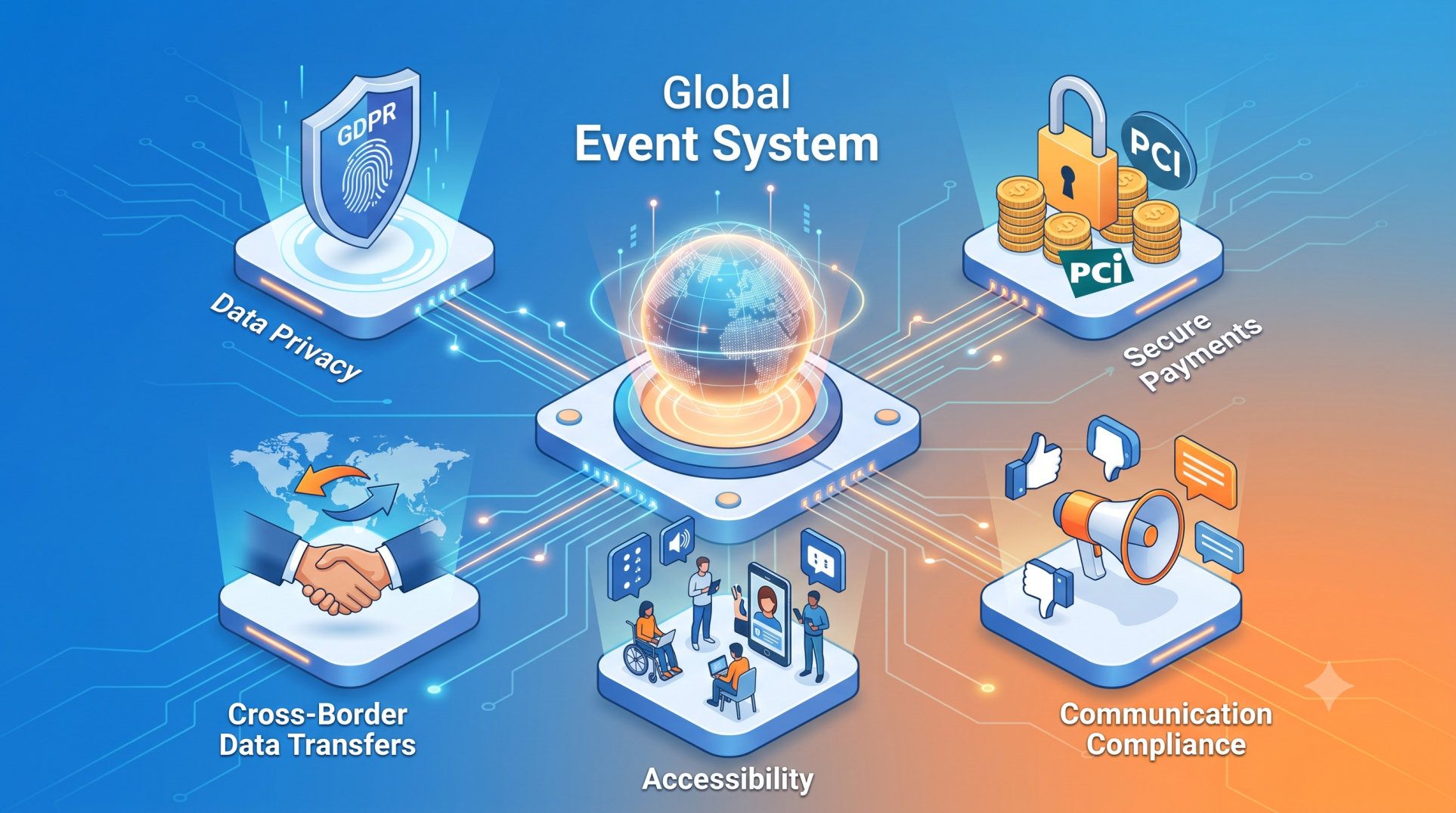
• Maintain compliance with global security standards 📜
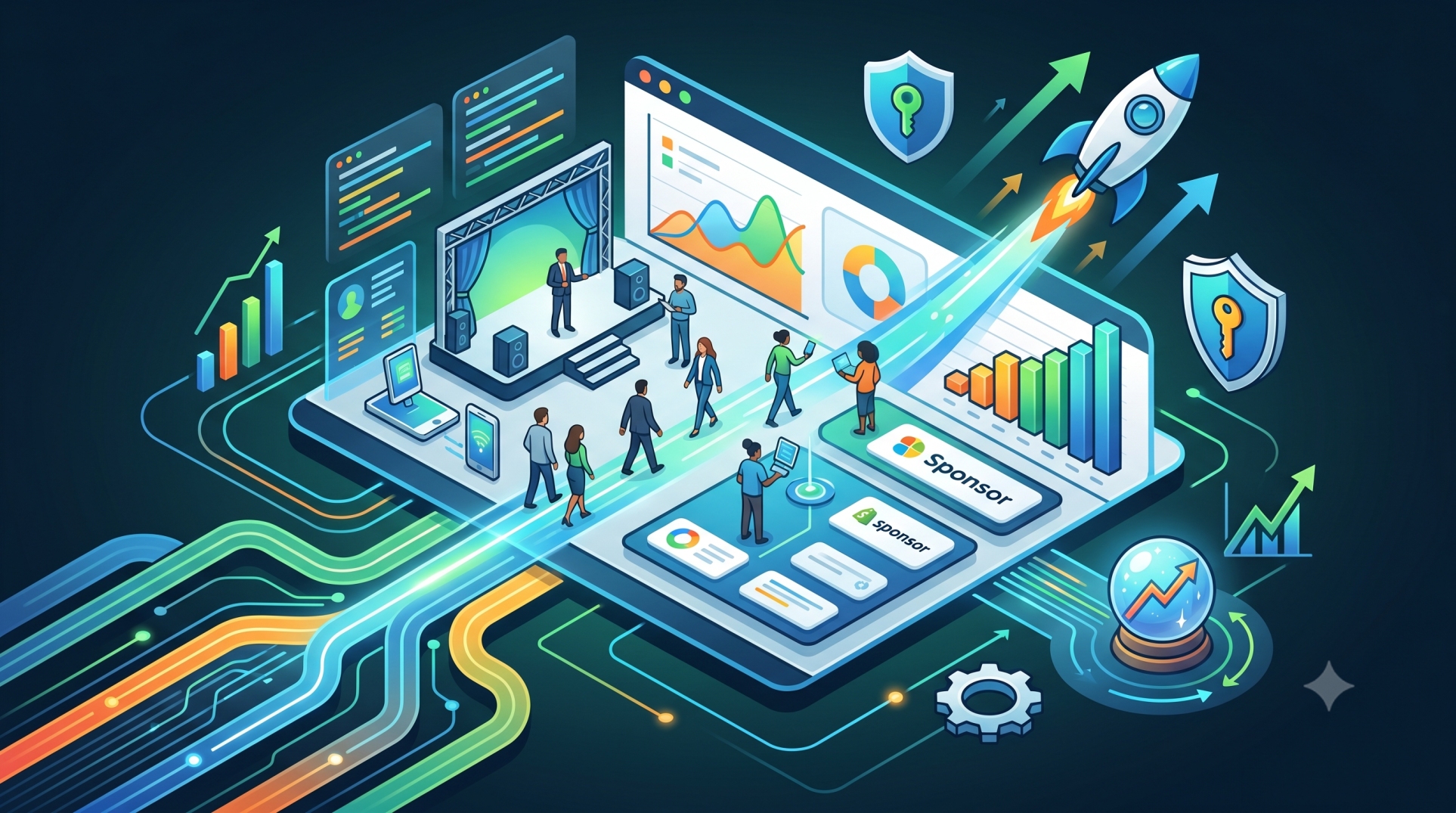
Step 10: Building a Future-Ready Cloud Ecosystem 🚀
• Design cloud architecture for long-term scalability 📈
• Support hybrid and multi-cloud deployment models ☁️
• Integrate AI-driven optimization and automation 🤖
• Continuously improve infrastructure based on event insights 🔄
• Prepare systems for evolving global digital experiences 🌐
Conclusion
Cloud scaling strategies are essential for supporting global events that demand high performance, reliability, and seamless user experiences. By combining auto-scaling, distributed infrastructure, intelligent monitoring, and strong security practices, organizations can ensure stable operations even during massive traffic surges. A scalable cloud ecosystem not only supports current event demands but also prepares businesses for future digital growth and innovation.
See more blogs
You can all the articles below

















































Ready to Find Your Perfect Solution?
Let us show you how Event Software can transform your events

AI-powered event management platform that helps you create stunning events .