
Behavioral Data Modeling in Event Platforms
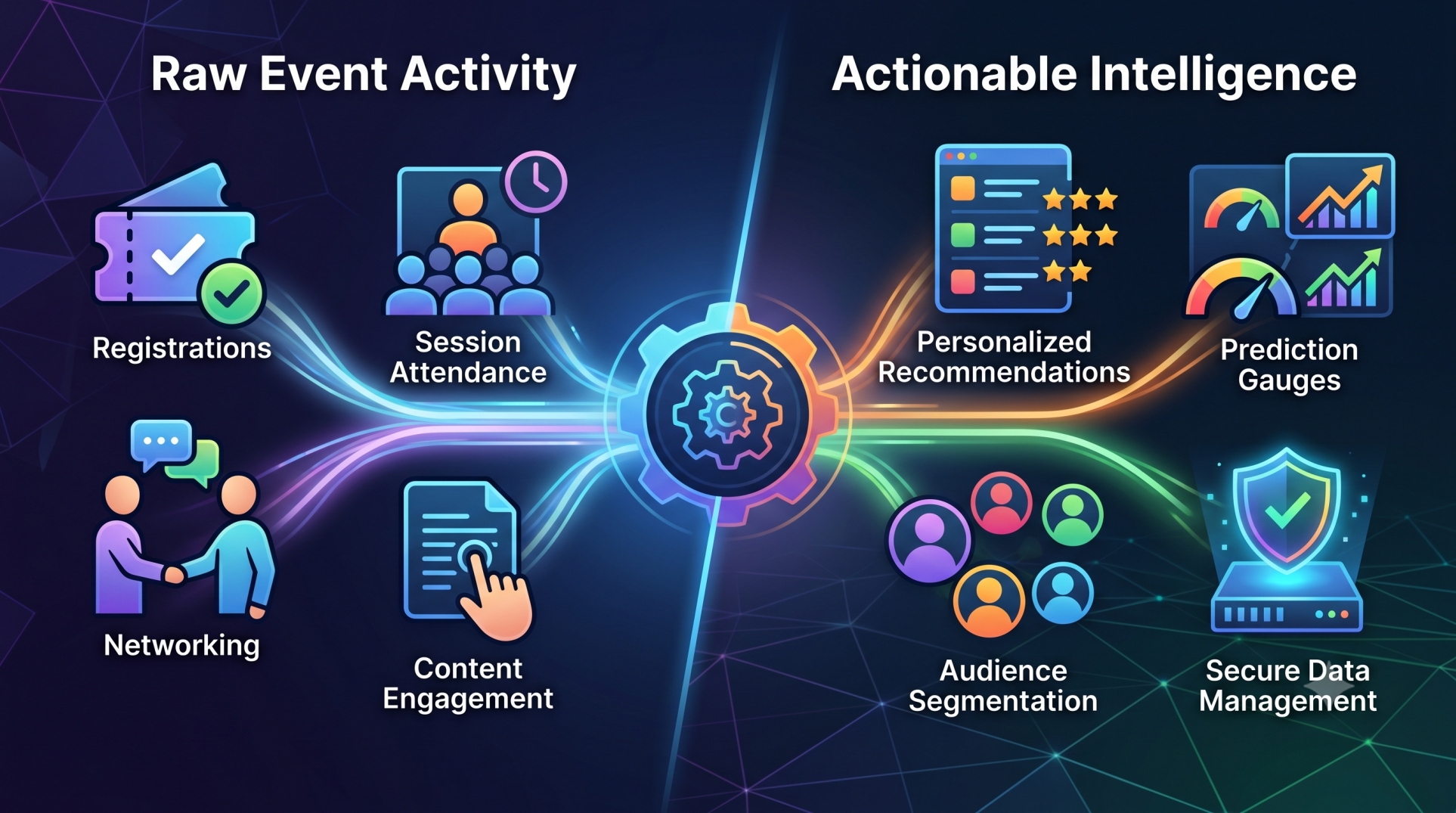
Behavioral Data Modeling in Event Platforms
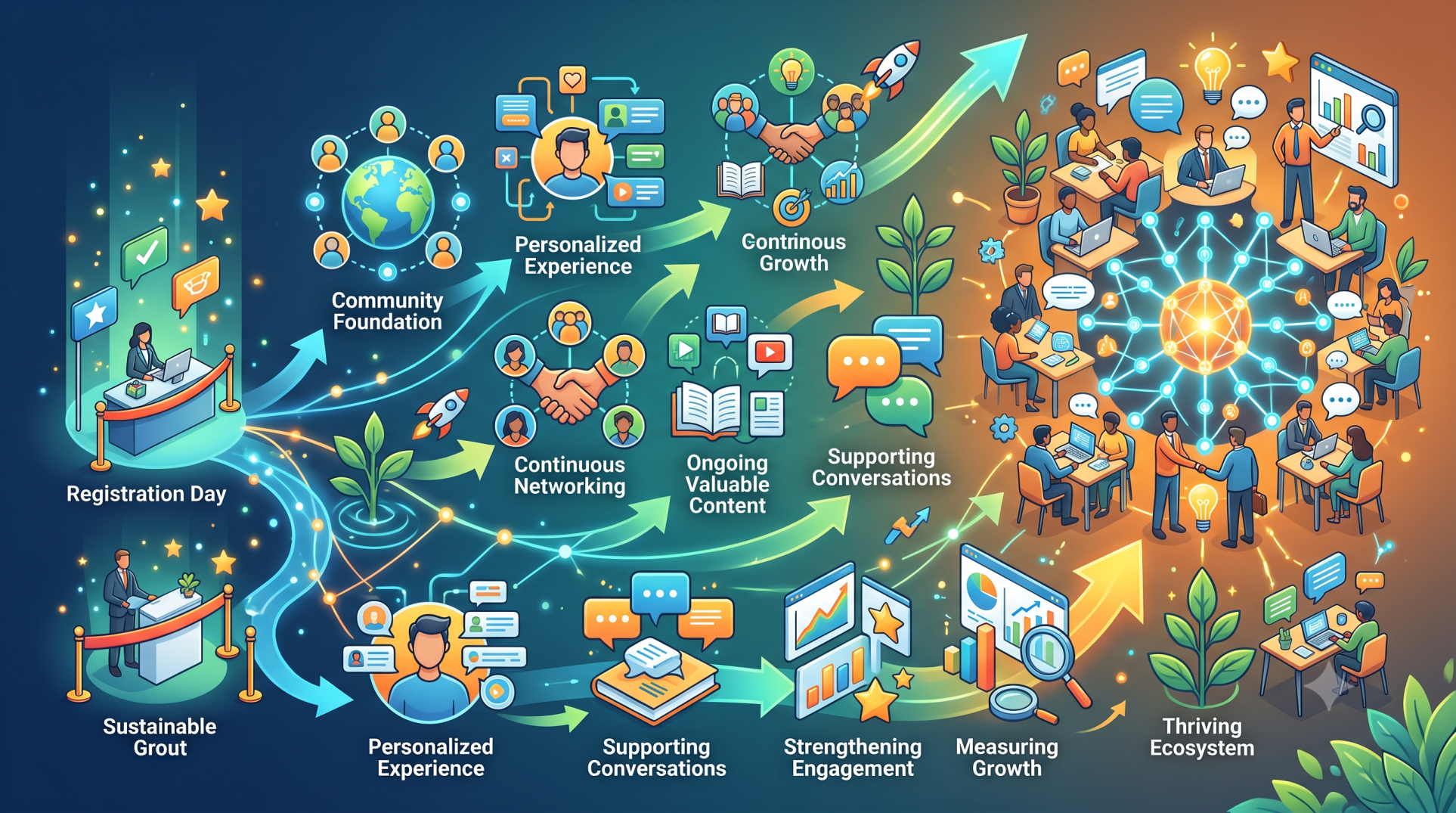
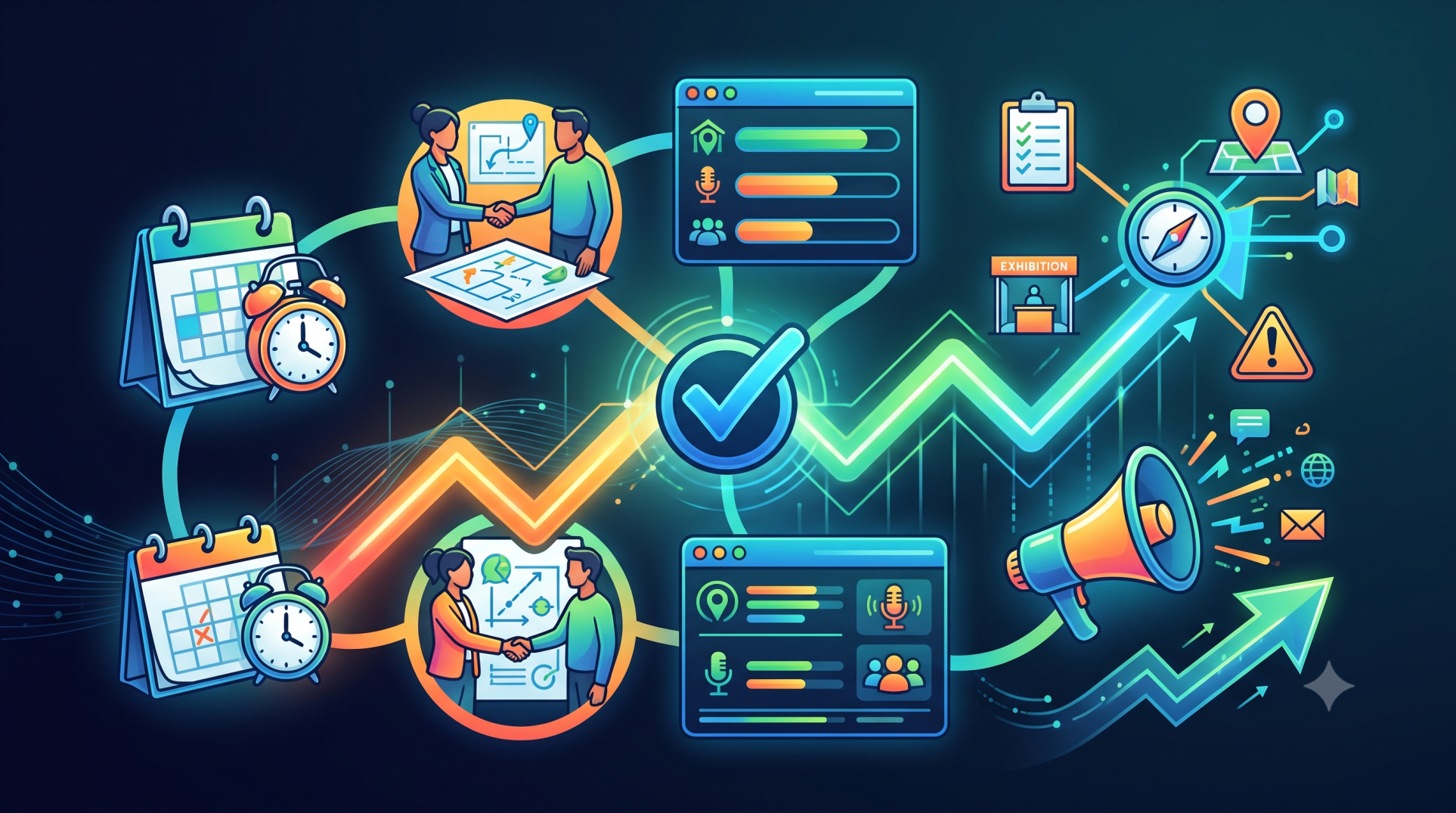
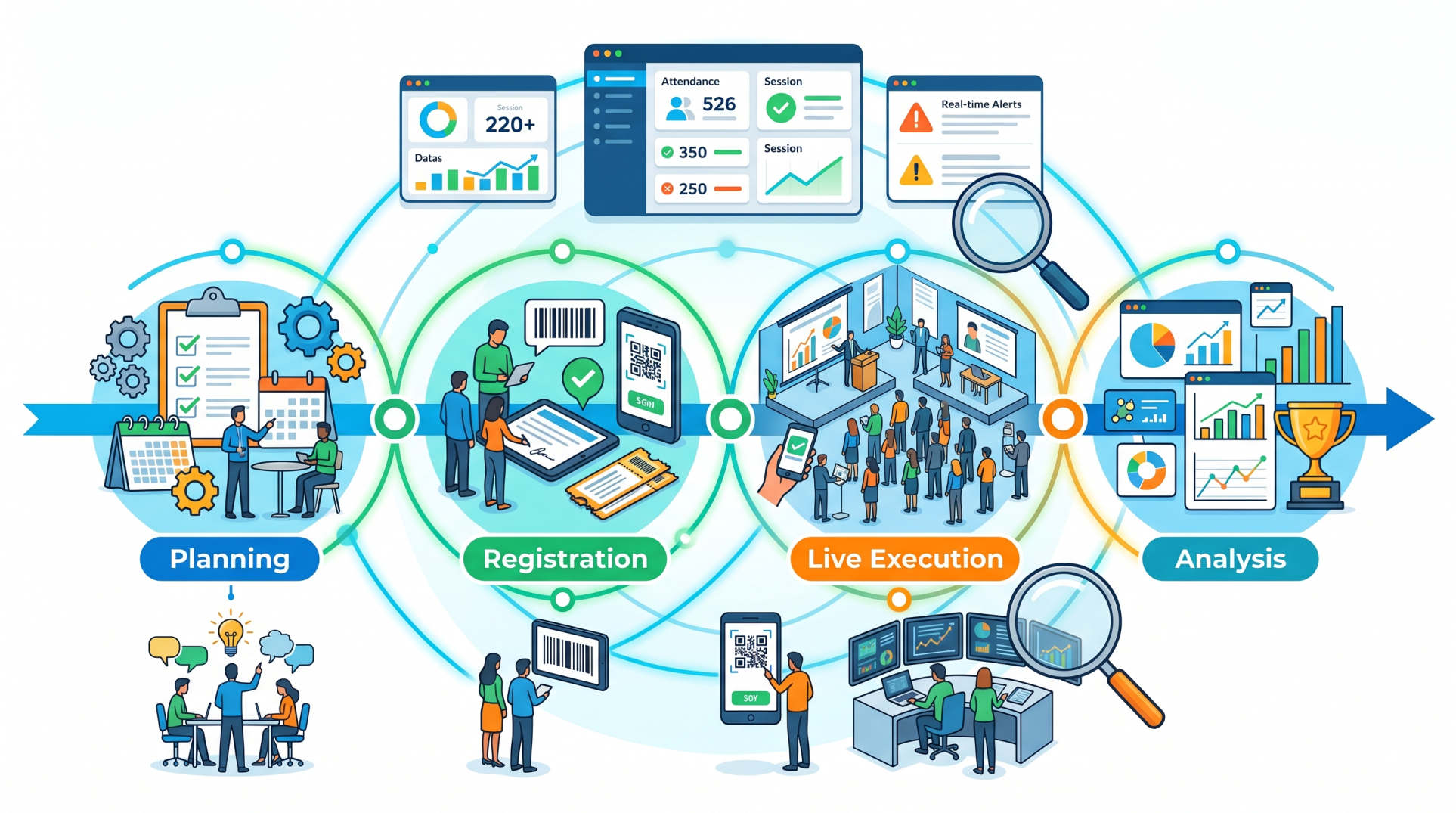
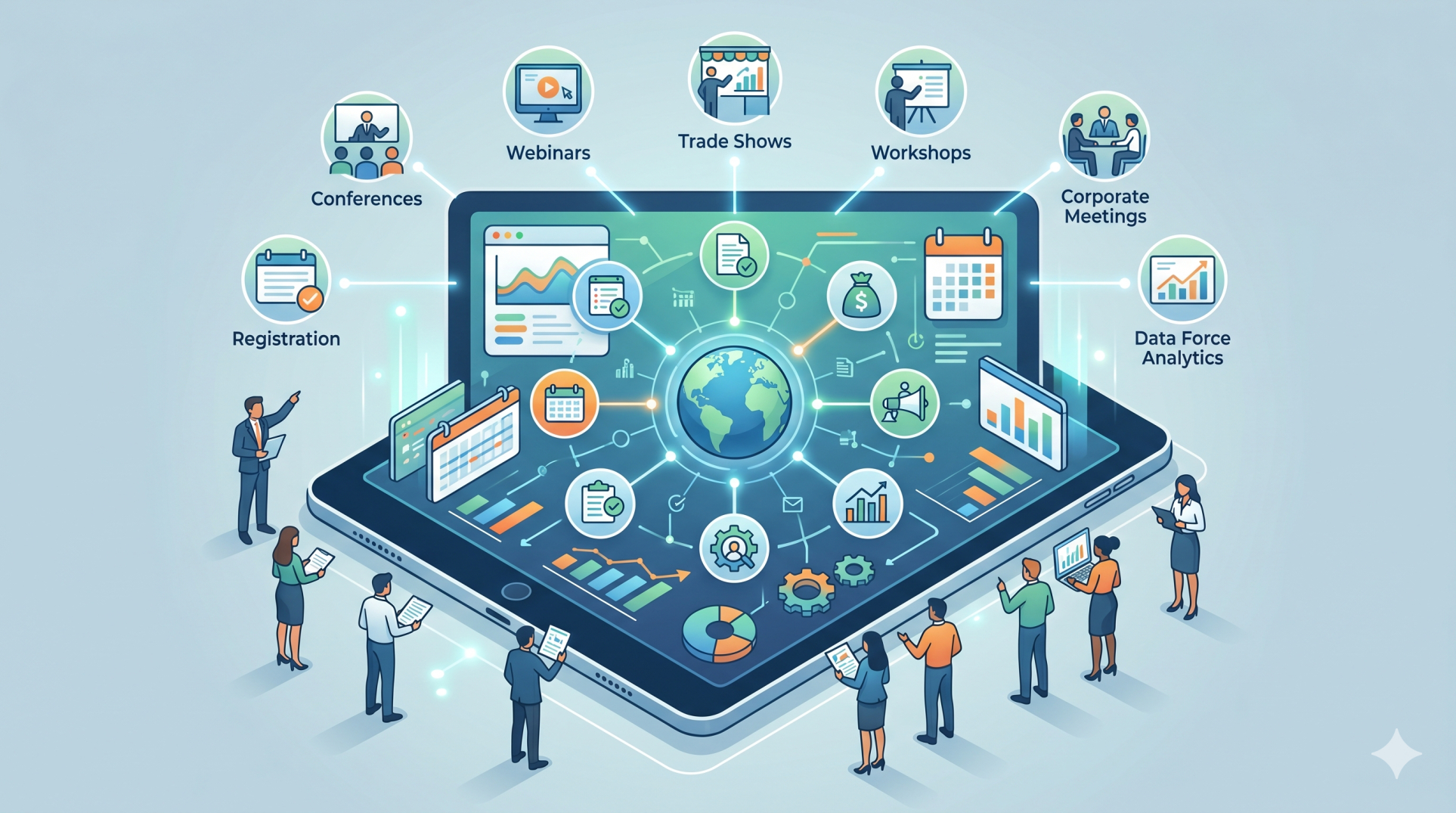
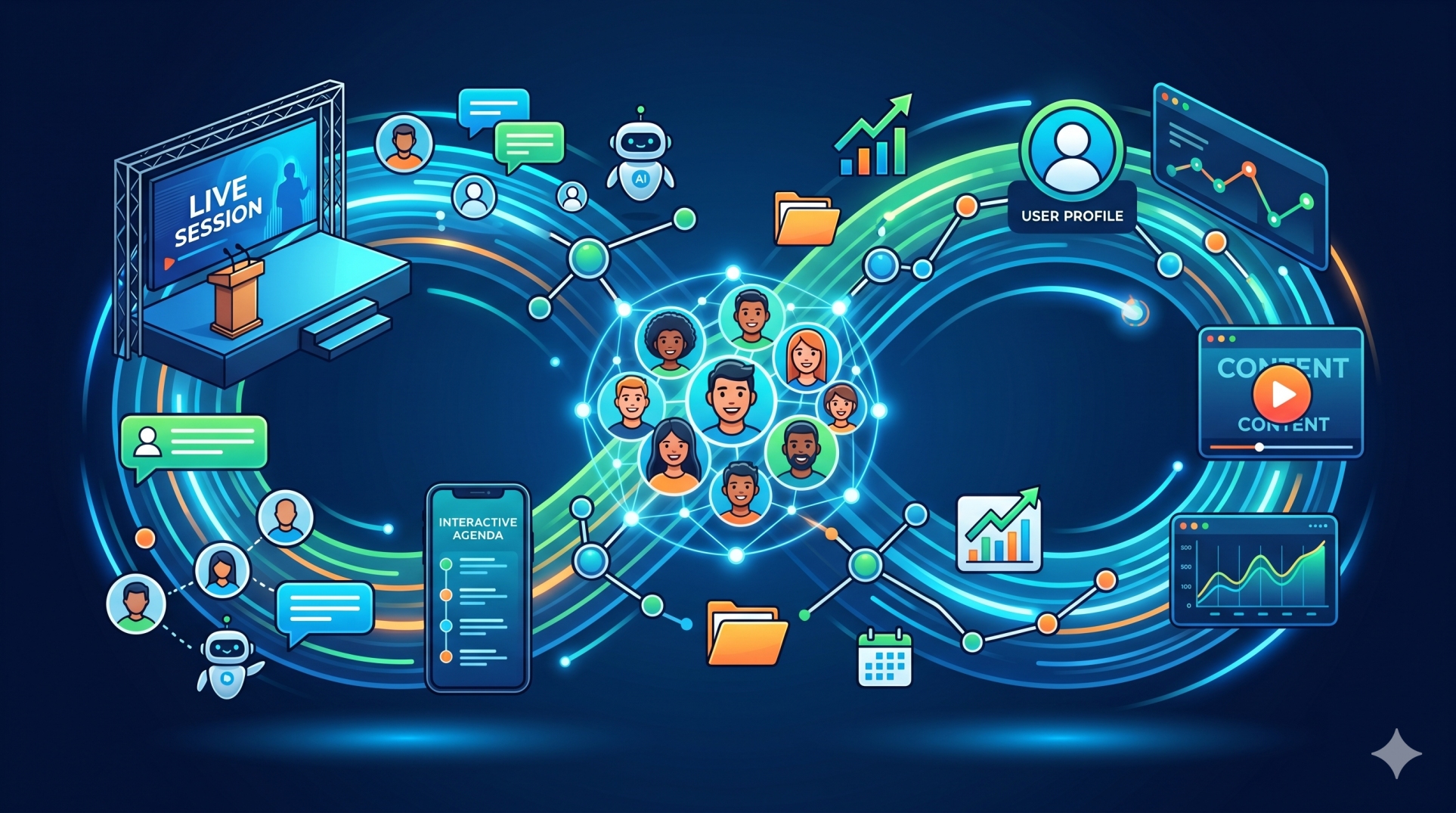
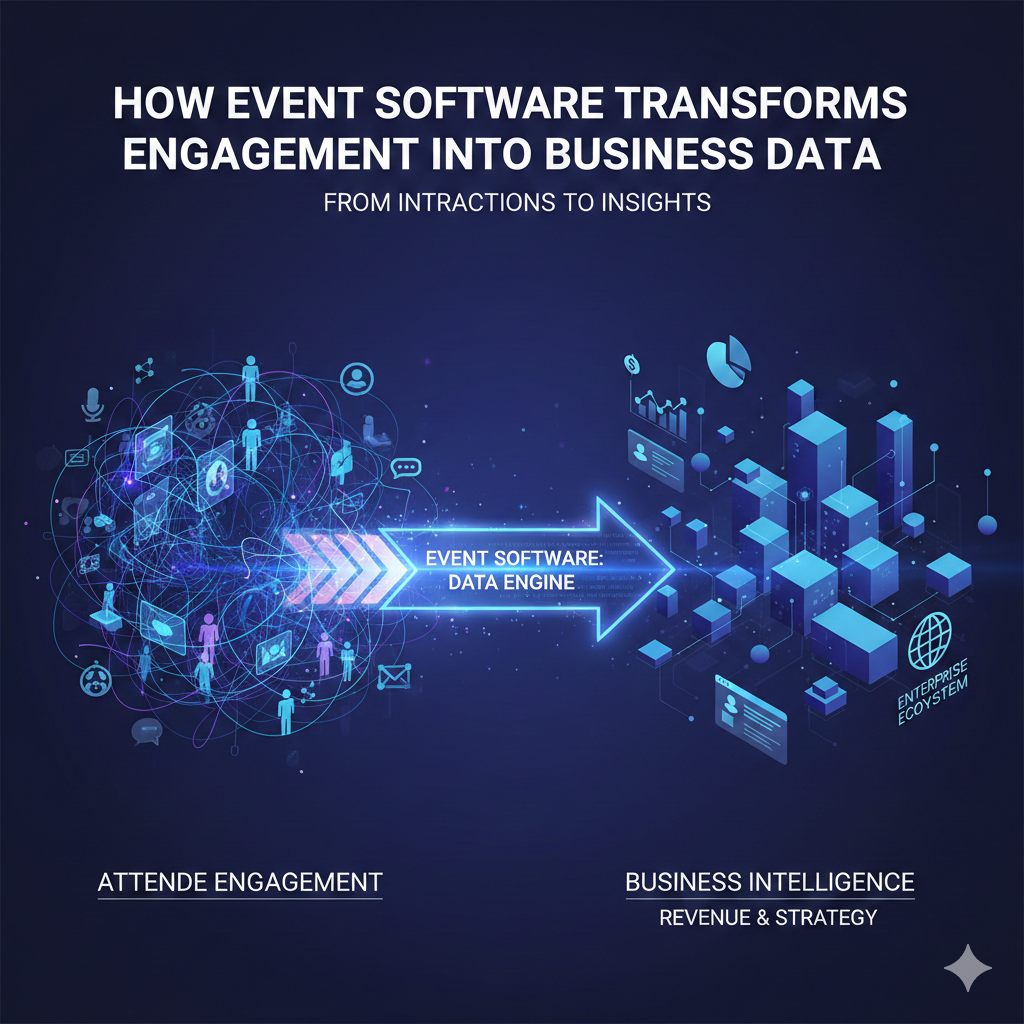
Modern event platforms generate enormous volumes of behavioral data from attendees, exhibitors, sponsors, and organizers. Every interaction—registrations, session attendance, networking activity, content engagement, and real-time participation—provides valuable insights into user behavior. Behavioral Data Modeling enables event platforms to transform this raw activity into actionable intelligence that improves personalization, engagement, operational planning, and business outcomes.
Step 1: Understanding Behavioral Data Modeling 🧠
• Behavioral data modeling analyzes how users interact within event ecosystems 📊
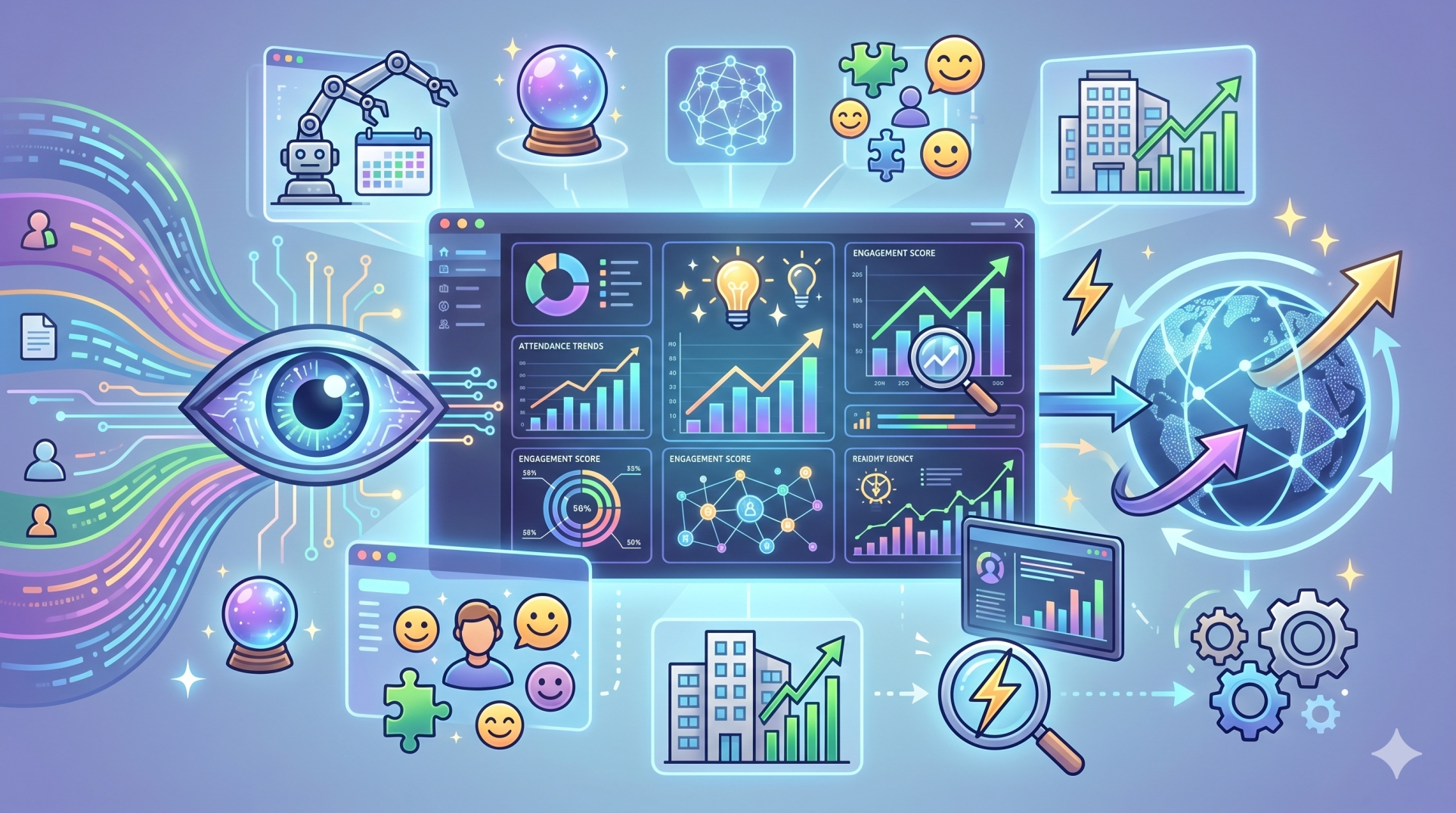
• It transforms raw activity data into structured behavioral insights 🔍
• Models help identify attendee interests, preferences, and engagement patterns 🎯
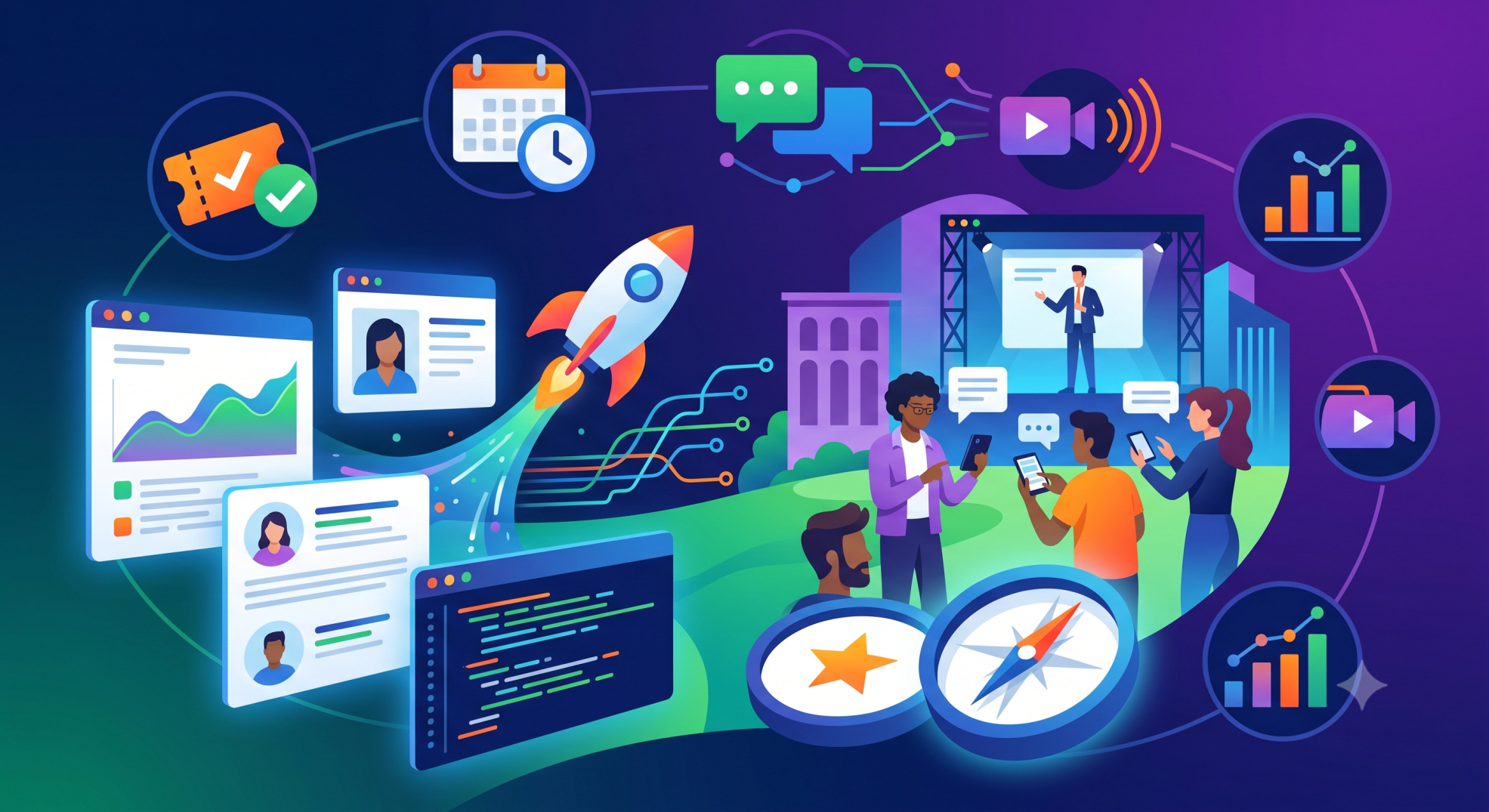
• Supports personalized experiences across digital and hybrid events 🌐
• Enables data-driven decision-making for organizers and stakeholders ✅
Step 2: Collecting Behavioral Event Data 📥
• Capture attendee registrations, logins, and profile activity 📝
• Track session attendance and viewing duration ⏱️
• Monitor networking interactions and meeting participation 🤝
• Record content engagement such as downloads and clicks 📄
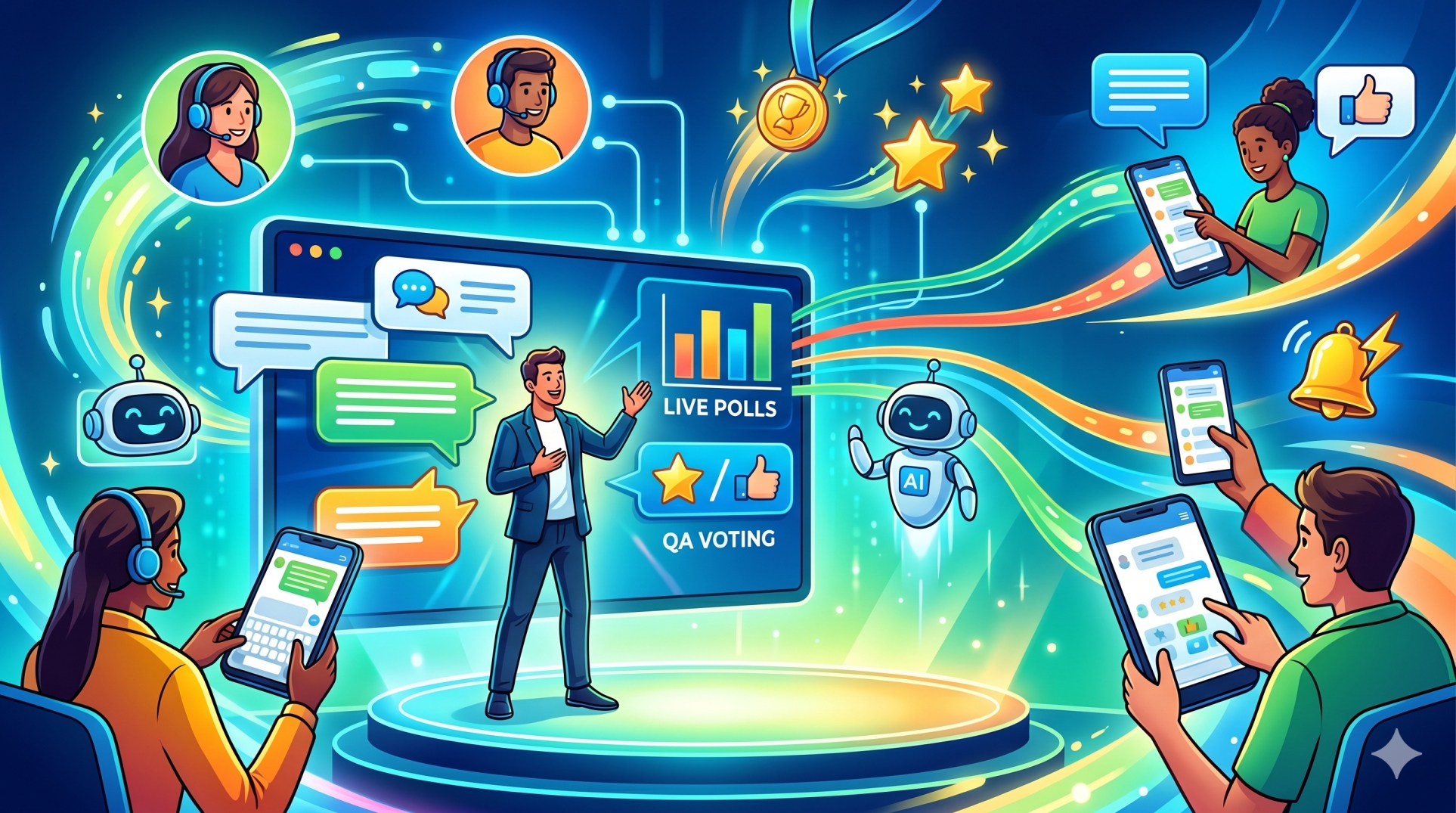
• Collect real-time engagement signals from polls, chats, and Q&A 💬
Step 3: Structuring and Organizing Data 🗂️
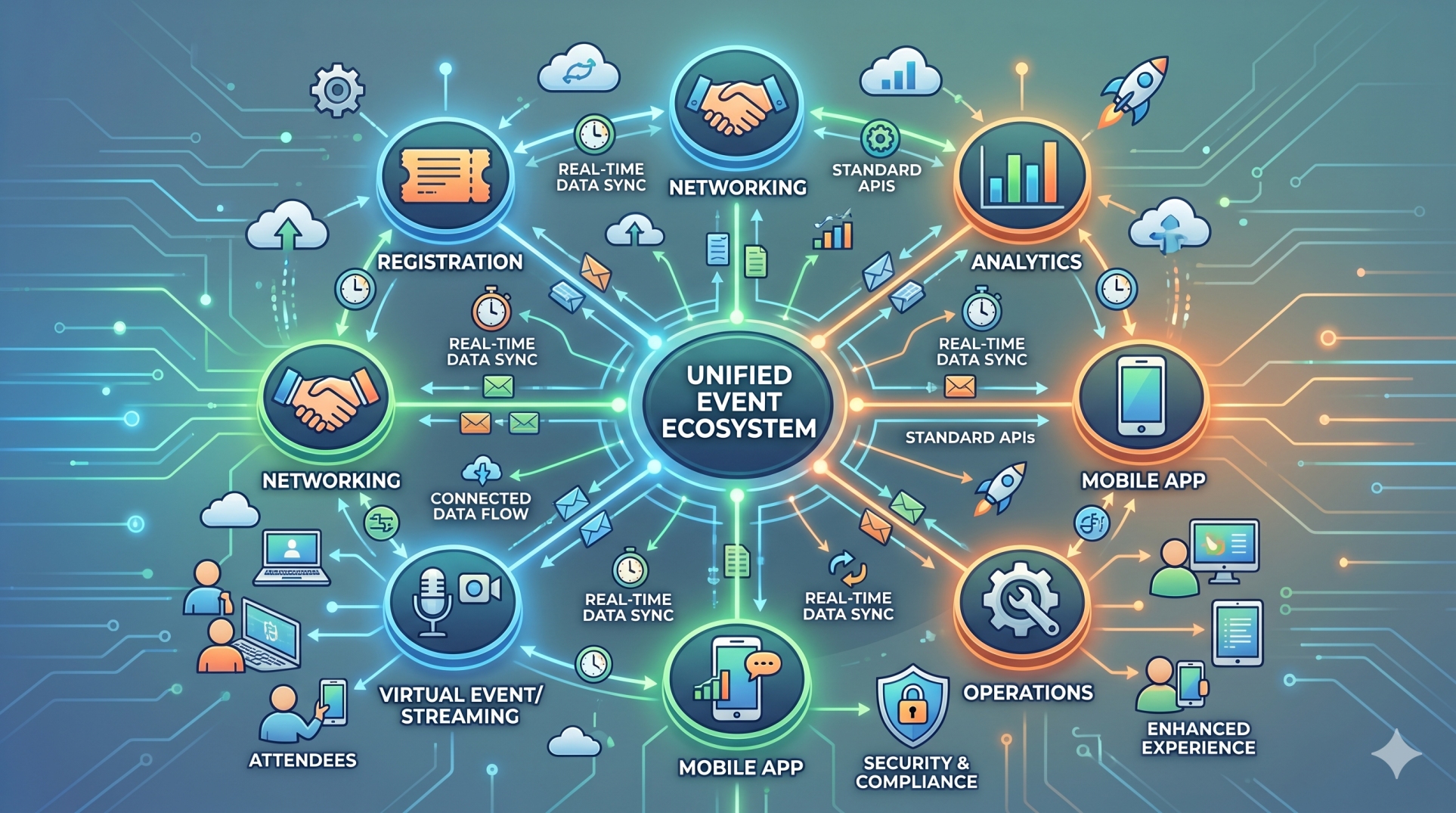
• Standardize data formats across event systems 📐
• Organize user activity into unified behavioral profiles 👤
• Categorize interactions by event type, session, or engagement level 🏷️
• Build centralized data repositories for analytics 🏢
• Ensure consistent tagging and metadata management 🔖
Step 4: Building Behavioral Profiles 👥
• Create attendee personas based on participation patterns 🧩
• Identify interests through session and content engagement 🎥
• Track networking preferences and communication behavior 📡
• Analyze repeat attendance and loyalty trends 🔄
• Continuously refine profiles using real-time activity updates ⚡
Step 5: Real-Time Engagement Analysis 📡
• Monitor attendee engagement during live sessions 🎤
• Detect participation trends and interaction spikes 📈
• Identify disengaged users for proactive engagement strategies 🚨
• Analyze audience sentiment through polls and chat activity 💭
• Enable instant operational adjustments during events 🔄
Step 6: Personalization and Recommendation Engines 🎯
• Recommend relevant sessions based on attendee behavior 📚
• Personalize agendas and event schedules automatically 🗓️
• Suggest networking opportunities using shared interests 🤝
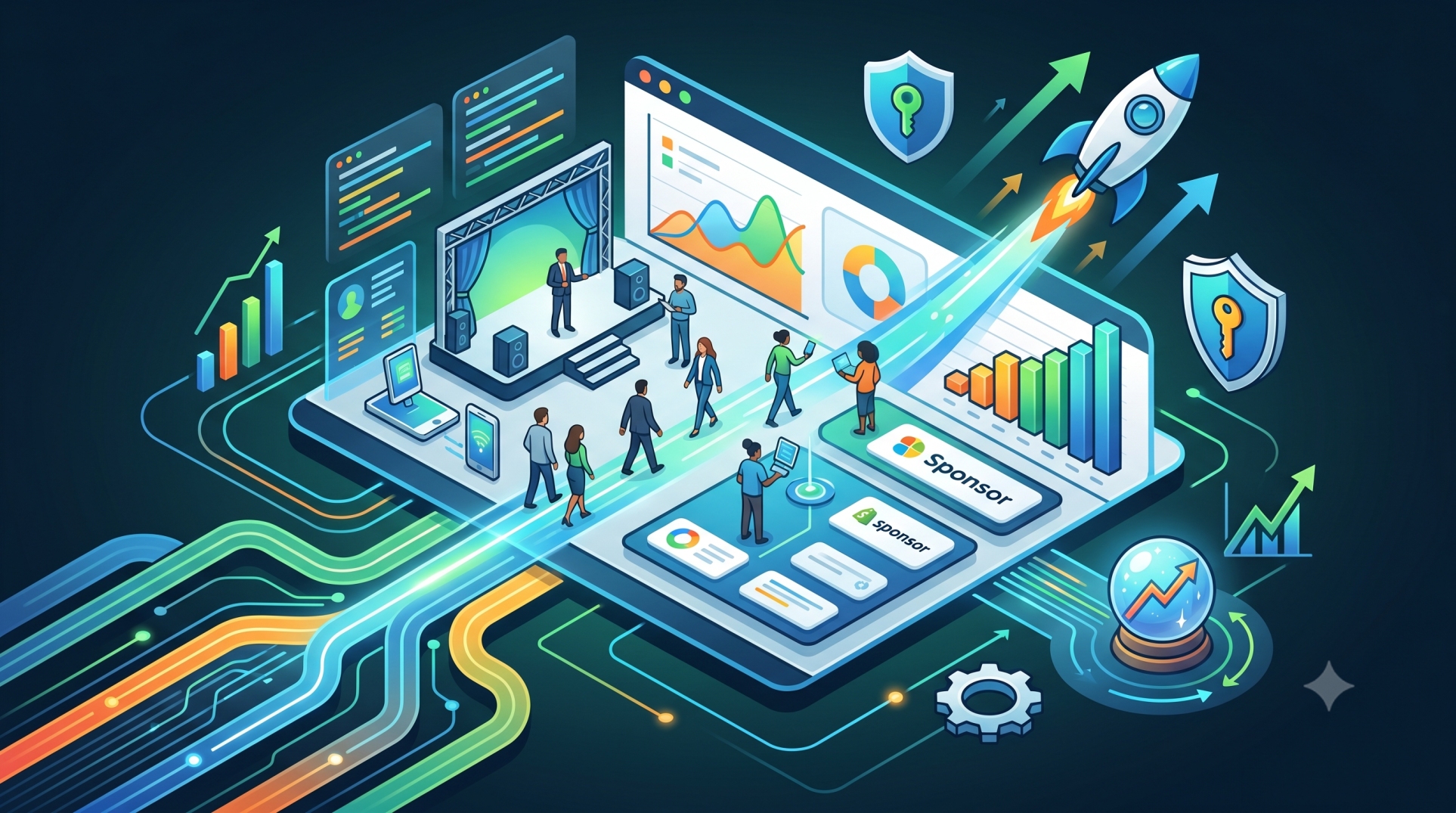
• Deliver targeted sponsor and exhibitor recommendations 🏢
• Improve attendee experience through adaptive content delivery ✨
Step 7: Predictive Analytics and Forecasting 🔮
• Predict attendee interests and future participation trends 📊
• Forecast session popularity and capacity requirements 🏟️
• Identify high-value attendees and engagement opportunities 💡
• Support sponsor ROI analysis through behavioral insights 💰
• Enable proactive planning for future events 🚀
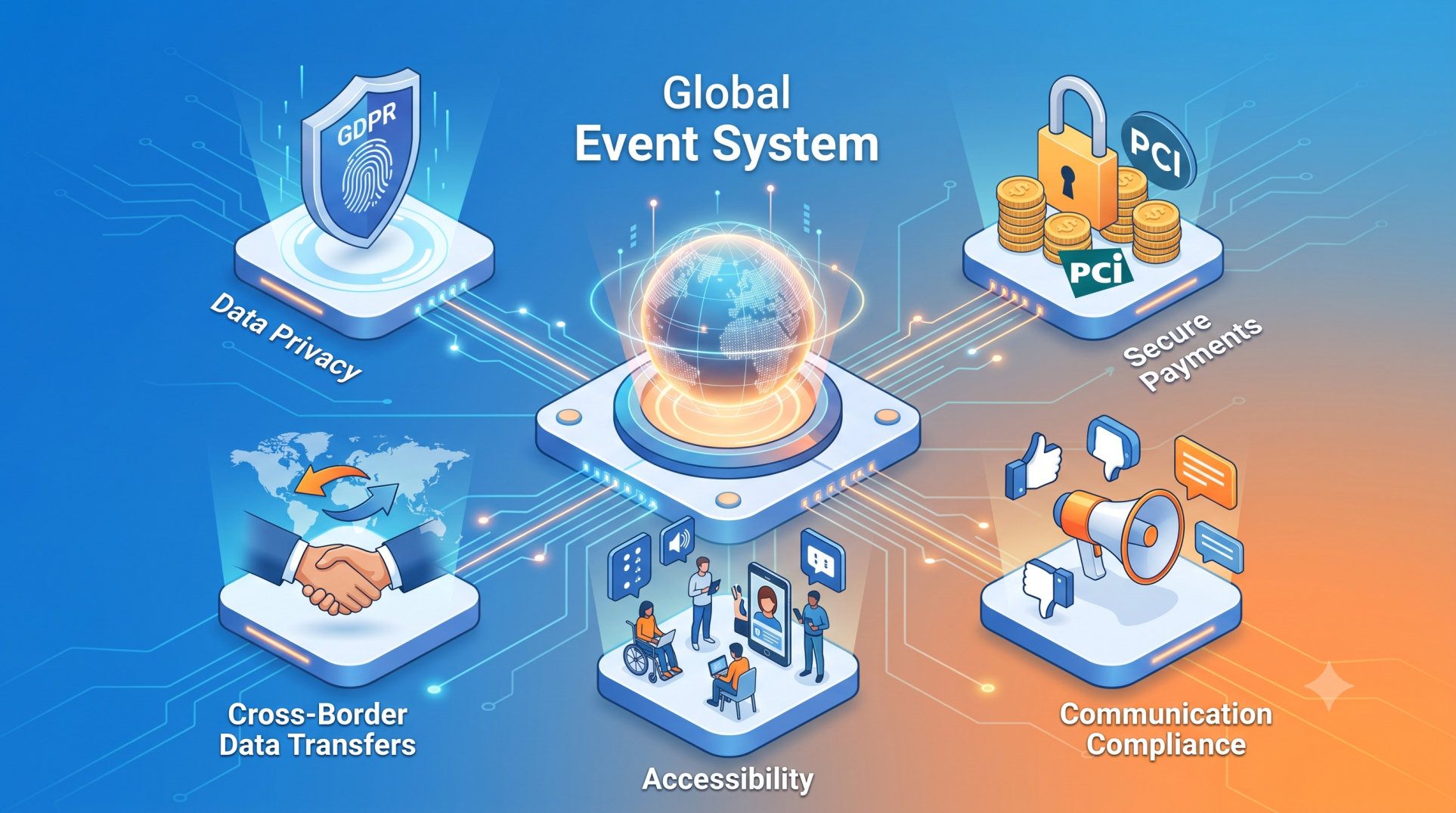
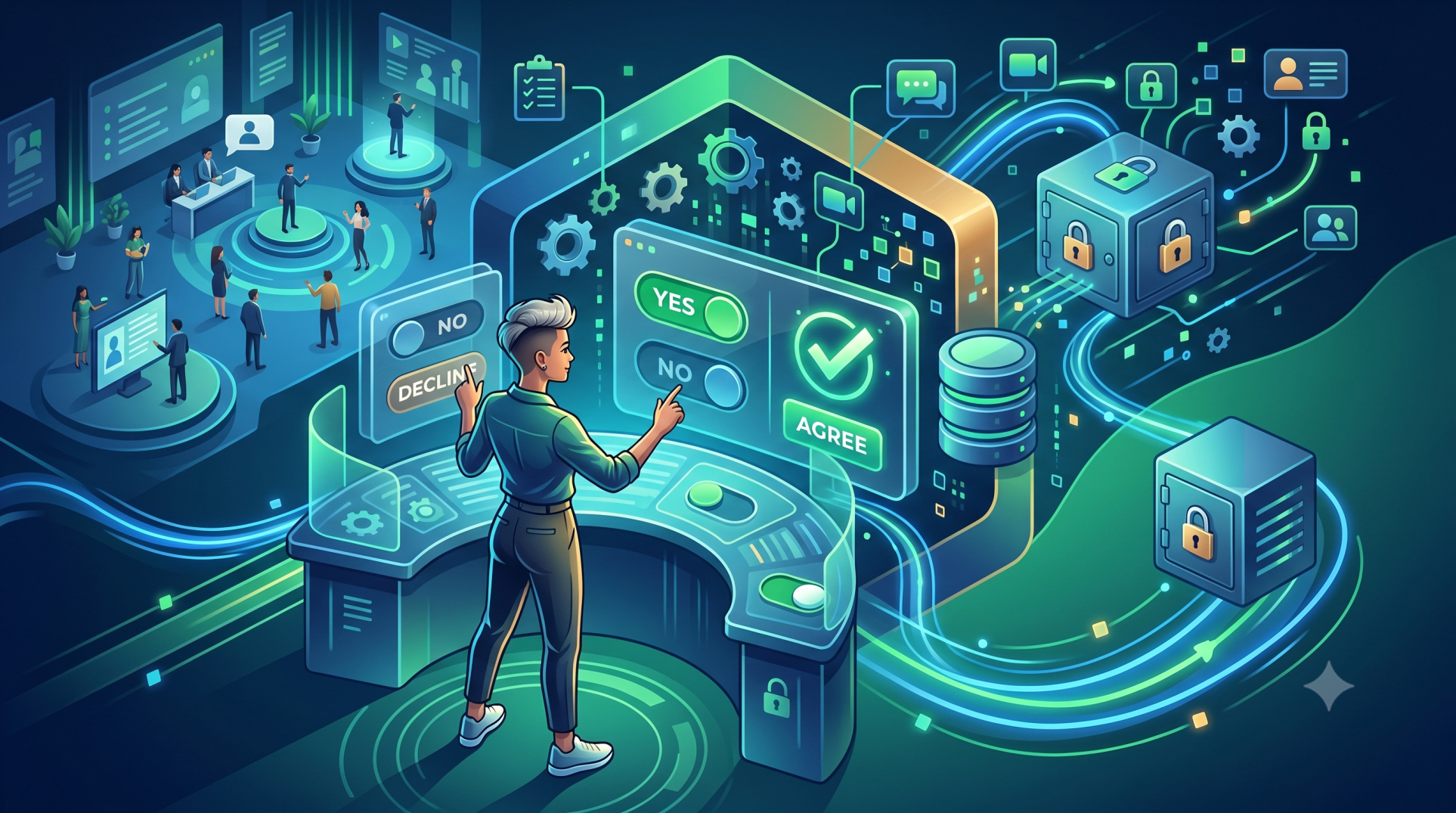
Step 8: Privacy, Security, and Compliance 🔐
• Protect attendee behavioral data through secure infrastructure 🛡️
• Apply consent management and data privacy controls 📜
• Ensure compliance with data protection regulations ⚖️
• Limit unauthorized access to sensitive behavioral information 🚫
• Maintain transparency in data collection and usage policies 👁️
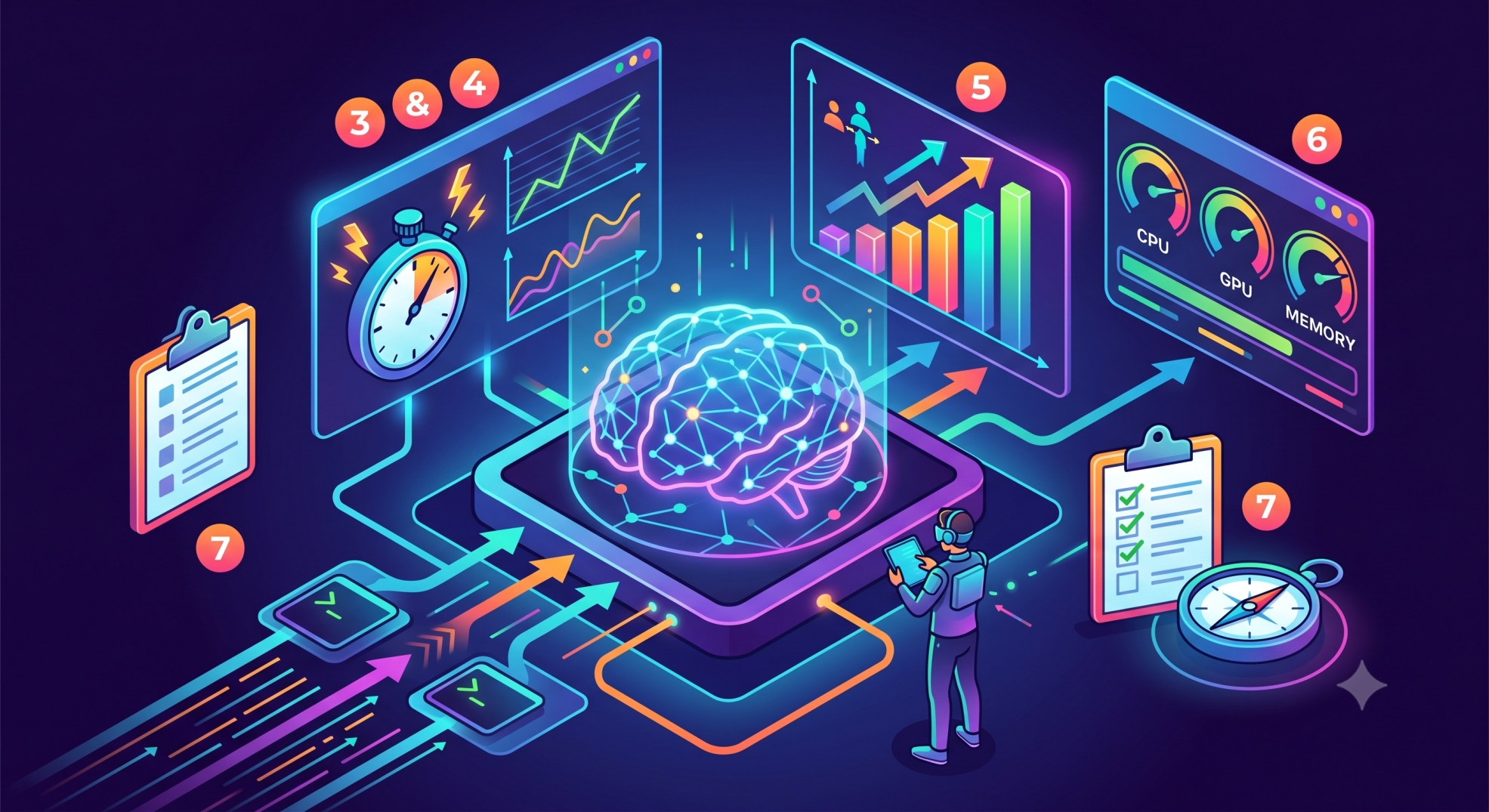
Step 9: Performance Monitoring and Optimization ⚙️
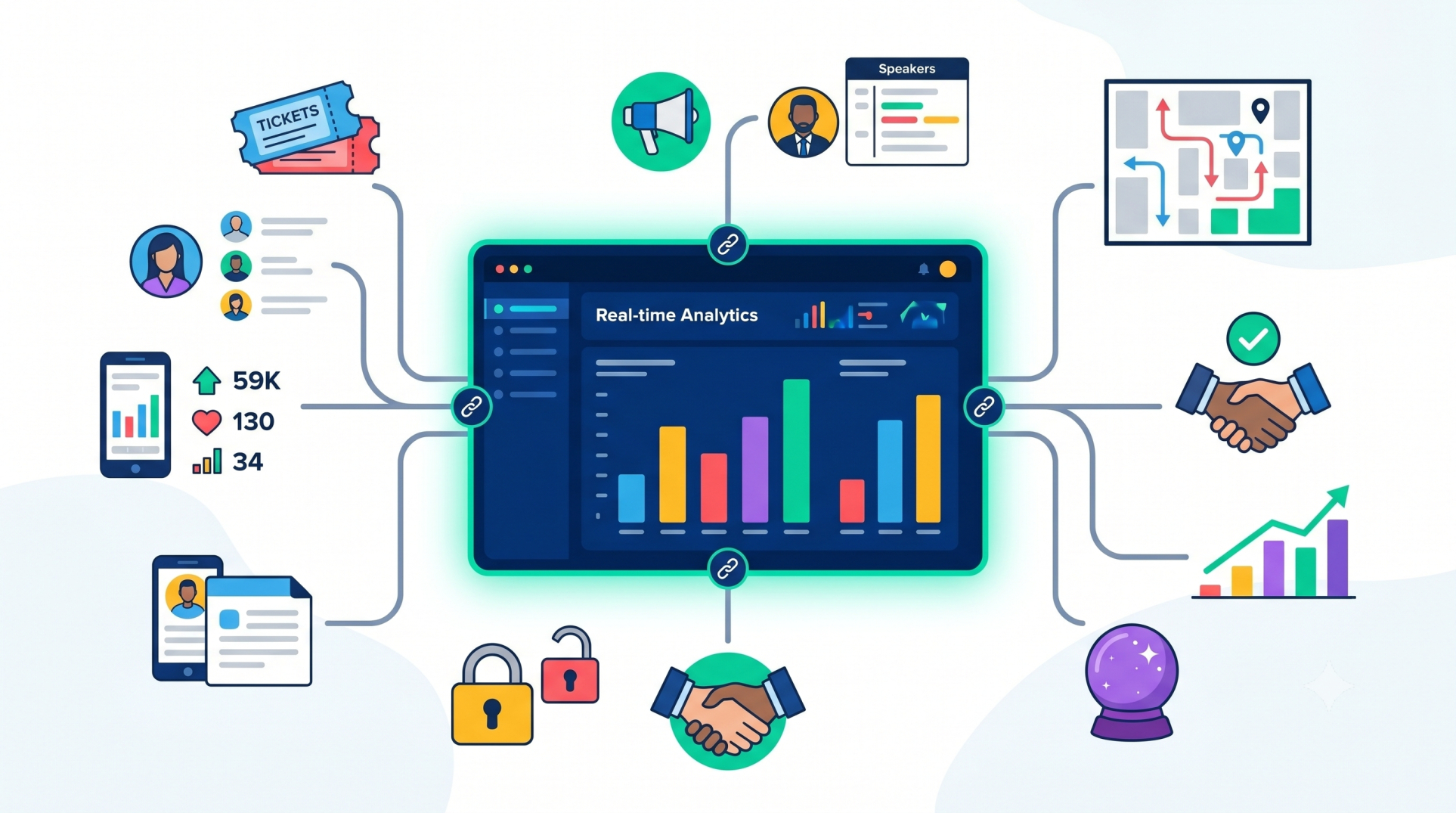
• Measure engagement rates across sessions and activities 📈
• Identify bottlenecks in attendee interaction flows 🚧
• Analyze platform responsiveness and feature utilization 🖥️
• Optimize recommendation models for higher relevance 🎯
• Continuously improve engagement strategies through analytics 🔄
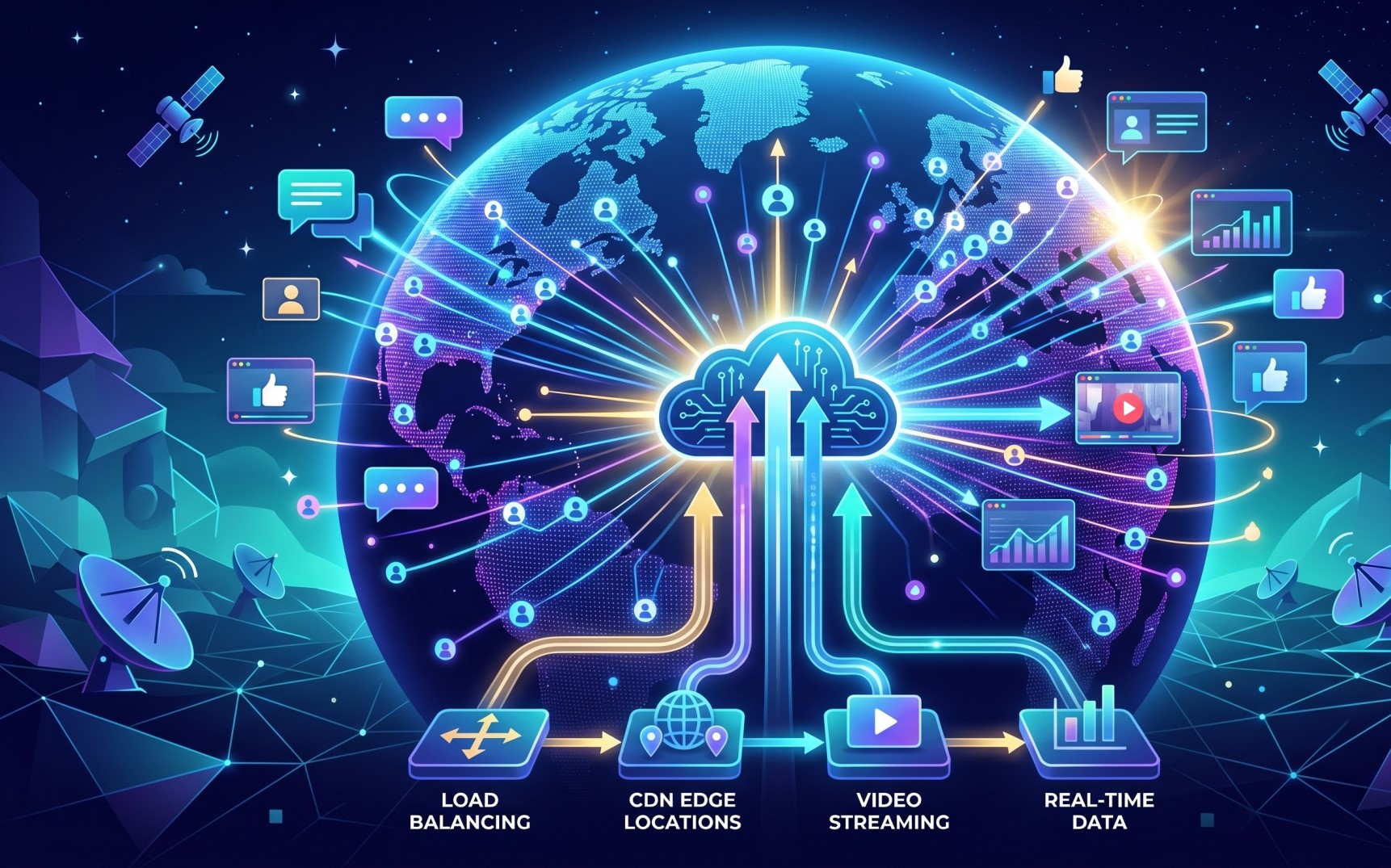
Step 10: Building Scalable Behavioral Intelligence Systems 🌟
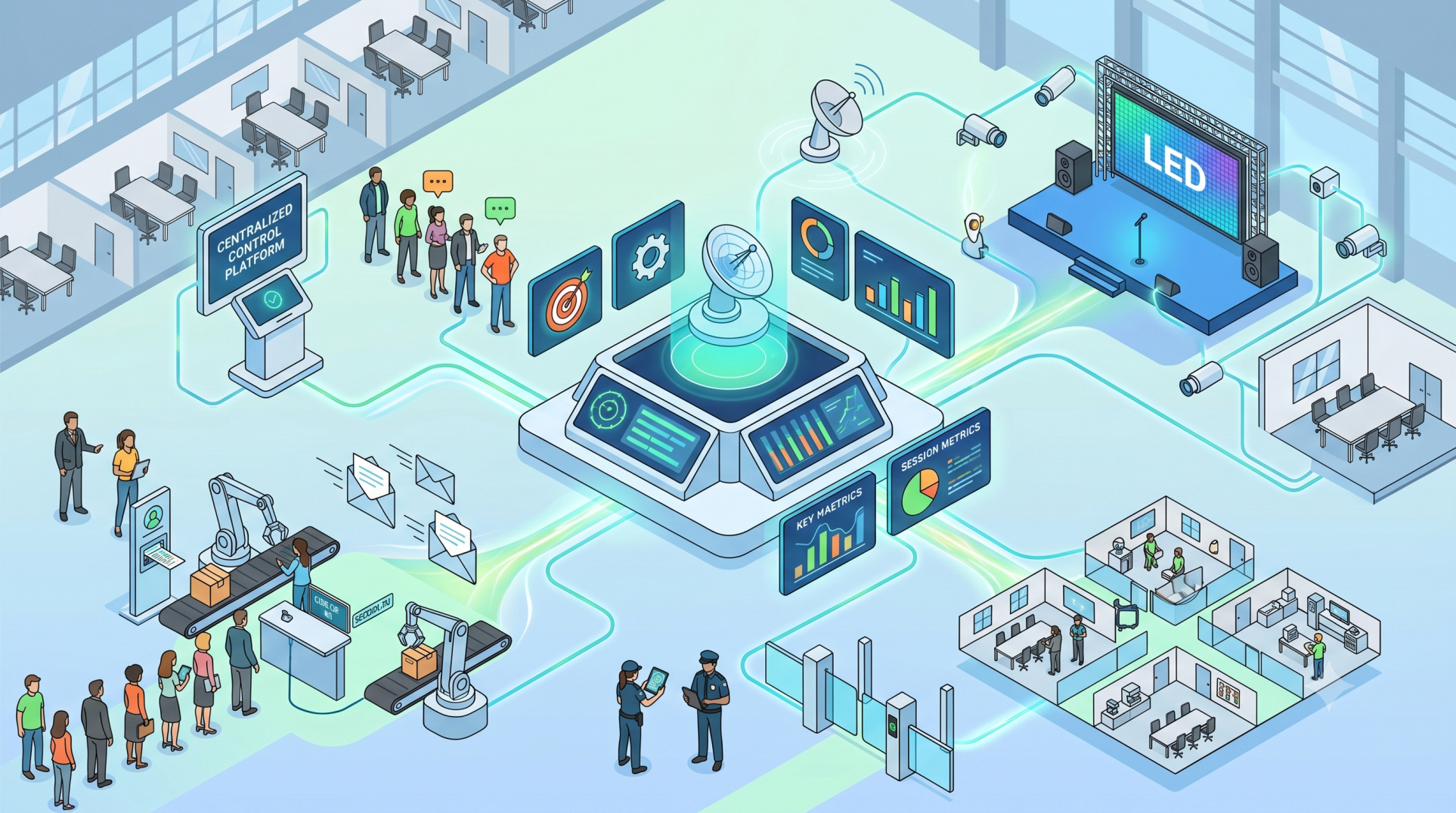
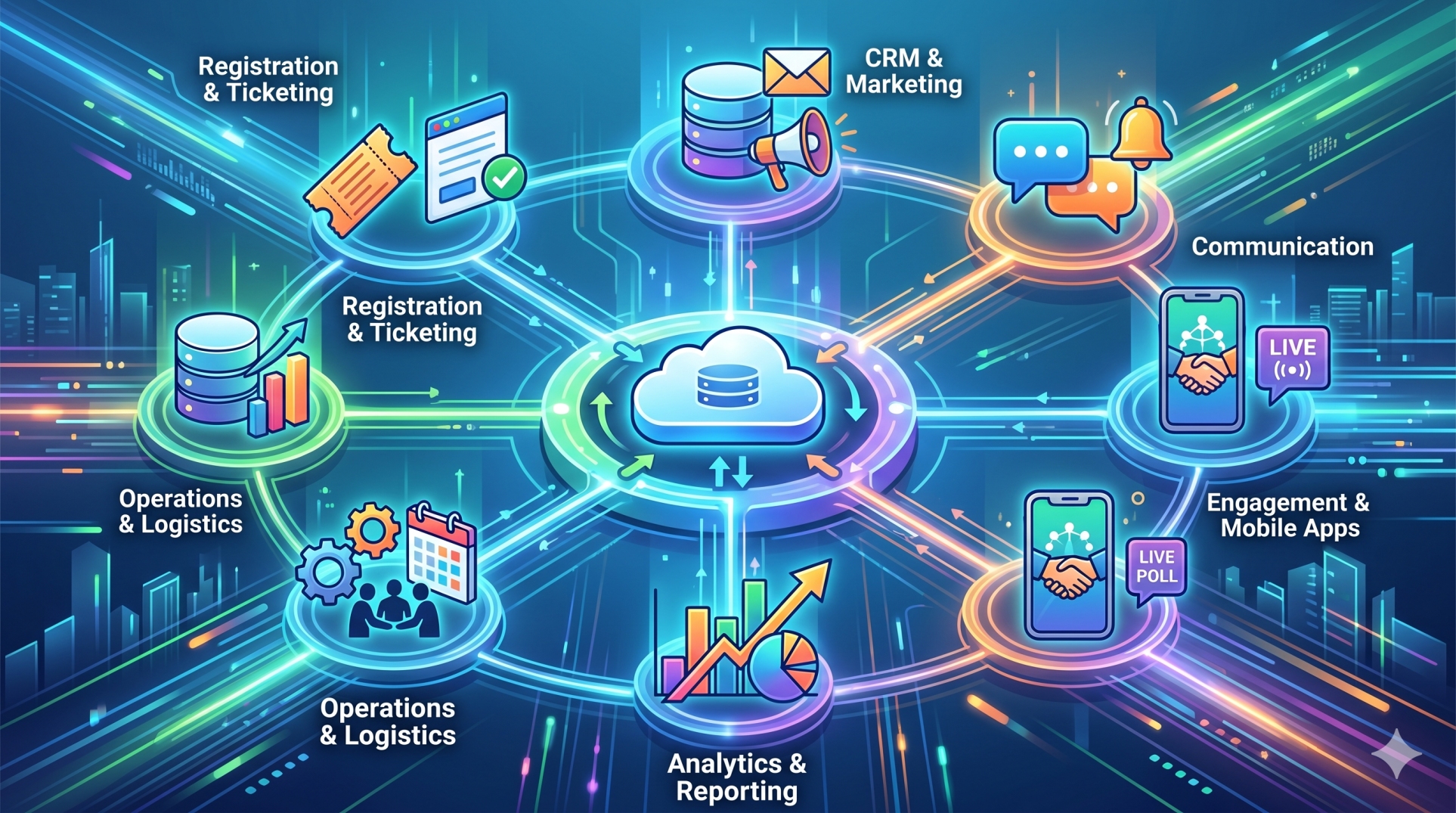
• Design scalable architectures for high-volume event data 🏗️
• Support hybrid, virtual, and in-person event environments 🌐
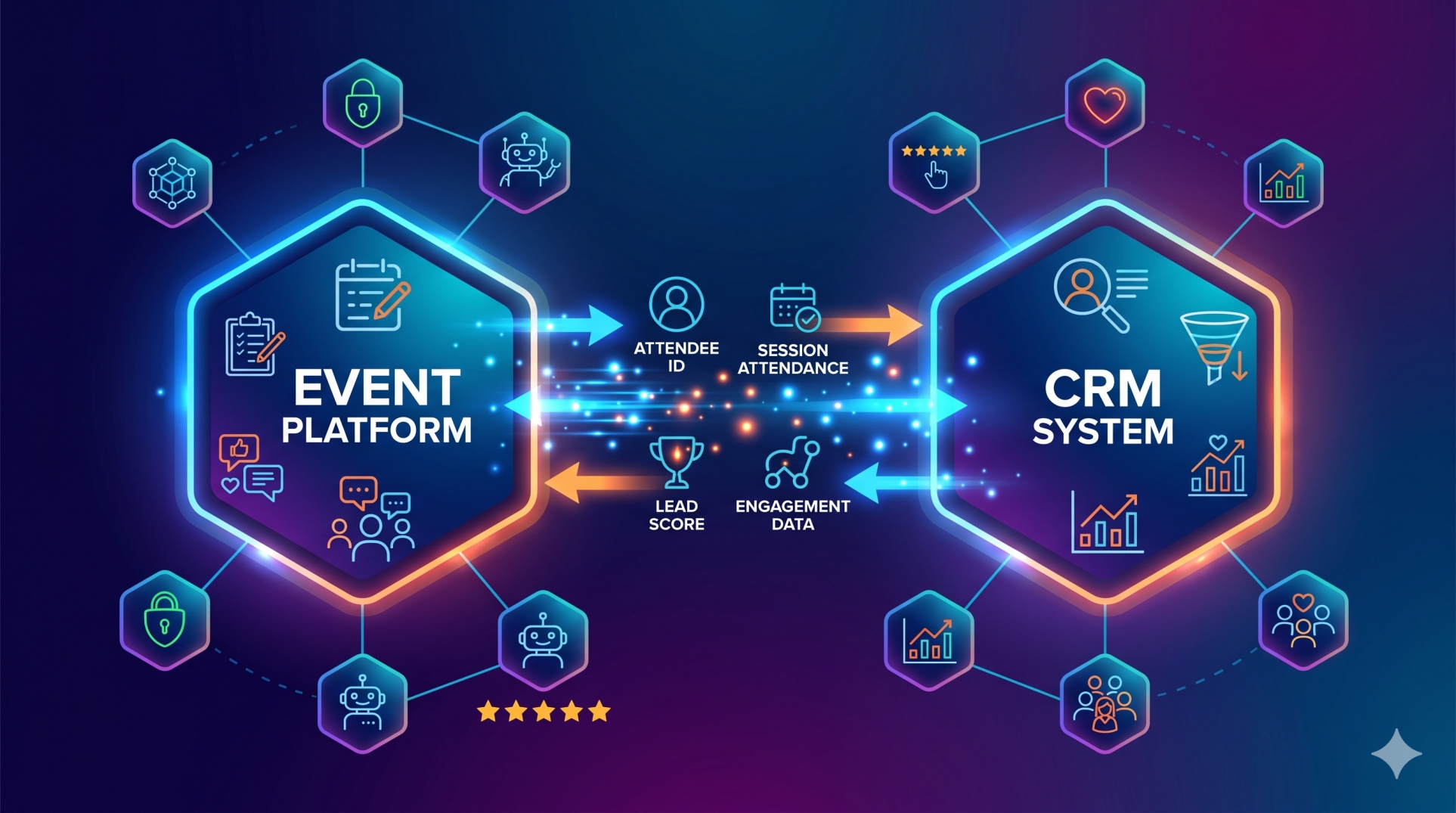
• Integrate analytics with CRM and marketing systems 🔗
• Adapt models to evolving attendee behaviors and expectations 📊
• Future-proof event platforms with modular intelligence frameworks 🚀
Conclusion
Behavioral Data Modeling plays a critical role in transforming event platforms into intelligent, engagement-driven ecosystems. By analyzing attendee interactions and participation patterns, organizations can deliver personalized experiences, improve operational efficiency, and maximize event impact. Well-designed behavioral intelligence systems not only enhance current event performance but also provide long-term strategic insights for future growth and innovation.
See more blogs
You can all the articles below












































Ready to Find Your Perfect Solution?
Let us show you how Event Software can transform your events

AI-powered event management platform that helps you create stunning events .