
Managing Latency in Real-Time Event Applications
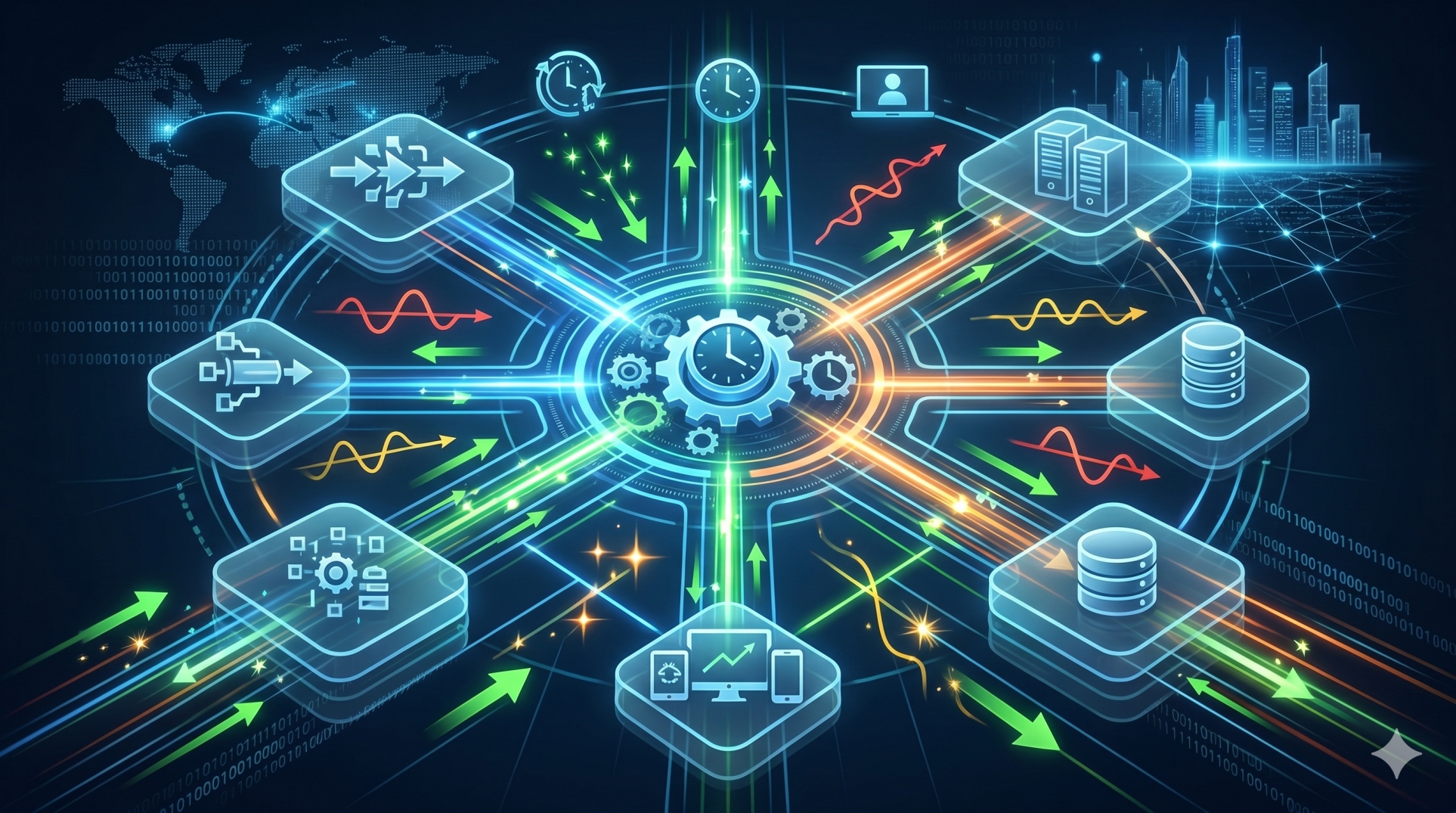
Managing Latency in Real-Time Event Applications
Real-time event applications rely on instant data processing and rapid system responsiveness to deliver seamless user experiences. As user demand and data volumes increase, managing latency becomes essential for maintaining performance, reliability, and scalability. Reducing delays across event-driven architectures helps ensure smooth communication, accurate synchronization, and consistent real-time interactions.
Step 1: Understanding Sources of Latency ⚡
• Identify delays caused by network communication and data transfer 🌐
• Analyze processing bottlenecks within application services 🧠
• Monitor database response times and query performance 📊
• Detect latency introduced by third-party integrations 🔗
• Understand how infrastructure limitations affect responsiveness 🏗️
Step 2: Optimizing Event Processing Pipelines 🔄
• Design lightweight and efficient event-processing workflows ⚙️
• Minimize unnecessary processing between event producers and consumers 🚀
• Use asynchronous processing to improve responsiveness ⏱️
• Reduce blocking operations within critical event paths 🧩
• Ensure scalable architecture for high event throughput 📈
Step 3: Implementing Low-Latency Communication 📡
• Use fast communication protocols for real-time interactions 🌐
• Reduce network hops between services and applications 🔗
• Enable persistent connections for continuous data exchange 🔄
• Optimize message serialization and payload sizes 📦
• Ensure reliable delivery with minimal transmission delay ⚡
Step 4: Managing Infrastructure Performance 🏗️
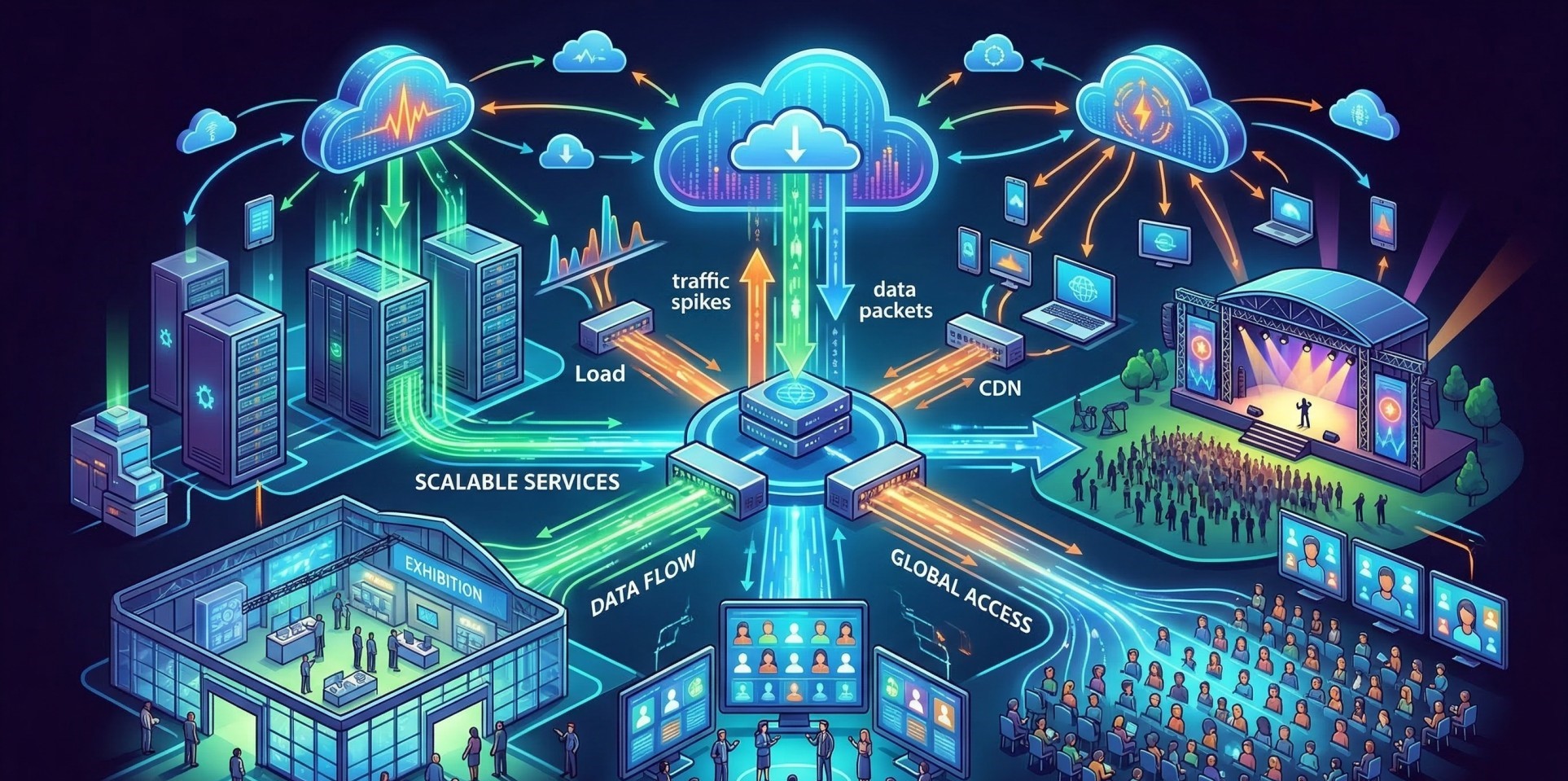
• Deploy applications closer to end users when possible 🌍
• Optimize server resource allocation and workload balancing ⚖️
• Use high-performance caching strategies for frequent requests 💾
• Continuously monitor infrastructure utilization 📊
• Scale resources dynamically during traffic spikes 🚀
Step 5: Database and Storage Optimization 🗄️
• Optimize database indexing and query execution 🔍
• Reduce write and read bottlenecks in high-volume systems 📈
• Use distributed storage architectures for scalability 🌐
• Implement in-memory processing for critical workloads ⚡
• Archive non-essential data to improve active system performance 🧹
Step 6: Real-Time Monitoring and Observability 👁️
• Track latency metrics across all application layers 📊
• Monitor event delivery times and processing delays ⏱️
• Detect anomalies before they impact users 🚨
• Use centralized dashboards for operational visibility 🖥️
• Continuously analyze performance trends for optimization 📈
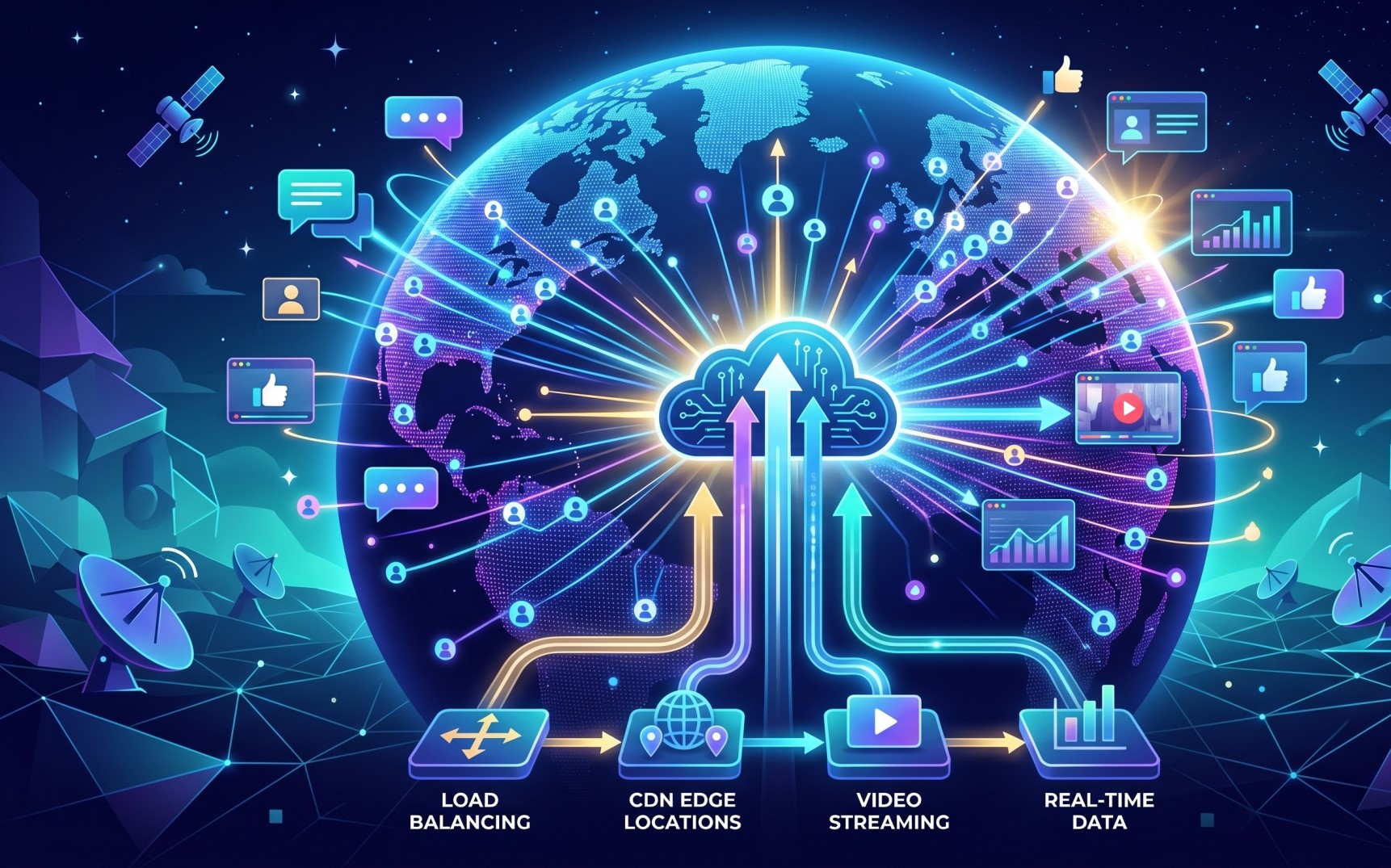
Step 7: Load Balancing and Traffic Distribution 🔀
• Distribute workloads evenly across system resources ⚖️
• Prevent server overload during peak traffic periods 🚦
• Route requests intelligently based on system availability 🧠
• Maintain consistent performance under varying loads 📡
• Improve fault tolerance through distributed traffic management 🛡️
Step 8: Key Latency Reduction Priorities 🎯
• Faster event processing and response times ⚡
• Consistent real-time communication across systems 🌐
• Scalable infrastructure for growing workloads 📈
• Reliable user experiences with minimal delays 👍
Step 9: Handling Failures and Network Variability 🔧
• Detect communication failures in real time 🚨
• Implement retry mechanisms for interrupted events 🔄
• Use fallback workflows during service disruptions 🛠️
• Maintain service continuity during unstable network conditions 🌐
• Enable rapid recovery from infrastructure failures ⚡
Step 10: Building a Scalable Real-Time Architecture 🚀
• Design systems that support future growth and higher event volumes 📦
• Use modular and distributed application architectures 🧩
• Integrate automation for performance optimization 🤖
• Continuously refine event routing and processing strategies 🔄
• Future-proof systems for evolving real-time requirements 🌍
Conclusion
Managing latency in real-time event applications is critical for delivering responsive, reliable, and scalable digital experiences. By optimizing communication, infrastructure, processing workflows, and monitoring strategies, organizations can significantly reduce delays and improve operational efficiency. A well-optimized real-time architecture not only enhances current system performance but also supports long-term scalability in increasingly data-intensive environments.
See more blogs
You can all the articles below













































Ready to Find Your Perfect Solution?
Let us show you how Event Software can transform your events

AI-powered event management platform that helps you create stunning events .